
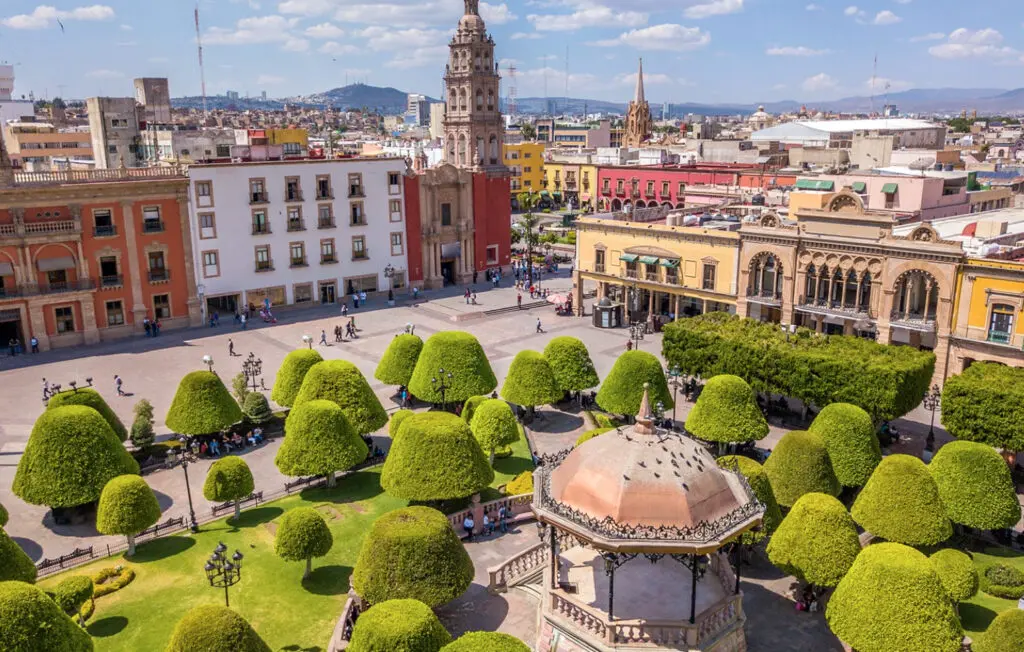
The allure of retirement often sparks dreams of sunnier climes, lower living costs, and a renewed sense of adventure. For a growing number of Americans, this dream is being realized not within the familiar borders of the United States, but in vibrant international locales. Anne Nicolai, a seasoned writer and entrepreneur, exemplifies this trend. Having transitioned from a demanding corporate career and a life in Minnesota, Nicolai embraced a new chapter in San Miguel de Allende, Mexico, where she now operates as a freelance writer and a popular karaoke host. Since her relocation in 2008, Nicolai has become a vocal advocate for expatriate living, sharing her insights through her platform, MoveToMexico.org. In an interview with fellow writer Bev Bachel, Nicolai distilled her fourteen years of experience into five key lessons for those contemplating retirement abroad.
The Transformative Power of Stepping Outside Your Comfort Zone
Nicolai’s first profound realization is the untapped reservoir of capability within oneself. "You are capable of more than you give yourself credit for," she emphasizes. Her initial days in Mexico were marked by linguistic hurdles and unfamiliar financial calculations. Yet, over time, these challenges transformed into triumphs. Today, Nicolai is fluent in Spanish, navigating her daily life and professional endeavors in pesos, a testament to her adaptation and growth.
This personal evolution is underscored by her successful navigation of complex bureaucratic processes, including multiple visa renewals and the eventual acquisition of permanent residency. Such experiences, often daunting even in one’s home country, require significant resilience and problem-solving skills. Nicolai also recounted numerous solo road trips from San Miguel to Minneapolis, a journey spanning thousands of miles. These expeditions, fraught with the potential for getting lost or encountering unexpected obstacles, served as crucibles for her self-reliance and courage. This journey of overcoming adversity and adapting to unfamiliar circumstances is a recurring theme for many who choose to retire abroad, highlighting the personal growth that can stem from such bold decisions. Data from the U.S. Census Bureau indicates a steady, albeit small, increase in Americans living abroad, with a significant portion being retirees seeking a change of pace and lifestyle.
Navigating Security: The Strength in Community and Preparedness
The second critical lesson Nicolai shares revolves around the importance of community and proactive security measures when living in a foreign country. "There is safety in numbers," she states, acknowledging that safety precautions in many expat destinations may differ significantly from those in the United States. In San Miguel de Allende, for instance, common security features include decorative ironwork on windows and doors, and reinforced garden walls, reflecting a local adaptation to prevent burglaries. The awareness of potential theft, such as leaving electronic devices unattended in vehicles, is a practical consideration that expats quickly learn.
However, Nicolai highlights that within a well-established expat community, a degree of infrastructural support often emerges. In San Miguel, this includes English-speaking emergency services and a direct line to the American consular agency, providing a crucial safety net. Furthermore, the integration of expats into the local community often fosters a greater understanding and willingness among residents to assist newcomers. This can manifest in various living arrangements, from gated communities to entirely local neighborhoods, as Nicolai herself experiences. Her emphasis on knowing one’s neighbors and fostering mutual trust underscores the human element of security, suggesting that strong interpersonal relationships can be as vital as physical deterrents. The presence of robust expat networks, often facilitated by online forums and social groups, plays a significant role in disseminating information about local safety concerns and best practices.
Technology as a Lifeline: Bridging Distances and Enhancing Daily Life
The third lesson underscores the indispensable role of technology in maintaining connections and facilitating daily life for retirees living abroad. "Technology will keep you connected," Nicolai affirms, a sentiment echoed by the ubiquity of high-speed internet and affordable mobile services globally. Platforms like WhatsApp, FaceTime, and Duo enable seamless, free voice and video communication, allowing retirees to remain actively involved in the lives of their families, from celebrating milestones to simply sharing daily updates.
Beyond personal connections, technology offers practical solutions for managing affairs back home. Online banking simplifies bill payments, and direct deposit options for Social Security benefits are available in many foreign banks, offering flexibility in currency management. The ability to access virtual healthcare services also provides peace of mind for those living far from their familiar medical providers. In their new communities, technology serves as an invaluable resource for information and social engagement. Expat forums on social media platforms provide real-time updates on local events, practical advice, and even alerts regarding community safety. Navigation apps like Google Maps and Waze further empower expats to explore their surroundings with confidence, locating essential services and points of interest. This technological integration is crucial for mitigating the potential isolation of living in a new country and fostering a sense of belonging.
Cultural Immersion: A Catalyst for Personal Transformation
Nicolai’s fourth key takeaway is the profound and positive impact of immersing oneself in a new culture. She recounts a personal journey from a "Type A" consumerist lifestyle in the United States, characterized by material possessions and a fast-paced existence, to a more simplified and mindful way of living in Mexico. The initial craving for more sunshine, vibrant colors, and ethnic diversity led her to Mexico, but the lasting impact has been a deep appreciation for patience, humility, and simplicity.
This cultural immersion has demonstrably influenced her lifestyle. Her consumption habits have shifted dramatically, with a focus primarily on food and essentials, and a reduced emphasis on acquiring new material goods. Her physical well-being has also improved, attributed to increased walking, dancing, and a healthier diet – common byproducts of expat life in many regions, according to Nicolai’s international network of friends. This transformation highlights how stepping outside one’s familiar cultural framework can challenge ingrained habits and foster a more holistic approach to well-being. The intellectual stimulation of learning a new language and navigating different social customs further contributes to this enriching personal evolution. Research in cross-cultural psychology consistently demonstrates that engaging with diverse perspectives can enhance cognitive flexibility and broaden one’s worldview.
The Freedom of Choice: The Reassurance of "Always Going Home"
The final, and perhaps most reassuring, lesson Nicolai offers is the inherent freedom to return home. "You can always go home," she states, debunking the myth that an expat decision is irreversible. Her observations include individuals who have lived abroad for decades, as well as those who have relocated back to their home countries for health reasons or to be closer to family. The expat journey is not a monolithic experience; it is a dynamic process of exploration and adaptation.
Nicolai herself views Mexico as her current home, with the expectation of potentially spending her final years there. However, she acknowledges that this is a personal plan and that the option to relocate to another country or return to the United States remains open. The decision to become an expat is framed not as a definitive success or failure, but as a process of trial and error, driven by individual desires for reinvention, healing, or simply a new adventure. The support system of friends and family, coupled with the welcoming nature of her adopted community, has ensured she has never felt isolated. This emphasis on personal agency and the absence of a "right" or "wrong" path empowers individuals to explore the possibility of retirement abroad with less apprehension, knowing that life choices are fluid and adaptable. The increasing accessibility of global travel and communication technologies further solidifies this sense of freedom and choice for modern retirees.
Broader Implications for Retirement Planning
Anne Nicolai’s experiences in San Miguel de Allende offer valuable insights for a broader demographic considering retirement outside the United States. The trend of expatriation in retirement is not merely a lifestyle choice for the adventurous; it is increasingly becoming a strategic financial and personal planning consideration. Factors such as the rising cost of living in the U.S., the desire for a more fulfilling and less consumer-driven lifestyle, and the pursuit of warmer climates are significant drivers.
The data suggests a growing interest in international retirement destinations. Countries like Mexico, Portugal, Costa Rica, and Panama frequently appear on lists of popular expat locations due to their relatively lower cost of living, appealing climates, and established expat communities. For instance, studies have indicated that the cost of living in many Mexican cities can be 30-50% lower than in comparable U.S. cities, allowing retirees to stretch their savings further or enjoy a higher quality of life on a fixed income.
However, the decision to retire abroad is multifaceted and requires thorough research and careful planning. Beyond the personal growth and cultural enrichment highlighted by Nicolai, potential retirees must consider factors such as healthcare access and costs, visa and residency requirements, tax implications, and banking regulations. Organizations like the U.S. Department of State provide essential information on living abroad, and financial advisors specializing in international retirement can offer guidance on navigating these complexities.
The narrative of Anne Nicolai’s expat journey underscores that retiring abroad is not simply about finding a new place to live, but about embracing a new way of life. It is an opportunity for profound personal transformation, a chance to cultivate resilience, and a pathway to a more connected and fulfilling retirement. The lessons learned from her experience offer a compelling framework for any individual contemplating a similar leap into the global retirement landscape.

