
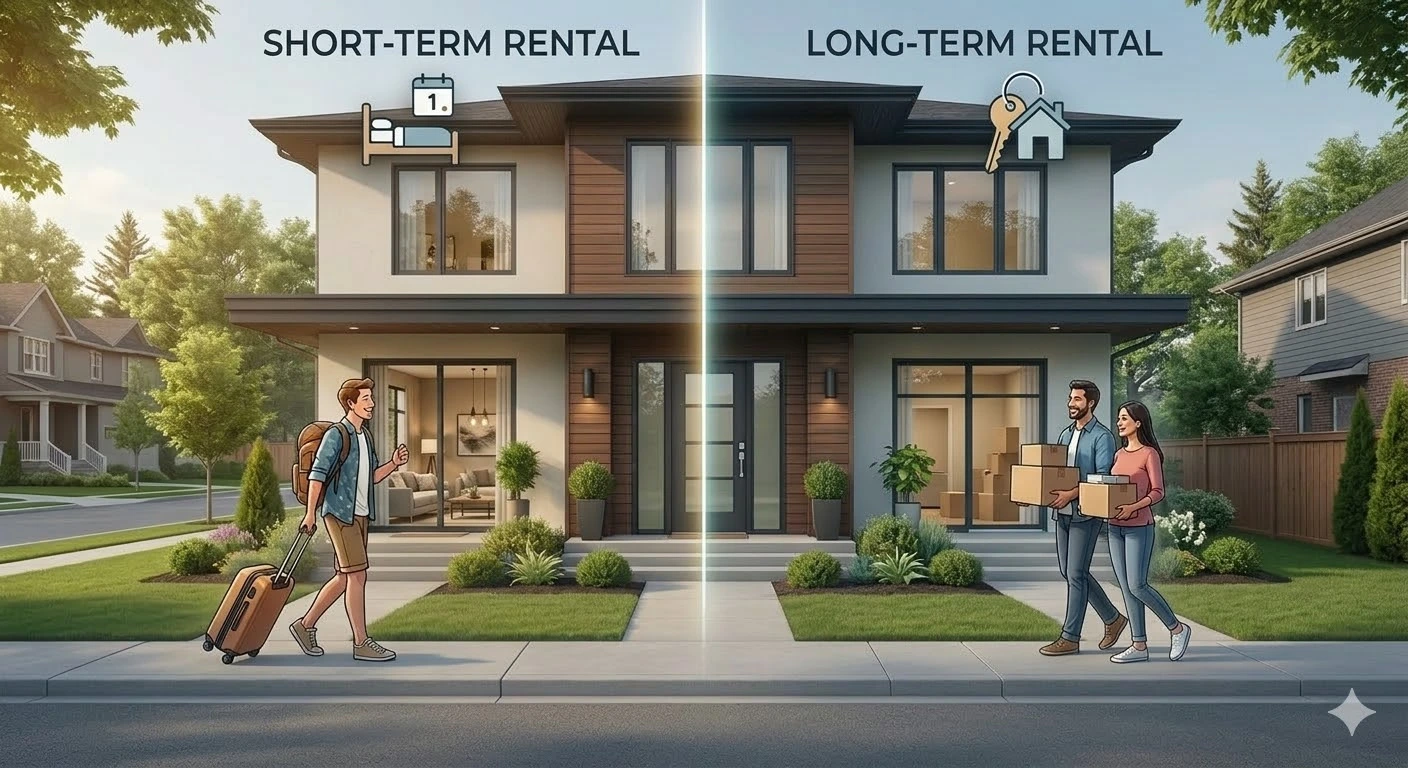
Just a few years ago, the short-term rental market, particularly through platforms like Airbnb, was widely promoted as a straightforward path to passive income. The narrative suggested that even individuals with spare bedrooms could capitalize on the burgeoning travel economy, generating substantial returns with minimal effort. This perception was amplified during the post-pandemic travel surge of 2021-2022, a period when real estate investors increasingly turned their attention to vacation rental properties. The prevailing sentiment was that acquiring a property in almost any location and listing it on Airbnb would automatically create a profitable, cash-flowing asset. Data from that era often supported this notion, with market averages indicating that short-term rentals frequently outperformed traditional long-term rentals across many U.S. markets.
However, as 2026 unfolds, this optimistic outlook has undergone a significant transformation. The landscape for short-term rentals has become more complex, characterized by decelerating occupancy and revenue growth, coupled with a tightening regulatory environment. The notion of "passive income" in this sector has largely evaporated; owning and operating a successful short-term rental is now unequivocally a business requiring active management and strategic planning.
Simultaneously, the alternative – traditional, long-term rental properties – has also presented its own set of challenges. Amidst this evolving dynamic, a third category, the mid-term rental, has emerged as a compelling option, further complicating the decision-making process for real estate investors. The era of a single, clear winner in rental property strategies has passed. Consequently, investors in 2026 face a critical juncture, necessitating a comprehensive re-evaluation of their rental property choices and strategies.
The Regulatory Reckoning: Navigating Shifting Legal Frameworks
Historically, the short-term rental market benefited from a regulatory lag, allowing for relatively easy entry due to the absence of comprehensive laws in most jurisdictions. This allowed for rapid growth and profitability, as documented by market analyses showing significant outperformance against long-term rentals. However, this laissez-faire approach has become a relic of the past. Today, a majority of housing markets, particularly those that are popular tourist destinations, have implemented specific regulations governing short-term rentals.
Several major cities, including New York City, Honolulu, Santa Monica, New Orleans, and San Francisco, have enacted what are effectively "de-facto" bans. The stringent nature of these regulations makes operating short-term rentals nearly impossible, forcing investors to consider alternative strategies or divestment. These regulations typically encompass a wide array of requirements, such as:
- Licensing and Permit Requirements: Many municipalities now mandate specific licenses or permits to operate a short-term rental, often involving application fees and background checks.
- Zoning Restrictions: Certain zones within cities or towns may be explicitly prohibited from short-term rental operations, limiting where properties can be legally advertised.
- Occupancy Limits: Regulations often dictate the maximum number of guests allowed per property, impacting potential revenue.
- Health and Safety Standards: Compliance with building codes, fire safety regulations, and sanitation standards is frequently enforced, sometimes requiring property upgrades.
- Taxation: Local governments have introduced occupancy taxes, tourism taxes, and other levies specifically on short-term rental income, increasing operating expenses.
- Guest Registry Requirements: Some jurisdictions require hosts to maintain a registry of guests, which can include personal information and stay details.
For investors contemplating a foray into vacation rentals in 2026, a thorough assessment of their capacity to achieve and maintain legal compliance is paramount. Resources like Mashvisor’s portal, which aggregates U.S.-wide short-term rental regulations, offer a starting point for such due diligence.
The growing stringency of short-term rental laws and significant public pushback in many areas have naturally led many investors to reconsider their options. However, the legal landscape for traditional long-term rentals is also evolving, presenting its own set of complexities. While landlords have been subject to location-specific rental laws in the U.S. housing market for decades, including provisions for:
- Lease Agreements: Standardized requirements for rental contracts.
- Security Deposits: Regulations governing the collection and return of tenant security deposits.
- Eviction Procedures: Legal processes landlords must follow to evict tenants.
- Property Maintenance Standards: Minimum requirements for habitability and upkeep.
New legislation in 2026 is increasingly favoring tenants, thereby increasing costs and operational difficulties for landlords. For instance, California has seen significant legislative changes, including:
- Rent Control Measures: Statewide rent control policies limit annual rent increases, impacting potential profit margins.
- Just Cause Eviction Ordinances: Strict requirements for landlords seeking to terminate a tenancy, making evictions more complex and costly.
- Tenant Protections: Enhanced rights for tenants regarding notice periods for rent increases, lease terminations, and landlord access.
Similarly, Washington State has introduced measures such as:
- Rent Stabilization Policies: Legislation aimed at capping rent increases.
- Restrictions on Fees: Limitations on the types and amounts of fees landlords can charge tenants.
- Increased Landlord Responsibilities: New obligations for landlords concerning property maintenance and tenant communication.
These legislative trends, originating in major states, often serve as a precursor for similar laws to be adopted in other regions. Consequently, real estate investors must undertake comprehensive legal reviews, understanding the nuances of local and state laws applicable to both short-term and long-term rental properties before committing capital.
Escalating Costs: The Growing Financial Burden of Rental Ownership
A fundamental aspect of the short-term versus long-term rental debate has always been cost. Historically, short-term rentals represented a more significant financial undertaking, and this reality has not changed in 2026. What has changed is the overall increase in expenses for both rental strategies. U.S. home prices have generally risen, and concurrently, property taxes, mortgage rates, and insurance premiums have also climbed.
For short-term rental properties, the evolving regulatory landscape directly translates into increased financial burdens. Annual fees for permits and registration, substantial fines for non-compliance, and additional taxes levied on short-term rental income are becoming commonplace. Furthermore, platform fees, such as those introduced by Airbnb in 2025, contribute to higher operating costs for hosts.
Beyond these direct expenses, the heightened competition in the market necessitates greater investment in property amenities and presentation. What was once considered a desirable amenity, like a hot tub in a Gatlinburg, TN Airbnb, is now often viewed as a baseline expectation. Standing out in a crowded market requires ongoing investment in property upgrades, decor, and guest services, adding another layer of cost. Consequently, operating a vacation rental property in 2026 is considerably more expensive than it was just a few years prior.
Long-term rental properties are also experiencing rising costs. New tenant-favored laws may mandate upgrades to property features, such as requiring a functioning stove and refrigerator. Moreover, tenants are increasingly prioritizing energy efficiency, prompting landlords to invest in making their rental properties more energy-conscious, which can involve significant upfront costs for insulation, efficient appliances, and renewable energy solutions.
The start-up and ongoing operational costs for both rental strategies are no longer what they once were. Real estate investors must move beyond a generalized understanding and obtain precise cost estimates, alongside reliable income projections, to accurately determine which strategy will yield the most favorable cash flow before making a decision.
The Location Factor: Adapting to Shifting Demographics and Travel Trends
Beyond the legal and financial considerations, the choice of market remains a critical determinant of success in the rental property sector. While regulations have altered the landscape, broader shifts in travel trends and population movements also demand investor attention.
Travel patterns are dynamic, and the issue of market saturation adds another layer of complexity to investment decisions. For traditional rentals, demographic shifts indicate a sustained migration towards the Southeast and Mountain West regions (the Sunbelt), a contrast to the previous decade’s focus on larger urban centers. Prospective tenants are increasingly choosing these areas for their perceived affordability, quality of life, and economic opportunities.
Understanding where people are moving or visiting is only part of the equation; effectively positioning an asset within those markets is the true challenge. Daryl Fairweather, Chief Economist for Redfin, offers insights into this dynamic:
Mashvisor: "Are there any markets where you expect more short-term rentals to convert to long-term rentals?"
Fairweather: "Conversions are most likely where short-term economics weaken or regulations tighten. This often occurs in markets that have experienced a significant influx of short-term rental supply, leading to increased competition and reduced nightly rates, while simultaneously facing stricter local ordinances. Look for markets where the potential for STR revenue has plateaued or declined, but where the underlying demand for long-term housing remains robust due to population growth or a shortage of available long-term units. These conversions cluster where STR revenue softens but long-term fundamentals remain solid."
Mashvisor: "Are there any markets where short-term rentals might outperform long-term rentals in 2026?"
Fairweather: "Yes, some markets will still favor STRs. These typically include areas with strong, consistent tourist demand, such as major national parks, popular beach destinations, or cities with vibrant event calendars and a high volume of business travel. However, success in these markets is increasingly dependent on professional management, dynamic pricing strategies that adapt to demand fluctuations, and the ability to maintain high occupancy rates. Passive Airbnb investments in random towns are risky; successful STRs require a strategic approach and often professional oversight."
Investors must meticulously research which locations are most conducive to either short-term or long-term rental strategies, recognizing that market dynamics are constantly in flux and require continuous monitoring.
The Occupant Dynamic: Understanding Tenant Profiles and Expectations
The appeal of short-term rentals for some investors was the perceived difference in occupant behavior compared to long-term tenants. The assumption was that temporary guests would present fewer issues than traditional renters, who might raise concerns related to:
- Long-Term Wear and Tear: Extended stays can lead to more significant deterioration of property fixtures and finishes.
- Eviction Processes: Dealing with non-paying or problematic long-term tenants involves a complex and often lengthy legal eviction process.
- Tenant Turnover: The process of finding new tenants, screening them, and managing lease agreements can be time-consuming.
- Property Damage Beyond Normal Wear: Accidental or intentional damage that exceeds typical wear and tear.
- Maintenance Requests: A higher volume and frequency of maintenance requests from long-term residents.
The image of the transient Airbnb guest often seemed more ideal. However, the reality has proven to be more nuanced. Anecdotal evidence and online forums are replete with "Airbnb horror stories," detailing incidents such as:
- Property Damage: Guests causing extensive damage to the property, including vandalism and destruction of furnishings.
- Parties and Disturbances: Unauthorized parties leading to noise complaints and damage to the property or surrounding community.
- Theft: Instances of guests stealing items from the rental property.
- Illegal Activities: Use of the property for unlawful purposes.
Beyond guest behavior, the cost of accommodating short-term guests is also a significant factor. This includes providing high-speed internet, hotel-like amenities, and professional cleaning services between each guest turnover, all of which contribute to higher operating expenses.
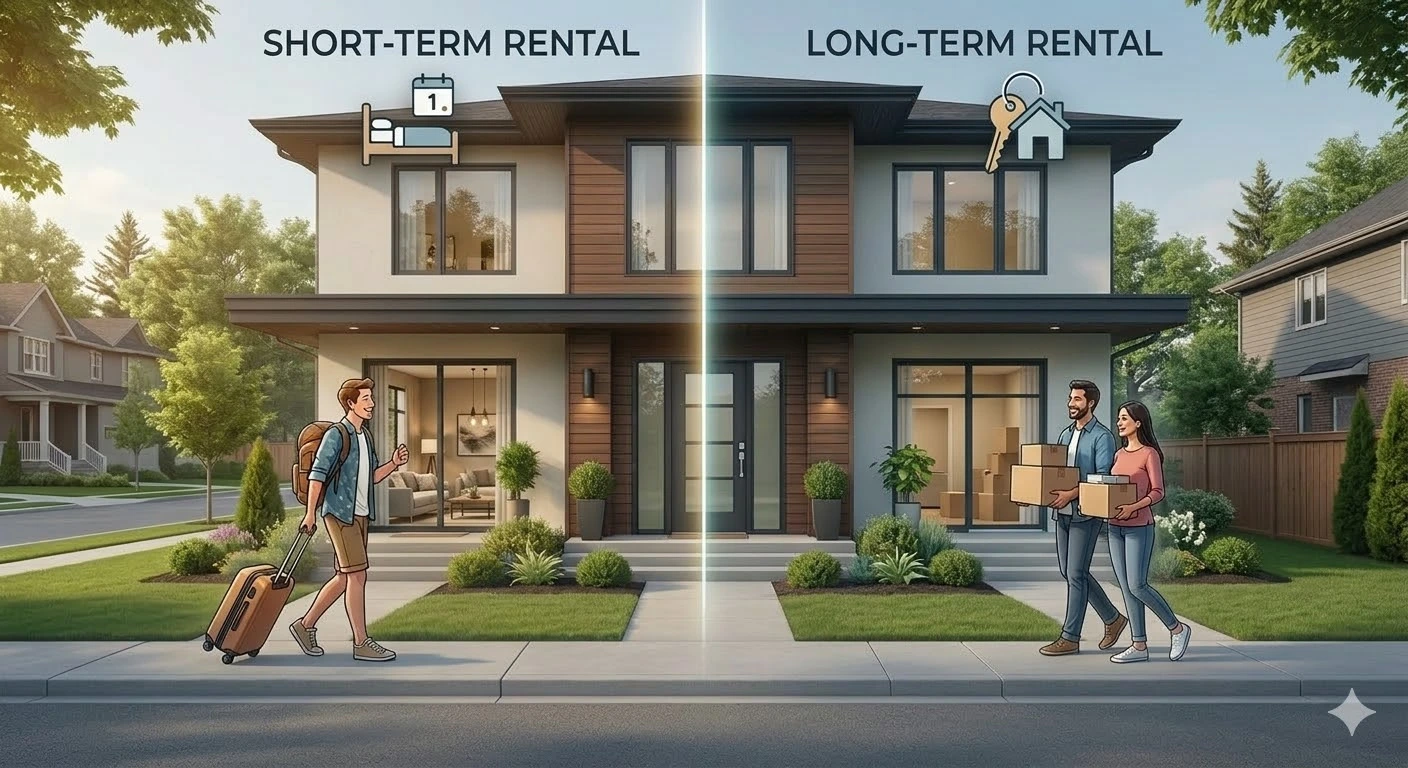
In 2026, it is no longer a simple matter of one type of occupant being inherently "better" than the other. Both short-term guests and long-term tenants require distinct management approaches and incur specific costs. Investors must realistically assess their capacity to manage the unique challenges and risks associated with each, developing robust risk mitigation strategies and contingency plans for potential issues.
The Effort Equation: Active Management vs. Passive Ambitions
A recurring theme in discussions among short-term rental hosts is the significant effort required to operate a hospitality business effectively. For those who manage their properties directly, rather than outsourcing to a property management company, the investment becomes decidedly active. This contrasts sharply with the initial perception of short-term rentals as a passive income stream.
Similarly, long-term rentals, while often perceived as more straightforward, also demand considerable effort, particularly during periods of tenant turnover, eviction proceedings, or unexpected emergency maintenance. Both models, therefore, necessitate a degree of active involvement from the investor.
The possibility of achieving passive income in either sector hinges on the utilization of property management services. However, the cost of such services can significantly impact cash flow. Property management fees for long-term rentals typically range from 8% to 12% of monthly rental income. For short-term rentals, these fees are substantially higher, generally falling between 15% and 25%, reflecting the increased complexity and frequency of guest interactions and turnovers.
Neither hosting short-term rentals nor managing long-term rentals is inherently passive. Real estate investors must realistically evaluate their capacity for day-to-day operations and the time commitment involved. Alternatively, factoring in the cost of professional management from the outset is crucial for any investor seeking a truly passive rental income strategy.
The Emerging Alternative: The Mid-Term Rental Property
The decision-making process for rental property investors is no longer confined to a binary choice between short-term and long-term rentals. The rise of the mid-term rental, also known as a monthly rental, has introduced a compelling third option. These properties are typically rented for periods ranging from one month to six months, and sometimes up to twelve months, effectively bridging the gap between short-term vacation stays and traditional long-term leases.
Mid-term rentals cater to a specific demographic, including traveling nurses and other healthcare professionals, individuals on extended business trips or sabbaticals, digital nomads, and those in the process of relocating. This niche tenant base typically seeks furnished accommodations for a defined period, offering a stable income stream without the rapid turnover of short-term rentals or the extended commitment of long-term leases.
The success of mid-term rentals is often tied to specific geographic locations:
- Areas with Major Hospitals and Healthcare Facilities: Traveling medical professionals are a primary demographic.
- Cities with Large Corporate Presence and Business Districts: Business travelers on extended assignments.
- University Towns: Visiting professors, researchers, or students on semester-long programs.
- Areas Experiencing Influxes of Relocating Individuals: Temporary housing for those moving for work or lifestyle changes.
A significant advantage of mid-term rentals is their ability to often bypass the stringent regulations imposed on short-term rentals, as they fall into a different regulatory category. While short-term rentals may command higher average daily rates (ADRs), mid-term rentals benefit from higher occupancy rates and reduced turnover costs, including fewer cleaning fees. This combination can lead to higher overall profitability within the same real estate market.
Compared to traditional long-term rental properties, mid-term rentals offer greater flexibility for tenants, who are typically willing to pay a premium. Data suggests that tenants may pay an additional $600 to $800 per month for a furnished mid-term lease compared to a standard long-term lease, due to the convenience and flexibility offered.
With this third viable rental strategy offering strong cash flow potential, real estate investors must now re-evaluate which option best aligns with their investment goals and the specific characteristics of their target markets, especially where all three strategies are feasible.
Short Term vs. Mid Term vs. Long Term: Choosing Your Rental Strategy
The decision regarding the optimal rental strategy hinges on a careful consideration of location and an investor’s risk tolerance. Ultimately, the goal is to select the strategy that promises the highest cash flow and return on investment. Leveraging reliable market data, including Airbnb occupancy rates, long-term rent estimates, and historical performance trends, is essential for identifying profitable strategies before acquisition. Platforms like Mashvisor offer tools and data to help investors analyze the potential performance of various rental strategies for specific listings, aiding in the identification of the most lucrative path forward.
Strategic Divestment and Conversion: The Next Move for Underperforming Assets
For some real estate investors, 2026 may signal a necessary re-evaluation of their existing rental portfolios. A once-lucrative short-term rental property might now be operating in an oversaturated market, leading to diminished profit margins. Alternatively, the imposition of new regulations may render the operation of such a business legally untenable.
If an investor decides to exit the short-term rental market, two primary options emerge: converting the property to a long-term rental or selling it outright. This decision requires a granular examination of current real estate market trends and the investor’s individual financial circumstances. Is it an opportune moment to sell, or would holding the property for a future sale prove more profitable? Can the investor afford to maintain the property while awaiting a buyer, or will carrying costs lead to negative cash flow? Crucially, how are long-term rentals performing in the same market?
Redfin’s Chief Economist, Daryl Fairweather, provides guidance on this critical decision:
Mashvisor: "When should an investor consider selling a vacation property instead of converting it to a long-term rental?"
Fairweather: "An investor should consider selling when the property no longer justifies the complexity and risk of short-term rentals or when the capital could be better used elsewhere. This typically occurs when regulatory burdens significantly increase operating costs or limit revenue potential, making the STR model unsustainable. Furthermore, if market prices for the property have appreciated substantially, selling might offer a more immediate and significant return than continuing to operate it, especially if the returns are no longer competitive with other investment opportunities. Sell if the property no longer provides strong returns, market prices are favorable, or regulations make your STR strategy unprofitable."
If market conditions and financial analyses suggest that converting a short-term rental to a long-term rental is a viable strategy, Fairweather offers key advice:
"If converting makes sense, focus on these four things. Firstly, understand your target tenant profile: identify the demographic most likely to rent long-term in your area and tailor your property and marketing accordingly. Secondly, adjust your pricing strategy: research competitive long-term rental rates in your market and set your rent accordingly. Thirdly, prepare for longer lease terms: ensure your property is durable and suitable for longer tenancies, and be prepared for the standard processes associated with long-term leases. Finally, manage tenant relationships effectively: build strong communication channels and address tenant needs promptly to ensure a positive and stable rental experience. Long-term rentals offer predictability over upside. Treat the conversion as a strategic business decision."
Final Thoughts
The rental property market in 2026 is characterized by significant shifts in both the short-term and long-term sectors. However, the fundamental principle that real estate investment opportunities abound remains true. The key for investors in the current climate is to exercise greater selectivity and employ data-driven decision-making. Whether an investor remains committed to a specific strategy or explores new avenues, thorough market research and the utilization of robust analytical tools are indispensable for identifying the most profitable and sustainable rental property ventures.
Frequently Asked Questions
1. Can short-term rentals still be profitable in 2026?
Yes, short-term rentals can still be profitable in 2026, but profitability is highly dependent on factors such as location, local regulations, occupancy rates, and operational costs. In tourism-driven markets with sustained demand, Airbnb rentals may indeed generate higher income than traditional leases. However, investors must conduct thorough due diligence on local laws and competitive landscapes before making any investment decisions.
2. What is the difference between short-term and long-term rental profitability?
Short-term rentals often yield higher revenue per night due to premium pricing for shorter stays. Conversely, long-term rentals provide more stable, predictable monthly income and generally incur lower management costs and turnover expenses. The most profitable strategy ultimately depends on a confluence of factors, including local tourism demand, the stringency of rental regulations, property acquisition costs, and expected occupancy rates.
3. How do short-term, mid-term, and long-term rentals differ?
Short-term rentals are typically booked for periods ranging from a few nights to several weeks, primarily through platforms like Airbnb. Mid-term rentals, also known as monthly rentals, usually last between one to six months and are popular with traveling professionals or digital nomads seeking temporary housing. Long-term rentals represent traditional leases, generally lasting six to twelve months or more, offering landlords a consistent and stable income stream.
4. Is Airbnb a better investment than a long-term rental in 2026?
Airbnb can potentially generate higher income in high-demand markets, particularly in popular tourist destinations. However, it also necessitates more active day-to-day management, higher operating expenses, and rigorous compliance with evolving local regulations. Long-term rentals, on the other hand, tend to offer more predictable cash flow and fewer immediate management responsibilities, making them a potentially more stable investment for some.
5. How should investors choose between a short-term and long-term rental strategy?
Investors should compare projected rental income, anticipated occupancy rates, estimated operating costs, and the prevailing local regulatory environment before selecting a rental strategy. Analyzing historical rental data and current market trends is crucial for determining whether a property is likely to perform better as a short-term or long-term rental.

