
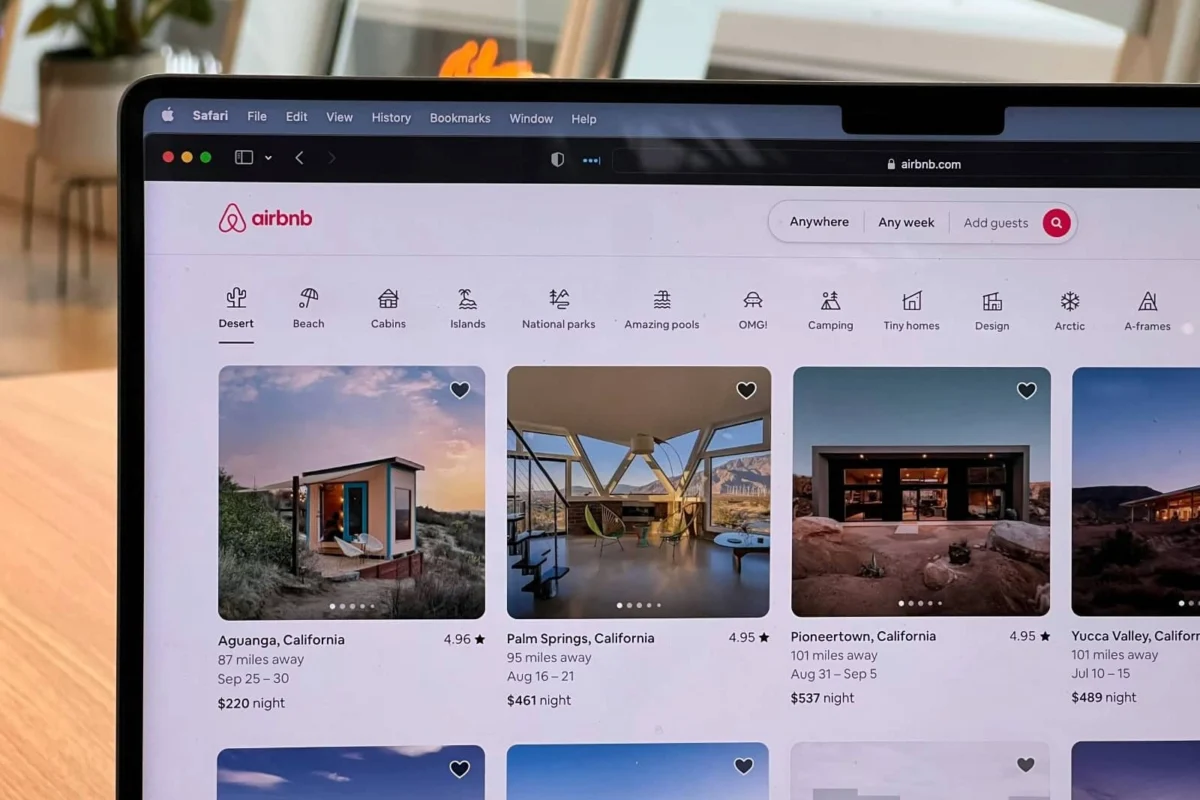
The highly anticipated Summer 2026 release from Airbnb, helmed by CEO Brian Chesky, has officially been unveiled, introducing a suite of new features designed to enhance the guest experience and, more significantly, reshape the competitive dynamics for property hosts and managers. While initial media attention gravitated towards the platform’s expansion into ancillary services like car rentals, boutique hotels, and grocery delivery, the true game-changer lies within four understated artificial intelligence (AI) functionalities that are poised to fundamentally alter how properties secure bookings. These AI-driven advancements, operating largely behind the scenes, represent a paradigm shift in personalized travel and demand a thorough understanding from all stakeholders within the Airbnb ecosystem.
The backdrop to this announcement is a travel industry increasingly reliant on sophisticated digital platforms and the ever-growing influence of AI. For years, Airbnb has meticulously gathered vast datasets on guest preferences, booking behaviors, and property attributes. The Summer 2026 release marks a pivotal moment where this accumulated intelligence is being leveraged to create hyper-personalized experiences at the individual listing level, a move that goes far beyond platform-wide or category-specific adjustments.
The Core AI Revolution: Personalized Guest Journeys
At the heart of Airbnb’s latest innovation is the deployment of AI to tailor the presentation of each property listing to the specific profile and intent of every potential guest. This means that the content a traveler encounters on a property’s page—from the highlighted photos and featured amenities to the specific reviews that are surfaced—will dynamically adjust based on what Airbnb’s AI discerns about that individual user. The implications are profound: the same property, with identical underlying data, will now present a distinct narrative and emphasis to different visitors, creating a truly bespoke browsing experience.
This granular level of personalization necessitates a re-evaluation of what it means to "optimize a listing." Previously, hosts focused on creating a static, broadly appealing description and a comprehensive list of amenities. Now, the emphasis shifts to ensuring that every facet of a listing provides rich, relevant data that the AI can leverage to connect with specific guest needs and desires. The success of a listing will increasingly depend on its ability to provide the AI with diverse and compelling information that can be dynamically assembled to appeal to a wide spectrum of potential bookers.
Four AI Features Redefining Property Visibility and Conversion
Airbnb’s Summer 2026 release strategically integrates four key AI-powered features that will directly impact how properties are perceived and booked:
Feature 1: Personalized Listing Highlights
This groundbreaking feature allows Airbnb’s AI to dynamically emphasize different aspects of a property listing based on a guest’s known trip purpose and preferences. For instance, a family planning a vacation with children might see the listing highlight the extra bedroom, child-friendly amenities, or the spacious backyard. Conversely, a remote worker seeking a temporary workspace would be presented with prominent details about high-speed Wi-Fi, dedicated desk areas, and a quiet environment. This is not about hosts creating multiple versions of their listings; rather, Airbnb’s AI intelligently curates and surfaces the most relevant information from a single, comprehensive listing.
The direct implication for hosts is that every attribute of their property now holds potential value. Incomplete amenity lists, vague descriptions, or overlooked details can become significant liabilities, creating blind spots that the AI cannot exploit to attract certain guest segments. Hosts are now incentivized to be meticulously thorough in detailing every aspect of their offering, ensuring that the AI has a rich tapestry of information to draw from.
Feature 2: AI-Curated Review Highlights
With over a billion reviews accumulated on the platform, Airbnb is now leveraging AI to intelligently surface specific reviews and even particular phrases within those reviews that directly address a guest’s expressed or inferred interests. This moves beyond generic star ratings or simple summary statistics. Instead, it provides targeted social proof, precisely aligned with the strengths of a property and tailored to the individual visitor.
The quality, depth, and specificity of a property’s reviews are now active conversion assets. Listings with sparse review coverage on key attributes will not only appear less appealing but may become virtually invisible to guests seeking those particular features. Hosts must actively cultivate detailed and attribute-specific reviews to ensure their properties are favorably represented by this AI-driven curation.
Feature 3: "Ask About the Home" – AI-Powered Content Retrieval
A significant enhancement to the guest experience is the introduction of a natural-language query system, dubbed "Ask About the Home." Guests can now pose questions about a property directly within the listing page, and Airbnb’s AI will provide answers by intelligently extracting information from the listing’s reviews, photos, and map data. Questions such as "Is there a hiking trail nearby?" or "Does the backyard have adequate shade?" or "Is the kitchen suitable for group cooking?" will be addressed in real-time.
This feature eliminates the need for guests to leave the platform to seek external information, thereby reducing friction in the booking process. However, it also places a premium on the presence of relevant content. If a property’s photos do not visually depict the hiking trail, or if reviews fail to mention the backyard’s shade, or if the kitchen’s suitability isn’t clearly communicated, the AI will be unable to answer, potentially leading to a lost booking. This underscores the critical importance of comprehensive and visually informative content.
Feature 4: AI-Generated Listing Comparisons
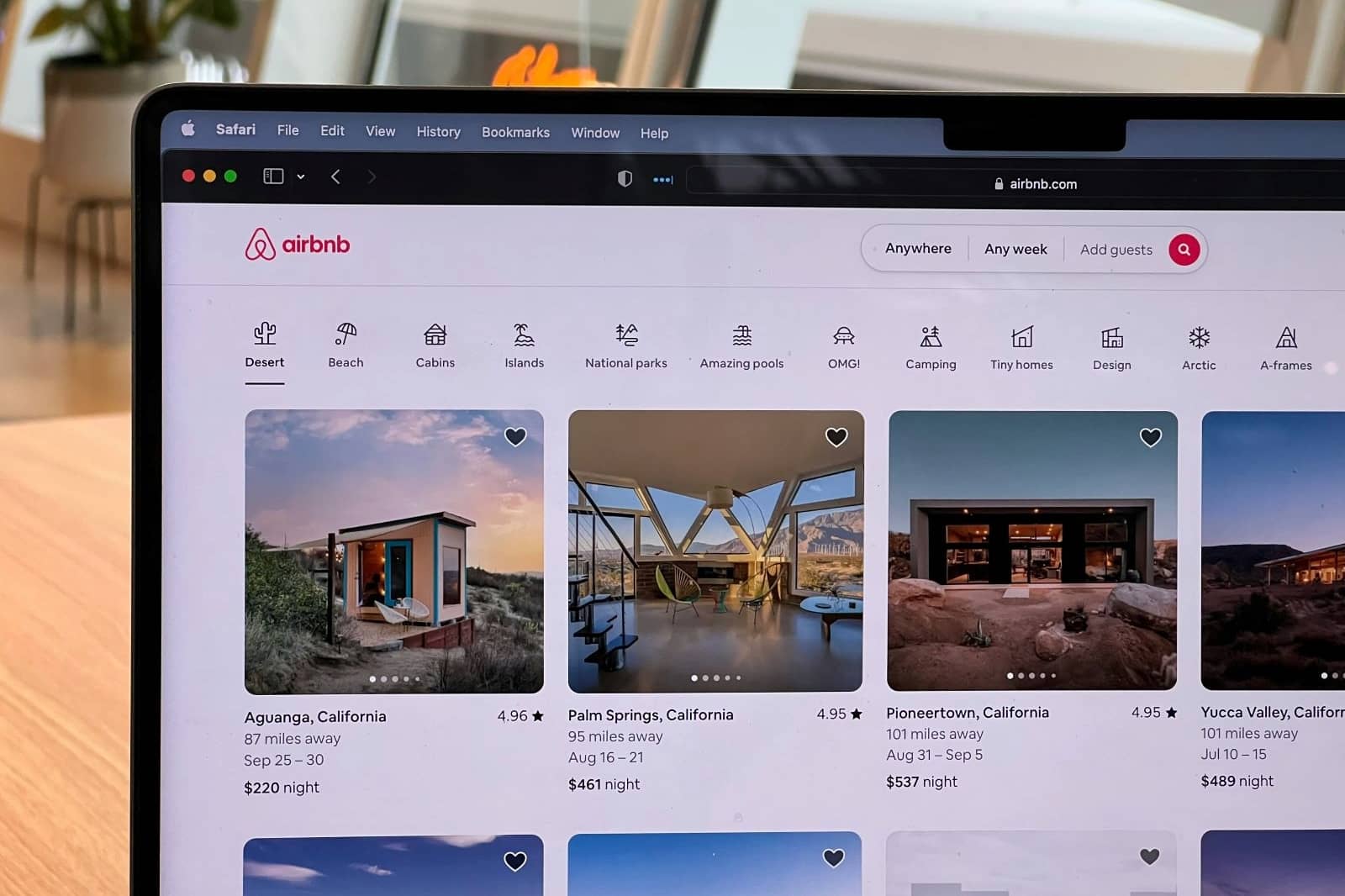
When guests save multiple properties to a wishlist, they will now receive an AI-generated comparison that transcends a simple table of amenities. This personalized comparison will highlight key differences and articulate a compelling case for each property based on its most relevant attributes, review themes, and unique selling points, all contextualized for the specific traveler.
This elevates the competitive arena beyond mere price or star ratings. Hosts are now competing on how effectively Airbnb’s AI can champion their listing against others. Properties that offer richer, more detailed, and more nuanced data are inherently better positioned to "win" these AI-generated comparisons and secure the booking.
Strategic Implications for Hosts and Property Managers
The strategic implications of these AI advancements are far-reaching for both individual hosts and professional property managers. The era of passive listings, where a basic presence was sufficient, is drawing to a close. Properties that actively provide the AI with abundant, high-quality data will be the ones that thrive.
For hosts, this means treating listing descriptions, photo captions, amenity details, and even house manuals as crucial training data for the booking engine. Vague or superficial content will yield similarly vague or unappealing results. Conversely, specific, rich, and multi-dimensional content will be more effectively surfaced to the right guests at the opportune moment.
Property managers will need to recalibrate their review strategies. Encouraging detailed, attribute-specific feedback from guests is no longer solely about achieving high star ratings. Reviews that explicitly mention aspects like high-speed Wi-Fi, the tranquility of the street, or proximity to popular attractions are now indexable and searchable content that the AI can leverage. Post-checkout guest communication should be designed to elicit these specific details.
Furthermore, the approach to photography must evolve. Beyond aesthetically pleasing images, hosts need to provide functionally informative visuals. Photos should answer common guest questions, showcasing aspects like the workspace setup, the backyard ambiance, or available parking. Airbnb’s AI can now reference these images to provide real-time responses to guest inquiries, making visual content a critical component of the AI’s persuasive capabilities.
The Broader Context: Data as the New Currency in Travel
The strategic direction evident in Airbnb’s Summer 2026 release is a culmination of Chesky’s long-term vision: to build the most comprehensive data profile of guests and hosts in the travel industry and then activate that data. The platform has reached a critical mass of data density across guest profiles, property characteristics, and booking patterns, enabling personalization at a scale that individual hosts or managers could never replicate manually.
The good news for established hosts is that this data advantage is built upon their own contributions—their reviews, their photos, their listing details. Hosts who have invested in creating rich, detailed, and honest listings over the years now possess a significant competitive asset. Conversely, those who treated their listings as a mere formality are now at a distinct disadvantage.
This presents a critical juncture for all participants in the Airbnb ecosystem. A comprehensive audit of listings is now essential, focusing not just on aesthetics but on informational depth. Hosts should critically assess which attributes remain undescribed, which guest questions their photos could better answer, and which review themes are currently underrepresented. The booking algorithm has become significantly more sophisticated, and the content of listings must evolve to match its capabilities.
Before undertaking any revisions, it is crucial for hosts to understand their current market standing. Leveraging data analytics tools that provide insights into neighborhood-level occupancy rates, average daily rates, and competitor performance can ground optimization decisions in empirical evidence rather than guesswork. This allows for informed strategic adjustments, ensuring that efforts are directed towards the most impactful areas for improvement.
Conclusion: The Algorithm as the New Sales Force
Airbnb has fundamentally personalized the booking process, transforming its platform into a dynamic engine that builds a real-time case for or against a property for every potential guest. The AI now acts as a sophisticated sales representative, leveraging the wealth of data provided by hosts to influence booking decisions.
Hosts and property managers who recognize their listing content as a strategic asset will undoubtedly secure more bookings. Those who fail to adapt risk becoming increasingly invisible, not due to inferior properties, but due to the scarcity of compelling data presented to the AI. The algorithm is now doing the heavy lifting of selling, and ensuring it has sufficient, high-quality information to work with is paramount for success in this evolving landscape.

