
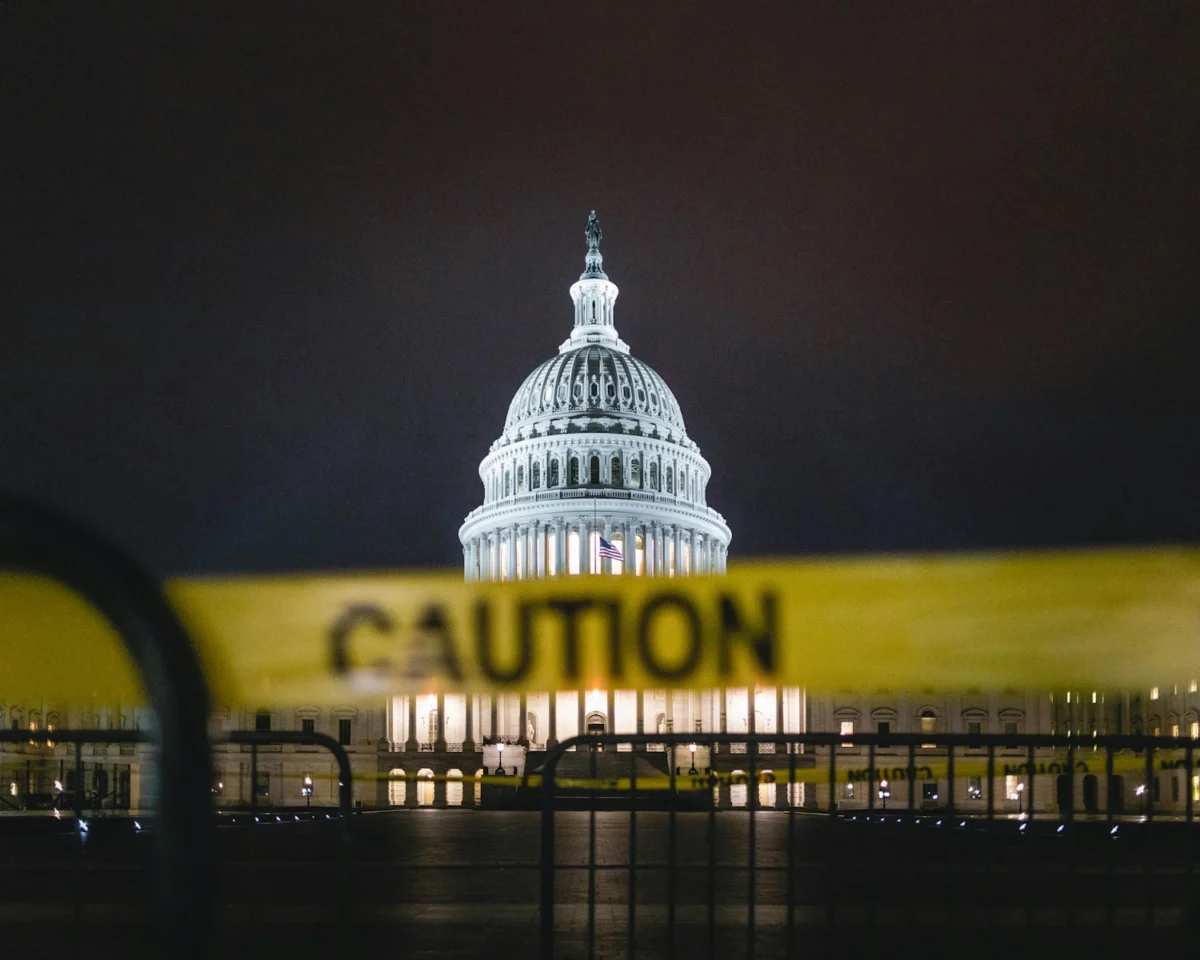
The operational stability of the Consumer Financial Protection Bureau (CFPB), the federal agency tasked with safeguarding consumers in the financial marketplace, remains in jeopardy as a protracted legal battle over its unique funding structure continues to unfold through 2026. This ongoing judicial scrutiny threatens to disrupt the agency’s critical functions, including its robust complaint resolution system, which processed a record 6.6 million consumer grievances in 2025. With a pivotal appeal pending before the Ninth Circuit, the future of this essential consumer watchdog hangs in the balance, prompting concerns across regulatory bodies, consumer advocacy groups, and the financial industry alike.
The Crucible of Funding: A Deep Dive into the CFPB’s Unique Structure
The current funding dispute is not an isolated incident but the latest chapter in a series of challenges to the CFPB’s independence, stemming from its inception following the 2008 financial crisis. Established by the Dodd-Frank Wall Street Reform and Consumer Protection Act of 2010, the CFPB was designed with a specific, and deliberately unconventional, funding mechanism. Unlike most federal agencies that rely on annual appropriations from Congress, the CFPB draws its funding directly from the Federal Reserve, up to a statutory cap adjusted for inflation. This structure was intended by its architects, most notably Senator Elizabeth Warren, to insulate the agency from political pressures and ensure its ability to act as an effective, independent watchdog against predatory financial practices. The rationale was that agencies subject to the annual appropriations process often find their enforcement capabilities curtailed by political wrangling, leaving consumers vulnerable. Other financial regulators, such as the Federal Reserve itself, the Office of the Comptroller of the Currency (OCC), and the Federal Deposit Insurance Corporation (FDIC), also operate outside the congressional appropriations process, funded by fees or assessments on the institutions they supervise, lending precedent to the CFPB’s design.
However, this insulation has been a perennial point of contention for critics, predominantly conservative lawmakers and financial industry groups, who argue that it grants the CFPB excessive power without sufficient congressional oversight or accountability. Previous legal challenges have targeted the agency’s single-director structure, culminating in the 2020 Supreme Court case Seila Law LLC v. CFPB, which ruled the director was unconstitutionally insulated from presidential removal. While that ruling affirmed the agency’s overall constitutionality, it mandated that the director be removable at will by the President, somewhat diminishing its intended independence. The current battle over funding revives these fundamental questions about the agency’s autonomy and its place within the federal government’s checks and balances.
Chronology of the 2026 Funding Fight
The latest iteration of the CFPB’s funding saga gained significant momentum in early 2026, building upon actions initiated during the Trump administration. The dispute centers on whether the CFPB must actively request its allocated funds from the Federal Reserve, or if the funds are automatically disbursed.
- March 13, 2026: Judge Edward Davila’s Ruling: In a landmark decision, U.S. District Judge Edward Davila ruled against the arguments made by former acting Director Russell Vought during the Trump administration. Vought had asserted that the CFPB could bypass its routine funding request, citing the Federal Reserve’s own non-profit status. Judge Davila unequivocally disagreed, finding that Vought’s decision violated federal law. His order mandated that the CFPB must continue to formally request the necessary funding to sustain its operations, without an expiration date on this directive. This ruling underscored the judicial branch’s interpretation that while the funding source is external to congressional appropriations, the process of acquiring those funds still involves a formal request.
- May 2026: Ninth Circuit Appeal Initiated: The CFPB, under its current leadership, promptly appealed Judge Davila’s ruling to the Ninth Circuit Court of Appeals. This appeal mechanism is a standard legal procedure, but its outcome carries immense weight for the agency’s operational future. A reversal by the Ninth Circuit could validate the argument that the CFPB is not obligated to formally request funds, potentially paving the way for a more direct, automatic disbursement process that critics argue would further reduce accountability.
- September 28, 2026: Oregon Federal Court Delivers Another Setback: While the Ninth Circuit appeal was pending, a separate legal challenge produced another significant ruling against the CFPB’s funding interpretation. A federal court in Oregon, responding to a lawsuit brought by a coalition of state attorneys general (including Minnesota’s), ruled against the current acting director, Mark Paoletta. The court similarly ordered Paoletta to request the necessary funding from the Federal Reserve. This second, independent judicial decision, echoing Judge Davila’s stance, reinforced the legal interpretation that the CFPB’s funding, though derived from the Federal Reserve, is not entirely automatic and requires formal procedural steps. The involvement of state attorneys general in this case highlights the broad concern among state-level consumer protection offices about the potential disruption to the CFPB’s operations.
These two distinct judicial rulings, originating from different cases and jurisdictions, collectively represent a clear legal consensus, at least at the district court level, that the CFPB’s funding mechanism requires active requests to the Federal Reserve. The consistency of these decisions underscores the legal precariousness of the agency’s previous attempts to circumvent the formal request process.
The CFPB’s Indispensable Role: Beyond Complaint Management
While the ongoing legal battles dominate headlines, the CFPB continues its critical work, serving as a vital bulwark against financial misconduct. Its functions extend far beyond merely processing complaints, encompassing a broad mandate to make markets work for consumers.
- Complaint Resolution Engine: At its core, the CFPB operates a centralized complaint system that allows consumers to report issues with banks, lenders, debt collectors, credit reporting agencies, and other financial service providers. The agency then forwards these complaints to the relevant companies and monitors their responses. This system serves as a crucial feedback loop for consumers who might otherwise struggle to resolve disputes with large financial institutions. In 2025, the CFPB processed an astounding 6.6 million complaints, more than double the 3.2 million recorded in 2024. This dramatic increase underscores the growing reliance of consumers on the agency. A staggering 88% of these complaints pertained to credit and consumer reporting issues, a category that has topped the list for five consecutive years. These often originate from seemingly minor but financially impactful issues: a missed refund, an erroneously denied dispute, or an unexpected fee. The CFPB’s 2025 Consumer Response Annual Report detailed that the Bureau forwarded over 5.9 million complaints to more than 4,000 companies, with 97% sent within one business day and 99.6% receiving timely responses. This efficiency is paramount; a shutdown would not merely delay paperwork but dismantle the most effective federal channel for consumer redress.
- Enforcement Actions: Beyond individual complaints, the CFPB also conducts investigations and takes enforcement actions against companies that violate consumer financial laws. These actions often result in significant penalties, restitution for harmed consumers, and mandates for companies to change their practices. For example, in 2023 alone, the CFPB’s enforcement actions secured approximately $3.7 billion in consumer relief and civil penalties. These actions deter widespread misconduct and ensure compliance with federal regulations.
- Rulemaking and Guidance: The agency is empowered to write and enforce rules that govern various financial products and services, including mortgages, credit cards, student loans, and payday loans. This proactive rulemaking establishes clear standards for the industry, preventing harmful practices before they become widespread. It also provides crucial guidance to businesses, helping them understand and comply with complex financial regulations.
- Research and Data Collection: The CFPB collects vast amounts of data on consumer financial markets, which informs its rulemaking, enforcement activities, and public policy recommendations. This data helps identify emerging risks and vulnerabilities for consumers, allowing the agency to respond proactively.
Implications of a Funding Interruption: A Domino Effect
Should the Ninth Circuit appeal reverse the lower court rulings and side with the administration’s funding theory, allowing the CFPB to cease requesting funds from the Federal Reserve, the consequences for consumer protection could be severe and far-reaching.
- Crippled Operations: Without a clear, mandated funding stream, the CFPB would be forced to drastically scale back its operations. This would inevitably lead to a reduction in staff, a slowdown or cessation of complaint processing, and a significant curtailment of enforcement and rulemaking activities. Millions of pending complaints, particularly those related to debt collection, credit cards, and mortgages, would be left in limbo, depriving consumers of their primary federal avenue for recourse.
- Erosion of Consumer Trust and Protection: A weakened CFPB would signal a retreat from robust consumer protection, potentially emboldening unscrupulous actors in the financial industry. Consumers, left without a reliable federal champion, would face greater challenges in disputing errors, addressing predatory practices, and securing fair treatment. This erosion of trust could have long-term consequences for the stability and integrity of the financial system.
- Burden on State Attorneys General: State attorneys general currently rely heavily on the CFPB’s data, research, and enforcement actions to inform their own consumer protection efforts. The CFPB’s complaint database, for instance, serves as an early warning system for identifying patterns of fraud or abusive lending practices that transcend state lines. A defunded CFPB would leave a significant void, forcing states to take on a greater oversight burden without necessarily having the equivalent staff, budget, or jurisdictional reach to do so effectively. This could lead to a fragmented and inconsistent regulatory landscape, with varying levels of protection depending on the state.
- Uncertainty for the Financial Industry: While some segments of the financial industry might initially welcome reduced oversight, a chaotic regulatory environment ultimately harms legitimate businesses. A weakened CFPB could lead to a patchwork of state regulations, increased reputational risks from unaddressed consumer grievances, and an uneven playing field. Clear, consistent federal rules are often preferred by large institutions that operate across state lines.
Statements and Reactions from Key Stakeholders
While no explicit statements were provided in the original text for 2026, logical inferences can be made based on the roles and historical positions of various parties:
- Consumer Advocacy Groups: Organizations like Consumer Reports, the National Consumer Law Center, and Public Citizen would likely express grave alarm. They would emphasize the CFPB’s critical role in protecting vulnerable consumers and warn of the potential for increased financial exploitation if the agency’s funding is jeopardized. They would highlight the rising complaint numbers as evidence of the CFPB’s necessity.
- State Attorneys General: As evidenced by their involvement in the Oregon lawsuit, state attorneys general would reiterate their reliance on the CFPB’s federal enforcement capabilities and data-sharing. They would likely issue statements underscoring the potential for a regulatory vacuum that states are ill-equipped to fill independently, stressing the need for a strong, federally funded CFPB.
- Financial Industry Associations: Reactions from financial industry groups, such as the American Bankers Association or the U.S. Chamber of Commerce, would likely be more nuanced. While some might privately welcome a scaling back of regulatory oversight, public statements would likely emphasize the importance of regulatory clarity and the need for a stable, predictable framework. They might also express concerns about the potential for increased state-level enforcement or class-action lawsuits if a federal channel for consumer redress is weakened.
- Legal Scholars and Constitutional Experts: Constitutional law experts would likely weigh in on the implications of the funding dispute for the separation of powers and the design of independent agencies. Discussions would center on whether the CFPB’s unique funding mechanism truly oversteps constitutional bounds or if it represents a legitimate exercise of congressional power to create an effective regulatory body.
Protecting Yourself Amidst the Uncertainty
The ongoing legal battles, while significant, should not paralyze consumers. Proactive steps can be taken to safeguard financial well-being, regardless of the CFPB’s ultimate funding outcome.
- Direct Dispute with Credit Bureaus: The most immediate action for credit reporting errors is to dispute them directly with the three major credit bureaus: Equifax, Experian, and TransUnion. This process is mandated by the Fair Credit Reporting Act (FCRA) and does not depend on the CFPB’s funding. Consumers should send disputes in writing, preferably certified mail, detailing the error and providing supporting documentation.
- Maintain Meticulous Records: Keep comprehensive copies of all correspondence, emails, screenshots, and phone call logs related to any financial dispute. A robust paper trail is invaluable evidence, whether dealing directly with a company, involving a state attorney general, or pursuing legal action.
- Build an Emergency Fund: A financial cushion provides crucial breathing room. An emergency fund allows consumers to cover unexpected charges or disputed bills without incurring high-interest debt, giving them time to resolve the underlying issue. This financial resilience is particularly important when federal recourse mechanisms are uncertain.
- Contact State Attorneys General and FTC: If direct disputes prove ineffective, or if the CFPB’s services are compromised, consumers can turn to their state attorney general’s consumer protection office. These offices have jurisdiction over many consumer issues and often work in conjunction with federal agencies. The Federal Trade Commission (FTC) also accepts complaints about lenders, debt collectors, and credit reporting errors and can offer guidance.
- Stay Informed: The legal landscape surrounding the CFPB is dynamic. Consumers should monitor reputable news sources and the CFPB’s official newsroom page for updates on court rulings, as a Ninth Circuit reversal or further judicial intervention could quickly alter the operational timeline.
Frequently Asked Questions About the CFPB Shutdown (Updated October 2026)
- Is the CFPB Shutting Down Right Now? No. As of October 2026, federal courts have repeatedly ordered the CFPB to continue requesting its funding from the Federal Reserve. The agency remains open and operational while an appeal proceeds at the Ninth Circuit.
- What Happens to My Complaint If the CFPB Loses Funding? A loss of funding could severely impact the agency’s ability to process new complaints or continue work on existing ones. While complaints already filed would likely remain in the system, the staff available to process them could shrink dramatically, leading to significant delays or a complete halt in resolution efforts.
- Who Is Mark Paoletta? Mark Paoletta is the CFPB’s current acting director. A federal court in Oregon, on September 28, 2026, issued an order specifically directing him to request funding from the Federal Reserve.
- Can I Still File a Complaint With the CFPB Today? Yes. The CFPB’s official complaint portal remains open, and the agency is legally mandated to request funding and continue its operations during the appeal process.
- What Should I Do if the CFPB Cannot Help Me? If the CFPB’s capacity is compromised or if you seek alternative avenues, contact your state attorney general’s consumer protection division or the Federal Trade Commission (FTC). Both agencies accept complaints about financial service providers, including lenders, debt collectors, and credit reporting errors.
Concluding Thoughts
The uncertainty surrounding the CFPB’s funding is a stark reminder of the fragile nature of regulatory oversight and the critical importance of a robust federal agency dedicated to consumer protection. For an agency responsible for handling millions of complaints annually and enforcing vital financial regulations, the prospect of operational disruption is unsettling. While courts continue to deliberate on the nuances of its funding mechanism, consumers possess the agency to protect their own financial interests. By actively disputing errors, maintaining meticulous records, building financial resilience, and knowing alternative avenues for recourse, individuals can navigate this period of regulatory flux. The ultimate resolution of this legal saga will not only shape the future of the CFPB but also set precedents for the independence and effectiveness of federal regulatory bodies for years to come.
Photo by Andy Feliciotti: Unsplash

