
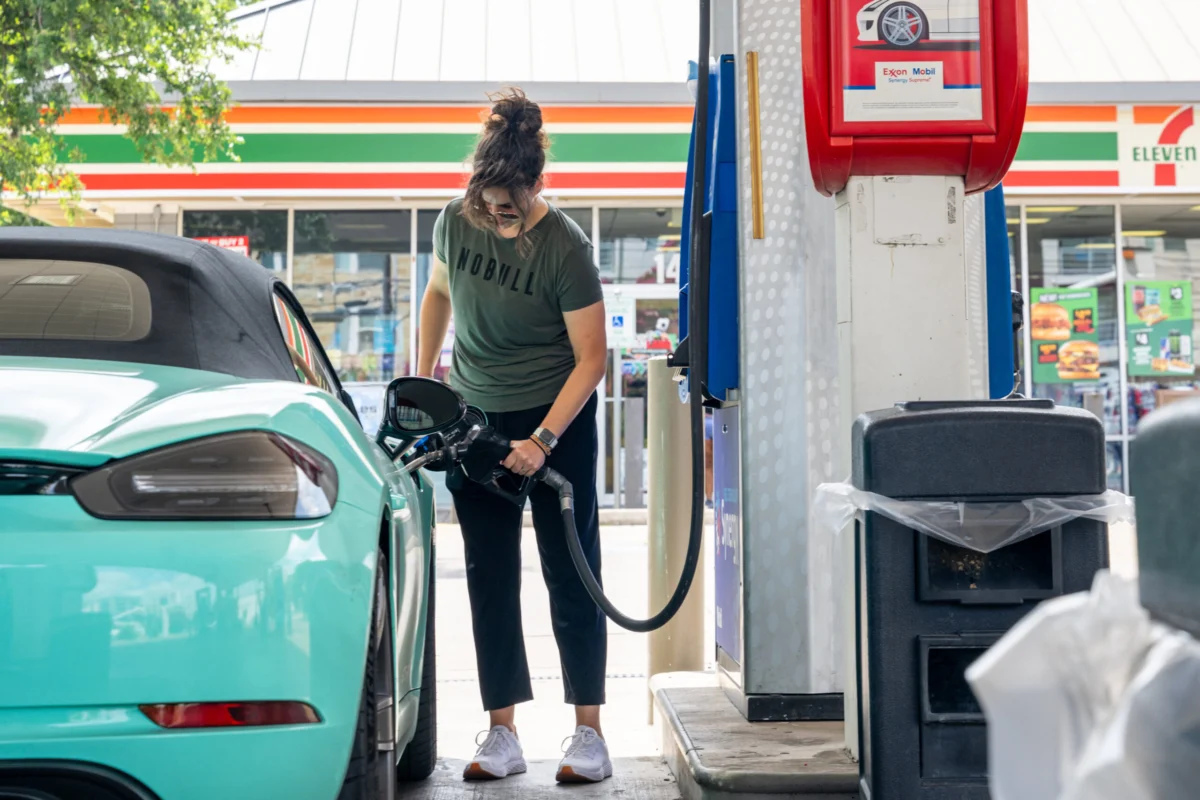
For the first time since July, the national average price of regular gasoline has fallen below the critical $4-a-gallon threshold, reaching $3.9788 on Tuesday, according to data from AAA. This marks a notable reprieve for American consumers, with prices down approximately 17 cents from a week prior and nearly 39 cents compared to a month ago. The considerable decline is largely attributed to a significant slowdown in energy inflation and a sharp retreat in global crude oil prices, fueled by hopes for a de-escalation of geopolitical tensions in the Middle East.
The Retreat from Peak Prices: A Chronology of Energy Costs
The journey to this current price relief has been marked by significant volatility throughout the year. Following a period of elevated prices stemming from a confluence of post-pandemic demand recovery, supply chain disruptions, and the escalating conflict in Ukraine earlier in the year, American motorists faced unprecedented pump prices. During the summer months, the national average soared, with some regions experiencing prices well over $5 per gallon, putting immense pressure on household budgets and contributing significantly to broader inflationary pressures.
As recently as September, energy prices witnessed a substantial surge of 5.2% month-over-month, according to the Bureau of Labor Statistics (BLS). The BLS’s gasoline index alone advanced a striking 9.1% during that month, underscoring the rapid escalation of fuel costs just weeks prior. This spike reignited concerns about persistent inflation and its potential to derail economic stability.
However, October brought a dramatic shift. Energy inflation slowed considerably, increasing by only 0.7% during the month—a stark contrast to September’s surge. Concurrently, the gasoline index’s advance decelerated sharply to just 1% over the month, signaling a cooling trend that has now manifested in tangible price drops at the pump. This rapid reversal has offered a glimmer of hope that inflationary pressures, particularly those driven by energy, may be beginning to ease.
Global Dynamics: Oil Markets and Geopolitical Undercurrents
The immediate catalyst for the current price decline is inextricably linked to developments in the global crude oil markets. International oil benchmark Brent crude on Tuesday briefly fell below $90 a barrel, marking its first dip below this level since August. This significant price movement reflects shifting perceptions of supply and demand, heavily influenced by geopolitical factors.
A primary driver behind this retreat in crude oil prices has been renewed optimism surrounding a potential de-escalation of the nearly nine-month conflict between Washington and Iran. Comments from U.S. President Donald Trump regarding the situation fueled hopes for a diplomatic resolution or at least a reduction in hostilities, which traditionally eases the geopolitical risk premium embedded in oil prices. The Middle East, being the world’s most critical oil-producing region, makes any hint of instability or, conversely, stability, reverberate immediately across global energy markets.
Further contributing to the easing of supply concerns is the reported recovery of oil flows from the Persian Gulf. According to ING, regional crude exports, including pipeline shipments, have returned to an estimated 80% to 85% of pre-war levels. This recovery signifies a substantial increase in available supply to the global market, directly counteracting fears of shortages that have kept prices elevated. Analysts at ING underscored this sentiment, stating, "Energy markets remain under pressure as hopes for a de-escalation in the Middle East reduce geopolitical risk premiums. Oil extended its losses as Gulf supply flows continued to recover, while European gas also moved lower."
Beyond immediate geopolitical factors, the broader global economic outlook also plays a role. Concerns about a potential global economic slowdown, exacerbated by aggressive interest rate hikes from central banks worldwide, have tempered demand forecasts for crude oil. A slowdown in major economies, particularly China with its strict COVID-19 policies impacting industrial activity and travel, can lead to lower oil consumption, thereby exerting downward pressure on prices.
The Seasonal Factor: A Predictable Pattern
While geopolitical developments and crude oil price movements are significant drivers, a portion of the recent relief at the pump is also attributed to seasonal patterns. Bespoke Investment Group highlighted this cyclical trend, noting, "While lower oil prices have been a tailwind for the relief at the pump, it’s also perfectly normal for gas prices to be falling at this time of year, so if they weren’t, there would really be something wrong."
Historically, gasoline demand tends to wane after the summer driving season concludes. As cooler weather sets in, vacation travel decreases, and daily commutes may become less frequent due to remote work trends or simply less leisure driving. Furthermore, refineries typically transition from producing more expensive summer-blend gasoline to winter-blend gasoline, which is generally cheaper to produce due to less stringent evaporative emissions requirements. This shift in production, coupled with reduced demand, often contributes to a predictable dip in prices during the late autumn and early winter months. Understanding this seasonal component helps differentiate between temporary relief and more fundamental shifts in the energy market.
Broader Economic Implications: Inflation’s Grip and Monetary Policy
The decline in gasoline prices carries significant implications for the broader economy, particularly regarding the ongoing battle against inflation. Energy costs are a substantial component of the Consumer Price Index (CPI), which the Federal Reserve closely monitors to gauge inflationary trends. When energy prices rise, they not only directly increase the cost of living for consumers but also feed into the costs of transportation, manufacturing, and goods production across various sectors, creating a ripple effect throughout the economy.
The substantial slowdown in energy inflation from 5.2% to 0.7% month-over-month is therefore a welcome development for policymakers. It suggests that one of the most persistent and volatile components of inflation may be moderating, potentially paving the way for a broader deceleration in the overall inflation rate. This could alleviate some of the pressure on the Federal Reserve, which has been aggressively raising interest rates to combat soaring prices.
However, Federal Reserve Governor Christopher Waller offered a cautionary note on Tuesday, warning that energy shocks may have more persistent effects on inflation than they did before the pandemic. "While I am pleased to see energy prices down from their high rates over the past week or so, they are still quite elevated relative to the start of the year, and the ultimate effect on inflation will depend on what levels are sustained," he stated. Waller’s comments underscore the Fed’s cautious approach, recognizing that while immediate relief is positive, the long-term trajectory of inflation remains uncertain, especially given the inherent volatility of energy markets and the potential for renewed geopolitical flare-ups. The central bank’s commitment to price stability means that sustained lower energy prices would be crucial for them to consider a less aggressive stance on interest rate hikes in the future.
Consumer and Business Impact: A Breath of Fresh Air
For millions of American households, the drop below $4 a gallon translates directly into tangible savings. A typical American driver consuming approximately 500-600 gallons of gasoline annually could save hundreds of dollars over the coming months if these lower prices hold. This increased disposable income could lead to a boost in consumer confidence and discretionary spending, particularly as the holiday shopping season approaches. Families who have been tightening their belts due to high fuel costs might now find a little more room in their budgets for other essentials or even non-essential purchases, providing a potential stimulus to retail sectors.
Businesses, particularly those heavily reliant on transportation and logistics, also stand to benefit significantly. Trucking companies, airlines, ride-sharing services, and any enterprise with a substantial fleet of vehicles will see their operating costs decrease. These savings can either be passed on to consumers through lower prices for goods and services, further dampening inflation, or they can improve profit margins, which could encourage investment and hiring. The easing of input costs across the supply chain can reduce the inflationary pressure that has been building up over the past year, contributing to a more stable economic environment.
Regional Variations and the Path Ahead
While the national average provides a broad overview, it’s important to note that gasoline prices often vary significantly by region and state due to factors such as local taxes, refinery locations, and transportation costs. States like California, for instance, typically experience higher prices due to stricter environmental regulations and higher fuel taxes, often remaining above the national average even during periods of decline. Conversely, states in the Gulf Coast region, closer to major refining hubs, often enjoy some of the lowest prices.
Looking ahead, the stability of these lower prices is not guaranteed. The energy market remains susceptible to a variety of factors that could trigger a rebound. Any renewed escalation of geopolitical tensions in the Middle East or other key oil-producing regions could quickly send crude oil prices soaring again. Unexpected disruptions to supply, such as severe weather events impacting production or refining capacity, could also have an immediate effect. Furthermore, a stronger-than-expected rebound in global economic growth could lead to increased demand, potentially outstripping supply and pushing prices higher.
Analysts will continue to closely monitor global oil inventories, OPEC+ production decisions, and the evolving geopolitical landscape. The ongoing transition to renewable energy sources and electric vehicles also represents a long-term shift that could gradually reduce overall demand for gasoline, but its immediate impact on short-term price volatility is limited. For now, American motorists can breathe a collective sigh of relief, savoring the first sub-$4 national average since summer, a welcome development that offers a much-needed respite for household budgets and a hopeful sign in the broader fight against inflation.

