
The global financial landscape has been gripped by unprecedented turbulence in early 2025, with the United States stock market experiencing a dramatic roller coaster ride directly attributed to an escalating trade war characterized by the imposition of significant tariffs. Following a multi-year bull run that culminated in February 2025, the market entered a period of extreme volatility, witnessing historic drops of up to 20% in value, only to rebound sharply, currently hovering near its previous peaks. This remarkable oscillation has left investors and businesses alike grappling with profound uncertainty, as the unpredictable nature of current trade policies sends ripples across international commerce.
A Volatile Spring: The Market’s Wild Ride
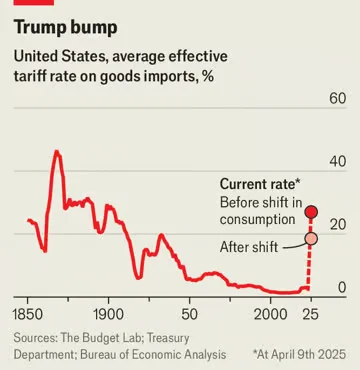
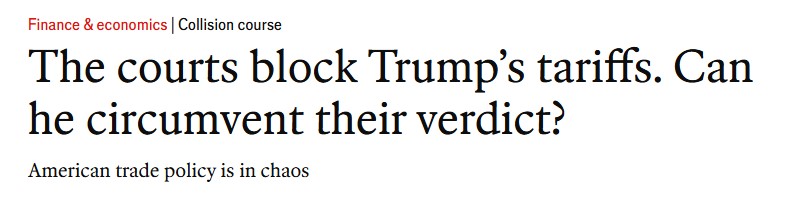
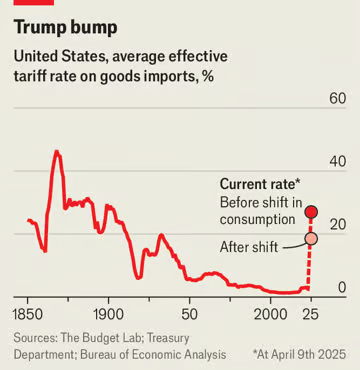
The first quarter of 2025 concluded with a robust market, capping a period of sustained growth. However, the optimism proved fleeting. As March transitioned into April, a series of aggressive tariff announcements by the U.S. administration, particularly a dramatic declaration on April 2nd dubbed "Liberation Day," sent shockwaves through global markets. This single event triggered the steepest single-day market decline since 1932, a stark indicator of investor apprehension. The subsequent weeks saw a tug-of-war between renewed tariff threats and occasional de-escalations, each pivot directly correlated with significant market swings. When tariffs were announced or heightened, share prices plummeted; when concessions or pauses were signaled, markets rallied. This pattern underscores the market’s sensitivity to trade policy and highlights the perceived fragility of the current economic environment. Despite the dramatic dips, by early June 2025, the major U.S. indices, including the S&P 500 and the Dow Jones Industrial Average, had largely recovered, approaching their all-time highs. This recovery, however, exists in stark contrast to the persistent high level of tariffs, which remain approximately seven times higher than pre-crisis levels, suggesting an underlying investor belief that a resolution to the trade disputes is ultimately forthcoming.
Understanding Tariffs: A Fundamental Economic Mechanism
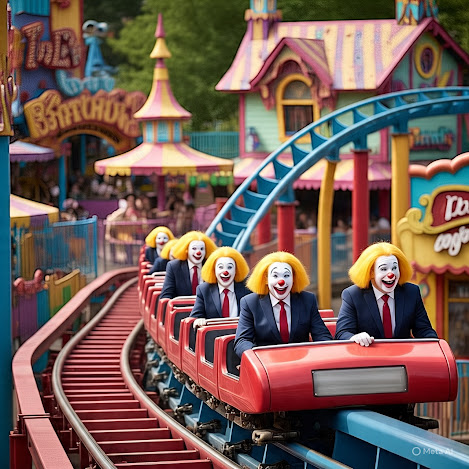
At its core, a tariff is a tax levied by a government on imported goods. While often framed as a foreign imposition, the economic reality is that tariffs are predominantly borne by domestic consumers and businesses. When a U.S. entity, whether an individual purchasing an e-bike from China or a multinational corporation like Amazon or Apple importing vast quantities of products, brings goods into the country, they are responsible for paying this import tax. These increased costs are invariably passed down the supply chain, culminating in higher retail prices for the end consumer. For instance, if tariffs are applied to components like steel, copper, or lumber, the cost of construction projects for businesses like Home Depot or Chevron, and even the price of residential housing, will inevitably rise. In essence, tariffs function as a broad-based sales tax, increasing the overall cost of goods and services within the domestic economy.
Historically, the United States, particularly since the post-World War II era and the establishment of international trade agreements like GATT (General Agreement on Tariffs and Trade) and later the World Trade Organization (WTO), has generally pursued a policy of low tariffs and free trade. This approach has been widely credited with fostering global economic growth, promoting efficiency through comparative advantage, and offering consumers a wider array of affordable goods. The current tariff regime marks a significant departure from this long-standing policy, introducing a level of trade protectionism not seen in decades.
The Dual-Edged Sword of Protectionism
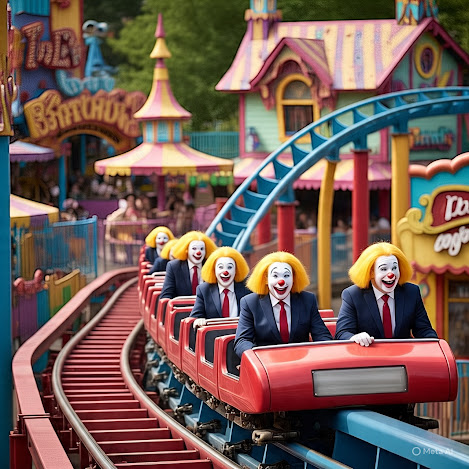
While tariffs are primarily recognized for their potential to increase consumer costs and slow economic activity, proponents often argue for their strategic utility. One primary justification is the protection of domestic industries. By making imported goods more expensive, tariffs can give a competitive advantage to domestically produced alternatives. For example, a tariff on imported automobiles might boost sales for American car manufacturers like General Motors, potentially leading to increased production, job creation, and investment in new technologies. This strategy can be deemed "strategic" when applied to sectors vital for national security, such as aerospace or defense, ensuring domestic capabilities.
However, the economic consensus among most economists leans towards extreme caution in using tariffs. The perceived benefits often come with significant hidden costs and unintended consequences. While a protected industry might thrive, consumers face higher prices and reduced choice. Furthermore, the lack of foreign competition can diminish the incentive for domestic industries to innovate, streamline operations, or improve product quality. The ripple effect across the economy is also considerable: higher vehicle prices, for instance, translate to increased operational costs for logistics companies like Amazon, which then pass these costs onto their customers. This cascading effect makes the entire economy less efficient, potentially stifling innovation and growth in other sectors.
A notable example of this complex interplay is the previous administration’s tariffs on imported solar panel components, which the current administration has further escalated. While ostensibly aimed at boosting domestic solar manufacturing, these tariffs raise the cost of solar energy installation, slowing the adoption of a technology that offers cheap, clean power and significant long-term economic benefits. This illustrates a critical economic principle: blocking the free flow of efficient goods can hinder overall national wealth and productivity.
The Political Calculus Behind Tariffs
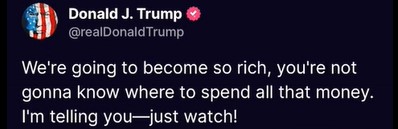
The current administration’s fervent embrace of tariffs has perplexed many economic observers, particularly given their widely acknowledged negative economic impacts. The stated rationale often centers on the idea that tariffs will somehow make the nation "wealthier" by prioritizing domestic production and forcing other countries to negotiate more favorable trade terms. This perspective, however, tends to focus solely on first-order effects – like increased hiring in a protected industry – while largely disregarding the broader economic inefficiencies and increased costs borne by the rest of the economy.
A prevailing theory among analysts is that the tariffs are primarily a negotiating tactic, a tool for political leverage rather than a pure economic strategy. By imposing tariffs, the administration aims to extract concessions from trading partners, or to signal strength to a domestic political base that perceives foreign trade as detrimental. The frequent, almost daily, adjustments and threats of further tariffs, often communicated directly through social media or public statements, contribute to extreme market uncertainty but serve to keep adversaries and allies alike on edge.
This approach also raises significant constitutional questions regarding the balance of power. The U.S. Constitution outlines a system of checks and balances, with legislative authority typically resting with Congress. However, presidents have historically sought to expand executive power in trade matters, often citing national security or emergency provisions. The current administration’s unilateral imposition and modification of tariffs have spurred legal challenges, with courts beginning to scrutinize the extent of presidential authority in this domain. This legal battle represents a critical test for the constitutional framework, determining whether the system can reassert its balance against perceived executive overreach.
The Lag Effect: Why Consumers Haven’t Felt the Full Impact Yet
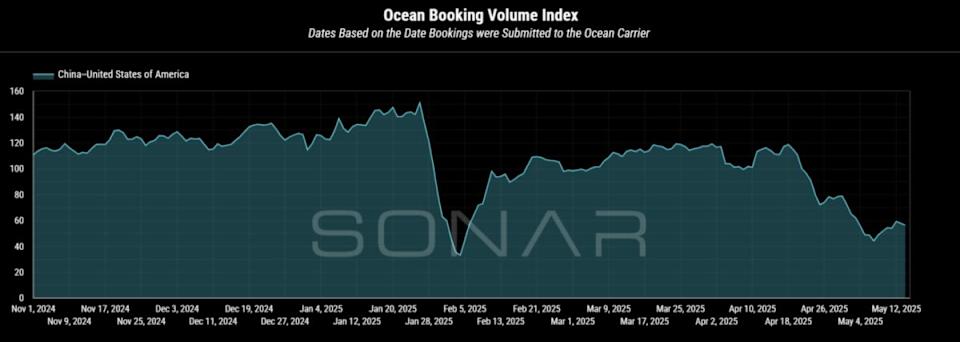
Despite the significant increase in tariff rates, many consumers have yet to experience a dramatic surge in prices. This delay is largely attributable to the inherent inertia of the global supply chain and the strategic actions of importers. The U.S. economy, functioning like a massive cargo ship, possesses substantial existing inventory for most goods, often several months’ worth. Anticipating the implementation of tariffs, many importers strategically accelerated their orders, stockpiling goods to mitigate future cost increases.
Data from shipping indices, such as the Freightwaves Ocean Shipping Index (OSI), reveal a significant drop in new imports following the tariff implementations. While existing stockpiles are being drawn down, this trend indicates a reduction in the inflow of cheaper foreign goods. Economists predict that if the current tariff regime persists, these inventories will eventually deplete, leading to widespread shortages and noticeable price increases across various consumer goods by late summer or fall 2025. While the absence of certain "plastic party trinkets" might be a minor inconvenience, a sustained reduction in access to essential tools, machinery, and industrial components could have far more severe economic consequences.
Pathways Forward: Scenarios for Resolution
The current trade standoff presents two primary pathways for resolution, each with distinct economic implications:
-
High Tariffs Persist: This scenario, while deemed less likely by many market participants, would entail the current elevated tariffs becoming a permanent fixture of U.S. trade policy. The immediate consequences would likely include a period of significant economic contraction, potentially leading to a recession characterized by inflation and reduced consumer spending power. While domestic industries might see some growth due to reduced foreign competition, this would be offset by increased production costs and diminished efficiency. The U.S. economy could become more insular, leading to strained international relations and potentially escalating retaliatory tariffs from other nations, further isolating American businesses. Such a prolonged state could also exacerbate the constitutional power struggle, challenging the long-term stability of democratic governance in economic policy.
-
Tariffs as a Negotiating Tactic: The more optimistic, and currently favored, scenario among investors posits that the tariffs are primarily a bargaining chip, designed to extract concessions from trading partners. Under this outcome, the administration would eventually de-escalate the trade war, returning to a policy framework of mostly low tariffs and free trade. The short-term economic pain and market volatility would eventually give way to a resumption of stable global trade, allowing supply chains to normalize, prices to stabilize, and economic growth to resume its pre-crisis trajectory. This scenario aligns with the broad economic principle that free exchange of goods and services among nations fosters mutual prosperity, much like open trade within the United States’ 50 states fuels its vast economy.
The Enduring Lesson: Beyond the Headlines
The market’s resilience, even in the face of unprecedented tariff levels, speaks volumes about investor confidence in the eventual resolution of these trade disputes. The recovery to near all-time highs suggests a collective bet that the current "experiment in emergency tariff dictatorship" will ultimately give way to a return to more predictable, democratic governance of trade policy.
However, the events of early 2025 also underscore a critical lesson for the public and investors alike: the inherent biases of modern commercial media. In an era where attention and engagement drive revenue, news headlines are often crafted to provoke outrage and fear, regardless of their accuracy or comprehensive portrayal of complex economic realities. Both politically liberal and conservative outlets frequently fall prey to this dynamic, presenting narratives that prioritize sensationalism over balanced reporting.
To navigate this information landscape effectively, individuals are increasingly compelled to either disengage from the constant news cycle or to become subject matter experts in areas of personal importance, relying on primary sources and diverse analytical perspectives. A deeper understanding of fundamental economic principles reveals the often-oversimplified or misleading nature of many media reports. As the dust begins to settle on this period of intense trade friction, the imperative for informed decision-making, grounded in critical analysis rather than headline-driven panic, remains paramount for safeguarding financial futures and understanding the true forces shaping the global economy.

