

The global financial landscape has undergone a dramatic transformation, with interest rates experiencing an abrupt and significant ascent to levels not seen in over two decades. This shift marks a stark departure from the era of near-zero interest rates that characterized much of the post-2008 financial crisis period, fundamentally altering the economic calculus for consumers, businesses, and governments alike.
A Decades-Long Era Concludes: The Rise from Near-Zero

For more than fourteen years, from the aftermath of the 2008 financial crisis through the early 2020s, central banks worldwide, led by the U.S. Federal Reserve, maintained exceptionally low interest rates. The federal funds rate, a key benchmark, hovered near 0% for extended periods, making borrowing remarkably inexpensive. This policy, often accompanied by quantitative easing (QE), aimed to stimulate economic recovery by encouraging investment, consumption, and lending. Mortgages became more affordable, fueling a housing boom, while cheap capital spurred business expansion, innovation, and job creation. This sustained period of easy money contributed to robust economic growth, low unemployment, and significant advancements across various sectors.
However, this prolonged era of low rates also laid the groundwork for future challenges. The abundance of cheap capital, coupled with various economic stimuli, eventually led to an imbalance.
The Inflationary Catalyst: Why Rates Had to Rise
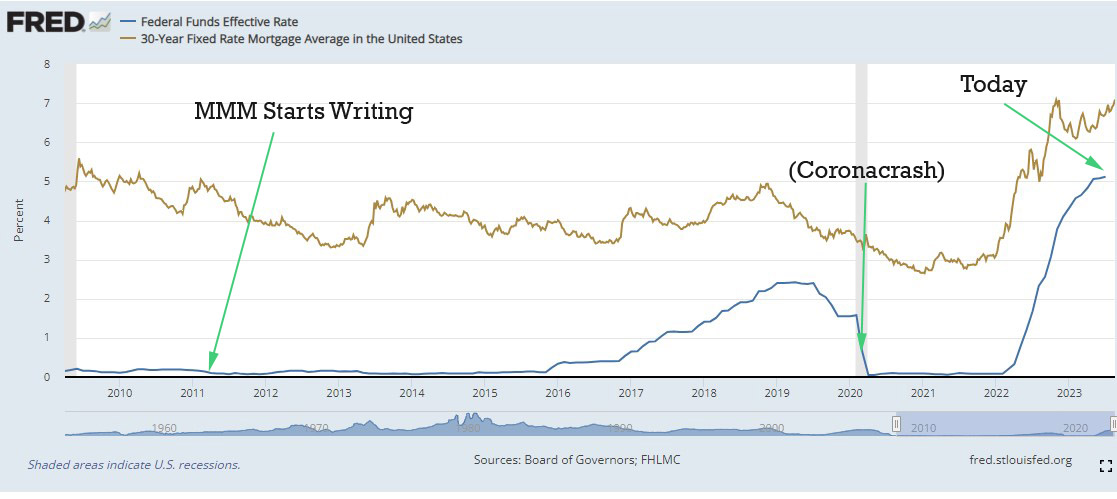
The turning point arrived with the onset of the COVID-19 pandemic in early 2020. Government interventions, including massive fiscal stimulus packages, combined with unprecedented monetary easing by central banks, injected vast sums of money into economies. Simultaneously, global supply chains faced severe disruptions due to lockdowns, labor shortages, and shifting consumer demand patterns. The confluence of "too much money chasing too few goods" resulted in a surge in inflation.
By early 2022, inflation rates, as measured by the Consumer Price Index (CPI), reached multi-decade highs, far exceeding the Federal Reserve’s target of 2%. For instance, the CPI peaked at 9.1% year-over-year in June 2022. This rapid and persistent rise in prices eroded purchasing power and threatened economic stability, prompting the Federal Reserve to pivot from its accommodative stance to an aggressive tightening cycle.
The Federal Reserve’s Intervention: A Rapid Series of Hikes

Under the leadership of Chairman Jerome Powell, the Federal Reserve initiated a series of steep interest rate hikes starting in March 2022. The federal funds rate, which began the year near zero, was systematically increased across eleven consecutive meetings, reaching a range of 5.25% to 5.50% by July 2023. This rapid escalation marked the fastest pace of rate increases since the early 1980s.
The Fed’s primary objective was to cool down an overheated economy, thereby bringing inflation back to its target. Higher interest rates increase the cost of borrowing for banks, which in turn leads to higher interest rates for consumers and businesses on loans for mortgages, auto financing, credit cards, and business investments. This reduction in demand and investment is intended to alleviate price pressures. Chairman Powell consistently articulated the Fed’s commitment to price stability, even acknowledging the potential for economic slowdown or "some pain" in the process.
Widespread Economic Impacts: From Housing to Employment

The sharp increase in interest rates has had profound and varied implications across the economy:
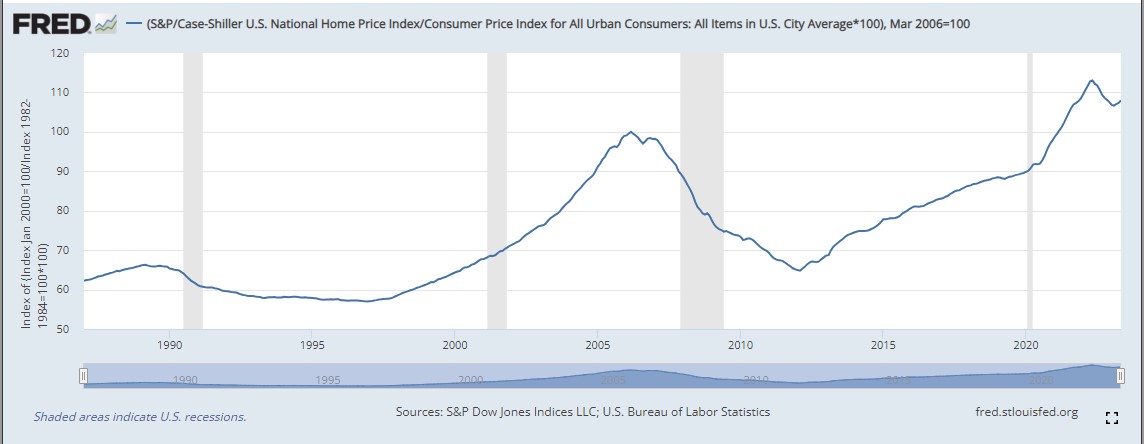
Housing Market: The sector most immediately and significantly affected has been housing. Mortgage rates, which had averaged around 3% for a 30-year fixed loan in late 2020 and early 2021, surged past 7% by late 2022 and remained elevated. This dramatic increase has severely impacted affordability. For example, a $400,000 home with a 10% down payment (a $360,000 mortgage) would have had a monthly principal and interest payment of approximately $1,519 at a 3% rate. At 7.5%, that same mortgage payment jumps to roughly $2,517, representing an increase of nearly $1,000 per month. This has priced many potential buyers out of the market, leading to a significant slowdown in home sales, reduced buyer demand, and a decrease in mortgage refinancing activity. While home prices have shown some resilience due to persistent supply shortages, the pace of appreciation has slowed considerably, and modest declines have been observed in some regions.
Business Investment and Employment: Businesses now face higher costs for borrowing capital, dampening expansion plans and new investments. This has led to a more cautious approach to hiring. While the overall unemployment rate has remained remarkably low (hovering near 50-year lows at around 3.5% through mid-2023), some sectors, particularly technology, have seen significant layoffs. Major companies like Meta (Facebook) and Amazon announced tens of thousands of job cuts, signaling a shift from rapid growth to cost-cutting and efficiency. Venture capital funding for startups has also tightened, reflecting a more risk-averse environment.
Banking Sector Stability: The rapid succession of rate hikes also exposed vulnerabilities in the banking sector. The sudden increase in rates reduced the value of long-term bonds held by banks, leading to unrealized losses. This contributed to a "miniature banking crisis" in early 2023, with the collapse of several mid-sized banks, including Silicon Valley Bank and Signature Bank. These failures underscored the stress that rapid monetary policy shifts can place on financial institutions, prompting swift intervention from regulators to stabilize the system.
Personal Finance Strategies in a Changing Landscape
The new interest rate environment necessitates a re-evaluation of personal financial strategies:
Stock Market Volatility vs. Long-Term Investing: The stock market has experienced increased volatility. From its peak in early 2022, the overall U.S. market (e.g., S&P 500) saw a significant correction, declining by approximately 10% through mid-2023. While this can be unsettling, financial advisors generally emphasize that attempting to "time" the market by moving in and out based on short-term predictions is often counterproductive. For long-term investors, market downturns can present opportunities to buy assets at lower prices, which may yield higher returns when the market eventually recovers. The fundamental principle of consistent, diversified investing remains paramount.
Attractive Savings and Fixed-Income Options: The rise in interest rates has made traditional savings vehicles significantly more appealing. High-yield savings accounts, Certificates of Deposit (CDs), and money market funds now offer rates upwards of 4.5% to 5.0%, providing a stable and rewarding environment for cash reserves. This contrasts sharply with the sub-1% rates prevalent for over a decade. For individuals seeking lower risk or short-term liquidity, these options have become a viable alternative to equity investments, especially for portions of a portfolio that cannot tolerate market fluctuations. The decision between stocks and high-yield savings often involves weighing the long-term growth potential of equities (even with current market discounts) against the guaranteed, albeit potentially lower, returns of fixed income.
The Future Outlook: Navigating the Inverted Yield Curve
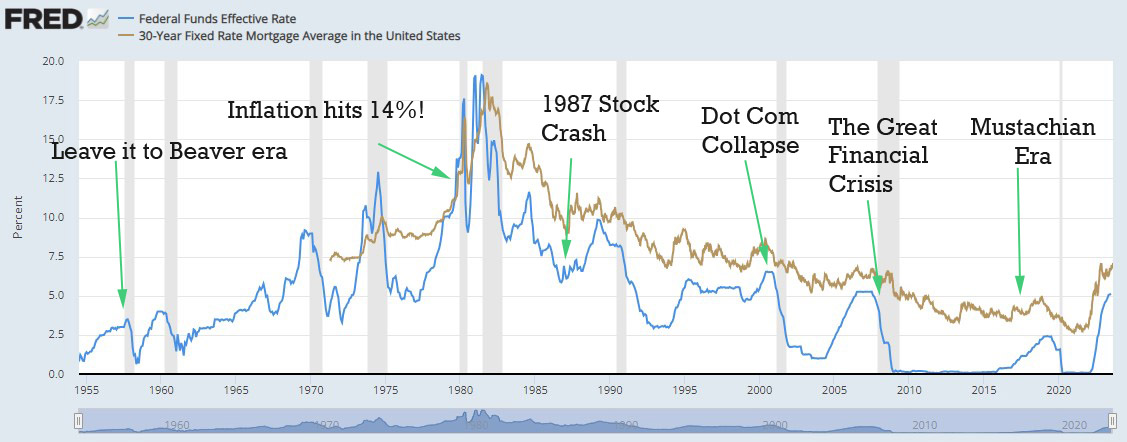
Forecasting future interest rate movements is inherently complex, yet market indicators offer clues. While current rates are considered "high" relative to the recent past, a broader historical perspective reveals they are closer to the long-term average observed over the last seventy years.
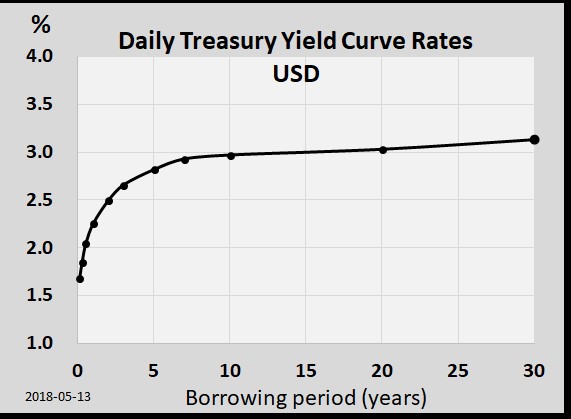
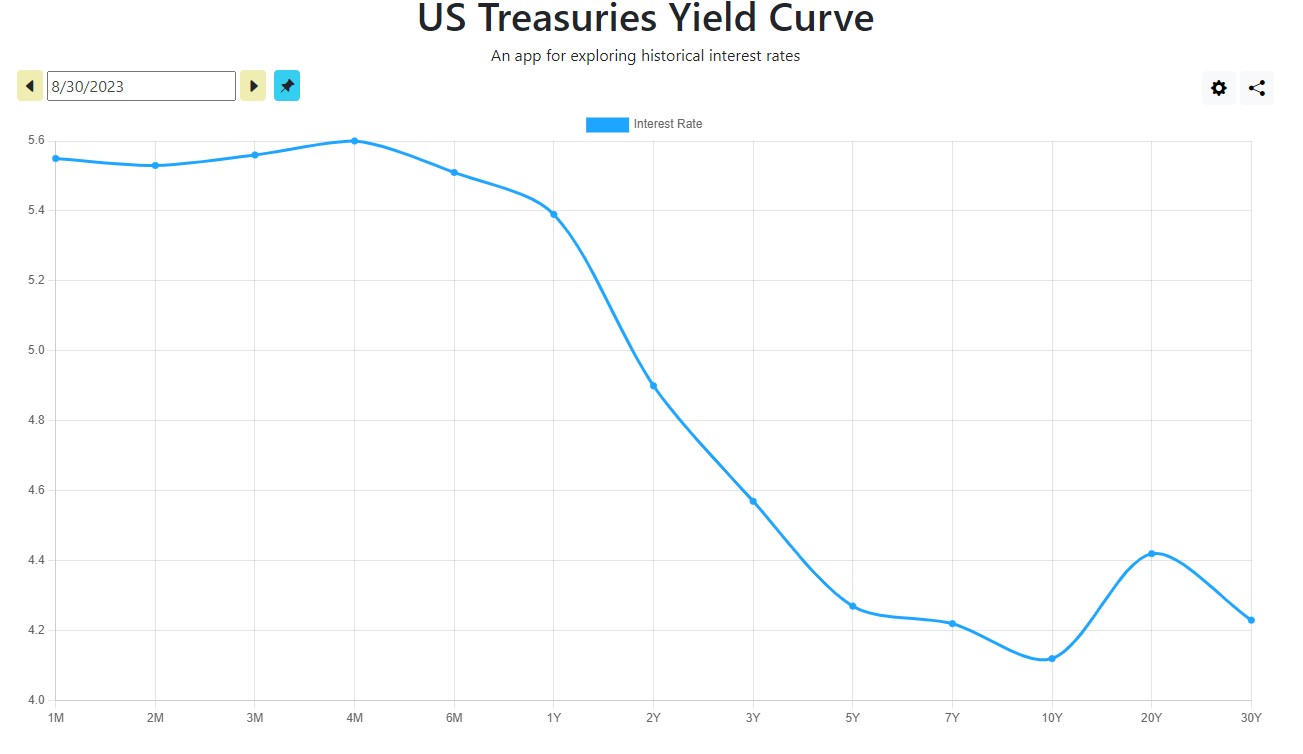
A critical indicator closely watched by economists is the U.S. Treasury Yield Curve. Typically, this curve slopes upwards, meaning longer-term bonds offer higher yields than shorter-term ones, compensating lenders for locking up their money for extended periods. However, the current environment has seen an inverted yield curve, where short-term Treasury bills yield more than longer-term bonds (e.g., 1-year Treasury at 5.4% versus 10-year Treasury at 4.05% in August 2023).
Historically, an inverted yield curve has been a remarkably accurate predictor of future economic slowdowns or recessions, having preceded ten of the last eleven U.S. recessions over the past 75 years. This market signal suggests that bond investors collectively anticipate interest rates will likely fall in the future, possibly within 18-24 months, as the Federal Reserve responds to a cooling economy or an impending recession.
The conditions for the Fed to consider easing its monetary policy would typically include a sustained decline in inflation towards its 2% target, coupled with signs of rising unemployment and a general slowdown in economic activity. As of mid-2023, while inflation showed signs of moderating, unemployment remained historically low, indicating the economy had not yet cooled sufficiently to warrant a reversal of policy.
Conclusion: Building Financial Resilience
The dramatic shift in interest rates represents a significant recalibration of the economic environment. While the rapid changes can create uncertainty and stress, they also underscore the importance of sound financial planning and resilience. For individuals, this means prioritizing debt reduction, building robust savings, and maintaining a diversified investment portfolio aligned with long-term goals rather than reacting impulsively to market fluctuations.
The ability to adapt to changing economic realities, whether through a lean lifestyle, strategic saving, or prudent investment choices, remains the most effective strategy. While interest rates and housing prices will continue to ebb and flow, personal financial discipline provides a foundation of strength, allowing individuals to navigate market ripples from a position of control rather than anxiety.

