
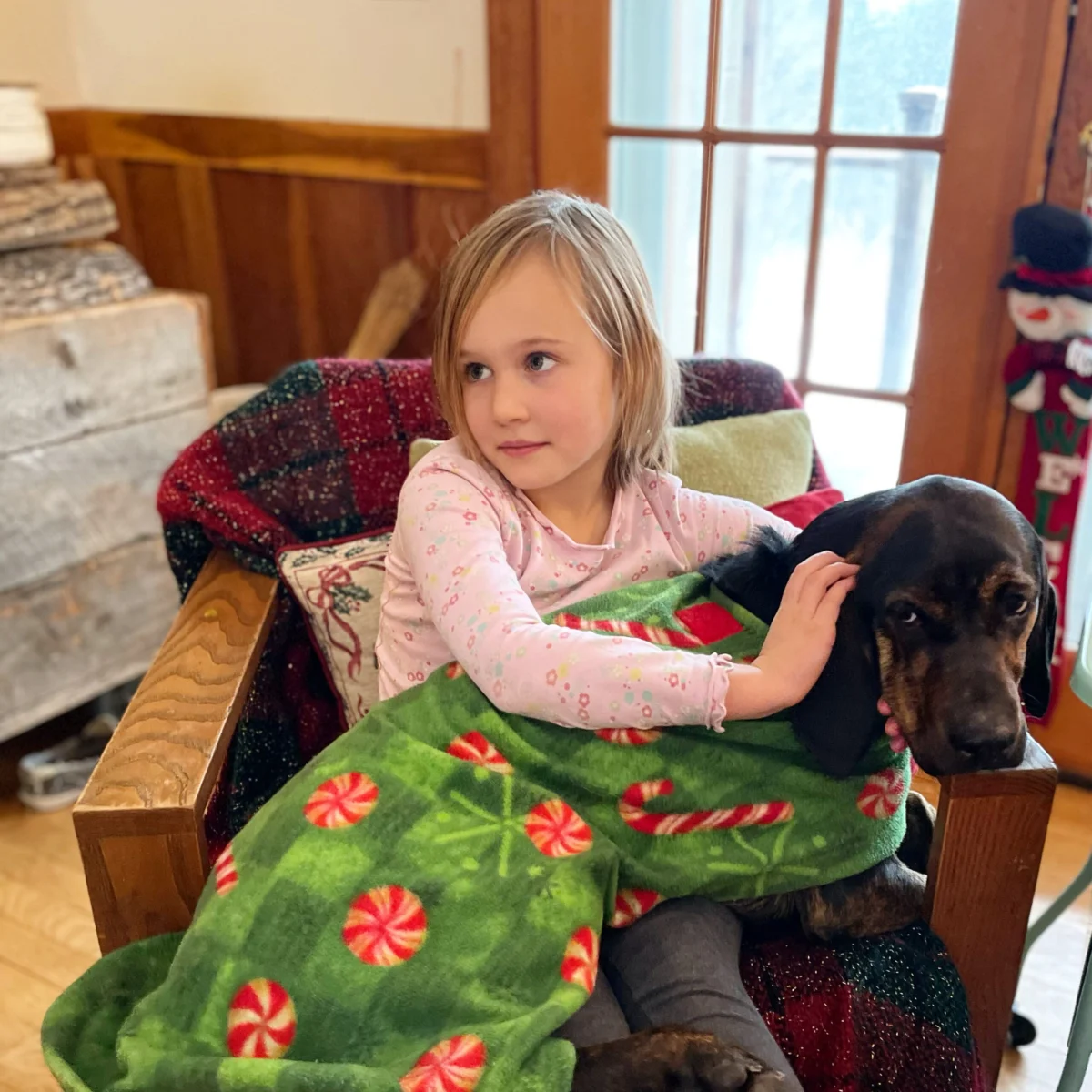
The intersection of animal welfare, household economics, and behavioral science was highlighted recently through the documented case of Genevieve, a hound-mix rescue whose severe separation anxiety led to a difficult rehoming decision. The case serves as a poignant example of the challenges inherent in adopting working-breed dogs into domestic environments, particularly when those animals possess specialized psychological needs. Following a four-month period of intensive intervention that cost the adopting family over $2,300, the dog, known as Gigi, was ultimately placed with a foster-based rescue organization better equipped to manage her specific requirement for a multi-dog "pack" environment.
Chronology of the Rescue and Adoption
The timeline of the event began in late September 2022, when an emaciated hound-mix was discovered in a rural yard. The animal showed signs of prolonged exposure to the elements, including numerous scratches and significant weight loss. Initial efforts to locate an owner were unsuccessful; the dog lacked identification tags and a microchip, and local advertisements yielded no claimants. Based on the dog’s breed and condition, local observers hypothesized that she was a bear-hunting dog that had become separated from her pack—a common occurrence in regions where hounds are used for tracking large game.

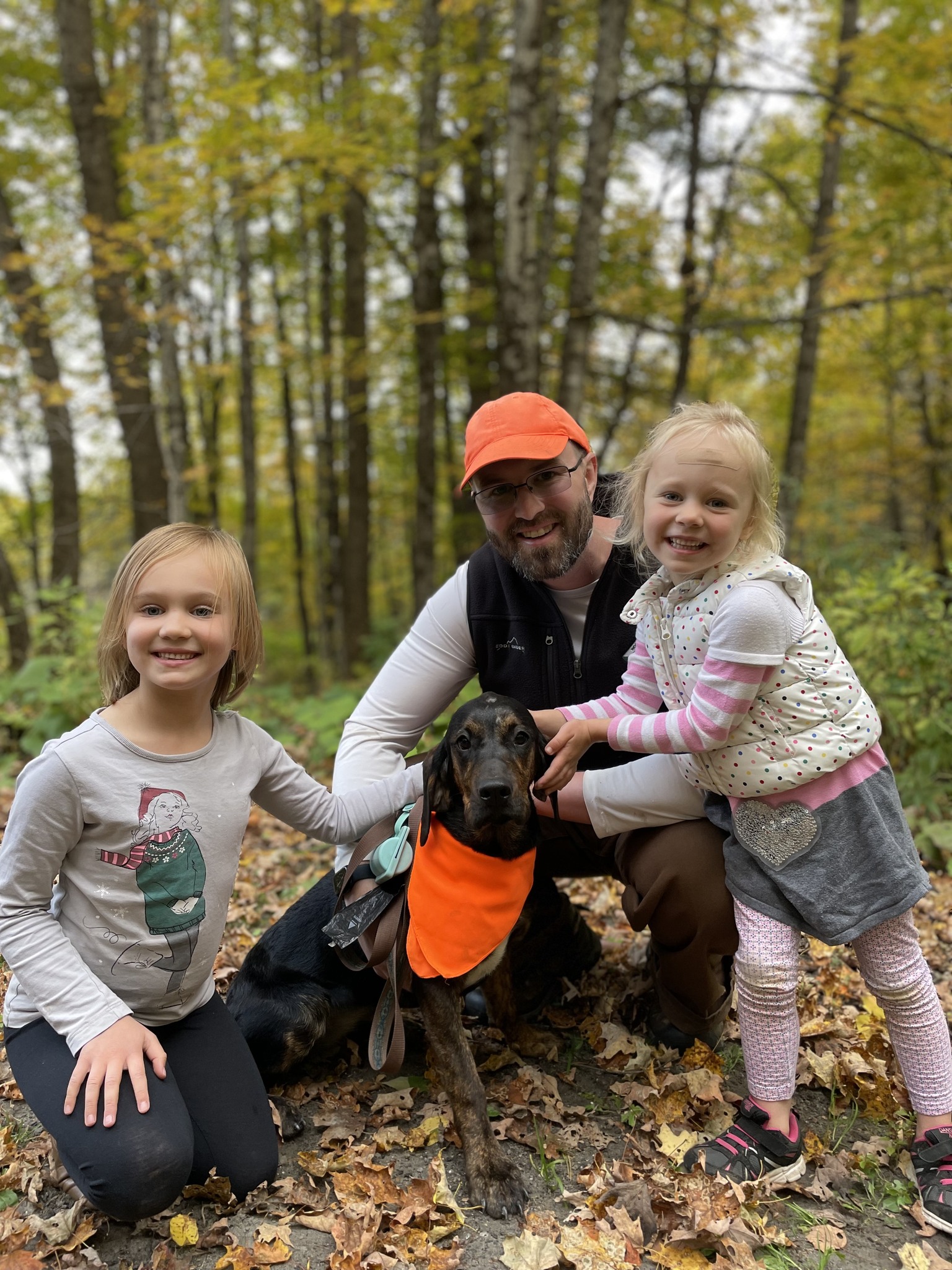
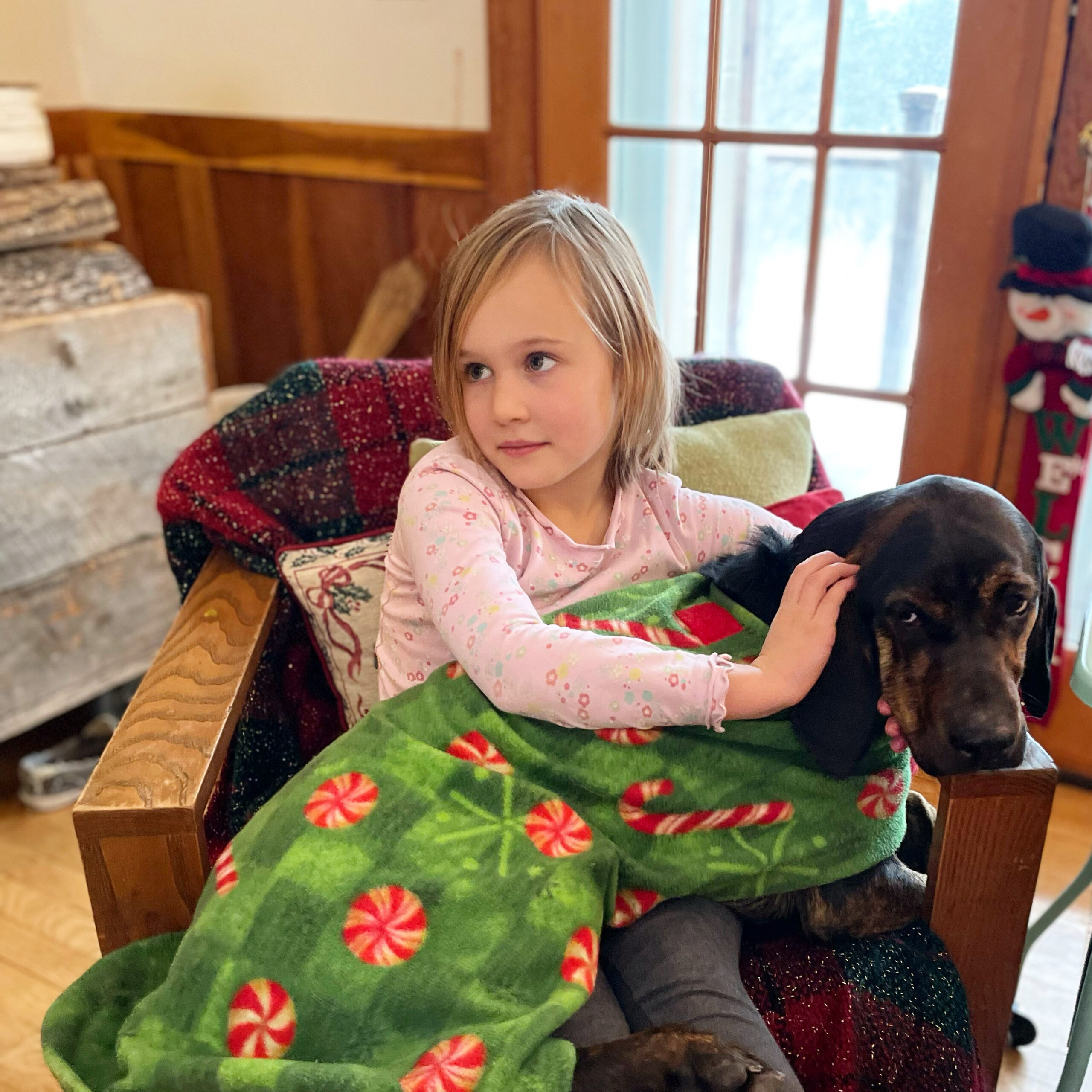
On October 3, 2022, the dog was officially integrated into a family household. Initially, the transition appeared successful. The animal, renamed Gigi, demonstrated a calm temperament around humans and children, showed an aptitude for hiking, and responded well to basic commands. However, a critical behavioral pathology emerged almost immediately: the animal could not be left alone without experiencing a severe panic response.
The Tripartite Intervention Strategy
To address the animal’s escalating separation anxiety, the family implemented a comprehensive, three-pronged intervention strategy encompassing behavioral modification, technological monitoring, and pharmacological support.
Behavioral Modification and Training
Under the guidance of a professional dog trainer, the family attempted a systematic desensitization protocol. This involved leaving the house for incrementally increasing durations, starting with intervals as short as 30 seconds. The goal was to reward the animal for remaining calm during brief absences. Despite consistent effort, the animal reached a "threshold" at approximately five minutes, after which a full-scale panic attack would ensue, regardless of the training consistency.
Technological Monitoring
In an effort to gather data for the trainer and veterinarian, the family installed high-definition cameras to observe the dog’s behavior in her crate. When simple observation proved insufficient to curb the anxiety, they upgraded to a remote-controlled camera-and-treat-dispenser system. This allowed for real-time reinforcement of calm behavior from a remote location. However, reports indicate that the dog’s distress was so acute that she ignored the dispensed treats, remaining focused entirely on the absence of human or canine companions.
Medical and Pharmacological Intervention
When behavioral and technological methods failed, the family sought veterinary assistance. A series of escalating pharmacological treatments were prescribed to mitigate the physiological symptoms of the dog’s panic. The regimen included:
- Mild Anti-Anxiety Medication: Intended to lower the animal’s baseline stress level.
- Mild Sedatives: Prescribed to induce a state of relaxation during planned absences.
- Tranquilizers: Utilized as a last-resort effort to prevent the animal from self-harming or causing property damage during acute episodes.
Despite these medical interventions, the animal’s symptoms—which included vocalization, pacing, and involuntary elimination (soiling the crate)—persisted unabated.

The Economic Impact of High-Needs Pet Ownership
The financial data associated with this four-month period illustrates the significant "hidden" costs of pet ownership, particularly when dealing with rescue animals with unknown medical or behavioral histories. The total expenditure for Gigi’s care reached $2,373.25, a figure that far exceeds the national average for standard pet maintenance.
Itemized Expenditure Report
| Category | Expenditure | Description |
|---|---|---|
| Medical & Rescue Fees | $1,553.00 | Includes spaying, vaccinations, de-worming, three vet visits, and donations to the rescue organization. |
| Behavioral & Training | $150.00 | Professional training sessions. |
| Technology | $128.77 | Crate cameras and remote treat dispensers. |
| Supplies & Nutrition | $421.90 | Food, beds, treats, and toys. |
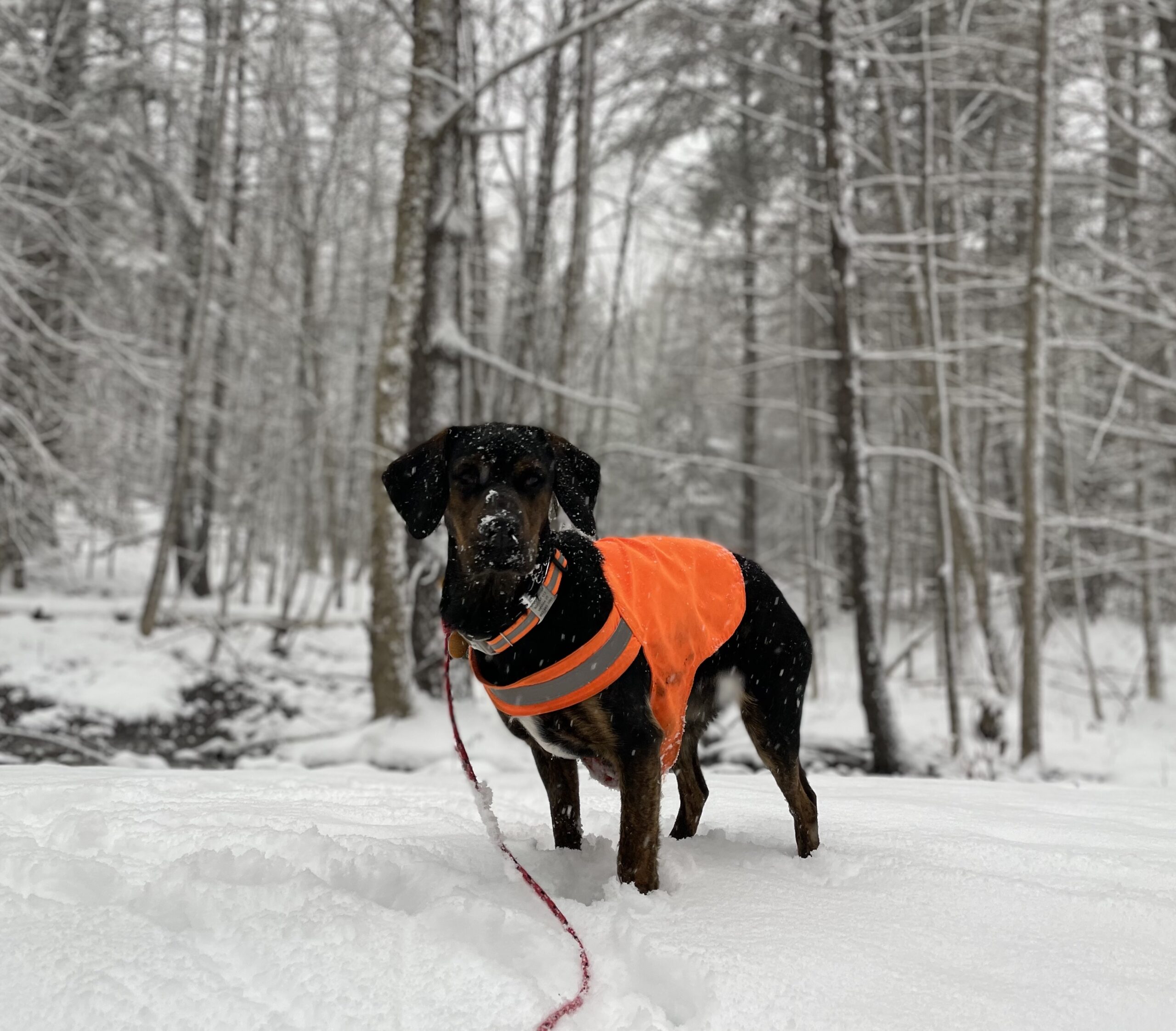
| Apparel & Safety | $106.58 | Snow booties, high-visibility vest, and licensing. |
| TOTAL | $2,373.25 |
This data provides a stark contrast to the family’s previous experience with a retired racing Greyhound, which cost approximately $930 annually. The Gigi case represents a 600% increase in monthly maintenance costs compared to a standard, well-adjusted pet. According to the ASPCA, the average first-year cost of owning a large dog typically ranges between $1,000 and $2,000, placing this specific case in the highest percentile of pet-related financial burdens.
Psychological and Lifestyle Implications
Beyond the financial strain, the animal’s condition necessitated a radical shift in the family’s lifestyle. Because the dog could not be left alone for any duration, the household was forced to adopt a "tag-team" approach to childcare and errands. At least one adult was required to remain at home at all times, preventing the family from attending community events, religious services, or recreational activities together.

Veterinary behaviorists note that severe separation anxiety in dogs is not merely a "nuisance" behavior but a profound psychological distress that can lead to a diminished quality of life for both the animal and the owners. In this instance, the family recognized that the stress of the situation was being internalized by their young children, creating a suboptimal home environment.
Rehoming and Outcomes
In early 2023, after four months of failed interventions, the family contacted a foster-based rescue organization. Upon assessment, the rescue staff identified a critical detail that had been missing in the single-dog household: Gigi’s anxiety vanished when she was in the presence of other dogs.
This finding supported the initial theory that the animal had been bred and raised as a pack-hunting hound. For such animals, isolation is not merely a preference but a survival-level threat. The rescue organization successfully rehomed Gigi with a family that owned multiple other dogs. Reports from the new owners indicate that the animal has integrated seamlessly and no longer exhibits panic symptoms, provided her "pack" is present.
Broader Impact and Expert Analysis
The case of Gigi highlights several critical issues within the modern pet adoption landscape.
1. The Working Dog Mismatch
Experts in canine behavior frequently warn of the "mismatch" between working breeds (like hounds, shepherds, and pointers) and suburban or rural domestic life. These breeds often require higher levels of stimulation or specific social structures that the average family cannot provide.
2. The Post-Pandemic "Return to Normal"
The pet industry has seen a surge in separation anxiety cases as families return to offices and schools following the COVID-19 pandemic. Animals adopted during periods of constant human presence are struggling to adapt to solitude, leading to an increase in rehoming requests at shelters nationwide.
3. The Ethics of Rehoming
While there is often a social stigma attached to returning a rescue animal, animal welfare advocates argue that rehoming is sometimes the most ethical choice. "Success in adoption is not defined by keeping a dog in a situation where it is suffering," stated a representative from a regional rescue group. "Success is finding the environment where the dog can thrive. In this case, the dog needed a pack, not just a home."
Conclusion
The story of Genevieve the hound is a cautionary but ultimately hopeful tale regarding the complexities of animal rescue. It underscores the necessity of financial preparedness and the importance of breed-specific behavioral knowledge. While the initial adoption failed to meet the family’s expectations, the intervention and subsequent rehoming ensured the animal’s long-term welfare while allowing the family to return to a sustainable lifestyle.
In a final note on the regional context, the family involved also reported surviving the recent devastating floods in Vermont. While their home remained dry, the significant damage to their infrastructure—including a quarter-mile driveway destroyed by rain—serves as a reminder of the unpredictable nature of rural life and the ongoing financial resilience required to manage both environmental and household challenges.

