
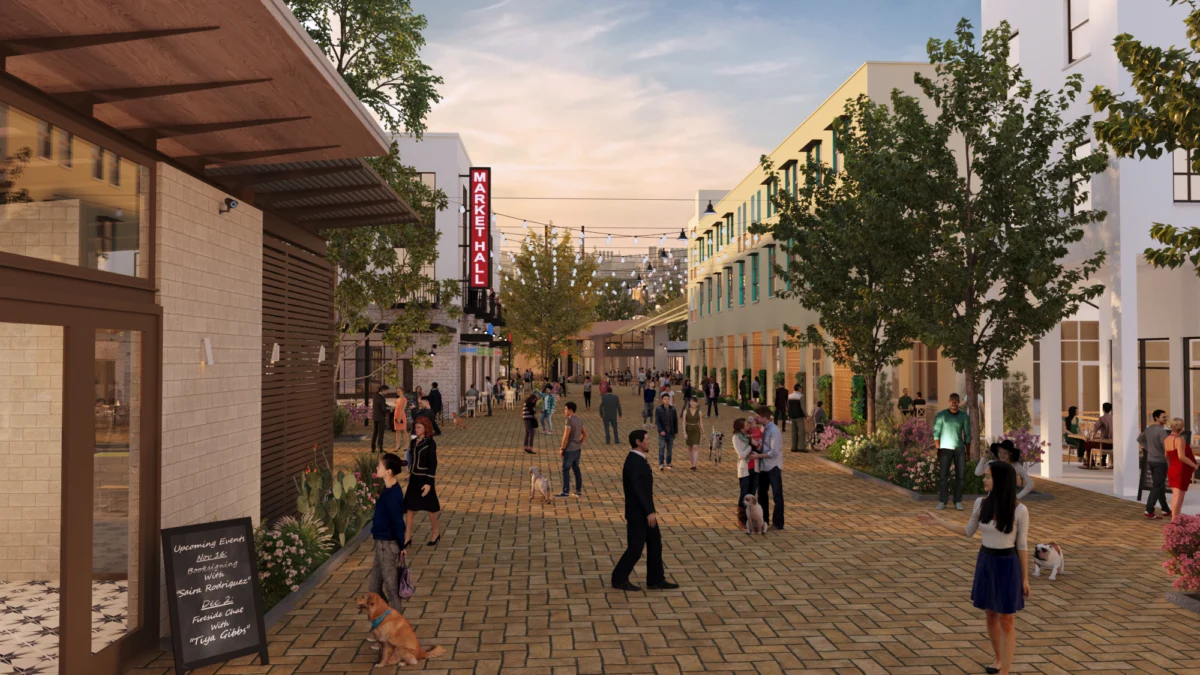
A growing chorus of urban planning advocates is urging a fundamental reorientation of city and national development, proposing an immediate shift from car-centric infrastructure to designs that prioritize human experience, health, and community. This radical rethinking, proponents argue, holds the key to unlocking unprecedented economic prosperity, enhancing public health, and fostering more vibrant, sustainable societies globally. The vision centers on creating environments where daily needs are accessible by foot, bicycle, or efficient public transit, dramatically reducing reliance on personal automobiles.
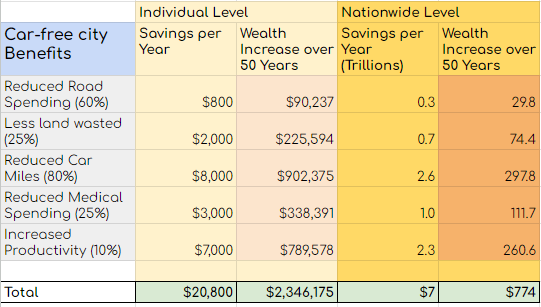
The proposition, articulated by prominent figures in lifestyle and financial independence movements, suggests that the benefits of such a transformation are far more profound than typically imagined, extending beyond mere reductions in pollution or traffic congestion. Instead, a people-first approach is projected to yield a life boost valued at over $20,000 per person annually, accumulating to more than two million dollars over an adult lifetime. On a national scale, this paradigm shift could augment the wealth of the United States by approximately seven trillion dollars each year, potentially compounding to an astounding $770 trillion over the next five decades – a figure that surpasses the current total human wealth on the entire planet.
The Economic Imperative of Human-Scaled Cities
The staggering financial projections stem from a comprehensive analysis of the hidden costs associated with car-dependent societies. These costs include not only direct expenses like vehicle purchase, maintenance, fuel, and insurance but also indirect societal burdens such as infrastructure upkeep, traffic enforcement, healthcare expenses related to sedentary lifestyles and air pollution, and the immense opportunity cost of land dedicated to roads and parking. By drastically reducing the need for private vehicle ownership and use, individuals and governments alike would see substantial savings and reallocate resources to more productive and enriching endeavors.
For individuals, reduced transportation costs would free up significant disposable income, leading to higher savings rates and increased investment. Public finances would benefit from decreased spending on sprawling road networks and parking facilities, allowing for greater investment in public services, education, and green infrastructure. Moreover, the enhanced physical activity inherent in walkable and bikeable communities would contribute to a healthier populace, lowering healthcare expenditures and increasing productivity. The economic argument posits that efficient land use, vibrant local economies, and a healthier workforce would ignite an investment and prosperity boom unlike any seen before.
Addressing the Car-Centric Status Quo
Currently, urban planning is often perceived as a bureaucratic process, largely maintaining existing structures and resisting disruption. This inertia, according to advocates, is frequently influenced by established industries, traditional organizations, and residents resistant to change, often lacking the foresight to envision alternative possibilities. The challenge lies in overcoming this status quo, which has deeply entrenched car dependency into the fabric of modern life.
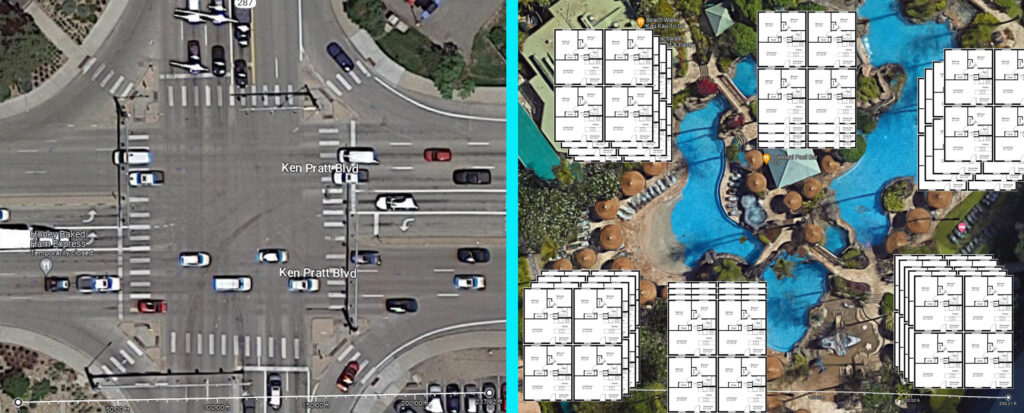
A critical aspect of the current problem is the inefficient allocation of urban space. Studies and visual comparisons vividly illustrate how vast tracts of prime real estate are consumed by automobile infrastructure. For instance, the space required for just two parking spaces could comfortably house a two-bedroom apartment. Extending this observation, a typical large urban intersection, often spanning approximately 1.5 acres, could otherwise accommodate an entire resort-like complex featuring around one hundred two-bedroom apartments, complete with communal amenities such as a pool, dog park, grocery store, and restaurants. These examples underscore the colossal waste of valuable urban land, which could otherwise be transformed into vibrant, productive, and livable spaces.
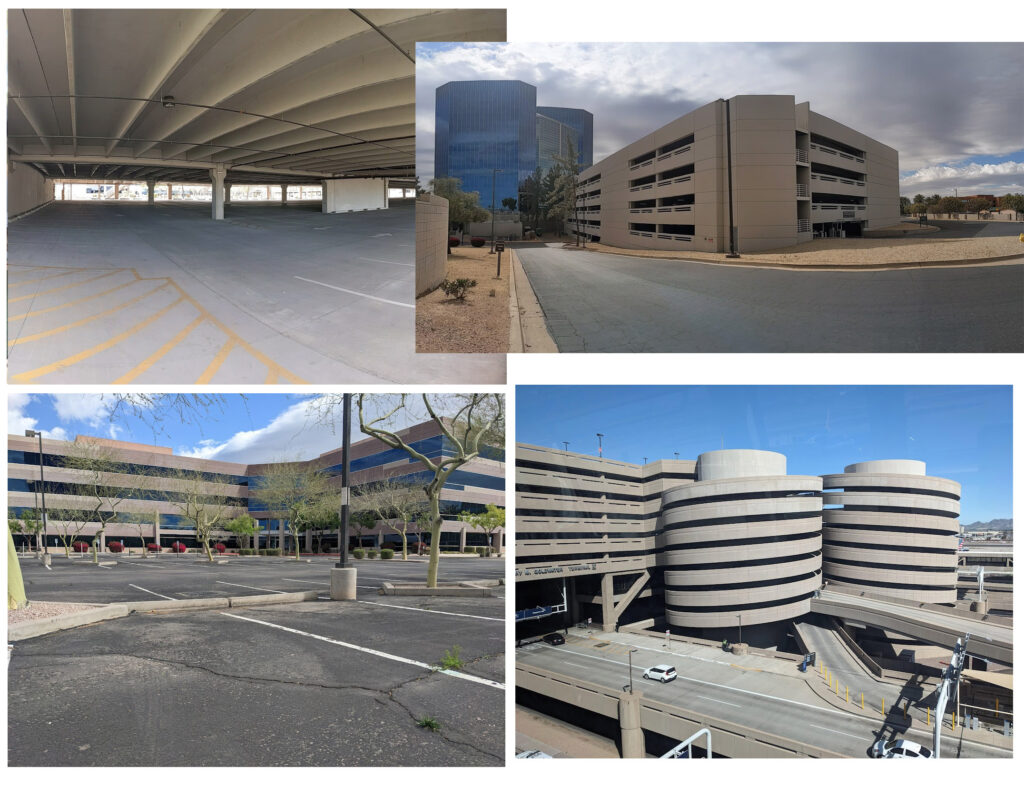
The prevalence of expansive parking lots and multi-lane roads in many American cities, like Phoenix, exemplifies this phenomenon. Such extensive car accommodation inadvertently creates the very problem it seeks to solve: by spreading out destinations and making environments loud and dangerous, it discourages walking and biking, thereby reinforcing the perceived necessity of cars. This vicious cycle has led to cities where the only reason cars seem essential is because most available space has been dedicated to them, creating distances and conditions hostile to other modes of transport.
Challenging Common Objections and Embracing Alternatives
The proposal to drastically reduce car dependence often elicits skepticism, with common refrains questioning how daily life would function without widespread car use. The most frequent objection, "But how are we going to keep driving our cars just as much as we do now?", fundamentally misunderstands the core objective. The very point of people-centric planning is to eliminate the vast, inefficient spaces currently dedicated to cars, thereby liberating communities from the need for constant driving.
Instead of navigating vast expanses of asphalt, residents would find themselves in compact, mixed-use neighborhoods where essential services, workplaces, recreational facilities, and homes are all within easy reach. While some roads would remain for deliveries, emergency services, and individuals requiring mobility assistance, the overall volume of private car traffic would diminish significantly.
Concerns about public transit, often characterized by perceptions of inconvenience, long waits, and lack of flexibility, are also addressed by proponents. While robust public transit systems (like light rail and rapid buses) are part of the solution, the primary emphasis in a people-centric city is on active transportation: walking, cycling, and e-biking. These modes offer unparalleled speed and efficiency for urban travel, often proving faster than cars over short to medium distances in congested areas. Moreover, they provide physical exercise and a sense of engagement, contrasting sharply with the sedentary experience of driving. By optimizing urban layouts for active transport, individuals can reach their destinations more quickly, at lower cost, and with added health benefits. Even ride-sharing services and personal car ownership would still be options, but their necessity would be drastically reduced.

Culdesac Tempe: A Pioneering Model in Car-Free Living
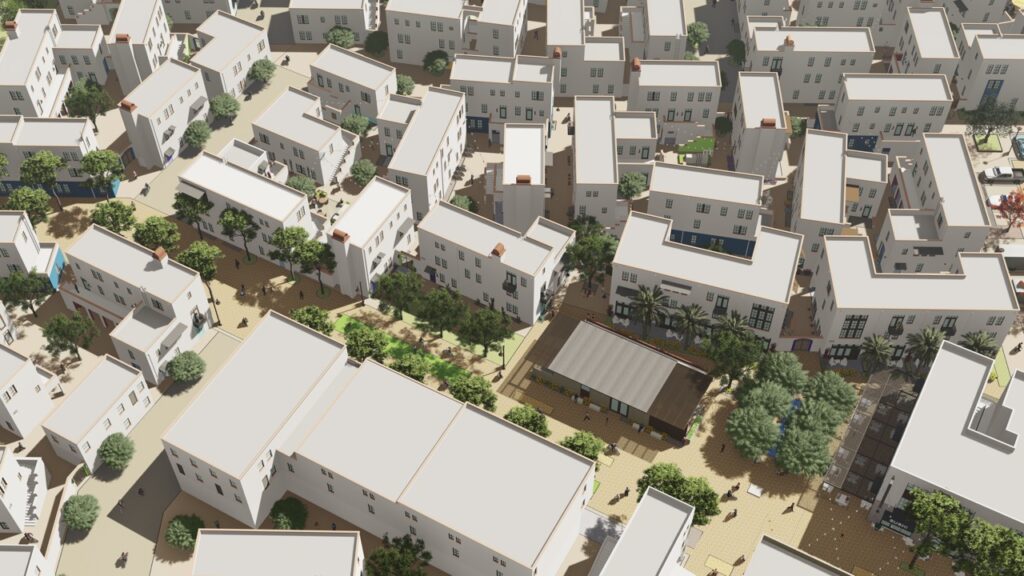
While the vision of people-centric cities might seem utopian, concrete steps are already being taken to bring it to fruition. One notable success story is Culdesac Tempe, the United States’ first ground-up, car-free neighborhood designed for 1,000 residents. Located in Tempe, Arizona, this development serves as a living laboratory for the principles of human-scaled urbanism.

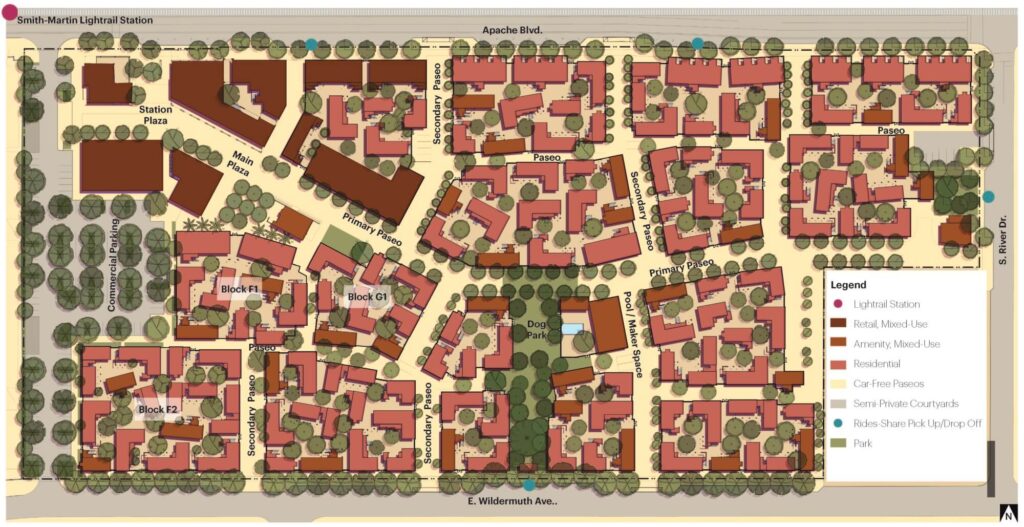
Culdesac Tempe, developed by co-founders Jeff Berens and Ryan Johnson, with marketing led by Blythe Ingwersen, occupies 17 acres, a space that in conventional planning might largely be consumed by parking lots. Instead, this development dedicates its common areas to beautiful pedestrian pathways, lush green spaces, and communal gathering spots. The design integrates daily amenities directly into the neighborhood, eliminating the need for residents to drive to access essentials. These amenities include a grocery store, a café, restaurants, a fitness center, co-working spaces, and even a dog park. This strategic integration fosters a vibrant community life and drastically reduces the need for external travel.
The architectural design of Culdesac Tempe is tailored to its desert climate, incorporating elements like shaded walkways, natural breezes, and heat-reflecting materials to ensure comfort year-round. The absence of extensive car infrastructure also contributes to a quieter, safer, and more pleasant environment. Furthermore, the development’s strategic location within the Phoenix metropolitan area places it within walking distance of Arizona State University and directly on a light rail line, providing residents free annual passes for access to a wider network of destinations, including the airport. A fleet of electric bikes and shared electric cars is also available for longer trips or specific needs, offering mobility without personal car ownership.
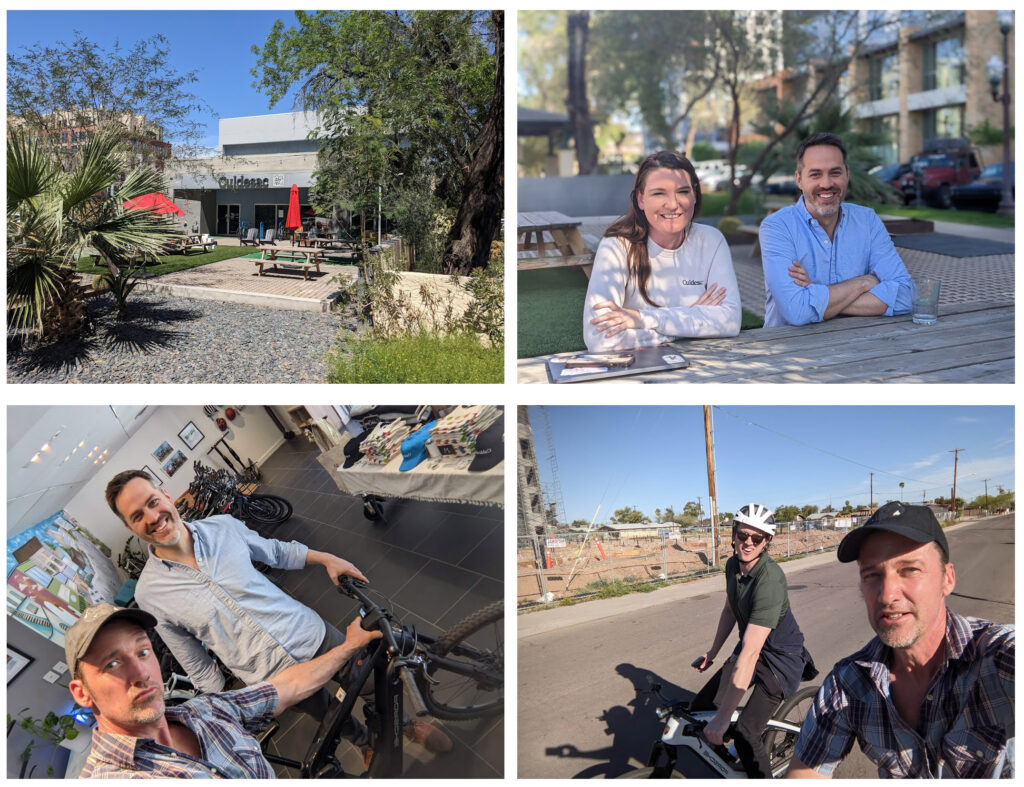
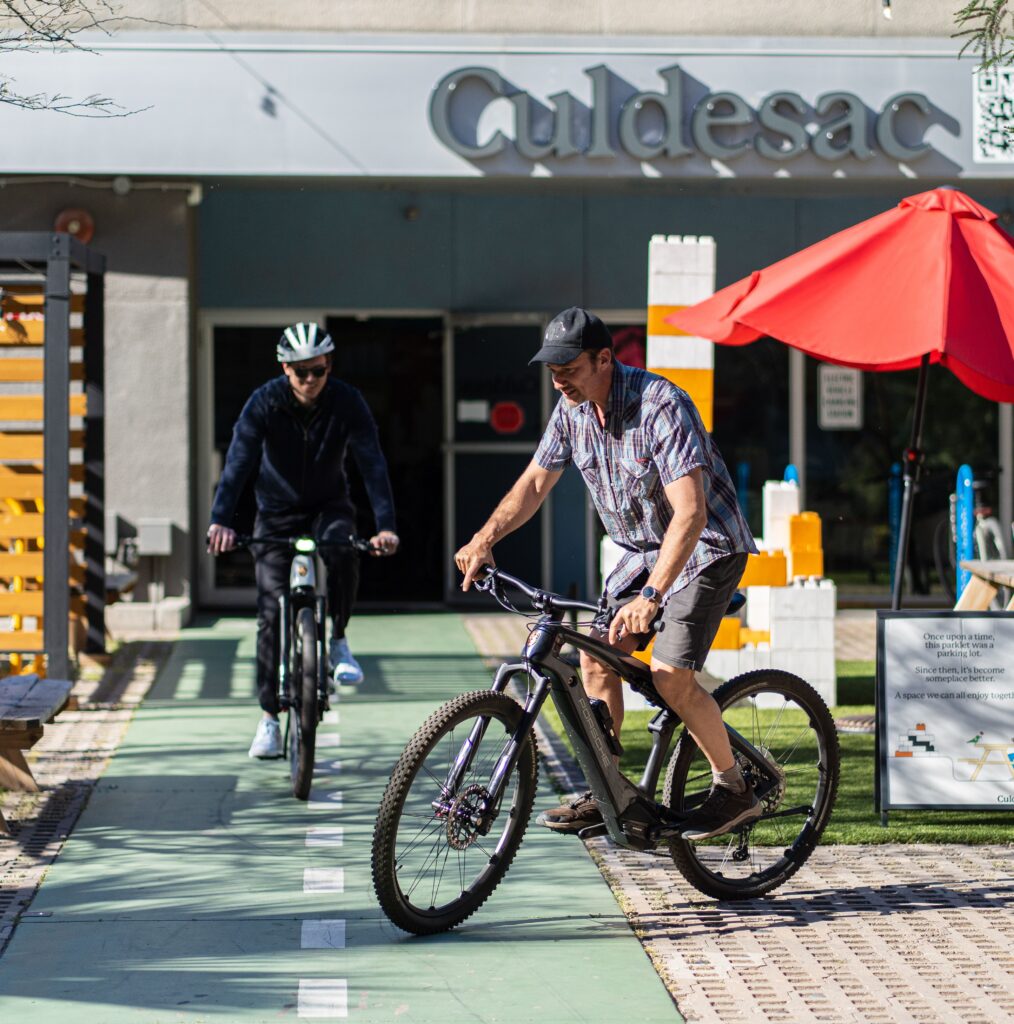
The project, while financially sustainable and profitable, is seen by its creators and advocates as far more than just a real estate venture. It represents a tangible proof-of-concept for a transformative urban model, demonstrating that car-free living can be both desirable and economically viable. The enthusiasm surrounding Culdesac Tempe is palpable, with many, including prominent lifestyle gurus, expressing intentions to relocate there, drawn by the promise of a healthier, more connected, and more financially efficient lifestyle.
The Culdesac Master Plan: Scaling the Vision
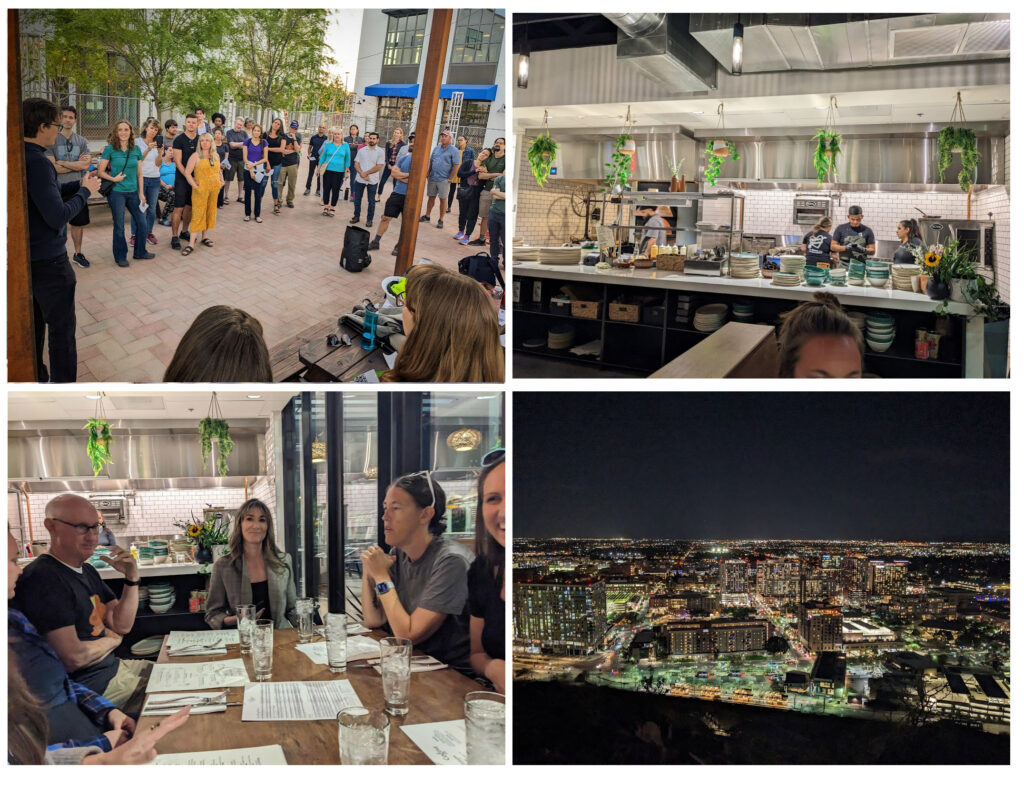
Culdesac Tempe is envisioned as merely a pilot project, with the company harboring ambitions for a much broader impact. Their master plan outlines a systematic approach to replicating and scaling this model across the nation and potentially globally:
- Iterative Development: Building upon the lessons learned from Tempe, Culdesac plans to construct multiple similar car-free neighborhoods, each larger and more refined than its predecessor.
- Strategic Site Selection: Future developments will target existing, underutilized land in key metropolitan areas, such as sprawling parking lots or defunct "big box" retail sites, demonstrating how to repurpose wasted space into vibrant communities.
- Comprehensive Amenity Integration: Each subsequent project will aim to integrate an even wider array of amenities, including schools, medical facilities, and diverse entertainment options, to create truly self-sufficient and integrated neighborhoods.
- Policy Advocacy: The company intends to actively engage with city councils and urban planning departments to advocate for policy changes that support and facilitate people-centric development, challenging restrictive zoning laws and car-mandated requirements.
- Public-Private Partnerships: Culdesac aims to collaborate with municipalities and other developers to catalyze a widespread adoption of car-free principles, leveraging both private investment and public support for infrastructure improvements.
- Expansion Beyond the U.S.: Ultimately, the vision extends to establishing car-free cities or districts in other countries, demonstrating the global applicability and benefits of this urban planning model.
Path Forward and Broader Implications
Realizing this transformative vision requires concerted effort on multiple fronts. Key actions include:
- Public Awareness and Education: Disseminating information about the immense benefits of people-centric design is crucial to shift public perception and build broad support for change.
- Policy Reform: Advocating for the removal of outdated zoning laws and regulations that mandate car-centric infrastructure (e.g., minimum parking requirements) and promoting policies that encourage mixed-use, dense, and walkable development.
- Investment in Alternative Transport: Prioritizing public and private investment in robust public transit systems, safe cycling networks, and pedestrian infrastructure.
- Support for Innovative Developers: Encouraging and supporting companies like Culdesac that are pioneering new models of urban development.
- Community Engagement: Involving residents in the planning process to ensure that new developments meet local needs and reflect community values.
The implications of this shift are profound. Economically, it promises a future of increased personal wealth, reduced public expenditure, and a boom in local economies. Socially, it fosters stronger community bonds, reduces isolation, enhances safety, and improves accessibility for people of all ages and abilities. Environmentally, it leads to significant reductions in carbon emissions, improved air quality, and more efficient land use, preserving natural habitats. Health-wise, it encourages active lifestyles, leading to lower rates of chronic diseases and improved mental well-being.
The current state of urban planning, heavily influenced by automobile dependency, is likened by some advocates to a chronic health condition stemming from a lifelong diet of unhealthy habits. Just as reversing unhealthy habits can lead to dramatic health improvements, re-engineering cities to prioritize people over cars presents an equally obvious and potent path to comprehensive societal betterment. The stakes are immense, promising a future of richer, healthier, and more enjoyable living for generations to come. The question remains: are societies ready to embrace this fundamental change?

