
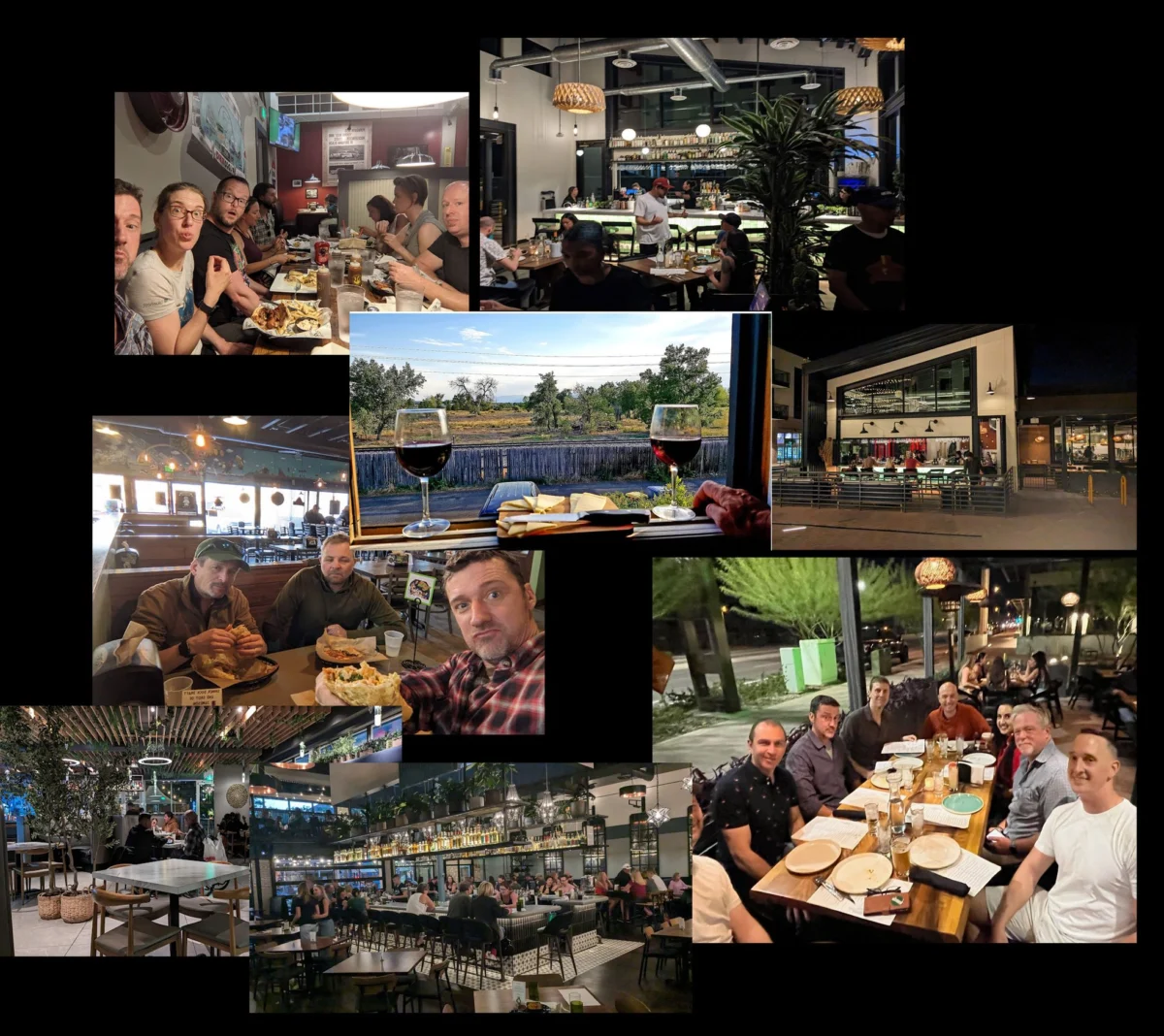
Prominent financial independence advocate Mr. Money Mustache, known publicly as Peter Adeney, has concluded a two-year experiment designed to deliberately increase his personal spending, revealing a modest rise in annual expenditures from approximately $20,000 to $30,000. This increase, which includes enhanced travel, dining, and leisure experiences, remains significantly below the income generated by his substantial investment portfolio, affirming the enduring sustainability of his early retirement lifestyle. The findings offer a unique perspective on the challenges and realities of adjusting spending habits, even for those with considerable wealth.
Background: The Genesis of the "Abundance Mindset"
Mr. Money Mustache gained widespread recognition as a leading voice in the Financial Independence, Retire Early (FIRE) movement, advocating for extreme frugality, high savings rates, and a lifestyle designed to achieve financial freedom long before traditional retirement age. His initial blog posts often detailed a spartan approach to consumption, emphasizing self-reliance and minimizing expenses to maximize savings.
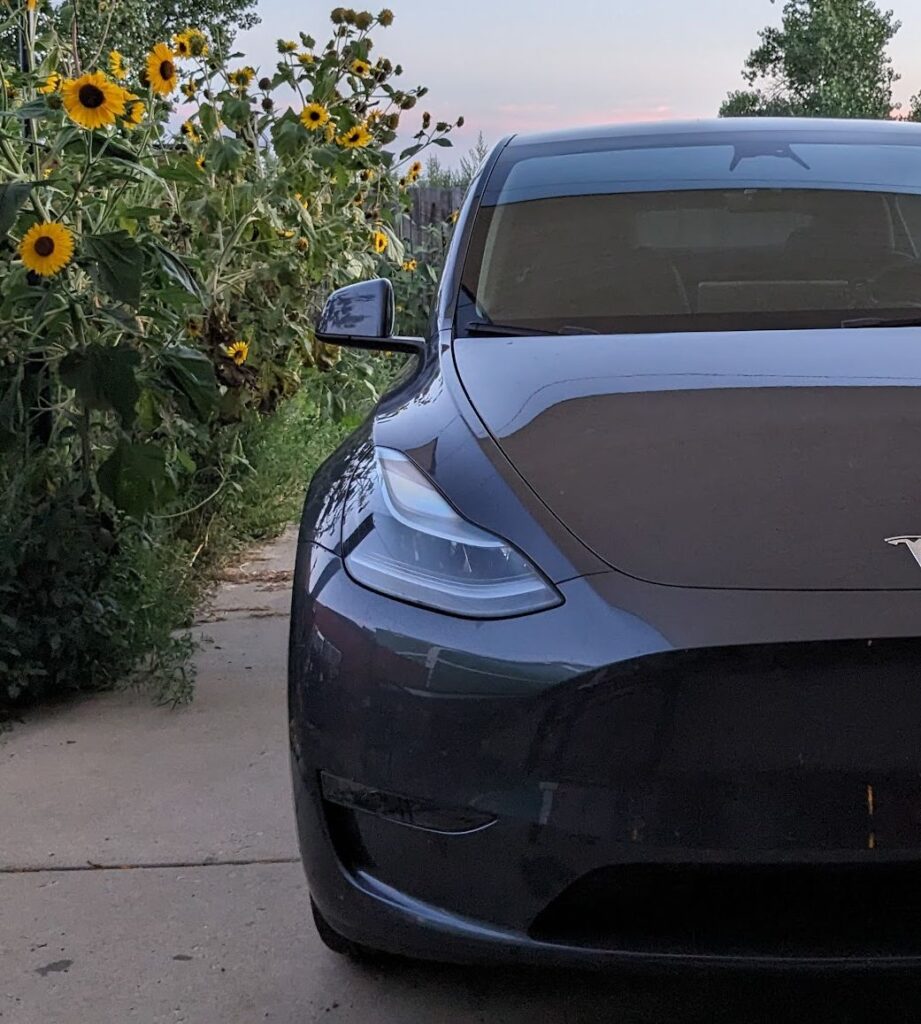
However, in April 2023, Adeney signaled a significant shift in his personal philosophy, publishing a blog post titled "Why Buy a Model Y?" In this article, he announced his purchase of a Tesla Model Y, a decision that reportedly "lost some credibility among the faithful" within his readership. This acquisition was presented not as a departure from his principles, but as a deliberate first step in a new "program" to actively try to spend more money, embracing what he termed an "abundance mindset." He reflected on his internal thought process at the time, envisioning himself as an "enlightened middle-aged Badass, adjusting habits and realigning myself at the snap of my fingers. Onward to the next forty eight years of the Good Life!" This move sparked considerable debate among his followers and the wider personal finance community, with some viewing it as a logical evolution for a financially independent individual, while others perceived it as a contradiction to his long-held tenets of extreme thrift.
The Two-Year Experiment: Embracing Discretionary Spending
Over the subsequent two years, Adeney actively engaged in a lifestyle designed to test the boundaries of his long-ingrained frugality. His aim was to experience a greater sense of abundance, experimenting with spending in categories he had previously minimized. This period saw him making conscious choices to upgrade his experiences, reflecting a shift from strict cost-cutting to valuing convenience and enjoyment.

His enhanced spending habits included:
- Dining: Frequently dining out in "stylish restaurants," moving beyond utilitarian eating to embrace culinary experiences.
- Travel Accommodation: Booking hotels based on "niceness rather than their cheapness," indicating a preference for comfort and amenities over basic lodging.
- Air Travel: Opting for "reduced torture" seats on airplanes, a clear investment in personal comfort during travel.
- Groceries: Exhibiting a relaxed approach to grocery shopping, including purchases from premium stores like Whole Foods, even if it meant "paying double" compared to his usual warehouse clubs. Notably, he maintained memberships at both Sam’s Club and Costco, providing flexibility in his food sourcing.
Beyond everyday expenditures, Adeney’s personal life during this period also facilitated more discretionary spending and adventurous experiences. Having spent much of the year as a single man, his schedule allowed for extensive social engagements and exploration. Highlights included attending numerous late-night EDM concerts with his son and visiting three Meowwolf immersive art venues, culminating in a Christmas Day road trip from his winter home in Tempe, Arizona, to Las Vegas. This period was characterized as a "year of adventurous transition," feeling significantly longer than twelve months due to the density of new experiences.
The Revelation: A Controlled Increase, Not a Spending Spree
Despite these conscious efforts to spend more and his initial confidence that his budget must have "crept back into full American Consumer territory," Adeney deferred tallying his expenditures, enjoying the "abundance mindset." The impetus for a comprehensive financial review came recently when he engaged in informal coaching with a friend, prompting both to calculate their past year’s spending for comparison.
The results, once all transactions were meticulously sorted into a spreadsheet, proved surprising to Adeney. While his overall spending had indeed increased, particularly in travel-related categories, the "big-picture effect was still pretty minimal." Depending on how certain items, such as the initial car purchase and business expenses, were accounted for, his annual spending rose from approximately $20,000 to about $30,000. This figure, critically, excludes the significant advantage of a paid-off home.
Adeney highlighted that this revised spending level could still be comfortably sustained by a $1 million investment nest egg. Given that his actual investments "are quite a bit higher than that," especially after recent periods of economic growth and a sustained stock market rally, he concluded that he remains "way under budget." Despite acknowledging that he "failed" to significantly increase his spending to levels he might consider more typical for "old wealthy people," he expressed contentment, noting that he "genuinely had more fun with the abundance mindset" and plans to continue exploring "more life experiments in the coming years." This outcome reaffirms a core tenet of the FIRE movement: once financial independence is achieved, discretionary spending often remains naturally lower than anticipated, even with conscious efforts to increase it.
Detailed Spending Breakdown: An Analysis of Annual Expenditures
A detailed breakdown of Mr. Money Mustache’s annual spending for the period in question reveals the specific allocations of his $30,026.76 total. This comprehensive budget includes both personal and certain business-related expenditures, offering a transparent view into his financially independent lifestyle.
| Category | From Personal Card | From Business Card | Total | Details |
|---|---|---|---|---|
| Groceries | $5,465.56 | $494.83 | $5,960.39 | For himself, his young adult son (about half the time), and guests. This figure is significantly below the average U.S. household food expenditure, which often exceeds $8,000 annually, demonstrating continued efficiency despite a more relaxed approach. |
| Restaurants | $2,145.11 | $98.48 | $2,243.59 | Designated for "special fun rather than just getting food," indicating a shift towards experiential dining rather than necessity. |
| Travel | $3,982.00 | $2,176.77 | $6,158.77 | A notable increase from previous years, reflecting his intentional efforts to experience more. Business travel primarily covered events like Camp Fi and other conferences, blurring the line between professional engagement and leisure. |
| Utilities | $1,909.51 | $0 | $1,909.51 | Encompasses electricity, gas, water, and other home services. |
| Amazon/House | $949.64 | $2,604.46 | $3,554.10 | Approximately 75% of the business card portion was for construction materials for clients, often friends, which were subsequently reimbursed. This category reflects his ongoing engagement in home improvement and community support. |
| Booze | $250.67 | $0 | $250.67 | Specifically for wine and other beverages intended for entertaining guests. |
| Healthcare | $813.20 | $2,723.46 | $3,536.66 | This cost is maintained at a relatively low level through a combination of Sedera Health Sharing and a Direct Primary Care (DPC) subscription. It also included some advanced blood tests for screening and learning purposes, demonstrating a proactive approach to health management. |
| Automobile | $2,191.68 | $233.53 | $2,425.21 | Primarily covers car insurance and registration for his Tesla Model Y. This figure does not include vehicle depreciation, which would add a significant hypothetical cost to a more comprehensive accounting of car ownership. |
| Phone+Internet | $1,410.56 | $1,410.56 | Includes a $50 monthly Gigabit Internet service and his Google Fi mobile phone bill, typically $25-30 per month plus tax. | |
| Property Taxes | $2,577.30 | $2,577.30 | Described as "surprisingly reasonable given the $500-600k value of houses in my neighborhood," highlighting the benefits of favorable local tax rates or assessment values. | |
| Total | $20,284.67 | $9,742.09 | $30,026.76 |
When compared to his 2019 spending of approximately $20,000, the current $30,026.76 represents a roughly 50% increase over five years. While significant, this rise is partially attributable to inflationary pressures observed globally in recent years. The increase is also concentrated in discretionary areas like travel and entertainment, while core living expenses remain remarkably controlled. For instance, less was spent on home renovation during this period, partly due to his increased travel. A new cost category is health insurance, which was self-insured in 2019.
Key Pillars of Frugality: Housing and Healthcare Strategies
Two of the most substantial financial advantages in Adeney’s budget are his housing situation and his unconventional healthcare strategy. These elements are critical in understanding how he maintains a relatively low annual expenditure despite significant wealth.
Housing: Debt-Free Living
The most notable absence from Mr. Money Mustache’s budget is conventional housing costs, such as mortgage payments. He paid off his house "long ago," eliminating what is typically the largest expense for most individuals and families. This decision, while not always the "optimum financial one" (as he acknowledges that taking out a low-interest mortgage in 2021 and investing the principal would have yielded higher returns in the stock market), provides him with "great peace of mind."
Beyond the absence of a mortgage, his hands-on approach to home maintenance further reduces costs. By personally handling tasks like lawn mowing, plumbing, tree pruning, and general handyman services, he avoids recurring bills for these common household services. This self-reliance contributes significantly to his low annual spending. An additional benefit of his debt-free home is the ability to forgo traditional house insurance, saving him another estimated $2,000 per year, which he considers an effective return on his initial mortgage payoff.
Healthcare: A Proactive and Alternative Approach
Healthcare expenses, often a major concern for those in early retirement or self-employed individuals, are managed through a distinctive two-tiered system by Adeney. His primary focus is on preventative health, aiming to avoid medical issues entirely.
His current healthcare strategy includes:
- Direct Primary Care (DPC) Clinic Membership: At a cost of $107 per month, this provides personalized, direct access to a medical clinic without the intermediaries of traditional insurance. DPC models typically offer unlimited primary care, often including basic labs and procedures, for a flat monthly fee.
- Health Sharing Organization (Sedera): A high-deductible plan costing $201 per month, this acts as a form of catastrophic coverage. Health sharing ministries are not insurance companies but rather groups of individuals who agree to share medical expenses based on a common ethical or religious belief. They are often less expensive than traditional insurance plans but come with specific considerations and limitations.
The combined cost of these two components is $308 per month, which Adeney notes is "less than the cheapest Bronze plan in the field of standard health insurance." This setup provides him with "personalized support with zero deductible for almost all typical medical needs," coupled with "some protection from larger medical bills if my good luck runs out." He openly states he is not a healthcare expert due to his limited experience with the traditional medical system, attributing this to "good health and good luck" and his prioritization of "arranging my days for maximum health."
Implications for the FIRE Movement and Personal Finance
Mr. Money Mustache’s two-year "abundance experiment" offers several key implications for the FIRE movement and the broader discourse on personal finance:
- The Enduring Power of Frugal Habits: Even with a deliberate intention and ample financial capacity to spend more, deeply ingrained frugal habits can be remarkably persistent. This suggests that for many who achieve financial independence through disciplined savings, a luxurious lifestyle may not naturally follow, or even be desired. The satisfaction derived from efficiency and conscious consumption can outweigh the allure of higher spending.
- Redefining "Wealth": Adeney’s experience reinforces the idea that true wealth, for many in the FIRE community, is not about conspicuous consumption but about freedom, choice, and peace of mind. The ability to choose not to spend, even when able, becomes a measure of success. His continued under-budget spending despite a substantial nest egg highlights that once basic needs and core desires are met, marginal utility of additional spending diminishes rapidly.
- The "Optimization Council" Principle: His reflection on improving life quality aligns with the concept of an "Optimization Council," a term he previously used to describe a continuous process of comparing spending, tips, and tricks to maximize life satisfaction. His current efforts to address "physical chaos" (lack of workshop space) rather than simply "doubling down on things that are already good" illustrates this principle: fixing persistent problems often yields greater happiness dividends than adding more to an already satisfactory life.
- Challenging Assumptions about Retirement Spending: Conventional financial planning often assumes a significant increase in discretionary spending during retirement, particularly in early retirement. Adeney’s data suggests that for a segment of the population, especially those who embraced frugality to achieve FIRE, spending might naturally stabilize at a relatively low, yet fulfilling, level.
Future Aspirations and Lifestyle Optimization
Looking forward, Mr. Money Mustache continues to evaluate opportunities for lifestyle optimization, driven by a principle that "fixing your persistent problems is more effective than just doubling down on things that are already good in your life." He expresses high satisfaction with his current circumstances, noting that his "family, friends, relationships, health, food and daily activities are pretty much as good as I could imagine."

His primary identified "annoyance" is "physical chaos," stemming from his space-intensive hobbies like construction and music, which currently overwhelm his "pretty small house" and its "maxed out" 2-car, 440-square-foot garage. He desires a doubling of his workshop space to approximately a thousand square feet. However, he also values his current location, views, and neighbors, making him hesitant to relocate unless a "perfect opportunity comes up for a bigger place right on my block."
In the longer term, more ambitious ideas are on his "maybe" list, such as a "mountain compound with its own cliffs and stream." Yet, he critically assesses whether adding another property would genuinely enhance his happiness, given that his existing house and HQ Coworking space already demand significant attention and have "long to-do lists." This reflects a pragmatic approach to material aspirations, where potential acquisitions are weighed against existing commitments and the potential for increased stress or reduced leisure. For now, he remains focused on optimizing his current resources and projects, expressing "extreme excitement to blaze into 2025 with loads abundance and piles of challenging stuff on my to-do list."
Market Insight: Electric Vehicle Tax Credits and Consumer Advice
In a timely note for potential consumers, Mr. Money Mustache included observations on the electric vehicle (EV) market, particularly concerning Tesla models. He highlighted that "rumor has it that the $7500 EV tax credit might be disappearing when our new president takes over next week," suggesting that this period could represent "the cheapest chance to buy what I feel are the best cars on the market: The Model Y, or Model 3."
He further noted that both used and new prices for these Tesla models are currently at "record lows." For those considering a purchase, he advised shopping around and mentioned the availability of an additional $1,000 discount on a new vehicle when using a referral code. He provided a referral link on his blog for those who might need one, consistent with his practice of using referral links for products when possible, which may generate a commission for the blog. This market commentary provides a practical, consumer-oriented insight, independent of his personal spending experiment, reflecting his ongoing engagement with topics of value and efficiency.

