
Escalating Military Deployments and Preparations
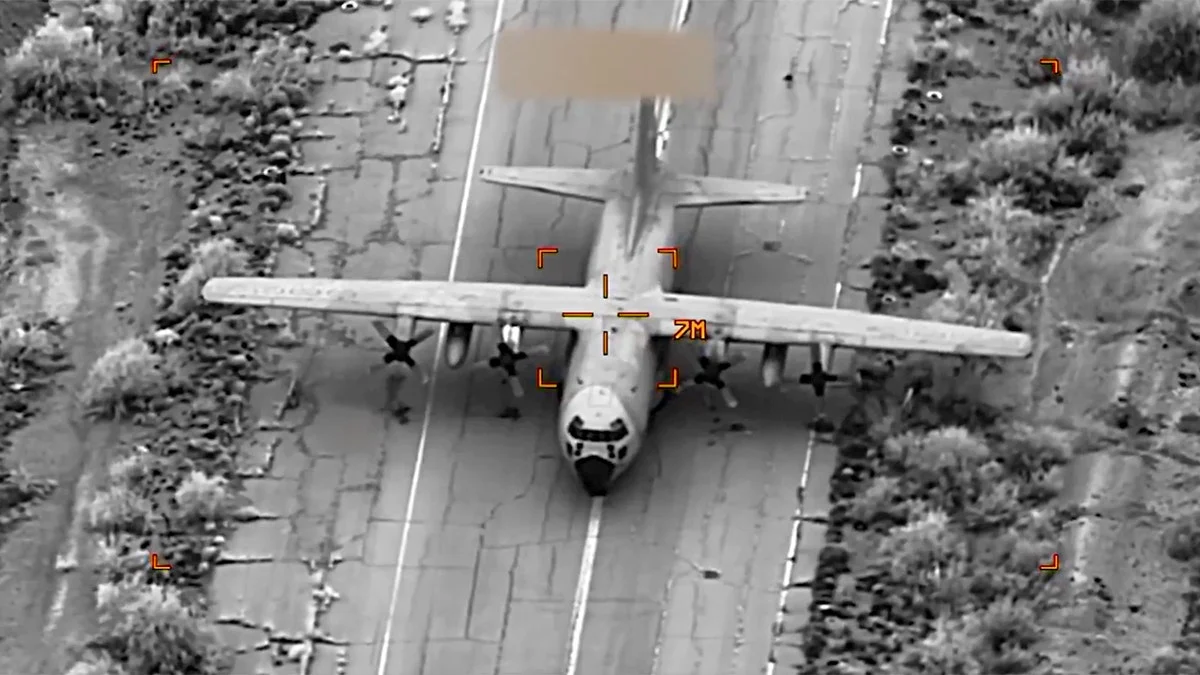
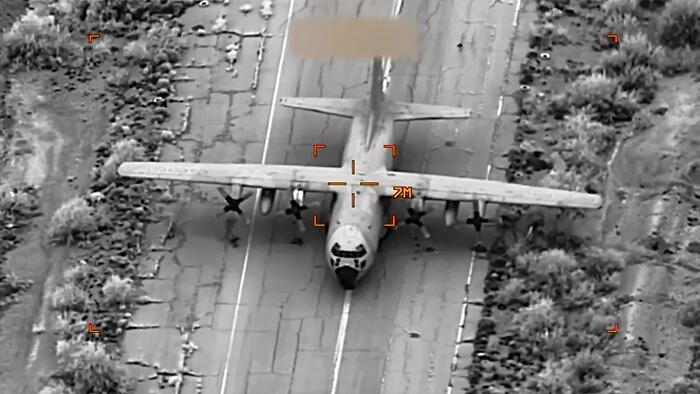
The most recent and overt sign of this heightened state of alert came late Thursday, when Israel’s national KAN News reported the arrival of ten US Air Force transport planes at various airbases in southern Israel. This deployment, according to KAN, is part of a broader surge in Pentagon equipment transfers across the region, explicitly characterized as preparation for a "short, focused war with Iran." While specific cargo manifests were not disclosed, the report indicated that these aircraft were likely stocked with crucial air defense systems, signifying a preemptive measure to protect key assets and personnel in the event of an offensive. The deployment of advanced air defense capabilities like the Patriot missile system is often a precursor to offensive operations, designed to shield staging areas and critical infrastructure from retaliatory strikes.
Confirmation of these airlifts into Israel followed closely on the heels of a detailed report from The Wall Street Journal, which disclosed further elements of the extensive US military buildup. The Journal revealed that the US military is in the process of transferring an additional Patriot missile system to Israel from Texas. This move, corroborated by flight-tracking data and insights from defense officials, aims to significantly bolster Israel’s already formidable missile defense capabilities. The Patriot system, known for its ability to intercept tactical ballistic missiles, cruise missiles, and advanced aircraft, represents a critical layer of protection in a region rife with missile threats. Its deployment underscores the seriousness with which both the US and Israel are approaching the potential for conflict.
Beyond missile defense, the Journal’s reporting outlined a comprehensive rearmament and readiness drive. US forces already stationed in the region have been observed restocking their munitions stockpiles, a clear indicator of preparation for sustained military operations. Concurrently, bomber aircraft and jet fighters are reported to be actively preparing for potential strikes, suggesting that offensive air capabilities are being readied for rapid deployment. Furthermore, an additional aircraft-carrier strike group, a formidable projection of naval power, along with a Marine expeditionary unit, is poised to join the existing armada of approximately 20 warships currently operating in the Middle East. While some rotation of existing naval assets is expected, the overall trend points to a substantial increase in US military presence and capability in the Persian Gulf and surrounding waters, designed to provide a wide range of options from deterrence to direct engagement.
Persistent Iranian Provocations in the Strait of Hormuz
Despite this visible and extensive military buildup by the United States and its allies, there appears to be little, if any, discernible deterrent effect on Iranian actions. Tehran has continued its pattern of daily provocations targeting international shipping in the crucial Strait of Hormuz. The past week alone has seen at least half a dozen incidents involving tanker attacks, mine hits, or other incidents resulting in serious damage to vessels transiting the narrow waterway. These actions, often attributed to Iran’s Islamic Revolutionary Guard Corps (IRGC), serve to demonstrate Iran’s capacity to disrupt global energy supplies and exert pressure on regional and international actors.
The latest reported incident occurred on Friday, when Iran’s semi-official Fars news agency claimed that an oil supertanker had struck a mine in the Strait of Hormuz. While independent verification of such incidents is often challenging in the immediate aftermath, such claims, regardless of their veracity, contribute to the escalating sense of instability and risk in one of the world’s most vital maritime choke points. The Strait of Hormuz, a narrow passage between the Persian Gulf and the Arabian Sea, sees roughly one-fifth of the world’s total oil supply pass through it daily, making any disruption a significant threat to global energy markets and economic stability. The repeated targeting of commercial shipping represents a direct challenge to freedom of navigation and international maritime law.
The US has reportedly been actively warning its Gulf allies, including Saudi Arabia, the UAE, and Bahrain, of the impending possibility of new rounds of strikes on Iran. These warnings implicitly acknowledge the high probability of Iranian retaliation, which the Pentagon appears to deem difficult, if not impossible, to completely prevent or contain. Such warnings highlight the shared vulnerability of regional partners and the complex web of interconnected security challenges in the Middle East.
White House Deliberations and Strategic Options
Against this backdrop of escalating tensions and military preparations, top US admirals convened at the White House on Thursday to brief the Commander-in-Chief on various "options" for a renewed conflict with Iran. The high-level meeting included CENTCOM chief Adm. Brad Cooper, Defense Secretary Pete Hegseth, and Joint Chiefs Chairman Gen. Dan Caine, signaling the gravity and strategic importance of the discussions. The presence of such senior military leadership underscores the detailed planning and consideration being given to potential military actions.
According to reports from Axios, the meeting also included Vice President JD Vance, Energy Secretary Chris Wright, and White House Chief of Staff Susie Wiles, indicating that the deliberations extended beyond purely military considerations to encompass broader geopolitical, economic, and domestic implications. This multidisciplinary attendance suggests a comprehensive assessment of the potential ramifications of any military action. A significant portion of the meeting was reportedly dedicated to the status of the US Navy mission in the Strait of Hormuz, a critical operational theater where record levels of wartime oil transit are currently underway.
The administration, it appears, might be content with maintaining an "uneasy status quo" in the Strait, a situation that has heavily relied on "dark" transits – where vessels operate without broadcasting their positions – and smaller ship-to-ship transfers, all ostensibly under the "protection" of the US Navy. This strategy aims to circumvent sanctions and minimize direct confrontation while still ensuring some flow of oil, albeit through less transparent and riskier methods. However, the viability of such a precarious balance in the face of persistent Iranian aggression and a growing US military footprint remains a significant point of contention and concern among analysts. The discussion around maintaining this status quo reflects the administration’s struggle to find a definitive solution to Iran’s regional destabilization efforts without resorting to full-scale conflict.
Diplomatic Efforts Amidst Rising War Drums
Despite the pronounced military posturing, there are lingering suggestions of diplomatic avenues, however fragile. At a time when Iran has shown no signs of backing off its stated conditions for ending the current standoff, one influential diplomat has hinted at the possibility of a "timeout" in hostilities. US Ambassador to Turkey Tom Barrack, speaking to CNN on Thursday, expressed cautious optimism, stating that the U.S. and Iran are "very close" to a deal aimed at deescalating tensions. "I think we’re very close to finally getting to a place where we can say, ‘Let’s just have a timeout,’" Barrack said. "We’re not going to have an overall solution immediately, but we can allow the region to find its own pace."
This statement, however, stands in stark contrast to the overwhelming evidence of military buildup and the hardline rhetoric emanating from both Washington and Tehran. Such expressions of diplomatic hope have been voiced numerous times throughout the prolonged crisis, often proving to be fleeting. Iran’s conditions for de-escalation typically include the lifting of crippling US sanctions and a return to the terms of the 2015 nuclear deal, from which the Trump administration unilaterally withdrew. Given the current administration’s "maximum pressure" campaign, a substantive diplomatic breakthrough appears increasingly challenging, making Ambassador Barrack’s comments seem more aspirational than indicative of imminent progress. The chasm between the military readiness and these faint diplomatic signals highlights the complex and often contradictory nature of US foreign policy in the region.
Adding to the fog of war, there have been independent and localized reports of limited US attacks against the southern Iranian coast. These alleged strikes reportedly targeted rocket launch sites and other Iranian "defensive" positions. However, such claims have largely remained unproven and unconfirmed, lost in the chaotic and often opaque information environment that characterizes modern conflict. The inability to definitively confirm or deny these reports underscores the difficulty in obtaining accurate information during periods of heightened military activity and competing national narratives.
Congressional Opposition and Legality Concerns
Further signaling a potential rapid escalation, particularly after the upcoming midterm elections, is the revelation by Democratic Senator Chris Murphy. Late this week, Senator Murphy disclosed that he had been briefed on the Trump administration’s plans to resume significant military operations after the November 3 vote in the US. His reaction was stark and unequivocal, describing the plan as "insane" and warning that it "will lead to devastating escalation and the likely destruction of our commitment to the rule of law."
Senator Murphy, a vocal critic of the administration’s Iran policy, highlighted alarming aspects of the proposed strategy. He warned of potential US strikes on Iranian civilian infrastructure, an tactic he suggested was designed to sow societal breakdown and collapse within the country. While he did not elaborate with specific details, the implication of targeting civilian assets raises profound ethical and legal questions under international humanitarian law. "The plan that they have developed will lead, in my view, to a prolonged escalation of this war that will be devastating for our security interests," Murphy asserted, also cautioning about the increased risk to American service members who would be deployed in such a conflict.
The Senator further condemned the White House for its apparent disregard for Congressional authorization for military action. "Every first year law student could tell you that this war is illegal" in the domestic sense, Murphy stated, referencing the constitutional requirement for Congress to declare war. He went on to argue that such a plan would also "clearly be in contravention of international law and commitments that we have made to the rule of law to deliberately target civilians and to use the harm or potential harm of civilians as leverage in war." This legal challenge highlights the growing friction between the executive and legislative branches over war powers, a recurring theme in US foreign policy.
Murphy characterized the current trajectory as a "cycle of escalation," a pattern that he argued has been evident throughout the summer. Each new US military action, he contended, has predictably led to a new round of Iranian escalation, often manifesting in missile and drone attacks against America’s Gulf allies. This feedback loop of action and reaction creates a volatile environment where miscalculation could quickly spiral into a wider regional conflagration. The senator’s concerns resonate with a broader segment of the international community that fears the unpredictable consequences of an unconstrained military conflict with Iran.
Broader Implications and Uncertainties
The potential for a "short, focused war" with Iran carries immense and far-reaching implications, both regionally and globally. Geopolitically, such a conflict would destabilize an already volatile Middle East, potentially drawing in other regional actors and further exacerbating existing proxy conflicts in Yemen, Syria, and Iraq. The humanitarian cost would likely be catastrophic, with untold civilian casualties, displacement, and a deepening refugee crisis.
Economically, the impact would be felt worldwide. A major conflict in the Strait of Hormuz would almost certainly disrupt global oil supplies, sending crude prices soaring and potentially triggering a global recession. Shipping insurance rates would skyrocket, making maritime trade through the region prohibitively expensive and diverting critical supply chains. The "dark transits" currently facilitating some oil flow would likely cease, further constricting the market.
For the Trump administration, embarking on a new military engagement without a clear endgame could significantly complicate its foreign policy legacy and face immense domestic political fallout, especially if the conflict proves to be prolonged or costly in terms of American lives. The lack of a defined "mission accomplished" moment, as highlighted by public sentiment, harks back to previous protracted conflicts in the Middle East, raising concerns about strategic drift and unintended consequences.
The confluence of increasing military deployments, persistent Iranian provocations, a lack of clear diplomatic progress, and robust congressional opposition paints a picture of extreme tension and uncertainty. As the November 3 election looms, the possibility of military action against Iran remains a deeply concerning and unresolved question, with profound implications for regional stability and global security. The coming weeks will likely determine whether the region veers towards a negotiated de-escalation or plunges into an unpredictable and potentially devastating conflict.

