
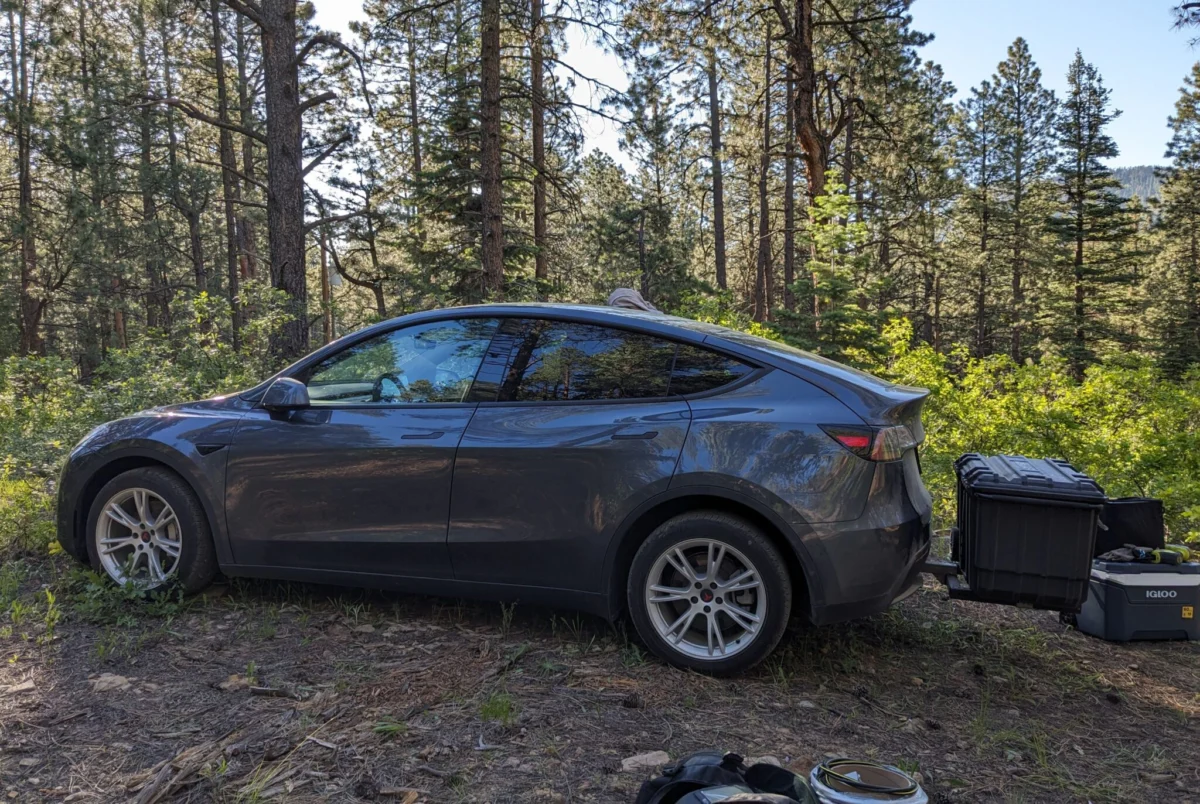
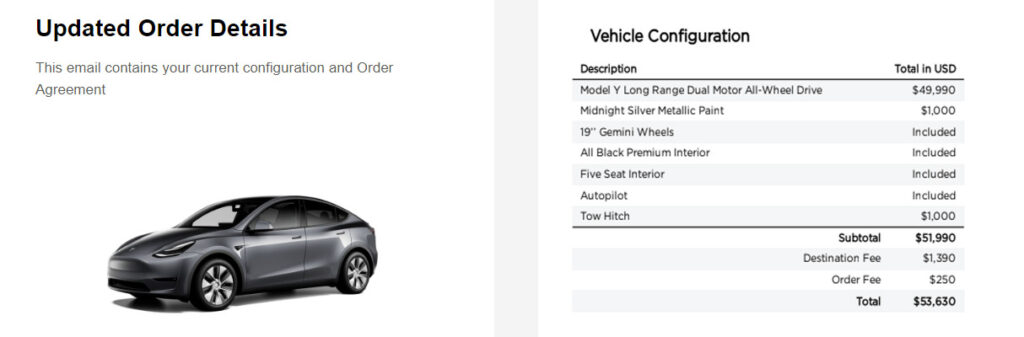
In a notable departure from his long-established principles of extreme frugality and anti-consumerism, Peter Adeney, widely known as Mr. Money Mustache, has acquired a 2023 Tesla Model Y. The purchase, with a net cost of approximately $52,000 after taxes and credits, marks a significant philosophical shift for the influential financial blogger, who has championed early retirement through disciplined saving for nearly two decades. This acquisition replaces a 1999 Honda van, bought for $4,500 twelve years ago, which served as a symbol of his practical, minimalist approach to transportation. The move has prompted Adeney to articulate a new framework for spending among the financially independent, moving beyond mere accumulation to embrace strategic allocation for life enrichment.
Background: The Icon of Frugality and the FIRE Movement
Mr. Money Mustache rose to prominence as a leading voice in the Financial Independence, Retire Early (FIRE) movement. His blog, launched in 2011, became a cornerstone for individuals seeking to achieve financial freedom through aggressive saving, smart investing, and a profound rejection of consumerist culture. Adeney’s own story—retiring at age 30 with a substantial investment portfolio built through high savings rates—served as a powerful example. His teachings often emphasized minimizing expenses, particularly on depreciating assets like cars, and advocating for alternative transportation or the longest possible lifespan for existing vehicles. He frequently critiqued what he termed "car culture," arguing that most people overspend on automobiles and use them more than necessary. His 23-year-old Honda van, affectionately dubbed "Vanna," embodied this philosophy, faithfully transporting him across mountains and deserts and assisting in numerous home renovation projects. This deeply ingrained ethos of optimization and conservation made the decision to purchase a new, luxury electric crossover a subject of considerable internal debate and public discussion.
The Catalyst for Change: From Van Failure to Tesla Acquisition
The journey to the Tesla Model Y was not impulsive but rather the culmination of years of contemplation and a recent practical necessity. For four years, Adeney admits to procrastinating on buying an expensive car, despite encouragement from peers and readers to "loosen up and treat himself." This hesitation stemmed from his deeply ingrained frugal habits, which made any perceived "splurge" a significant mental hurdle.
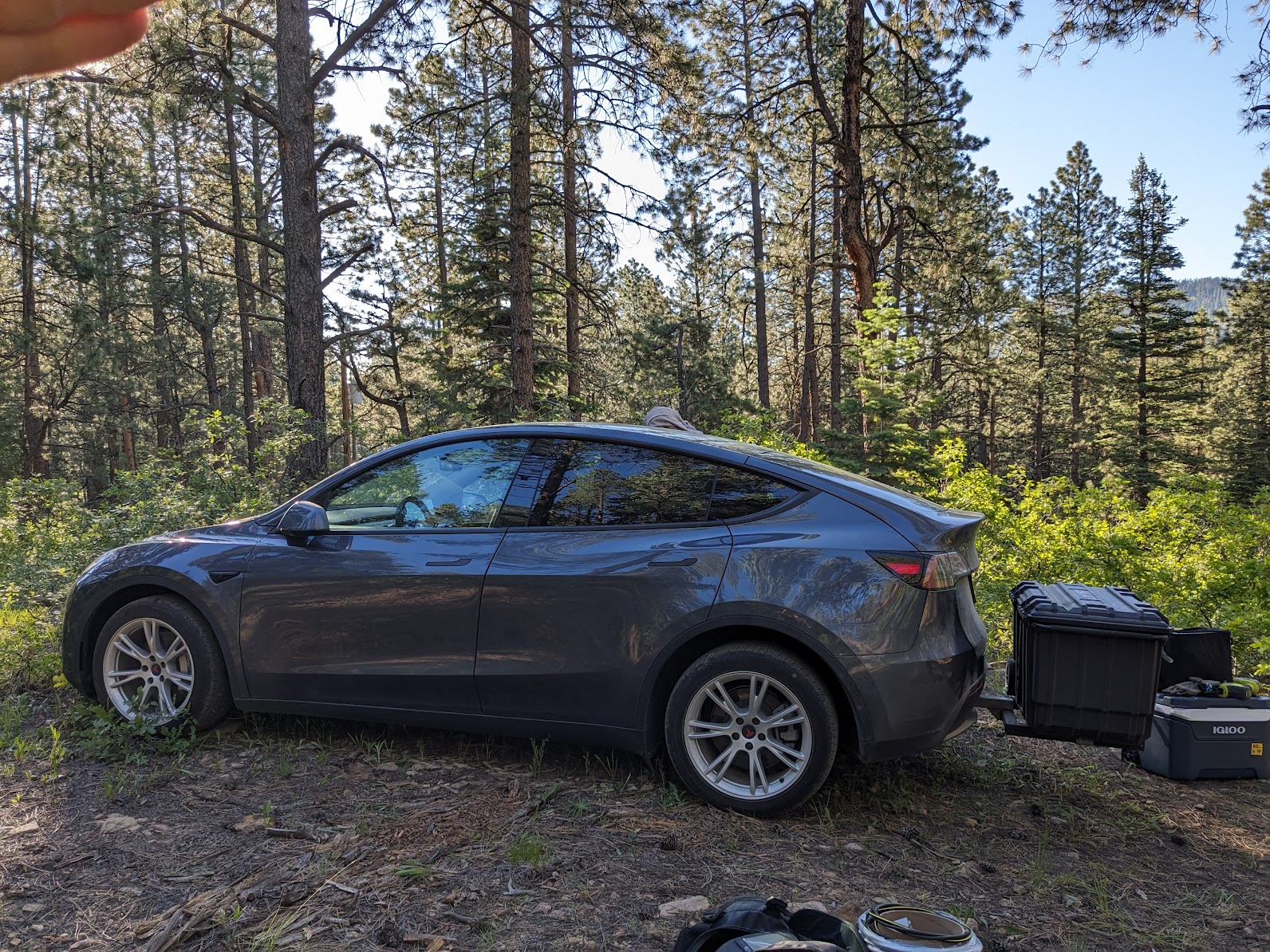
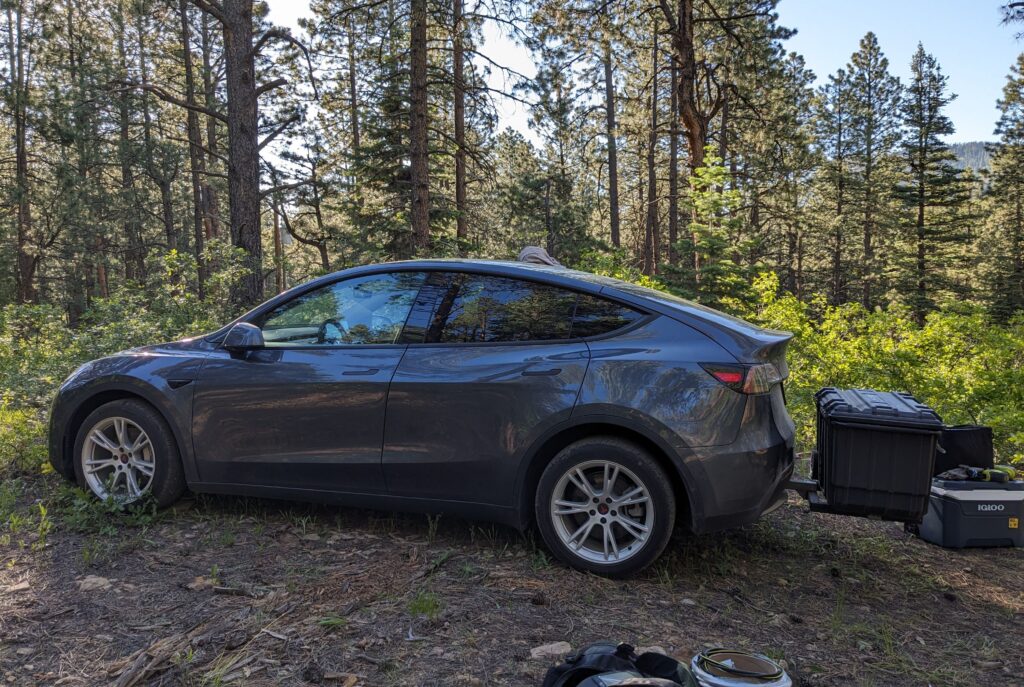
The definitive catalyst arrived when his venerable Honda van, after 23 years of service, experienced a final, critical transmission failure on a mountain pass while returning from a new property in Salida, Colorado. This event, rather than being a misfortune, was reframed by Adeney as a necessary "nudge." Prior to this, his transportation options included a Nissan Leaf, suitable only for local Denver-area travel due to its limited range, and the increasingly unreliable van. The lack of a dependable, long-range vehicle had become a consistent source of stress, causing him to avoid certain trips and miss potential experiences, particularly with his renewed interest in travel and "Carpentourism" (combining carpentry projects with travel) at his new vacation rental compound. The Model Y, with its all-wheel drive, faster-than-Lamborghini acceleration, seven-person capacity, and advanced computer gadgetry, addresses these pain points by offering reliability, range, and capability for extended adventures. The first photograph of the new Tesla shows it on its maiden camping trip, underscoring its intended use for experiences rather than mere status.
An Evolving Philosophy: "What Got You Here, Won’t Get You Where You’re Going"
Adeney’s rationale for the Tesla purchase is rooted in an adaptation of a classic business adage: "What got you here, won’t get you where you’re going." For many financially independent individuals, the relentless focus on accumulation that enabled early retirement can become a psychological barrier to enjoying their wealth. The habit of extreme frugality, while essential for building a nest egg, can persist even when financial abundance makes it unnecessary.
He illustrates this with a personal anecdote about a $6.99 loaf of "Dave’s Killer Bread" at a standard grocery store, a price significantly higher than what he’d typically pay at a bulk retailer. His initial reaction was one of outrage and a desire to boycott. However, after a mental battle of "Grocery Shopping With Your Middle Finger," he concluded that the marginal saving of a few dollars would not genuinely impact his long-term happiness or financial security. This seemingly trivial decision highlighted a deeper psychological struggle: the difficulty of switching from a scarcity mindset to an abundance mindset. This struggle is not unique to him; a similarly wealthy friend, also early retired through disciplined frugality, confessed to facing identical internal conflicts, such as opting for an hour-longer bus ride to the airport instead of a convenient Uber.
Recognizing this common challenge, Adeney and his friend developed three guiding principles designed to help financially independent individuals enjoy their life savings more effectively:
Principle #1: The Minimum Spending Budget
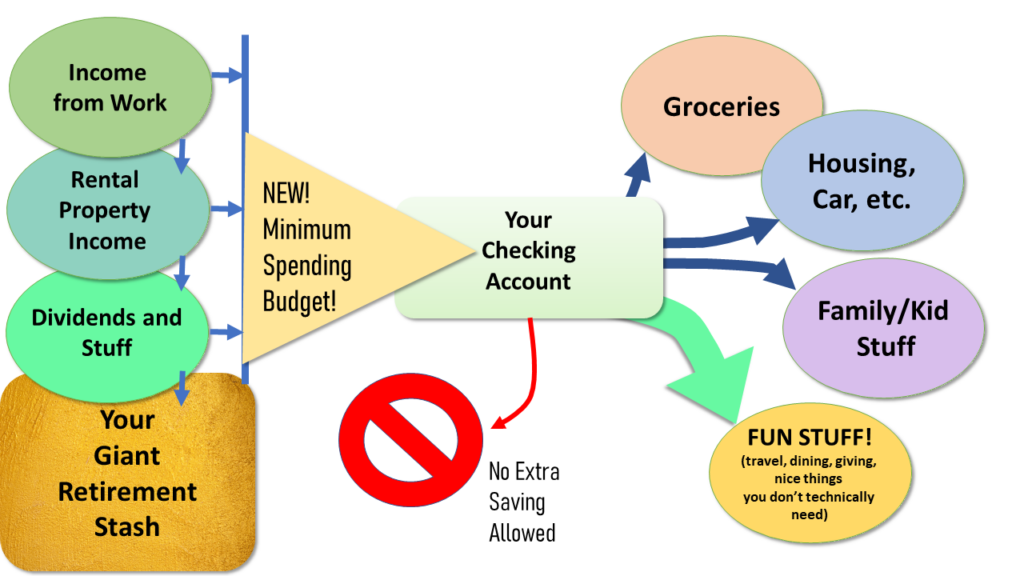
This principle addresses the tendency of many financially independent individuals, often dubbed "Mustachians," to continue living far below their means even when their wealth allows for significantly more. Adeney posits a hypothetical individual with a $2 million investment portfolio. According to the widely accepted 4% rule, this person could safely withdraw and spend $80,000 annually without depleting their principal. Even adopting a more conservative 3% withdrawal rate would allow for $60,000 in annual spending, excluding any side income, future inheritances, or social security. Yet, many such individuals continue to live on $40,000 or less, often firing the "middle finger" at minor splurges like a $14 restaurant Cabernet or delaying necessary upgrades like an electric car. Their primary instinct remains to save any extra money, perpetuating a cycle of accumulation without corresponding enjoyment. The "Minimum Spending Budget" aims to establish a baseline spending level that encourages more deliberate enjoyment of accumulated wealth.
Principle #2: The Dedicated Money Wasting Account
To overcome the psychological aversion to "frivolous" spending, Adeney proposes creating a dedicated fund specifically for non-essential purchases. He draws a parallel to business travel, where individuals often spend freely when someone else (an anonymous corporation) is footing the bill. The goal is to make one’s own money "feel like somebody else’s." By consciously setting aside a portion of wealth into an account earmarked for "wasting," individuals can psychologically detach from the perceived guilt of spending. This formalizes permission to indulge in desires without triggering the deeply ingrained frugal reflexes. This mechanism serves as a mental trick to bypass the internal resistance to spending, transforming a "splurge" from a transgression into a planned allocation.
Principle #3: The Splurge Accountability Buddy
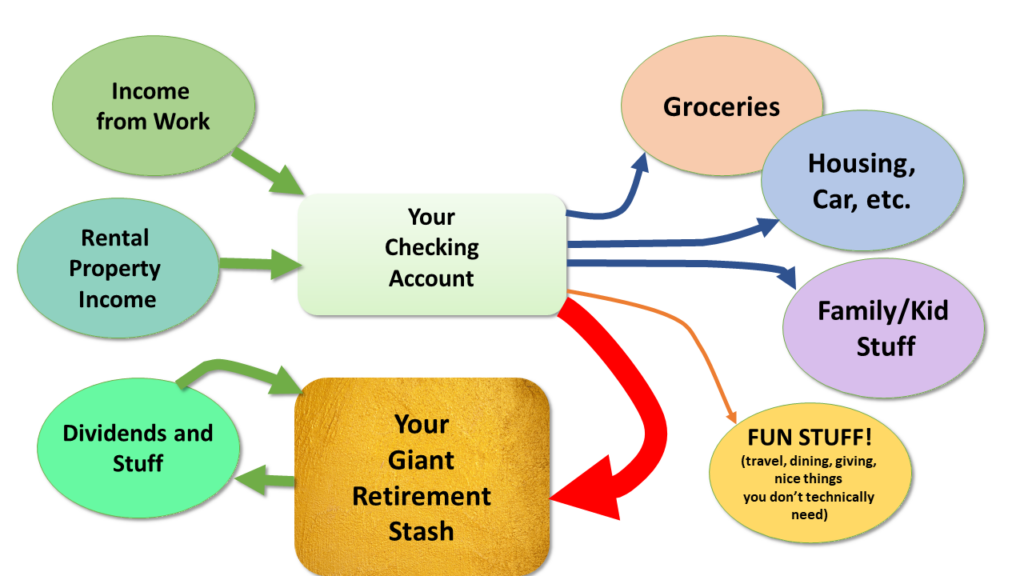
Acknowledging the social nature of habit formation, Adeney advocates for a "Splurge Accountability Buddy." Frugal individuals often surround themselves with like-minded peers, inadvertently reinforcing their conservative spending habits. By teaming up with friends who share similar financial independence but also struggle with over-optimizing, individuals can mutually support each other in breaking these patterns. This involves questioning cheapness, cheering on appropriate splurges, and holding each other accountable for enjoying their wealth. Adeney cites his wealthy friend who has improved in treating himself and his family, and his friend Carl (Mr. 1500 Days) who finally replaced his old minivan with a Chevrolet Bolt. This communal approach provides external validation and encouragement, making the shift from extreme frugality to strategic spending a shared and more achievable endeavor.
Financial Implications and Cost Analysis of the Tesla Model Y
The acquisition of the Tesla Model Y represents a significant increase in annual transportation costs for Adeney. He estimates the new car will cost approximately $10,000 more per year than his old van. This figure accounts for several factors:
- Depreciation: New cars, especially luxury models, depreciate rapidly.
- Insurance: Higher vehicle value translates to higher premiums.
- Electricity: While cheaper than gasoline, charging costs contribute to the overall expense.
- Maintenance: Although Teslas are known for lower routine maintenance, unforeseen repairs or software updates can add costs.
Despite this increased expenditure, Adeney views it as a "solid first step" in his experiment to spend more purposefully. He notes that his personal "spending deficit" (the difference between his safe withdrawal rate and his actual spending) was "several times more than $10k per year." Therefore, this additional cost is well within his financial capacity and aligns with his goal of directing more funds towards experiences, travel, hotels, and dining out. The Tesla’s role in facilitating "epic camping trips, dream dates, and long adventures" underscores its strategic value in enhancing his quality of life and enabling richer experiences.
Addressing Criticisms: Philanthropy vs. Personal Enjoyment
Adeney anticipates and directly addresses the common critique that wealthy individuals should donate more to charity rather than spend on themselves. He acknowledges the validity of philanthropic endeavors, stating, "the world has problems and the richer you are, the more you should consider giving generously." However, he also pushes back against what he calls "whiny people who constantly send complaints like this out to strangers on the Internet," deeming such negativity counterproductive.
He highlights his own significant philanthropic contributions, revealing that he has donated over $500,000 to various causes since starting his blog. This substantial giving occurred even while he resisted replacing his aging van, demonstrating that generosity and self-deprivation are not mutually exclusive. He explains a psychological trap he experienced: comparing his "meager" personal spending to his much larger donations led to a "scarcity mentality," causing irrational fear about spending even $100 on a dinner date. This internal conflict, driven by an illogical fear of running out of money despite ample reserves, underscores the deep-seated nature of frugal habits.
Adeney advocates for a "happy medium": responsible stewardship of savings, generous charitable giving, and the allocation of funds for personal enjoyment and the well-being of those closest to oneself. He suggests that minor splurges, such as paying extra for a better airplane seat to reduce travel stress or buying more expensive groceries for convenience, are acceptable if they genuinely enhance happiness and reduce angst. The Tesla, in this context, is presented as a means to alleviate the stress of unreliable transportation and unlock new positive experiences, allowing him to "lean back as it shoots me gracefully through even the highest mountain passes, forever leaving the desperately underpowered wheezing and gear shifting and noise of the gasoline era behind."

Broader Implications and The Model Y Experiment
Mr. Money Mustache’s shift in spending philosophy has broader implications for the FIRE community and individuals navigating financial independence. It suggests an evolution beyond the initial phase of aggressive accumulation, moving towards a more nuanced understanding of wealth management that includes intentional spending for well-being. The challenge for many who successfully achieved early retirement is not how to make more money, but how to effectively deploy their existing wealth to maximize life satisfaction. His public embrace of this shift, despite his long-standing frugal reputation, provides a template for others grappling with similar psychological barriers.
To further document this new chapter, Adeney has launched "The Model Y Experiment," a dedicated tracker page on his blog. This platform will serve as an ongoing record of his ownership experience, covering aspects such as reliability, customer service, quirks, modifications, and upgrades. This transparency offers his audience a real-time account of his journey, providing practical insights into Tesla ownership from a former extreme frugalist’s perspective and demonstrating the practical application of his evolving financial principles. The decision to document this experience publicly reinforces his commitment to sharing honest financial lessons, even when they challenge his own previous teachings.
The disposal of the old Honda van itself was handled with characteristic efficiency, using an online salvage service called Peddle. The van fetched $715, which Adeney purposefully allocated entirely to "splurges like dinners out," reinforcing the article’s central theme of intentional, enjoyable spending. This complete cycle, from the old vehicle’s end to the new car’s purpose, encapsulates a significant pivot in the philosophy of one of the financial world’s most influential voices, signaling that true financial independence encompasses not just the freedom from work, but also the freedom to strategically enhance one’s life.

