
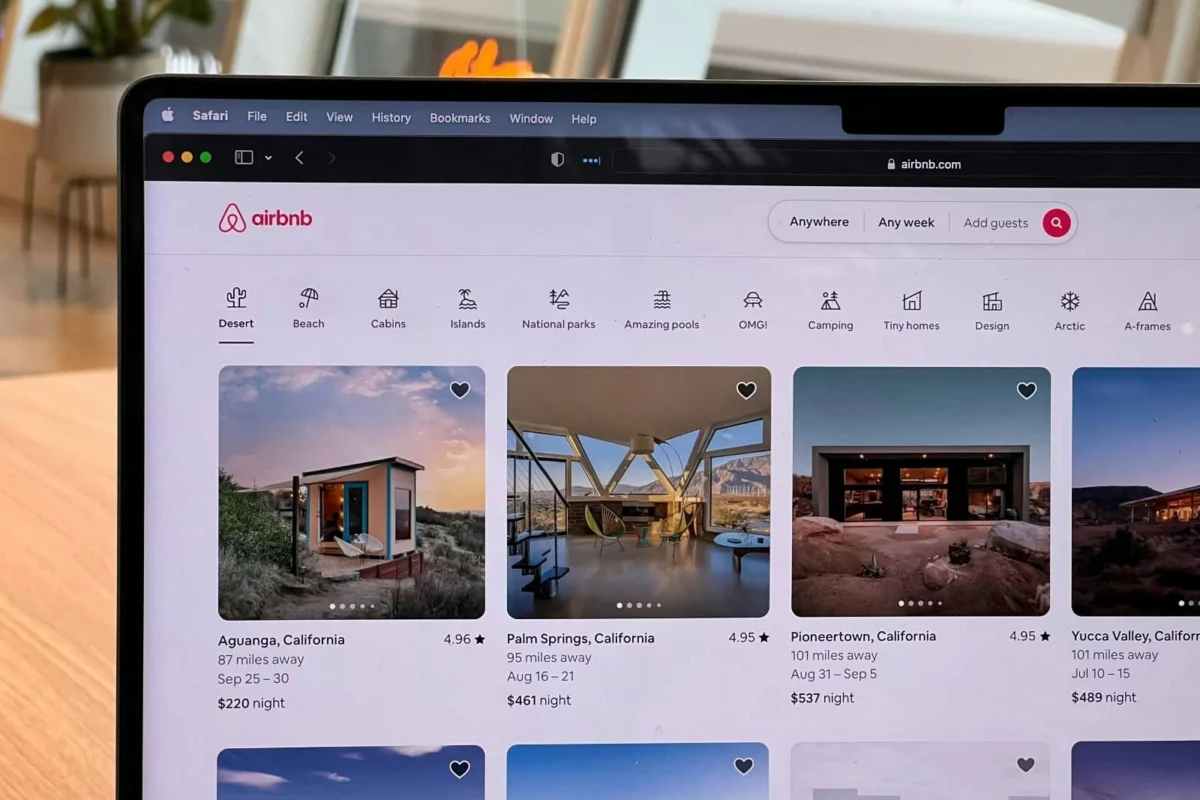
The highly anticipated Summer 2026 release from Airbnb, unveiled by CEO Brian Chesky, generated significant buzz around its expansion into car rentals, boutique hotels, and grocery delivery services. However, beneath the headlines focused on these guest-facing service additions, a more profound and potentially disruptive shift has been implemented: the quiet integration of four advanced Artificial Intelligence (AI) features. These AI-driven enhancements, largely overlooked by mainstream coverage, are poised to fundamentally alter how properties are presented and, consequently, which listings secure bookings on the platform.
The core of this transformation lies in Airbnb’s strategic pivot towards hyper-personalization at the individual listing level. Gone are the days of a single, static presentation for each property. Moving forward, the content, imagery, highlighted amenities, and even the specific reviews displayed on a listing page will dynamically adapt based on Airbnb’s sophisticated understanding of each prospective guest’s unique profile, travel intent, and historical preferences. This means that two different users viewing the same property listing could be presented with entirely different information and emphasis, creating a tailored experience designed to maximize conversion for that specific traveler. This granular approach to personalization represents a significant departure from previous platform-wide or category-specific optimizations, placing a new imperative on hosts and property managers to understand and leverage these AI capabilities.
The implications of this AI-driven personalization are far-reaching, fundamentally redefining the concept of "optimizing a listing." For years, hosts have focused on enhancing descriptions, curating photos, and managing reviews to appeal to a broad audience. Now, the objective shifts to providing the AI with rich, detailed, and accurate data that can be selectively deployed to resonate with individual guest needs and desires. This necessitates a deeper understanding of what truly drives bookings and how to ensure a property’s most compelling attributes are showcased to the right audience at the right moment.
A crucial first step for hosts and property managers in this new landscape is to critically assess whether current booking shortfalls are attributable to listing content or other factors. Pricing, for instance, remains a foundational element. Tools like Mashvisor’s Data API provide crucial market intelligence, offering insights into occupancy rates and average daily rates (ADRs) for comparable properties. Armed with this data, hosts can make informed decisions about whether to invest in content optimization or address potential pricing discrepancies, ensuring that efforts are directed towards the most impactful areas for improving performance.
The Four Pillars of Airbnb’s AI Revolution
Airbnb’s Summer 2026 release quietly introduced four key AI features that are set to redefine the guest booking experience and, by extension, the competitive dynamics for property owners.
Feature 01: Personalized Listing Highlights
This groundbreaking feature allows Airbnb’s AI to dynamically emphasize different aspects of a property listing based on a guest’s identified trip purpose and known preferences. For example, a family traveling with children might see the listing’s extra bedroom, child-friendly amenities, and outdoor play space prominently featured. Conversely, a remote worker searching for accommodation could be presented with information highlighting high-speed Wi-Fi, a dedicated workspace, and proximity to co-working facilities. The property listing itself remains the same, but the AI curates and prioritizes the presentation of its attributes for each individual viewer.
The operational implication is clear: every detail within a listing becomes a potential selling point for a specific segment of travelers. Incomplete amenity lists, vague descriptions, or overlooked features can now represent significant blind spots, potentially leading to missed booking opportunities. Hosts are compelled to ensure their listings are comprehensive and rich in detail, anticipating the diverse needs of potential guests.
Feature 02: AI-Curated Review Highlights
With over a billion reviews accumulated on the platform, Airbnb is now leveraging AI to intelligently surface specific reviews and even particular phrases within those reviews that directly address a guest’s expressed or inferred interests. This moves beyond generic review summaries to provide targeted social proof, strategically organized around the property’s strongest attributes and personalized for each visitor.
The efficacy of a property’s review profile has thus become a direct conversion asset. Listings with sparse or generic reviews, particularly concerning key amenities or features, will likely be disadvantaged. It’s not just about having a high star rating; it’s about having detailed, attribute-specific feedback that the AI can utilize to build confidence in potential bookers.
Feature 03: "Ask About the Home" Powered by Your Content
Guests can now engage with properties through natural language queries, and Airbnb’s AI will generate responses by drawing information directly from the listing’s reviews, photos, and map data. Questions such as "Is there a hiking trail nearby?" or "Does the backyard have adequate shade?" or "Is the kitchen well-equipped for a group cooking session?" can now be answered instantly by the AI.
Historically, such inquiries might have gone unanswered, leading guests to seek information elsewhere or abandon the booking process. Now, if relevant information exists within the listing’s content—whether in a descriptive sentence, a captioned photograph, or a positive review—the AI can provide an accurate response. The absence of such content, however, means the question remains unanswered, potentially hindering the booking decision.
Feature 04: AI-Generated Listing Comparisons
When guests save multiple properties to a wishlist, they will now receive an AI-generated comparison that goes beyond a simple feature checklist. Instead, the AI crafts a personalized "case" for each property, highlighting its key advantages, relevant review themes, and differentiating factors that are most pertinent to that specific traveler’s profile.
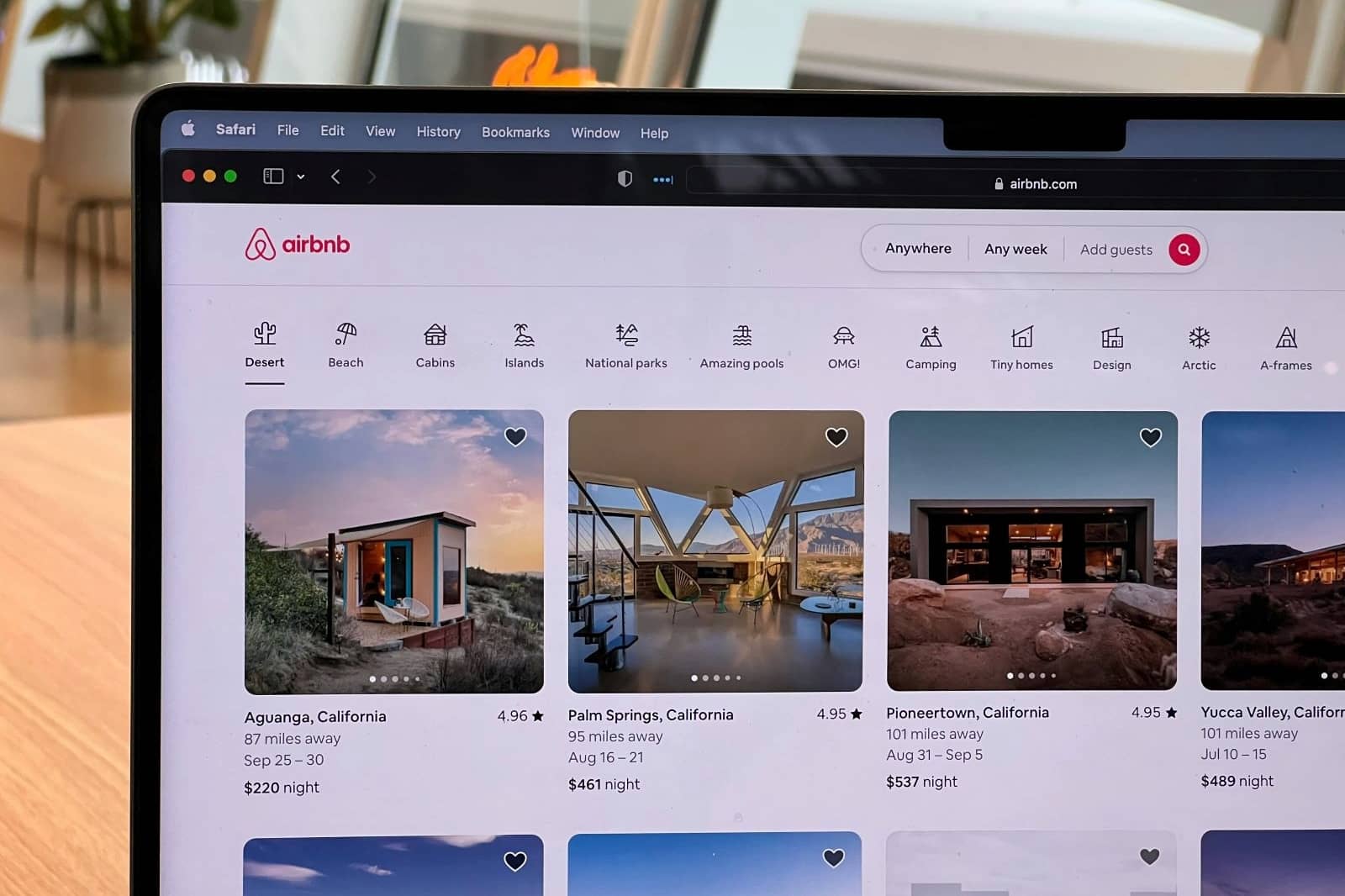
This elevates the competition beyond mere price or star ratings. Hosts are now vying for the AI’s ability to articulate a compelling argument for their listing. Properties that provide richer, more comprehensive data to the AI are better positioned to "win" these internal comparisons and capture guest attention.
Strategic Imperatives for Short-Term Rental Hosts
The fundamental shift initiated by Airbnb’s AI integration is that passive listings are likely to decline in performance. Properties that proactively provide the AI with abundant, high-quality data will be the ones that thrive in this new ecosystem.
For individual hosts, this translates into a reevaluation of their listing content. The property description, photo captions, detailed amenity lists, and even the house manual are no longer just informational documents for guests; they serve as critical training data for Airbnb’s booking engine. Vague or superficial content will yield equally vague or uninspired results. Conversely, specific, detailed, and multi-dimensional content is more likely to be surfaced by the AI to the appropriate guest at the opportune moment.
Property managers will need to refine their review acquisition strategies. The focus must expand beyond simply accumulating positive ratings to encouraging detailed, attribute-specific feedback from guests. Reviews that specifically mention desirable features like "fast Wi-Fi," "a quiet street," or "close proximity to the beach" become valuable, indexable content that the AI can leverage. Post-checkout guest communication should be designed to elicit these granular details.
Furthermore, the strategy surrounding property photography is undergoing a significant evolution. Aesthetic appeal remains important, but it is no longer sufficient on its own. Photos must now be functionally informative, visually answering common guest questions about aspects like workspace setups, backyard amenities, or parking arrangements. Airbnb’s AI is now capable of referencing these visual cues in real-time to address guest queries, making descriptive and context-rich photography paramount.
The Broader Landscape of Data and Competition
The advancements unveiled at Airbnb’s Summer 2026 release are not merely a product update; they represent the culmination of a long-term strategy by CEO Brian Chesky to build and leverage the most comprehensive guest and host profile data in the travel industry. The platform has now reached a critical density of data on guests, properties, and booking behaviors, enabling personalization capabilities that are virtually impossible for individual hosts or property managers to replicate manually.
The silver lining for hosts is that this data advantage is built upon their own contributions—their reviews, photos, and listing details. Those who have invested in creating rich, detailed, and authentic listings over time now possess a significant competitive asset. Conversely, hosts who treated their listings as a mere formality are now more exposed.
This juncture necessitates a thorough audit of all listing content, focusing not just on visual appeal but on informational depth. Hosts should ask: What valuable attributes have not been adequately described? What guest questions could be visually answered by existing photos that are currently not addressed? Are there critical review themes that are underrepresented? The sophistication of the booking algorithm has increased dramatically, and listing content must evolve to match this advancement.
Before embarking on any listing modifications, it is imperative for hosts and property managers to understand their current market standing. Tools such as Mashvisor’s Property Finder and Short-Term Rental (STR) analytics platforms offer access to real-world Airbnb performance data, including occupancy rates, average daily rates, cash-on-cash returns, and neighborhood comparables. This data-driven approach ensures that optimization decisions are based on concrete market intelligence rather than conjecture.
Conclusion: The Algorithm as a Salesperson
Airbnb has fundamentally transformed the booking process into a fully personalized experience. The platform now actively constructs a real-time case for or against a property’s suitability for each potential guest, drawing upon reviews, photographs, and listing data.
Hosts and property managers who recognize their listing content as a strategic asset will be best positioned to secure more bookings. Those who fail to adapt risk becoming increasingly invisible, not due to the inferiority of their properties, but because their data offerings are insufficient for the AI to effectively champion them. The booking algorithm has now become a powerful sales agent; ensuring it has adequate, compelling information to present is paramount for success in the evolving Airbnb marketplace.
Airbnb’s platform is becoming more sophisticated, and consequently, the bar for competitive performance is rising. Mashvisor diligently tracks occupancy rates and average daily rates across more than 11 million short-term rentals in the United States. This provides hosts and property managers with the essential market visibility required to accurately assess their listings’ positions before implementing any optimization strategies. Understanding current performance metrics is the critical first step before making data-informed adjustments.

