
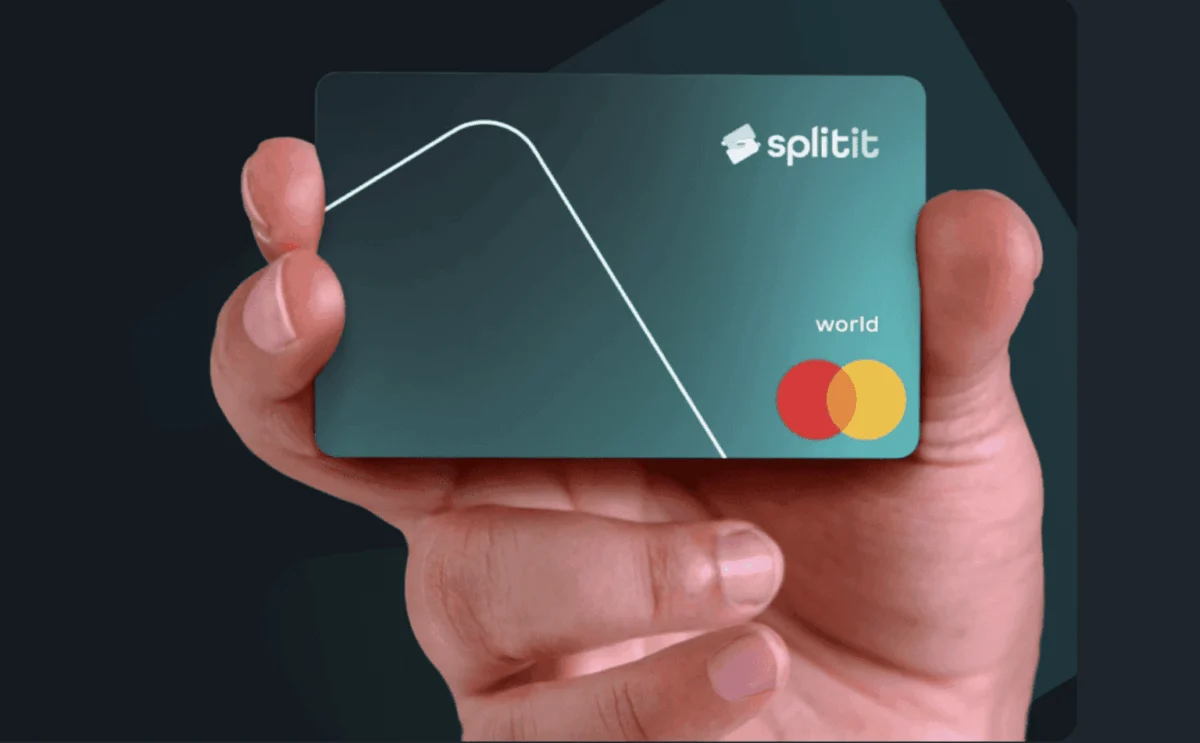
In a significant move that bridges the gap between traditional banking and the rapidly evolving Buy Now, Pay Later (BNPL) sector, Splitit has announced the upcoming launch of the Splitit World Mastercard. This new white-label credit card solution is designed specifically to empower mid-sized banks and credit unions, providing them with the infrastructure to offer flexible installment plans directly to their customers. By integrating Mastercard’s global network with Splitit’s proprietary installment technology, the product aims to modernize the credit offerings of regional financial institutions that may lack the resources to build such complex systems from scratch.
The Splitit World Mastercard represents a departure from the company’s historical focus on merchant-integrated solutions. For over a decade, Splitit has been known for enabling consumers to use their existing credit card limits to fund installment payments at the point of sale. This new venture, however, shifts the focus to the card-issuing side of the ecosystem. It allows financial institutions to issue a card under their own branding that features built-in, user-controlled installment functionality. This strategic pivot is intended to help smaller banks maintain "top-of-wallet" status in an increasingly competitive payments landscape.
Technical Functionality and the Consumer Interface
The primary innovation of the Splitit World Mastercard lies in its "set-and-forget" installment logic, which is managed via a dedicated mobile application. Shoppers using the card can establish a personalized spending threshold for their everyday purchases. When a transaction exceeds this predetermined amount, the Splitit technology automatically triggers an installment plan, splitting the cost into monthly repayments.
Throughout the billing cycle, the cardholder retains full control over these financial arrangements. The accompanying app allows users to switch a specific purchase back to a "pay-in-full" status or adjust the duration and structure of the installment plan before the monthly statement is finalized. This level of granularity is designed to mimic the simplicity of a debit card for small transactions while providing the sophisticated credit flexibility typically associated with high-end fintech apps.
For the issuing banks, the integration is seamless. Because the Splitit World Mastercard utilizes Mastercard’s existing network infrastructure, it does not require a complete overhaul of a bank’s core processing systems. Instead, it functions as a white-label layer that enhances the bank’s existing credit product suite. This allows institutions to offer modern lending products while maintaining 100% ownership of the customer relationship and the associated data—a critical factor for mid-sized banks facing pressure from third-party BNPL providers.
A Chronological History of Splitit’s Evolution
To understand the significance of the Splitit World Mastercard, it is essential to trace the company’s trajectory through the fintech landscape. Founded in 2012, Splitit entered the market with a unique proposition: unlike competitors like Klarna or Affirm, which often require consumers to undergo a new credit check and open a new line of credit, Splitit leveraged the consumer’s existing, unused credit card limit.
In 2019, the company went public on the Australian Securities Exchange (ASX), capitalizing on the global explosion of interest in BNPL services. However, as the fintech market shifted and interest rates began to rise, the company sought a different path for long-term growth. In 2023, Splitit was acquired by the private equity firm Motive Partners and subsequently went private. This acquisition provided the capital and strategic oversight necessary to pivot toward deeper integrations with financial institutions.
In 2025, Splitit further expanded its technological footprint by launching the Agentic Commerce Partner Program. This initiative was designed to facilitate payments for autonomous shopping agents—AI-driven tools that make purchasing decisions on behalf of consumers. By allowing these agents to utilize card-linked installments, Splitit positioned itself at the forefront of the next wave of automated retail. The announcement of the Splitit World Mastercard, slated for a 2027 rollout, marks the latest milestone in this journey, signaling a move toward becoming a primary infrastructure provider for traditional lenders.
Supporting Data and the Shift in Consumer Behavior
The launch of a white-label installment card comes at a time when the BNPL market is maturing. According to industry reports, the global BNPL market is projected to reach a valuation of nearly $900 billion by 2030, growing at a compound annual growth rate (CAGR) of approximately 25%. However, much of this growth has historically been captured by non-bank fintechs.
Data from the Consumer Financial Protection Bureau (CFPB) suggests that while BNPL usage is surging, consumers are increasingly wary of managing multiple accounts across different platforms. A significant portion of users expresses a preference for installment options that are integrated directly into their primary banking relationship. For mid-sized banks and credit unions, which collectively hold a significant share of the U.S. consumer base but often lag in digital innovation, the Splitit World Mastercard addresses a critical "innovation gap."
Internal research from Splitit indicates that consumers who utilize installment features are more likely to remain loyal to their card issuer, showing higher retention rates compared to those using standard revolving credit. By offering these features under the bank’s own brand, institutions can mitigate the risk of "customer leakage" to third-party financing apps.
Official Responses and Strategic Vision
The leadership at Splitit views this new product as a democratizing force in the banking sector. Nandan Sheth, CEO of Splitit, emphasized that the goal is to provide smaller institutions with the same competitive advantages enjoyed by global banking giants and specialized fintechs.
"The Splitit World Mastercard is a new type of credit card built for banks and credit unions that resembles the simplicity of debit for consumers and pairs it with the flexibility of installments," Sheth stated during the announcement. "Banks already have the relationship, the brand, and the primary account. What many of them lack is a way to offer installment plans at the point of purchase without having to build a lending business from scratch. Our white-label card gives them that, under their own name."
Industry analysts suggest that this move is a direct response to the "threat of disintermediation." As tech giants like Apple and specialized lenders like Affirm move closer to the traditional banking space, regional banks are searching for ways to defend their territory. The partnership with Mastercard provides the necessary scale and reliability to make this defense viable.
Broader Implications for the Financial Ecosystem
The introduction of the Splitit World Mastercard has several long-term implications for the financial services industry. First, it highlights the ongoing convergence of traditional credit cards and BNPL. What were once viewed as two distinct products are now merging into a single, hybrid financial tool. This convergence is likely to lead to increased regulatory scrutiny, as authorities seek to ensure that installment products offer the same level of consumer protection as traditional credit cards.
Secondly, the white-label nature of the product underscores a trend toward "Banking-as-a-Service" (BaaS). Rather than building proprietary technology, banks are increasingly acting as the "front end" for sophisticated fintech "back ends." This allows for faster innovation cycles and lower capital expenditures for regional lenders.
Finally, the focus on customer ownership is a response to the growing importance of data. By keeping the installment transaction within the bank’s ecosystem, the financial institution retains access to valuable spending data. This data is crucial for credit scoring, personalized marketing, and overall risk management. In an era where "data is the new oil," the ability to keep customers within a proprietary ecosystem is more valuable than the interest income from the loans themselves.
As Splitit prepares to ship the first World Mastercards to financial institutions in early 2027, the industry will be watching closely to see if this model can truly level the playing field. If successful, it could provide a blueprint for how traditional financial institutions can survive and thrive in a landscape dominated by rapid technological disruption and changing consumer expectations. For now, the move represents a bold bet on the enduring power of the bank-customer relationship, reinforced by the latest in payment technology.

