

Almost nineteen years into an acclaimed journey of early retirement, a prominent advocate for financial independence has publicly reflected on a critical, often overlooked aspect of his self-directed lifestyle: the potential for boundless freedom to become a catalyst for complacency and underachievement. This revelation comes from Mr. Money Mustache, a widely recognized figure in the Financial Independence, Retire Early (FIRE) movement, who shared his personal struggle with maintaining motivation and discipline in the absence of external pressures. His experience highlights a nuanced challenge for those who successfully achieve financial freedom, revealing that the ultimate test might not be in accumulating wealth, but in effectively managing one’s liberated time and innate drive.
The Paradox of Unchecked Freedom in Early Retirement
For nearly two decades, the author has championed the virtues of early retirement, detailing a life rich with family engagement, health pursuits, social connections, creative projects, and consistent contributions to his influential blog. He often extols the profound benefits of being present for his son’s entire upbringing, from birth through his eighteenth birthday, unconstrained by traditional employment demands. This idyllic vision of self-actualization, free from the daily grind, is often the primary motivator for individuals pursuing FIRE. However, as the author candidly admits, even this seemingly perfect existence harbors a subtle flaw: "I never have to do anything I don’t want to do."
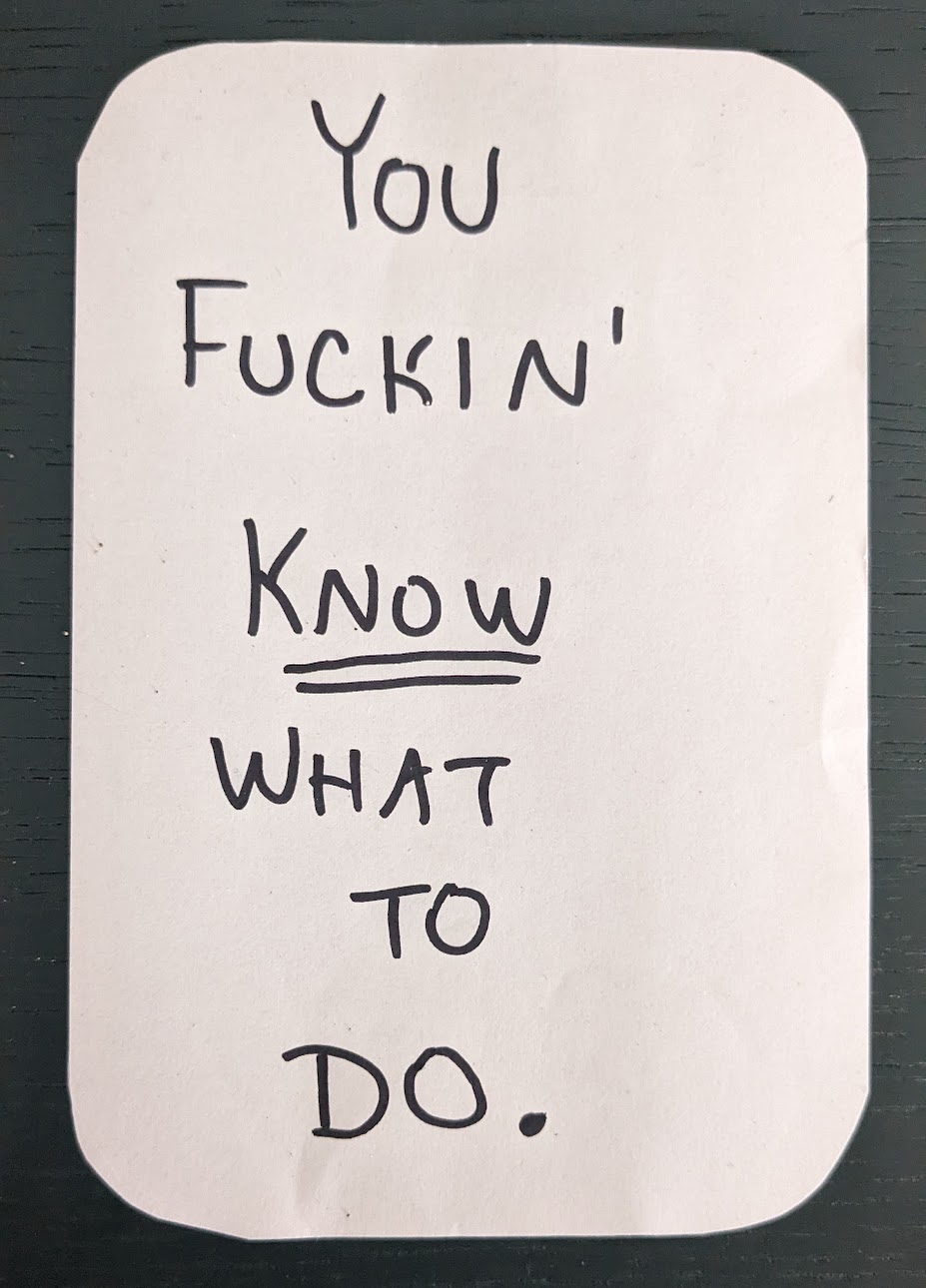
This statement, initially sounding like a utopian dream, unveils a deeper psychological paradox. While the freedom to pursue passions and avoid undesirable tasks is a core tenet of early retirement, it can, in some cases, erode the very discipline and drive that often lead to success in the first place. The author posits that complete freedom, when coupled with financial security, acts as a profound revealer of character, exposing an individual’s intrinsic strengths and weaknesses. The spectrum of outcomes, he notes, can range from "Unlimited drugs and booze on the couch" to the establishment and management of large-scale philanthropic foundations dedicated to societal advancement. This observation aligns with broader psychological research indicating that purpose and structure are vital for human well-being, even in the absence of necessity. Studies on retirement satisfaction, for instance, frequently underscore the importance of maintaining social engagement, pursuing new learning, and contributing to meaningful activities to prevent feelings of aimlessness or depression.
The Gradual Erosion of Discipline
For much of his early retirement, the author naturally found a productive balance. Alongside his dedicated role as a father, he engaged in substantial projects such as building and restoring multiple homes, embarking on adventurous travels, delivering public talks, and maintaining a prolific output of hundreds of blog posts. This period demonstrated a sustained ability to channel his freedom into constructive and fulfilling endeavors. However, in recent years, a noticeable shift occurred. He describes a gradual decline in self-motivation, finding it increasingly challenging to "wrangle and focus" himself on these formerly engaging activities.
The once-spontaneous drive to work on construction projects or immerse himself in writing compelling articles began to wane. Instead, he found himself gravitating towards passive distractions, retiring to the couch earlier in the afternoon, and spending time scrolling on his phone, all while wishing he possessed the energy and focus for more rewarding pursuits. This pattern illustrates a common human tendency: the path of least resistance. When external motivators are removed, internal discipline becomes paramount, and without conscious effort, individuals can drift into less demanding, less fulfilling habits.
Recognizing this decline, the author proactively sought solutions through health and wellness research, incorporating new daily habits and actively steering clear of "excessive comfort." While these interventions initially yielded positive results, a deeper issue persisted: "I kept learning effective new things, and successfully incorporating them into my life. They would work for a while, but gradually my brain would invent various excuses to stop doing them consistently." This highlights the distinction between acquiring knowledge and consistently applying it, a fundamental challenge in personal development. The core problem, he concluded, was an insidious misuse of his hard-won freedom: "I have been using my freedom too much – in order to avoid doing things that I didn’t feel like doing."
The "Hesitation as a Trigger" Technique
The critical turning point came with the realization that freedom, while liberating, must be actively directed towards endeavors "even more valuable than the job you just quit." Otherwise, its potential is squandered. The author found himself prioritizing easy, immediate gratifications over more demanding, yet ultimately more fulfilling, activities. Using workouts as a prime example, he illustrated his previous pattern: a protracted internal dialogue of wanting to exercise, acknowledging reluctance, attempting to "grease the wheels" with ideal conditions (perfect time, high energy, pre-set gym), and then often failing when these elusive perfect conditions didn’t materialize. This approach resulted in inconsistent effort and "lackluster fitness."
His breakthrough involved a radical simplification of this internal process. Instead of allowing hesitation to lead to excuses, he learned to identify "that exact moment of hesitation" and use it as an immediate trigger for action. The new internal dialogue became: "I want to work out today. I don’t feel like it. ^^^ AHA!! I JUST CAUGHT MYSELF TRYING TO SELF SABOTAGE! ^^^ I am now already putting on my shoes and walking to the gym." This counterintuitive method transforms the negative impulse of reluctance into a cue for immediate engagement, bypassing the rationalization process that often leads to procrastination. This technique resonates with psychological principles of habit formation and self-regulation, where identifying triggers and pre-committing to an action can significantly improve consistency.

The Catalyst: Extreme Discipline and David Goggins
While personal reflection provided the initial framework, a powerful external catalyst solidified this shift: the story of David Goggins. Introduced via a podcast interview (specifically, an episode with Andrew Huberman), Goggins’ life story presented an awe-inspiring, almost horrifying, example of extreme human endurance and mental fortitude. Goggins, a former Navy SEAL, ultra-marathon runner, and world record holder for pull-ups, overcame a profoundly abusive childhood and significant personal challenges by compulsively seeking and conquering unimaginable hardships. His achievements include pushing through multiple near-death experiences to qualify for the SEALs, running 240 miles over four days without sleep, and completing 4,025 pull-ups in 24 hours despite severe physical damage.
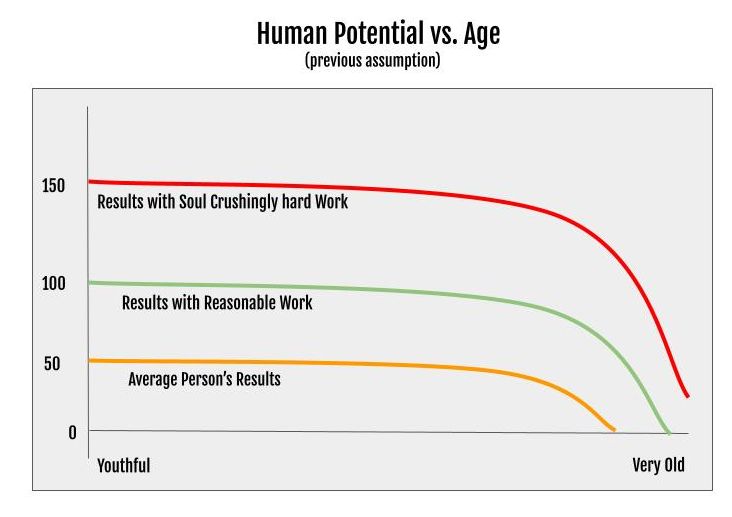
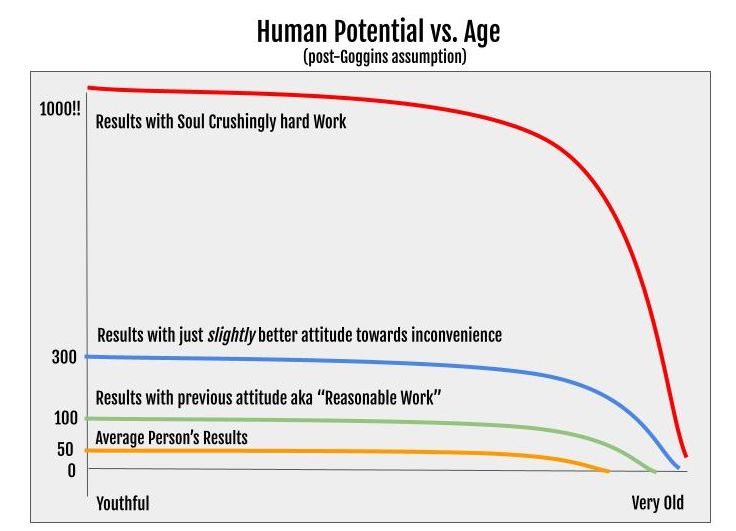
Goggins’ philosophy centers on the idea that human barriers are predominantly mental, not physical or external. His radical commitment to "hardening his mind" provided a stark contrast to the author’s own comfortable, under-achieving tendencies. While explicitly stating no desire to emulate Goggins’ extreme lifestyle, the author found profound inspiration in the realization that "pretty much all of our barriers are entirely mental." This perspective shattered previous assumptions about human limitations, suggesting that the "ceiling" of human potential is far higher and more permeable than commonly believed. This shift in perspective is crucial for personal growth, as self-efficacy theory posits that an individual’s belief in their capacity to execute behaviors necessary to produce specific performance attainments significantly impacts their motivation and actual performance.
Reimagining Personal Limits and Tangible Outcomes
This reframing of limitations proved transformative. The author now perceives life not as a narrow path with inherent, unchangeable boundaries, but as an expansive landscape of potential, where perceived ceilings are largely self-imposed. This empowering mindset immediately translated into tangible results. By applying the "hesitation as a trigger" technique, he achieved remarkable consistency in his fitness regimen. Despite years of plateauing, he gained ten pounds of lean weight in four months, reclaiming the strength and flexibility he possessed at age 25. His joints, he notes, felt "upgraded to a sturdy, well-oiled spring."
Beyond physical fitness, the technique extended to other areas of his life. He increased his running frequency, made more consistent visits to his coworking space for work and socializing, and, notably, found the discipline to write this very article. This demonstrates the universal applicability of the principle: identifying internal resistance and immediately acting upon it can unlock productivity and fulfillment across various domains. The author also emphasizes that while too much "blogger work" can be detrimental, there is a "right level" that requires significant discipline, especially when competing with easier, more thrilling alternatives.
The Role of Continuous Inspiration and Broader Implications
To sustain this newfound discipline, the author advocates for "refilling the inspiration tank" regularly. He downloaded Goggins’ audiobooks, absorbing their messages in chunks during his morning walks, and subsequently delved into works by other figures known for their emphasis on discipline and resilience, such as Peter Attia’s "Outlive" and Jocko Willink’s "Extreme Ownership." He acknowledges the occasional critiques of "Bro Science" or "Toxic Masculinity" directed at some of these personalities but emphasizes his pragmatic approach: "I simply absorb the messages that work for me and discard the rest." This selective absorption of wisdom, focusing on actionable principles, underscores a mature approach to self-improvement.
This personal journey carries significant implications, particularly for the FIRE movement and beyond. For individuals contemplating or already in early retirement, the author’s experience serves as a vital cautionary tale and a blueprint for success. Financial independence is merely a foundation; a fulfilling post-retirement life requires active cultivation of purpose, structure, and unwavering self-discipline. It challenges the assumption that freedom alone guarantees happiness or productivity. Instead, it suggests that true freedom lies in the ability to consciously choose challenging, growth-oriented actions over easy, distracting ones.
From a broader societal perspective, the insights gleaned are relevant to anyone striving for greater personal effectiveness. The battle against procrastination and the cultivation of consistent effort are universal struggles. The "hesitation as a trigger" method offers a practical, immediate strategy to overcome inertia, while the inspiration drawn from individuals like Goggins demonstrates the immense, often untapped, reservoir of human potential. It reinforces the idea that mental barriers are often more formidable than physical or circumstantial ones, and that by consciously pushing past discomfort, individuals can achieve remarkable transformations in their lives. The author’s journey underscores the continuous need for self-awareness, intentional action, and a willingness to draw inspiration from diverse sources to lead a truly enriched and productive life, regardless of one’s financial status.

