
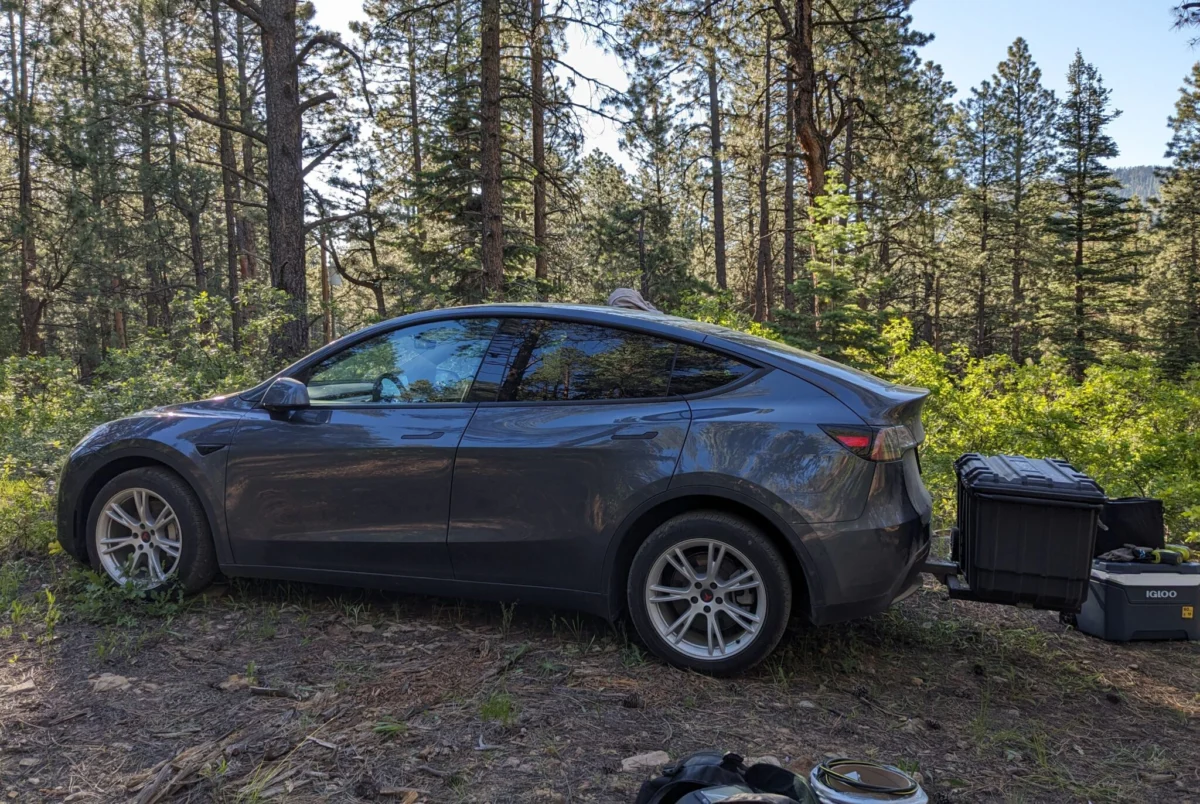
In a notable shift that underscores the evolving landscape of personal finance and sustainable living, Peter Adeney, widely known as Mr. Money Mustache (MMM), a revered figure in the Financial Independence, Retire Early (FIRE) movement, has acquired a 2023 Tesla Model Y. This purchase, a sophisticated all-electric crossover with an estimated net cost of $52,000 after taxes and credits, marks a significant departure from Adeney’s long-standing advocacy for extreme frugality, particularly concerning vehicle ownership. The acquisition replaces a 23-year-old Honda van, purchased for a mere $4,500 twelve years prior, which had served as a utilitarian workhorse for over a decade.
A Pillar of Frugality Reassesses Spending
Mr. Money Mustache has built a substantial following, including millions of readers, on the principles of aggressive savings, mindful consumption, and early retirement through disciplined financial management. His blog, launched in 2011, became a cornerstone of the FIRE movement, inspiring countless individuals to re-evaluate their spending habits and pursue financial freedom. A core tenet of his philosophy has often involved a critical view of car culture, advocating for minimal vehicle usage and the ownership of affordable, long-lasting vehicles. The Honda van, affectionately nicknamed "Vanna," epitomized this approach, faithfully navigating mountains and deserts while assisting in community rebuilding projects until its recent mechanical failure.
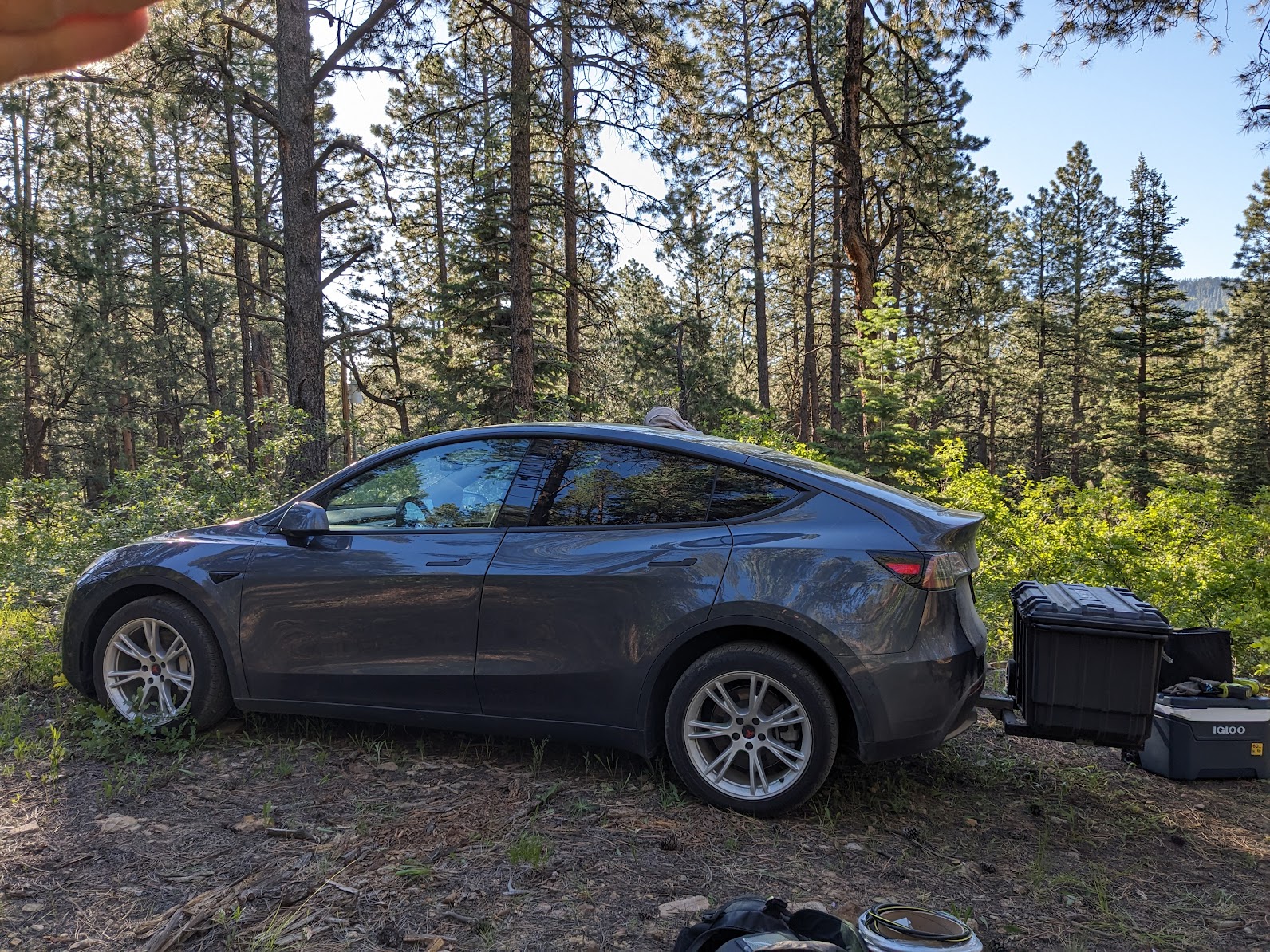
The decision to invest in a premium electric vehicle, boasting features like all-wheel drive, rapid acceleration, seating for seven, and advanced computational capabilities, has been openly acknowledged by Adeney as a personal challenge to his ingrained frugal habits. He admitted to experiencing "self-mockery and ridicule" over the purchase, a sentiment relatable to many who have cultivated a scarcity mindset to achieve financial independence. This internal conflict highlights a common dilemma faced by those who have successfully amassed wealth but struggle to transition from a saving-oriented mindset to one that allows for strategic spending on personal enjoyment and convenience.
The Evolution of a Philosophy: From Austerity to Strategic Allocation
Adeney’s journey to this purchase was not impulsive, but rather a process of "procrastination" spanning four years, during which he resisted calls from friends and online communities to "loosen up and treat himself." This period reflects the deep-seated psychological barriers that can accompany a lifetime of disciplined saving. However, a guiding principle—"What got you here, won’t get you where you’re going"—began to inform a new perspective on managing accumulated wealth.
This philosophical shift was catalyzed by everyday experiences, such as encountering an "eye-watering" $6.99 price tag for a loaf of bread at a standard grocery store, a stark contrast to the $4.50 he was accustomed to paying at a bulk retailer. This minor incident triggered a familiar internal debate, dubbed "Grocery Shopping With Your Middle Finger," a resistance to perceived overpricing. Ultimately, he concluded that such minor expenses would not materially impact his substantial net worth, leading to the realization that excessive frugality could, at times, become counterproductive to enjoying life.
This epiphany was reinforced by discussions with a similarly frugal friend, also a millionaire, who admitted to facing identical mental hurdles when considering personal splurges. Both recognized a need to re-evaluate their relationship with money, moving beyond pure accumulation to purposeful deployment of wealth while still alive to enjoy it.
Three Principles for Intentional Spending in Retirement
Arising from these reflections, Mr. Money Mustache and his friend developed a framework for more intentional spending, particularly for those in early retirement who have achieved significant financial security:
-
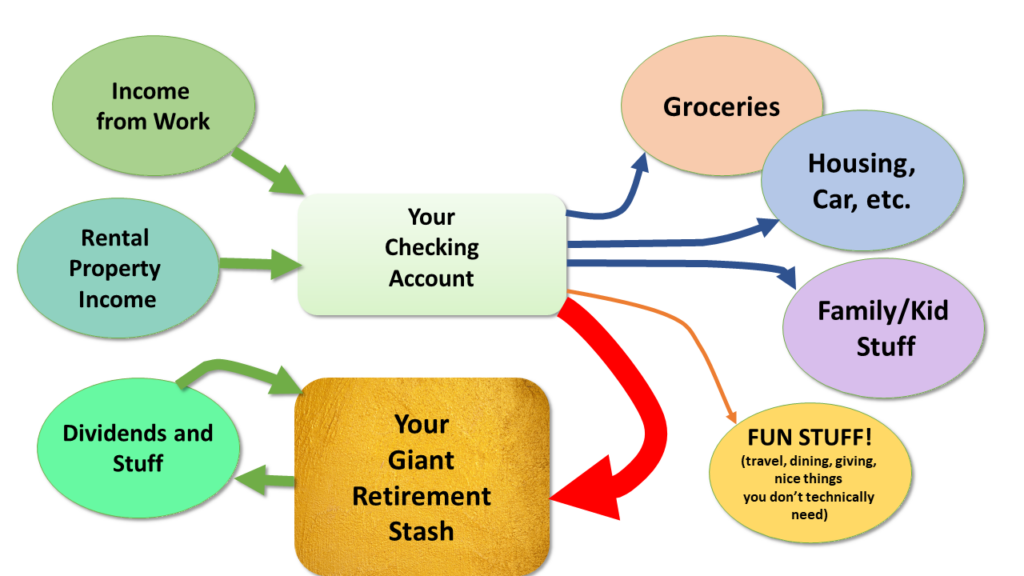
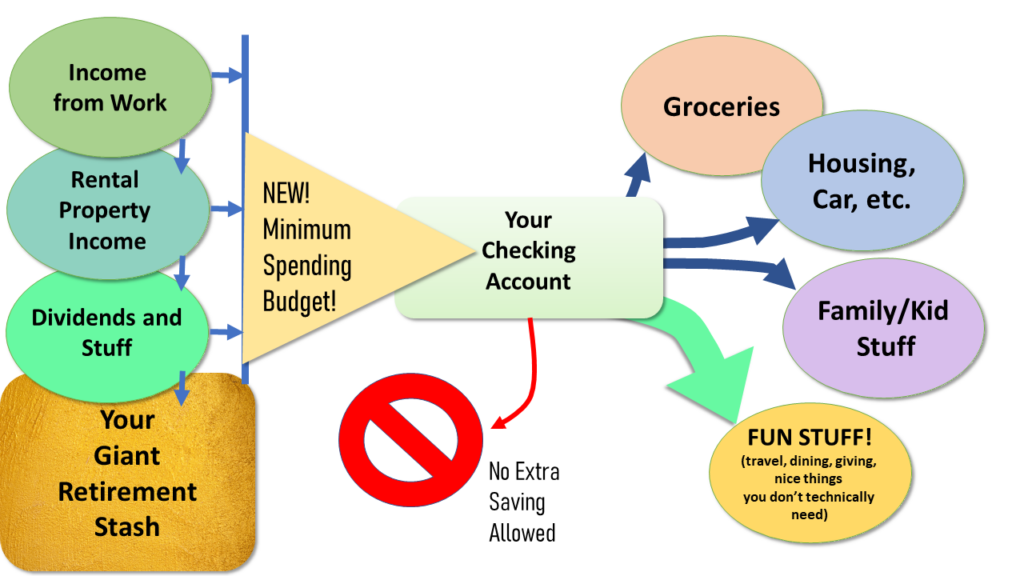
The Minimum Spending Budget: This principle encourages financially independent individuals to establish a baseline annual spending level that aligns with their substantial assets. For someone with a $2 million investment portfolio, the widely accepted 4% safe withdrawal rate suggests an annual spending capacity of $80,000. Even a more conservative 3% withdrawal rate allows for $60,000 per year, often supplemented by side income, inheritances, and future social security. Adeney observes that many "Mustachians" with this level of wealth continue to live on $40,000 or less, often exhibiting resistance to even modest increases in discretionary spending. The Model Y, costing an additional $10,000 annually compared to the old van, represents a deliberate step towards meeting a more appropriate minimum spending level.
-
The Dedicated Money Wasting Account: Recognizing the psychological difficulty of spending "hard-earned" money on what feels frivolous, this principle proposes creating a separate financial account specifically for discretionary spending. The goal is to psychologically dissociate this money from the primary investment stash, making it feel more like "somebody else’s money"—akin to a business expense account. This mental reframing aims to reduce the guilt or anxiety associated with splurging, thereby facilitating more enjoyable and less stressful discretionary purchases.
-
The Splurge Accountability Buddy: Frugal individuals often surround themselves with like-minded peers, inadvertently reinforcing their conservative spending habits. This principle suggests pairing with a trusted friend who is also working to overcome excessive frugality. Such a "buddy" can question overly cheap decisions, celebrate sensible splurges, and provide mutual encouragement, fostering a healthier relationship with personal wealth. Adeney cites examples within his own circle, including his wealthy friend improving family experiences and his co-owner Carl replacing a minivan with a new Chevrolet Bolt EV, demonstrating the positive impact of this shared accountability.
The Tesla Model Y: A Calculated "Splurge" for Enhanced Living
The acquisition of the Tesla Model Y is presented as a concrete application of these principles. The estimated additional annual cost of the Tesla, approximately $10,000 more than his previous van, includes depreciation, insurance, and electricity, offset by significant fuel and maintenance savings. This figure, though substantial, remains well within the "spending deficit" that Adeney identified between his actual frugal lifestyle and his considerable financial capacity.
Moreover, the Tesla is not merely a luxury item but a tool designed to enhance specific aspects of his life. Its utility extends to supporting "epic camping trips, dream dates, and long adventures around the country." A recent life change—co-ownership of a vacation rental compound in Salida, Colorado—has rekindled his passion for travel, mountain biking, social gatherings, and "Carpentourism" (combining carpentry with tourism). The reliable, long-range capability of the Model Y directly addresses a previous "negative source of stress": the increasing unreliability of his old van, which was causing him to avoid certain trips and miss potential "positive lifetime experiences." The van’s final transmission failure on a mountain pass served as the ultimate catalyst.
Broader Implications and the Future of Frugality
This shift by Mr. Money Mustache carries significant implications for the broader FIRE movement and the perception of frugality. It suggests a maturation of the philosophy, acknowledging that once financial independence is achieved, the pursuit of extreme austerity can become counterproductive to well-being. Instead, a balanced approach that integrates strategic, high-value spending—especially on experiences and items that genuinely improve quality of life and support personal passions—may be a more sustainable and fulfilling path for those who have already "won the game" of financial accumulation.
The choice of a Tesla also aligns with contemporary environmental consciousness, even for a "luxury" vehicle. While the initial cost is high, electric vehicles offer significant environmental benefits, particularly when powered by renewable energy sources. This aspect could appeal to a segment of the FIRE community that values both financial prudence and ecological responsibility.
Adeney also addresses potential criticism regarding charitable giving, clarifying that his personal spending increase does not diminish his philanthropic commitments, which have exceeded $500,000 over the years. He argues that fostering a mindset of scarcity, even when giving generously, can lead to irrational fear and an inability to enjoy one’s hard-earned wealth.
Ultimately, the Tesla Model Y purchase by Mr. Money Mustache represents a public experiment in balancing disciplined financial habits with the enjoyment of life’s journey. It serves as a practical demonstration that while frugality is a powerful tool for achieving financial freedom, the goal of that freedom is to live a richer, more fulfilling life—which sometimes includes strategic investments in comfort, convenience, and joy. His new "Model Y Experiment" tracker page will offer ongoing insights into the ownership experience, inviting his audience to follow this evolving chapter in his financial philosophy.
Details of the Tesla Model Y Acquisition
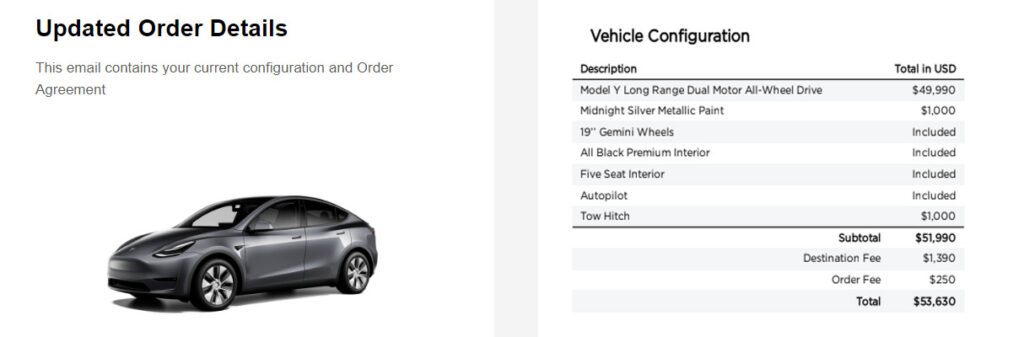
The total estimated cost for the Tesla Model Y (Long Range, Dual Motor, All-Wheel Drive, 7-seater configuration) was approximately $62,490 before incentives. This included a base price of $54,990, the Long Range option, Red Multi-Coat paint ($2,000), 19-inch Gemini Wheels, a Black and White Interior ($1,500), and the seven-seat interior ($3,000). Destination and documentation fees added $1,390, bringing the total to $62,490. After factoring in federal tax credits ($7,500) and state tax credits ($3,000), the net cost to Mr. Money Mustache was approximately $51,990.

The old Honda van was sold using the online car salvage service Peddle, yielding $715 in cash, which Adeney intentionally used for discretionary "splurges" like dining out. The decision to acquire the Tesla also coincided with a revival of Tesla’s referral program, offering $1,000 off for new buyers and points for the referrer, further optimizing the purchase within a financially savvy framework. This acquisition marks a symbolic, yet practical, step into a new era of personal finance for one of its most influential proponents.

