

Research consistently highlights the power of documenting aspirations. A 2015 study published in the Journal of Applied Psychology found that individuals who wrote down their goals were significantly more likely to achieve them. This phenomenon is attributed to several psychological factors: the act of writing clarifies objectives, fosters a sense of accountability, and reinforces commitment through tangible evidence. In the realm of personal development and productivity, the bullet journal, or "bujo," has emerged as a remarkably versatile tool for this very purpose. Whether one favors minimalist aesthetics, vibrant artistic expression, or structured tracking systems, the bullet journal offers a flexible framework for setting goals, monitoring progress, and maintaining motivation. This article explores 14 creative and practical bullet journal goal page ideas, designed to inspire effective planning, from overarching annual visions to detailed monthly breakdowns, ensuring focus and organization remain paramount.
The Power of the Written Word in Goal Achievement
The efficacy of writing down goals is not merely anecdotal; it is supported by psychological principles. The process of articulating a goal transforms an abstract thought into a concrete objective. This transformation involves cognitive effort, which deepens understanding and commitment. Furthermore, a written goal serves as a constant reminder, acting as an external locus of control that keeps the individual oriented towards their desired outcome. When these written goals are integrated into a dynamic system like a bullet journal, they become part of a proactive planning and review process, making them even more potent. Studies in behavioral psychology suggest that regular review of written goals can increase the probability of success by as much as 42%. The bullet journal’s inherent adaptability allows individuals to tailor their goal-setting approach to their unique needs and preferences, making it an ideal platform for this practice.

Bullet Journal Goal Page Ideas For The Minimalist
For those who appreciate a clean, uncluttered aesthetic, minimalist goal pages in a bullet journal provide a sharp focus without visual distractions. These layouts typically leverage ample white space, simple lines, and intentional design elements to facilitate effortless goal setting. Whether a single-page spread or a more structured grid is preferred, these minimalist approaches ensure goals are organized and visually appealing, avoiding the cognitive load associated with overly complex designs. The emphasis is on functionality, clarity, and practicality, creating a sleek and efficient system for personal achievement.
1. Black, White, And Functional
A purely black-and-white layout emphasizes structure and content. This approach often involves clean typography for headings like "Life Goals," "Wellness Goals," or "Career Objectives." The use of simple boxes, lines, and bullet points allows for clear delineation of each goal. Progress can be tracked using simple checkmarks, percentages, or by coloring in segments of a bar associated with each goal. The absence of color forces the user to focus on the substance of their goals and their progress, making it a highly effective method for those who find visual clutter demotivating. This style prioritizes information hierarchy and readability, ensuring that the goals themselves are the primary focus.

2. Soft Colors With New Spring Buds
Incorporating subtle, nature-inspired color palettes can bring a gentle aesthetic to minimalist goal pages. Think of soft greens, muted blues, and earthy browns. These colors can be used sparingly to highlight key sections or to create a subtle thematic element. For instance, a "Spring Goals" page might feature delicate floral motifs in watercolor tones. The minimalist aspect is maintained by limiting the color palette and avoiding overly intricate drawings. The goal is to add a touch of visual interest and a sense of calm and growth, mirroring the season. This approach can make the process of goal setting feel more organic and less like a rigid task.
3. Pastels On A Blank Slate
Pastel colors—soft pinks, lavenders, mint greens, and baby blues—offer a delicate and calming visual experience. When used in a minimalist bullet journal, they can add a touch of personality without becoming overwhelming. These colors can be used for headings, borders, or to fill in sections of a goal tracker. For example, a monthly goal spread might assign a different pastel shade to each category of goals (e.g., pink for personal, blue for professional). The key is to maintain a sense of openness and simplicity, ensuring the colors enhance rather than detract from the clarity of the goals. This approach creates an inviting and encouraging space for planning.
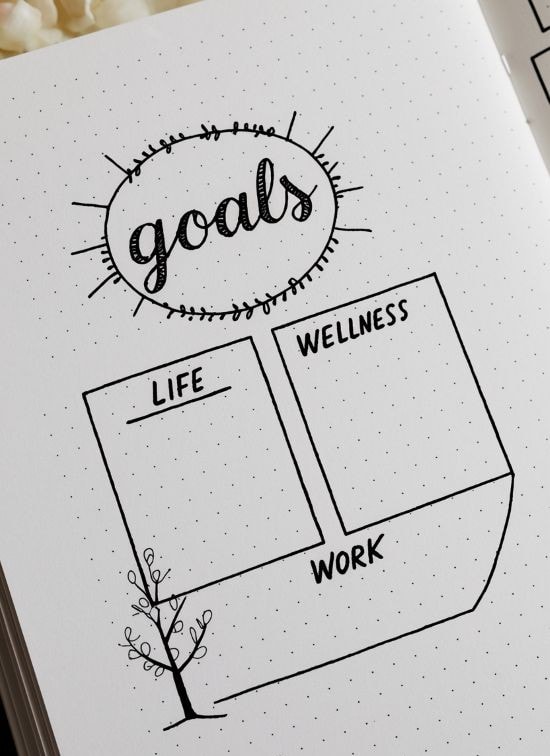
4. Simple Quadrant Layout
A quadrant layout divides a page or a spread into four distinct sections. This is a highly functional and minimalist approach to organizing goals across different life areas. Each quadrant can be dedicated to a specific category, such as "Health," "Finances," "Relationships," and "Personal Growth," or "Work," "Hobbies," "Learning," and "Well-being." Using simple lines to define the quadrants and clear headings for each section makes it easy to allocate and track goals across various domains of life. This structured approach ensures a balanced focus on different aspects of personal development.
Annual Goal Spreads: Mapping Your Year
An annual goal spread is crucial for setting a broad vision for the year. It acts as a roadmap, outlining major objectives across different life areas. Breaking down these overarching ambitions into actionable steps is key to their eventual realization. These spreads provide a centralized location to visualize long-term aspirations, making them more tangible and less daunting.

5. Annual Goals By Major Category
This layout involves dividing a two-page spread into several key categories, such as "Career," "Financial," "Health & Wellness," "Personal Development," "Relationships," and "Hobbies/Fun." Each section can then list specific, measurable, achievable, relevant, and time-bound (SMART) goals for the year. Visual cues, like color-coding categories or using small icons, can enhance clarity. This method ensures that all significant aspects of one’s life are considered in the planning process, promoting a holistic approach to personal growth and achievement.
6. The Year In Bold
For a more impactful and visually striking annual goal spread, consider a "Year in Bold" approach. This style emphasizes strong, impactful typography for the year itself (e.g., "2025 Goals"). The goals can then be listed using a bold, clean font, perhaps with a single accent color to draw attention. The structure might be a simple list or a more visually organized grid. The emphasis is on making the year’s ambitions stand out prominently, creating a powerful statement of intent. This layout is ideal for individuals who want their yearly goals to feel significant and commanding.

7. Colorful Quadrants
Building upon the quadrant layout, this approach infuses color to differentiate and energize each section. Each of the four quadrants can be assigned a distinct, vibrant color. For instance, a "Health" quadrant might be green, "Finances" blue, "Career" red, and "Personal Growth" purple. Within each colored section, goals are listed clearly. This method uses color as a powerful organizational tool, making it easier to scan and identify specific goal areas at a glance. It adds a dynamic and engaging element to the annual planning process, making it more enjoyable and motivating.
Monthly Goal Spreads: Breaking It Down
Monthly goal spreads are essential for translating annual ambitions into manageable monthly targets. This approach helps to maintain momentum, track progress, and allow for necessary adjustments throughout the year. By focusing on what needs to be accomplished each month, individuals can systematically work towards their larger objectives without feeling overwhelmed.

8. Goals By Month
This layout typically dedicates a page or a spread to each month of the year. For each month, specific goals are listed. This can be a simple list format, or it can be integrated into a monthly calendar view where goals are associated with specific dates or weeks. For example, a fitness goal might be broken down into weekly workout targets, which are then noted within the respective monthly spread. This approach ensures that yearly goals are continuously revisited and actively pursued on a month-to-month basis, providing a clear progression.
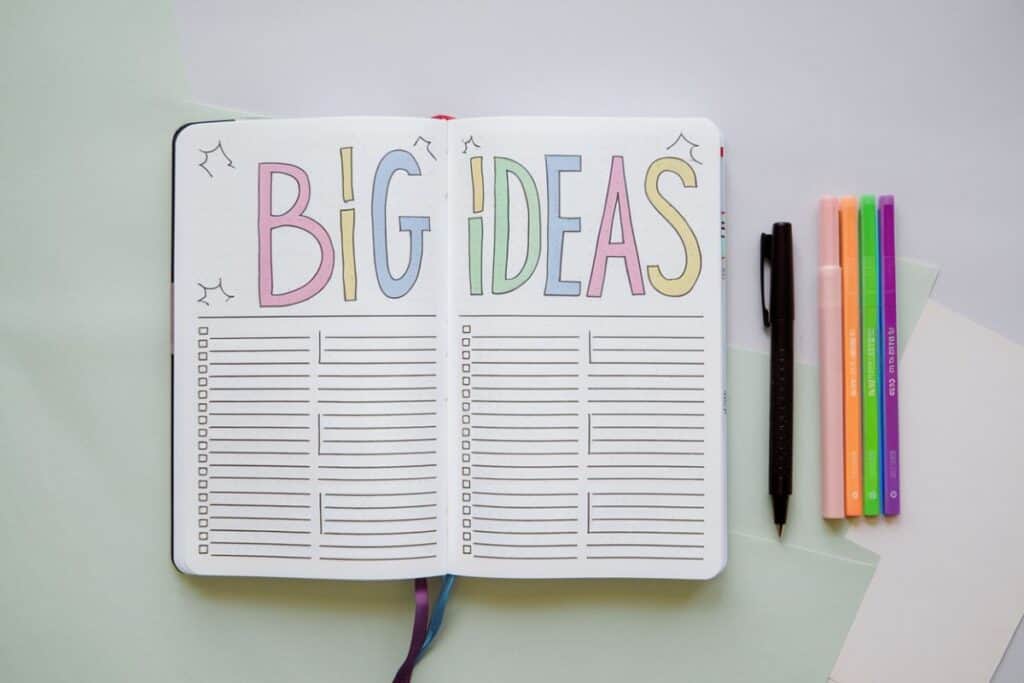
9. Big Ideas
This spread is designed for capturing broad aspirations and potential future projects before they are fully defined. It serves as a brainstorming space, encouraging free-flowing thought without the pressure of immediate actionability. Users can use mind maps, sketches, lists of questions, or simply free-writing to explore their biggest dreams and long-term visions. This page acts as a reservoir of inspiration, from which specific, actionable goals can later be drawn and integrated into monthly or annual plans. It’s a space for dreaming big and exploring possibilities without constraints.
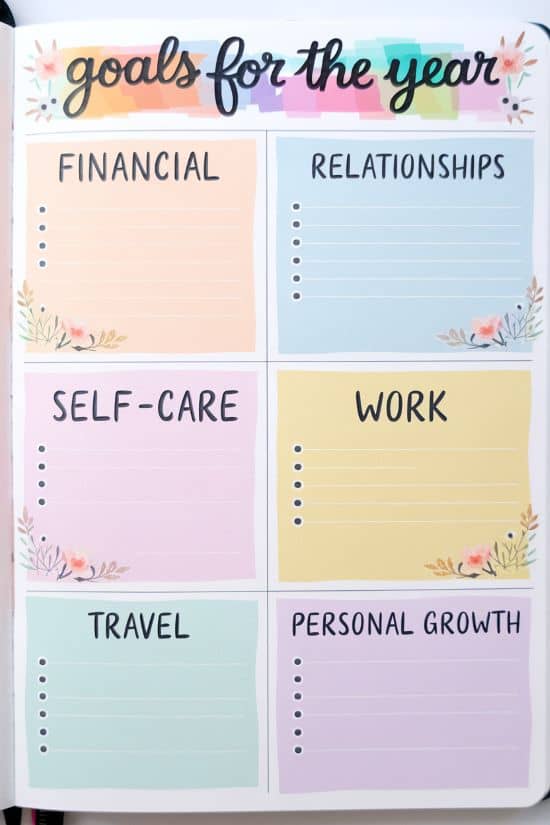
Vibrant And Engaging Goal Setting
For those who thrive on visual stimulation, colorful goal spreads can transform the often-daunting task of goal setting into an exciting and inspiring activity. The strategic use of color, bold lettering, and creative embellishments can boost motivation and make goals more memorable and engaging.
10. Blocks Of Goals
This layout uses colored blocks or shapes to represent different goal categories or individual goals. Each block can be a different color and size, creating a visually dynamic and organized spread. For example, a "Health Goals" block might be a large green rectangle, while smaller "Learning Goals" blocks could be scattered around it in different hues. Within each block, the specific goals are listed. This approach makes the spread visually striking and helps to compartmentalize different objectives, making them easier to digest.
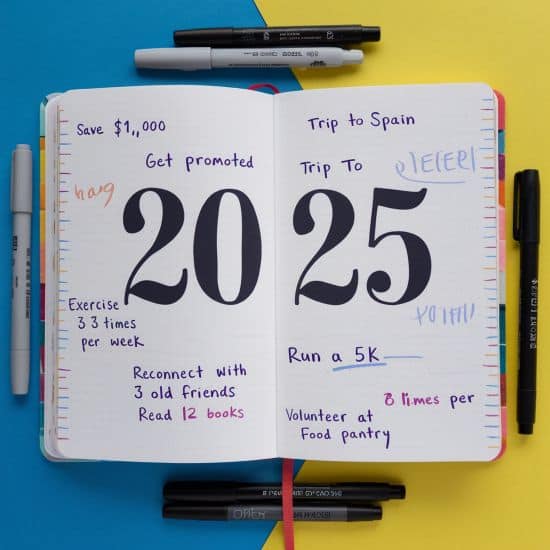
11. Crush Your Goals
This theme embodies a proactive and energetic approach to goal setting. The spread might feature bold, dynamic lettering for titles like "Crush Your Goals" or "Goal Getter." Colors used are often bright and assertive, such as electric blues, fiery oranges, or strong reds. The layout can be structured with clear sections for listing goals and tracking progress, but the overall aesthetic is one of power and determination. This design is perfect for individuals who want to feel energized and motivated to tackle their ambitions with full force.
12. My Goals
This approach is about personalization and making the goal-setting process uniquely yours. The "My Goals" spread can be as simple or as elaborate as the individual desires. It often involves creative lettering for the title and a flexible layout for listing goals. Decorative elements, such as doodles, stickers, or washi tape, can be incorporated to reflect the user’s personality and interests. The focus is on creating a space that feels personally relevant and inspiring, making the act of setting and tracking goals a joyful and engaging experience.

Conquering Overwhelm With Focused Planning
When the sheer number of aspirations feels overwhelming, simplifying the approach is key. Focused goal-setting strategies can help individuals prioritize effectively and maintain a sense of control, leading to more consistent progress and reduced stress.
13. Top 3 Goals
This strategy centers on identifying and focusing on the three most critical goals for a given period, whether it’s a week, a month, or even the year. A "Top 3 Goals" spread dedicates prime space to these paramount objectives. Below the top three, there might be a section for secondary goals or tasks that support the primary ones. This concentrated focus ensures that energy and attention are directed where they will have the most impact, preventing the diffusion of effort across too many disparate objectives. It’s a powerful tool for cutting through the noise and prioritizing effectively.
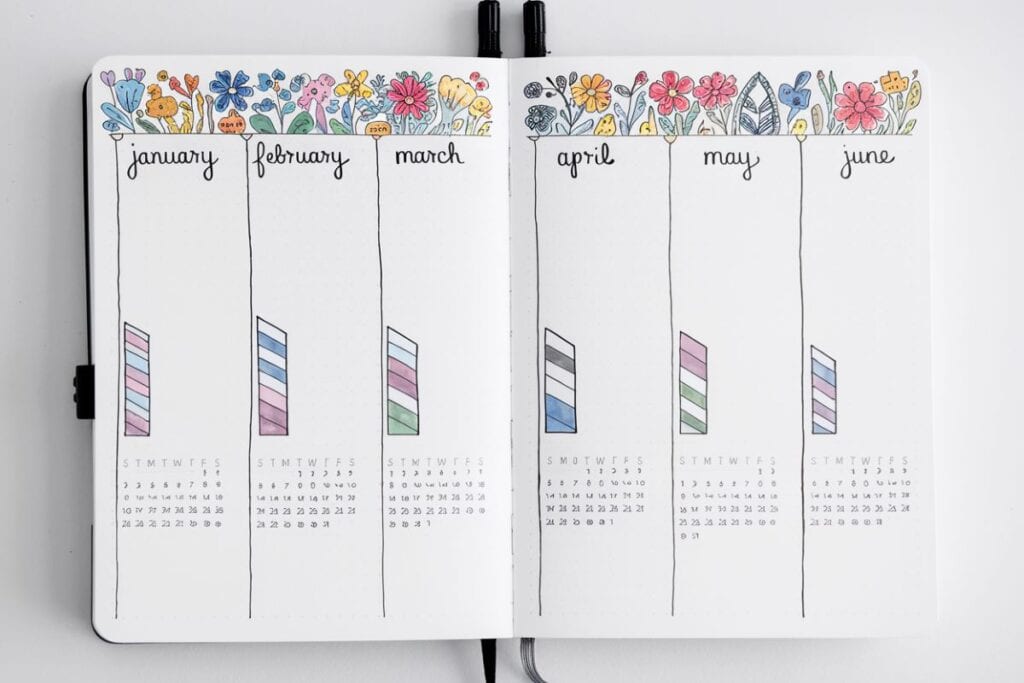
14. Must Do – Should Do Goal Spread
This layout provides a clear distinction between urgent and important tasks versus those that are desirable but less critical. The "Must Do" section is reserved for high-priority goals that require immediate attention or have significant consequences if not addressed. The "Should Do" section accommodates goals that are important for long-term growth or well-being but can be tackled once the essential tasks are completed. This categorization helps to manage workload, reduce decision fatigue, and ensure that critical objectives are met without neglecting other valuable pursuits. It promotes a structured approach to task management and goal execution.
Conclusion: Turning Intentions into Achievements
Setting a goal is merely the first step; actively engaging with it through consistent effort and tracking is what truly bridges the gap between intention and achievement. A well-designed bullet journal goal spread transcends mere aesthetics; it functions as a dynamic tool that keeps aspirations visible, monitors progress, and sustains motivation. Regardless of whether one prefers highly structured layouts or more fluid, idea-generating pages, the most effective system is one that resonates personally and supports consistent action.
The principle of compounding efforts—where small, consistent actions accumulate to yield significant results over time—is fundamental to achieving long-term ambitions. Therefore, dedicating time to reflect on progress, adjust strategies as needed, and celebrate milestones, however small, is crucial. By selecting a goal-setting layout that inspires and using the bullet journal as a steadfast companion, individuals can transform their aspirations into tangible realities, fostering a continuous cycle of growth and accomplishment.

