
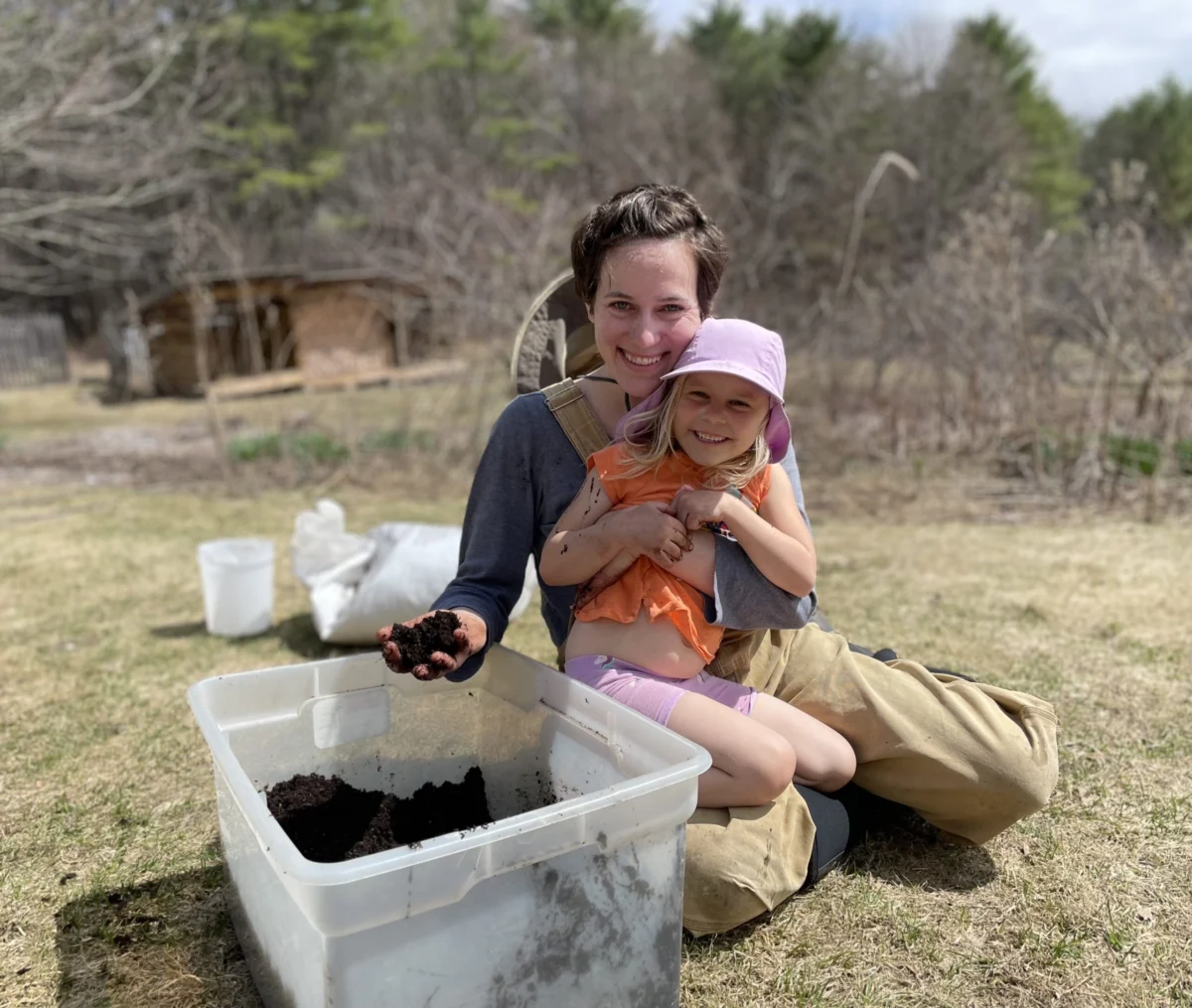
The dream of total food self-sufficiency, often popularized by the "back-to-the-land" movement, faces significant practical challenges when confronted with the realities of rural northern climates and the labor-intensive nature of small-scale agriculture. Seven years after transitioning from an urban environment to a 66-acre homestead in rural Vermont, the founders of the Frugalwoods project have provided a comprehensive analysis of the evolution from idealistic aspirations of subsistence farming to a pragmatic, balanced approach to land management. This transition, which began in May 2016, highlights a broader trend among modern homesteaders who are increasingly choosing community integration and local commerce over the isolation of total self-reliance.
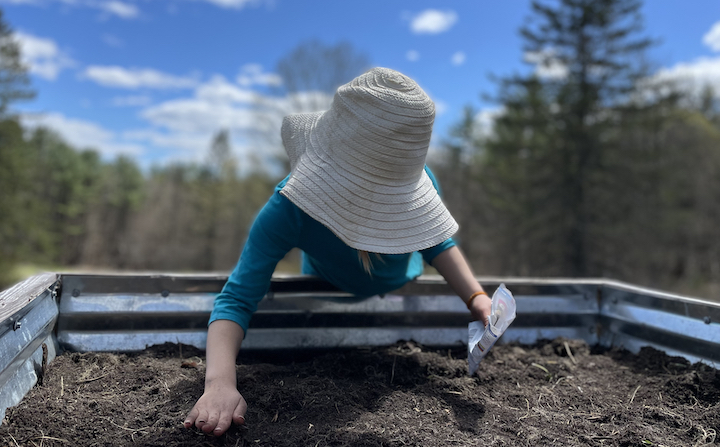
The Evolution of the Frugalwoods Homestead: A Chronology
The journey toward rural living began as a strategic financial and lifestyle pivot for Nate and Elizabeth Willard Thames, the creators of the Frugalwoods platform. Their objective was to leverage extreme frugality to exit the traditional workforce and establish a sustainable lifestyle in the woods of Vermont.
May 2016: The Initial Relocation
The couple moved to their 66-acre property on May 18, 2016. The early phase of the homestead was characterized by significant infrastructure investment and the adoption of a "homesteading-first" mentality. The initial assumption was that the land could, and should, provide the vast majority of the family’s caloric needs, including vegetables, fruits, and potentially livestock such as meat chickens, pigs, goats, and a dairy cow.
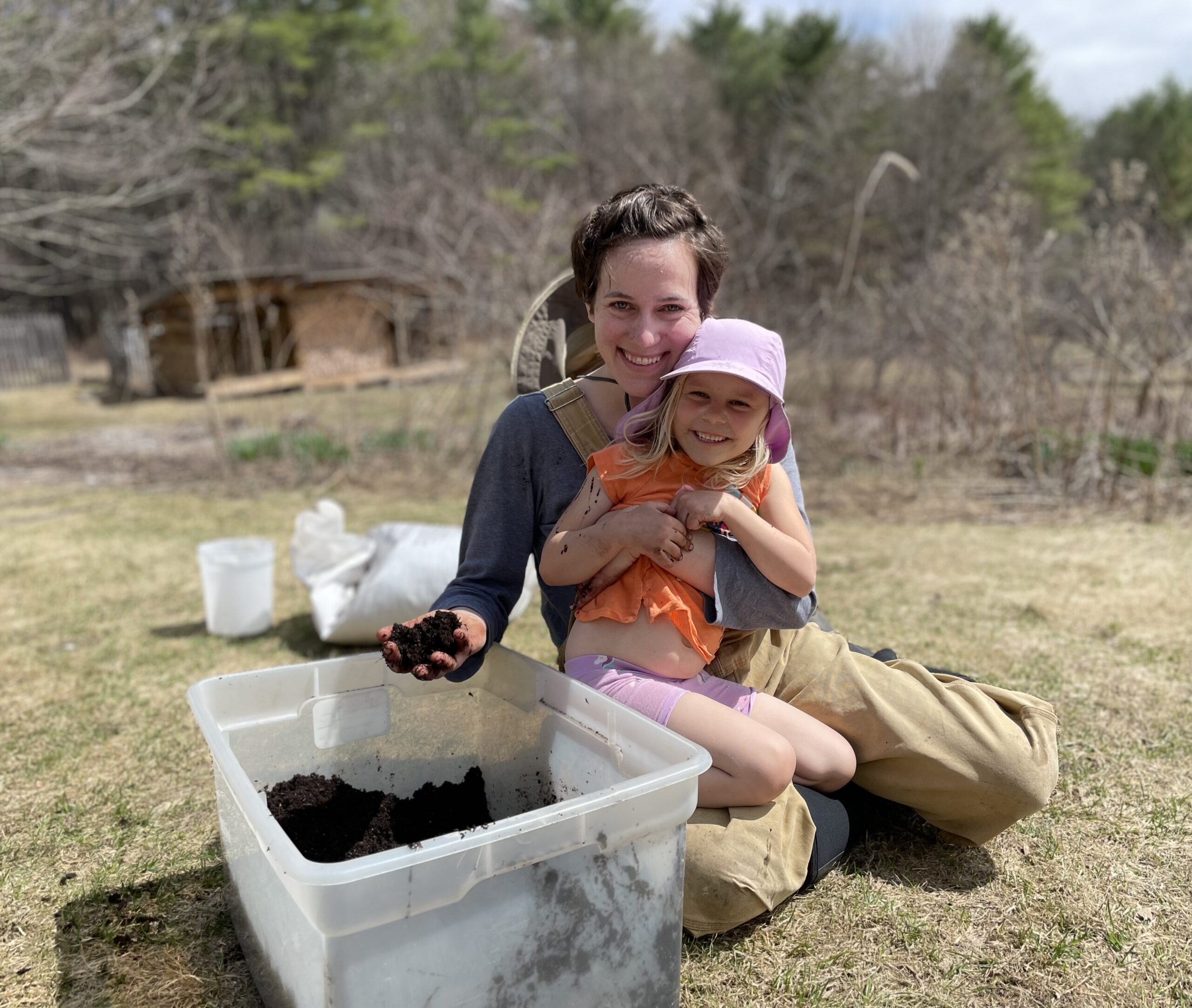
2017–2018: Infrastructure and Intensification
During the first two years, the focus remained on scaling up production. This involved the installation of a "big" vegetable garden, the planting of perennial fruit trees, and the establishment of various berry patches. However, this period also revealed the first significant cracks in the self-sufficiency model. The labor required to manage 66 acres while simultaneously raising young children and maintaining a digital presence proved to be an immense logistical hurdle.
August 2018: The "Kale and Chard Apocalypse"
A pivotal moment in the homestead’s history occurred during the summer of 2018. Following the planting of 80 kale and chard starts, the family faced a massive surplus. The effort required to harvest, wash, blanch, and freeze this single crop consumed several days of labor and required the use of improvised equipment, including a child’s wading pool for rinsing. The realization that the family could not consume the preserved food before it spoiled served as a catalyst for a major shift in philosophy.

2019–2022: Rationalization and Systematization
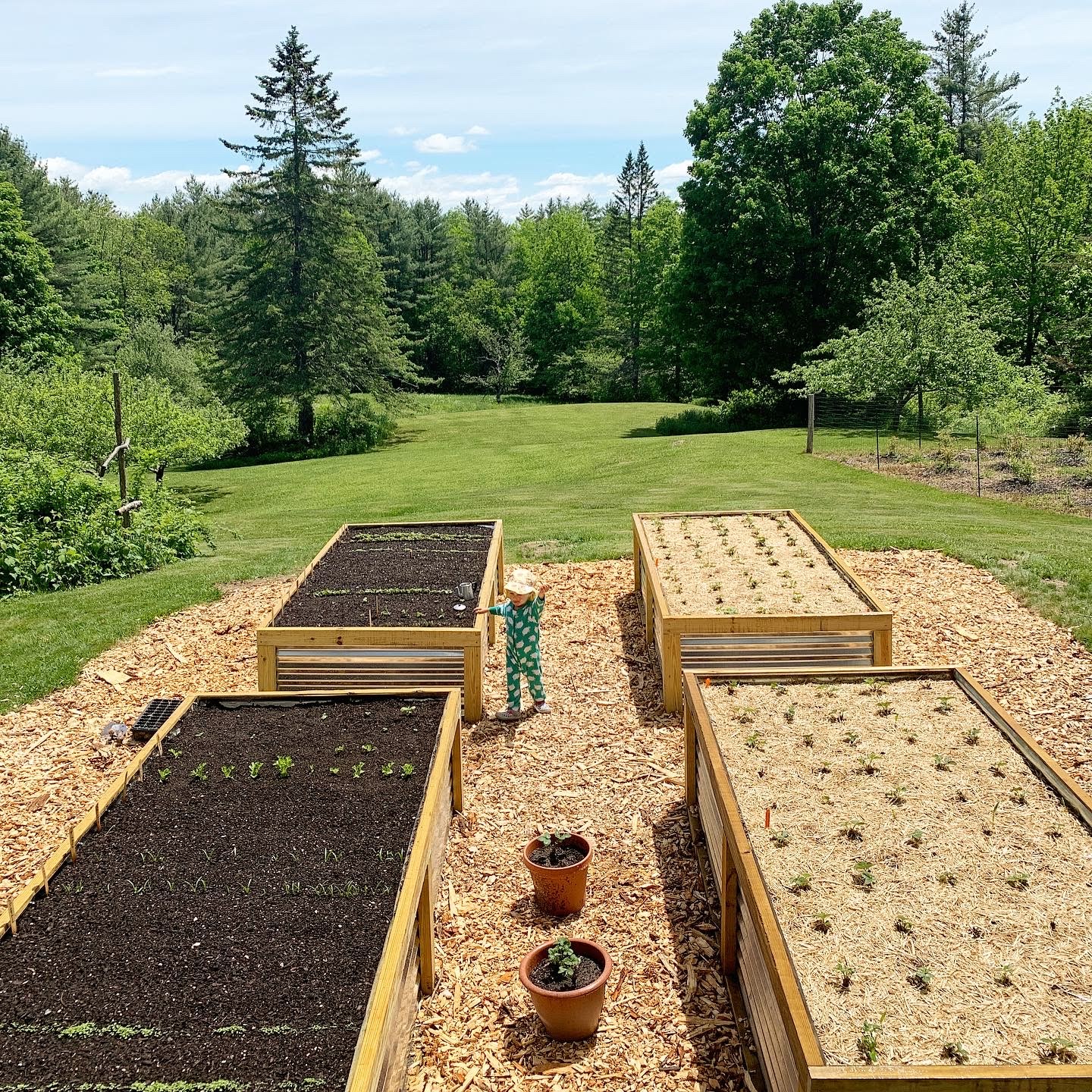
The subsequent years saw a gradual reduction in the scale of annual plantings. The family moved toward a system of raised beds located near the primary residence for ease of access and began to prioritize perennial crops that require less annual labor, despite the challenges posed by local wildlife and weather patterns.
May 2023: The Balanced Model
Seven years into the project, the homestead has moved away from the goal of total self-sufficiency. The current model emphasizes "joy, time, freedom, and space" over maximum agricultural output. The family now supplements their own produce with purchases from neighboring professional farmers, effectively transitioning from subsistence practitioners to active participants in the local rural economy.

The Economics and Labor of Small-Scale Preservation
The "Kale and Chard Apocalypse" of 2018 illustrates the hidden costs of home food preservation. For many modern homesteaders, the transition from growing food to preserving it represents a significant "bottleneck" in the production cycle. Professional agricultural data suggests that while the cost of seeds and soil may be low, the "opportunity cost" of labor is often the most expensive factor in home gardening.
In the case of the 2018 harvest, the process for a single crop involved:

- Manual harvesting of 80 oversized plants.
- Multi-stage rinsing in large-capacity basins.
- Stemming and chopping of hundreds of pounds of greens.
- Blanching in boiling water to stop enzymatic activity.
- Immediate cooling in ice baths.
- Packaging and labeling for long-term freezer storage.
When this process is multiplied across dozens of different crops—each with its own specific ripening window—the homesteading lifestyle can quickly mirror the high-stress environment of the corporate "rat race" that many seekers are trying to avoid. The Thames’ experience suggests that without industrial-scale equipment or a dedicated labor force, total self-sufficiency may become a full-time occupation that precludes other forms of leisure or professional work.
Agricultural Challenges: Wildlife, Weather, and Perennials
The Frugalwoods homestead currently manages three distinct growing areas: a set of four raised beds for strawberries and herbs, a fenced "big" vegetable garden for annuals, and an extensive collection of perennial fruit trees and bushes. Each of these areas faces specific environmental pressures.

The Wildlife Factor
One of the most persistent obstacles to fruit production in rural Vermont is the local fauna, referred to by the Thames as the "Clever Varmint Patrol" (CVP). Despite the use of fences and netting, wildlife—including turkeys, deer, and smaller rodents—frequently consumes high-value crops like plums and cherries the moment they reach peak ripeness. The family noted an incident where a flock of wild turkeys entered a fenced blueberry patch but was unable to navigate their way out, necessitating human intervention to "herd" the birds to safety.
The Perennial Timeline
Data from agricultural extension services confirms the long-term nature of perennial farming. Apple trees typically require approximately six years of growth before producing a viable harvest, while blueberry bushes often take two to three years. This delayed gratification requires homesteaders to commit to years of maintenance (pruning, mulching, and pest control) before realizing any nutritional or financial return.

Climatic Variability
Vermont’s growing season is notoriously volatile. Late spring frosts can kill blossoms on fruit trees, effectively eliminating an entire year’s harvest in a single night. Conversely, excessive rain can lead to fungal diseases, while drought conditions necessitate intensive manual watering. These variables make the prospect of relying solely on home-grown food a high-risk strategy for those without professional-grade agricultural mitigation tools.
The Psychological Shift: From Survivalism to Community Integration
A significant portion of the Frugalwoods retrospective focuses on the psychological burden of trying to live up to an idealized "pioneer" image. The pressure to maximize every harvest often leads to "homesteader guilt"—a feeling of failure when produce is left to rot or when one chooses to buy from a store rather than grow it themselves.

"I’ve learned that chaining myself to my vegetable garden is really no different than chaining myself to my desk and computer," Elizabeth Willard Thames noted in her analysis. This realization highlights a critical turning point for many rural transplants: the understanding that land management should serve the owner’s life, rather than the owner serving the land.
By choosing to purchase food from neighboring farmers, the Thames family has moved toward a model of "Community Supported Agriculture" (CSA) in a literal sense. This supports the local economy and ensures that specialized farmers—who have the equipment and expertise to manage pests and weather more effectively—can continue their work. This shift represents a move from "survivalist self-sufficiency" to "community-based resilience."

Broader Implications for the "Rural Renaissance"
The Frugalwoods experience serves as a case study for the thousands of individuals who moved to rural areas during and after the 2020 global pandemic. As this "rural renaissance" continues, the lessons learned on a 66-acre Vermont homestead provide a realistic framework for what is achievable for non-professional farmers.
Key takeaways for prospective homesteaders include:
- Infrastructure Fatigue: The first three to five years of homesteading are often dominated by staggering infrastructure costs and labor.
- The Harvest Bottleneck: Growing food is often easier than the subsequent steps of harvesting, processing, and storing it.
- The Value of Specialization: Professional farmers are more efficient at food production; homesteaders may find more value in "homestead-lite" activities that provide fresh produce without the burden of total subsistence.
- Scale and Proximity: The Thames family found that raised beds near the home were more utilized and less stressful than larger, more distant garden plots.
In conclusion, the seven-year journey of the Frugalwoods homestead demonstrates that success in rural living is not measured by the percentage of food grown on-site, but by the ability to find a sustainable balance between land stewardship and personal well-being. The transition from the "Kale and Chard Apocalypse" to a balanced, community-integrated lifestyle reflects a maturing of the modern homesteading movement—one that values the freedom of the woods without being enslaved by the demands of the soil.

