
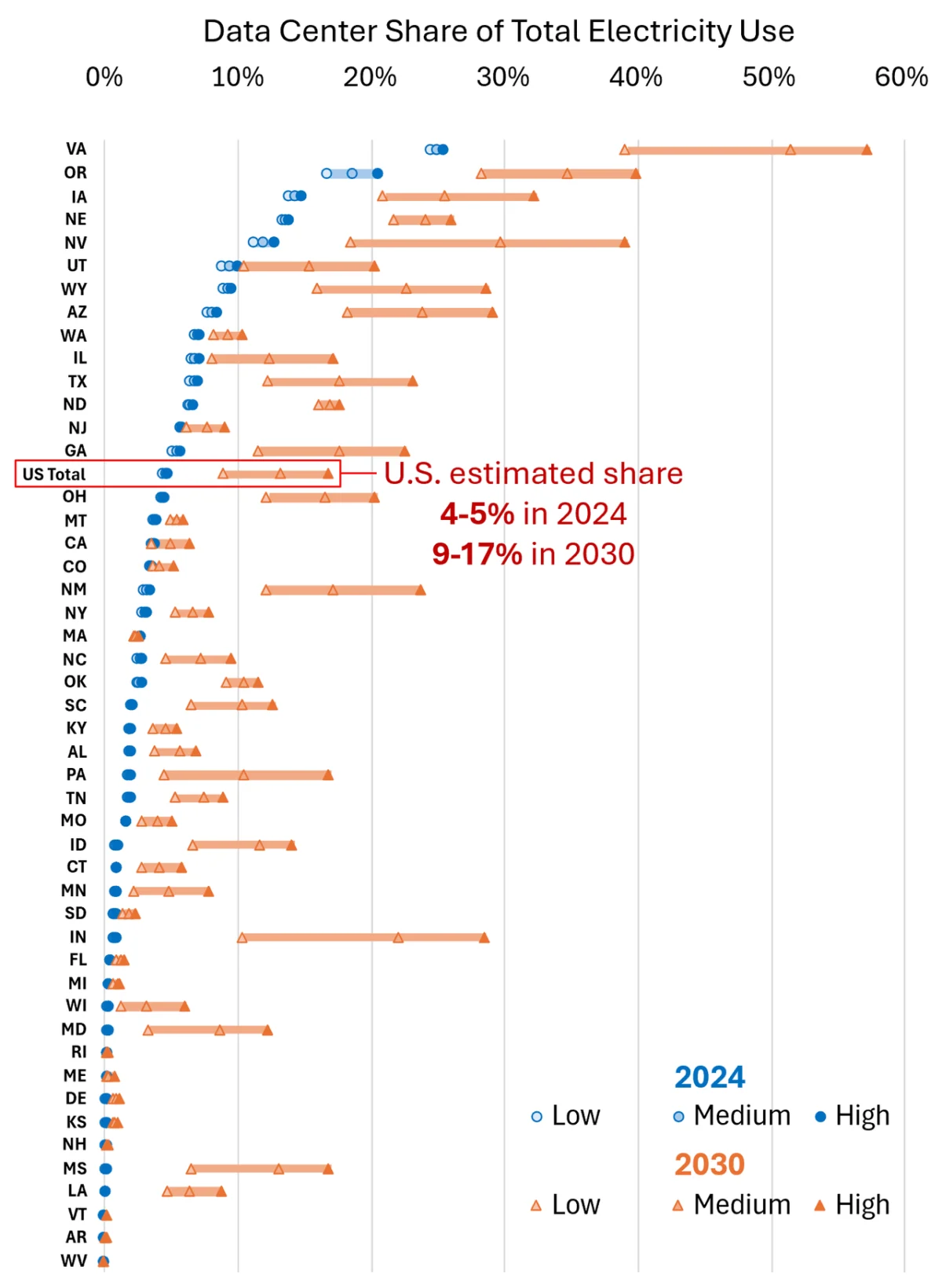
The rapid expansion of the U.S. data center industry has entered a complex and often contradictory phase, characterized by robust growth forecasts and significant construction activity, yet simultaneously hampered by formidable physical, regulatory, and social challenges. While projections indicate a staggering increase in electricity demand from these facilities, the actual realization of planned capacity faces increasing hurdles, leading to widespread uncertainty across the energy and technology sectors.
The Unprecedented Surge in Digital Infrastructure Demand
The insatiable global appetite for digital services, fueled by the proliferation of artificial intelligence (AI), cloud computing, big data analytics, and the Internet of Things (IoT), has driven an unprecedented demand for data center capacity. These digital fortresses, housing vast arrays of servers and networking equipment, are the backbone of modern society, underpinning everything from streaming entertainment to critical financial transactions and advanced scientific research. As AI models become more sophisticated and data-intensive, the computational power required continues to escalate exponentially.
This surging demand is reflected in ambitious construction pipelines and stark electricity consumption forecasts. The Electric Power Research Institute (EPRI), a leading independent energy research organization, issued a sobering projection in February, estimating that data centers could account for up to 17% of total U.S. electricity demand by 2030, potentially rising to as much as 20% by 2035. Such figures underscore the immense strain these facilities are placing on the nation’s energy grid, demanding hundreds, and often thousands, of megawatts of continuous power. Construction activity remains vigorous, with developers pouring billions into new campuses to meet the market’s seemingly limitless need. However, beneath this veneer of relentless growth, a complex web of obstacles is emerging, threatening to slow or even halt critical projects.
A Web of Obstacles: The New Reality for Data Center Development
The journey from conception to operational status for a large-scale data center has become fraught with difficulties that extend beyond traditional development challenges. These obstacles manifest as tangible physical constraints, escalating public opposition, and increasingly stringent regulatory environments.
Infrastructure and Supply Chain Bottlenecks
One of the most critical impediments to timely data center deployment is the severe and persistent bottleneck in the global supply chain for essential electrical equipment. Key components, such as high-voltage power transformers and generator step-up units, are custom-built and face lead times of two to three years, according to industry sources like Fluxco, an electrical equipment marketplace. These delays, exacerbated by the lingering effects of the COVID-19 pandemic, raw material shortages, and increased demand across multiple industrial sectors, are not expected to significantly improve before 2027, when new U.S. manufacturing capacity is anticipated to come online.
Similarly, the availability of power generation equipment, crucial for both grid-connected and "bring your own capacity" solutions, is severely constrained. GE Vernova, a major U.S.-based gas turbine manufacturer, reports a backlog exceeding 100 GW, with delivery dates now stretching into the early 2030s. Competitors like Mitsubishi Heavy Industries and Siemens Energy face similar, albeit slightly shorter, lead times. This scarcity directly impacts the ability of data center developers to secure reliable power sources within their desired timelines.
Compounding the equipment shortages is a profound scarcity of skilled labor. The construction industry, broadly, has been grappling with a workforce deficit for years. In 2024, before the recent acceleration of AI-driven data center construction, the Associated Builders and Contractors trade group estimated a shortage of approximately 500,000 construction workers in the U.S. Data centers, while high-profile, are competing for specialized trades like electricians, pipefitters, and heavy equipment operators with other mega-projects, including semiconductor fabrication plants, electric vehicle battery factories, and renewable energy generation sites. These projects often cluster in the same regions and demand specialized skills, creating intense competition for a limited pool of talent. Industry experts, including EPRI program manager Andrew Maxson, now view skilled labor shortages as a "binding constraint" rivaling land availability and energy supply.
Rising Tide of Local Opposition and Environmental Concerns
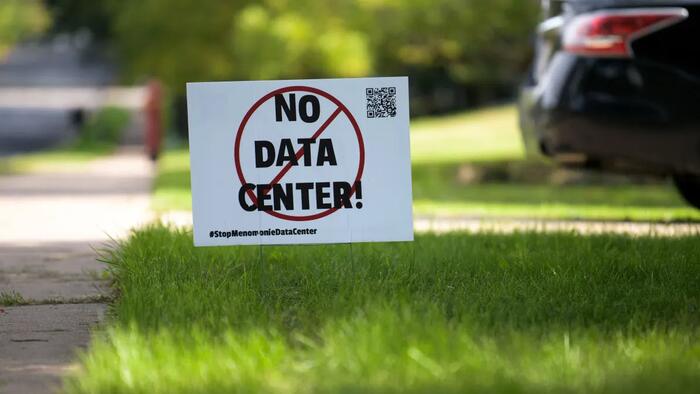
Perhaps the most significant and rapidly evolving challenge is the intensifying public opposition to data center development. What was once considered a relatively benign industrial neighbor is now increasingly viewed with skepticism, if not outright hostility, by host communities. This shift is driven by a confluence of concerns centered on the environmental footprint and socio-economic impact of these massive facilities.
Chief among these concerns is water consumption. Data centers require vast quantities of water for cooling systems, particularly in warmer climates, leading to worries about aquifer depletion and strain on local municipal supplies, especially in drought-prone regions. The sheer volume of electricity consumed also raises alarm bells regarding carbon emissions, even as developers increasingly pledge to use renewable energy. Residents also voice concerns about the impact on grid reliability and the potential for increased electricity costs, fearing that the burden of infrastructure upgrades will be passed on to residential ratepayers. Beyond environmental impacts, quality of life issues such as noise pollution from cooling towers and generators, visual blight, and the overall industrialization of once-rural landscapes contribute to community backlash.
A May poll conducted by Heatmap News revealed a dramatic increase in public resistance, with 71% of Americans opposing a data center being built nearby – a nearly 30 percentage point jump from just eight months prior. This sentiment is translating directly into project cancellations. Heatmap’s analysis indicates that local opposition was responsible for the demise of at least 20 proposed data center projects in the first quarter of 2026 alone, marking a record high.
Notable examples abound. Near Grand Rapids, Michigan, a Microsoft data center project, initially touted by Consumers Energy, faces an uncertain future due to protracted local permitting delays driven by community resistance. In Vineland, New Jersey, another Microsoft-backed facility was hit with a $1 million fine and ordered to obtain proper permits for dozens of gas-powered generators, or face shutdown, following regulatory scrutiny. A proposed Google data center in Xcel Energy’s Minnesota territory has been subject to a court-ordered work stoppage, pending a comprehensive environmental review. Even projects seeking to bypass grid interconnection issues have faced roadblocks; Oracle’s ambitious 2.5-GW Project Jupiter campus in Doña Ana County, New Mexico, saw its proposed gas pipeline blocked by state regulators, forcing Oracle to seek financial protection against potential delays or cancellation. Blake Nixon, president and CEO of Geronimo Power, an energy developer, remarked to Utility Dive that data center opposition has reached an "unprecedented pitch" in his two decades of experience, citing his company’s own 400 MW "data park" proposal in Nobles County, Minnesota, which was rejected despite extensive community outreach.
Regulatory Scrutiny and Political Intervention
The groundswell of public opposition has rapidly escalated into political and regulatory intervention, even in jurisdictions traditionally considered favorable to data center development. State governors, responding to constituent concerns and energy supply pressures, are increasingly demanding greater accountability and responsibility from developers.
In recent months, the Democratic governors of Pennsylvania, Virginia, and New Jersey have taken executive action to compel regulators to require data centers to contribute more significantly to generation and transmission capacity. These actions are not limited to PJM Interconnection states or a single political party. Texas Governor Greg Abbott, a Republican, successfully pushed for a sweeping pause on data center grid interconnections, a move that BloombergNEF estimates could jeopardize up to 20% of the entire U.S. data center development pipeline. Governor Spencer Cox, a Republican in Utah, similarly called for a "higher bar" for data center developers, emphasizing the importance of public input on air quality, water resources, and ratepayer costs. These interventions signal a fundamental shift in the political landscape, where the economic benefits of data center development are now being weighed more heavily against their environmental and social costs.
Strategic Responses: Adapting to a Challenging Landscape
In response to these formidable headwinds, utilities and data center developers are deploying a range of innovative and adaptive strategies to ensure the continued expansion of digital infrastructure, albeit at a potentially slower pace.
Bring Your Own Capacity (BYOC) and Off-Grid Solutions
One prominent strategy is the adoption of "bring your own capacity" (BYOC) models, where computing facilities either colocate with new, dedicated power generation assets or directly finance local capacity additions. This approach aims to circumvent lengthy grid interconnection queues and mitigate local grid strain. Goldman Sachs projects that BYOC solutions could power as much as 25% of all data centers by 2030.
The scale of some of these BYOC projects is unprecedented. OpenAI, for instance, recently committed to taking 8 GW of capacity from a planned 10 GW power generation project in Ohio, a joint venture between Japan’s SoftBank Group and the U.S. Department of Energy, which includes 9.2 GW of gas assets. If realized, this would be the largest single generation source in the U.S. Similarly, Amazon is proposing a 7.7 GW gas-fired power plant in West Texas, which would surpass the current largest U.S. generation facility, the 6.8 GW Grand Coulee hydroelectric dam.

Beyond these massive undertakings, many developers are exploring behind-the-meter (BTM) generation, installing on-site power plants to provide primary or supplemental electricity. Cleanview, a grid data platform, identified over 90 GW of BTM capacity across 59 large-scale data center projects earlier this year, with up to 13 GW potentially coming online by the end of 2027. While BTM solutions offer greater autonomy and speed to power, they remain subject to the same equipment supply chain constraints for transformers and large turbines. This has led to a pivot towards smaller, modular generation units like fuel cells and engines (e.g., from Caterpillar and Bloom Energy), which, despite higher operational costs, offer shorter delivery times (around two years) compared to grid interconnection or large turbine orders. This trade-off reflects the industry’s paramount focus on "speed to power," as the cost of a facility coming online a year late can outweigh the higher capital and operational expenses of an on-site microgrid.
Harnessing Flexibility and Smart Grid Technologies
Utilities and data centers are also increasingly turning to asset-light alternatives, leveraging software and demand-side management to optimize grid utilization and enhance flexibility. This includes the development of virtual power plants (VPPs), which aggregate distributed energy resources and flexible loads to provide grid services. Google’s "first-of-its-kind" deal with Voltus for 100 MW of VPP capacity in PJM is a prime example, demonstrating how data centers can act as responsive loads.
Advanced AI-powered load modeling tools are also proving effective. Portland General Electric, for instance, used GridCARE’s AI platform to identify and free up 80 MW of interconnection headroom – about one-fifth of the 400 MW of data center load it anticipates adding by 2029. EPRI’s DCFlex initiative, which aims to standardize data center designs and utility programs around flexibility, reflects a growing industry consensus that flexible loads can accelerate the interconnection process and alleviate grid stress.
Evolving Siting Strategies
The search for suitable development sites is also evolving. Developers are looking beyond established, power-constrained hubs like Northern Virginia and exploring regions with abundant renewable energy resources and existing grid headroom, such as the northern Plains states. These areas often offer lower wholesale power prices and more accommodating regulatory environments, at least for now.
Furthermore, some utilities and developers are considering smaller-scale data centers designed to integrate more seamlessly into existing grid infrastructure. Louis Finkel, senior vice president of government relations for the National Rural Electric Cooperative Association, notes that rural electric cooperatives are actively seeking these types of loads. Siting smaller facilities where excess capacity already exists on the system can increase grid utilization, potentially putting downward pressure on rates for local consumers, and fostering a more symbiotic relationship between data centers and host communities.
The Broader Implications for Utilities and the Digital Economy
The current contradictory phase of the data center boom introduces significant uncertainty into utility planning cycles, which typically require years, if not decades, of foresight. The volatility of project timelines, the potential for cancellations, and the shifting regulatory landscape make accurate load and resource forecasting exceptionally challenging. This uncertainty can lead to inefficient capital allocation, either by overbuilding infrastructure for projects that never materialize or by underestimating demand, leading to grid instability and higher costs.
Economically, the implications are multifaceted. While data centers bring significant investment and high-paying jobs, particularly in construction and specialized IT roles, concerns persist about the potential for increased electricity prices for general consumers, the strain on state budgets for necessary infrastructure upgrades, and the environmental costs. The drive towards BYOC and BTM solutions, while addressing immediate power needs, could also lead to a more fragmented energy landscape, with large private generation assets existing alongside public utilities.
The current challenges are, however, also catalyzing innovation. They are forcing developers and utilities to rethink traditional models, driving advancements in energy efficiency, modular data center design, and sustainable power solutions. The emphasis on flexibility, smart grid integration, and localized generation represents a shift towards a more resilient and distributed digital infrastructure.
Ultimately, the future trajectory of the U.S. data center boom will depend on the industry’s ability to navigate these complex issues collaboratively. This requires robust dialogue between developers, utilities, regulators, and host communities to forge sustainable solutions that balance the imperative for digital growth with environmental stewardship, grid reliability, and community well-being. The current phase is not merely a bump in the road but a critical inflection point, demanding a more integrated and responsible approach to powering the digital future.

