
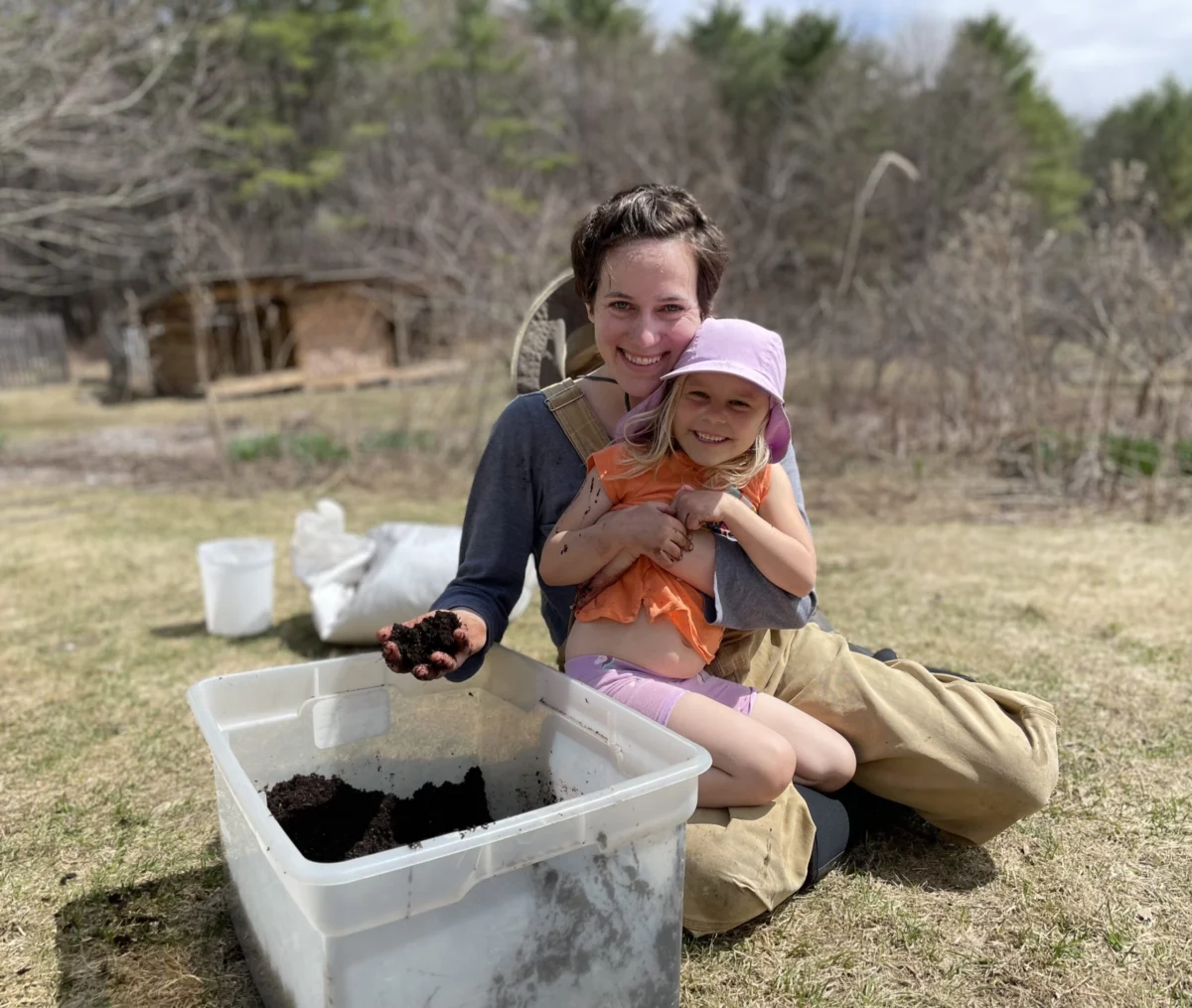
The transition from urban professional life to rural self-sufficiency represents a significant demographic shift in the United States, often characterized by the "back-to-the-land" movement. In May 2016, a prominent case study in this transition began when a family, known publicly through the Frugalwoods platform, relocated from a metropolitan environment to a 66-acre homestead in rural Vermont. Seven years into this operational experiment, the findings suggest a critical divergence between the idealized vision of total food autonomy and the practical, economic, and psychological realities of managing a large-scale property. The central conclusion of this seven-year longitudinal observation is that total food self-sufficiency is often incompatible with modern lifestyle goals, leading to a strategic pivot toward a "balanced homesteading" model that prioritizes labor efficiency and community integration over 100% caloric independence.
Chronology of Homestead Development: 2016 to 2023
The evolution of the Vermont homestead can be categorized into three distinct phases: the Acquisition and Infrastructure Phase (2016–2017), the Peak Production and Crisis Phase (2018–2019), and the Optimization and Strategic Retreat Phase (2020–2023).

In May 2016, the residents acquired 66 acres of wooded land, an environment that presented immediate logistical challenges. Initial assumptions were rooted in a high-output agricultural model, including visions of raising meat chickens, pigs, goats, and dairy cows, alongside the cultivation of exhaustive vegetable and fruit gardens. By 2017, the "Big Garden" was established, utilizing cattle panels as vertical trellises to maximize space for vining crops such as tomatoes and snap peas.

The year 2018 served as a pivotal "inflection point" for the project. During this season, the family attempted to maximize output by planting and harvesting 80 kale and chard plants. While the yield was agriculturally successful, the labor required to process, blanch, and freeze the harvest proved unsustainable. This period, internally referred to as the "Kale and Chard Apocalypse," highlighted the "diminishing returns of labor" in a non-mechanized homesteading environment.

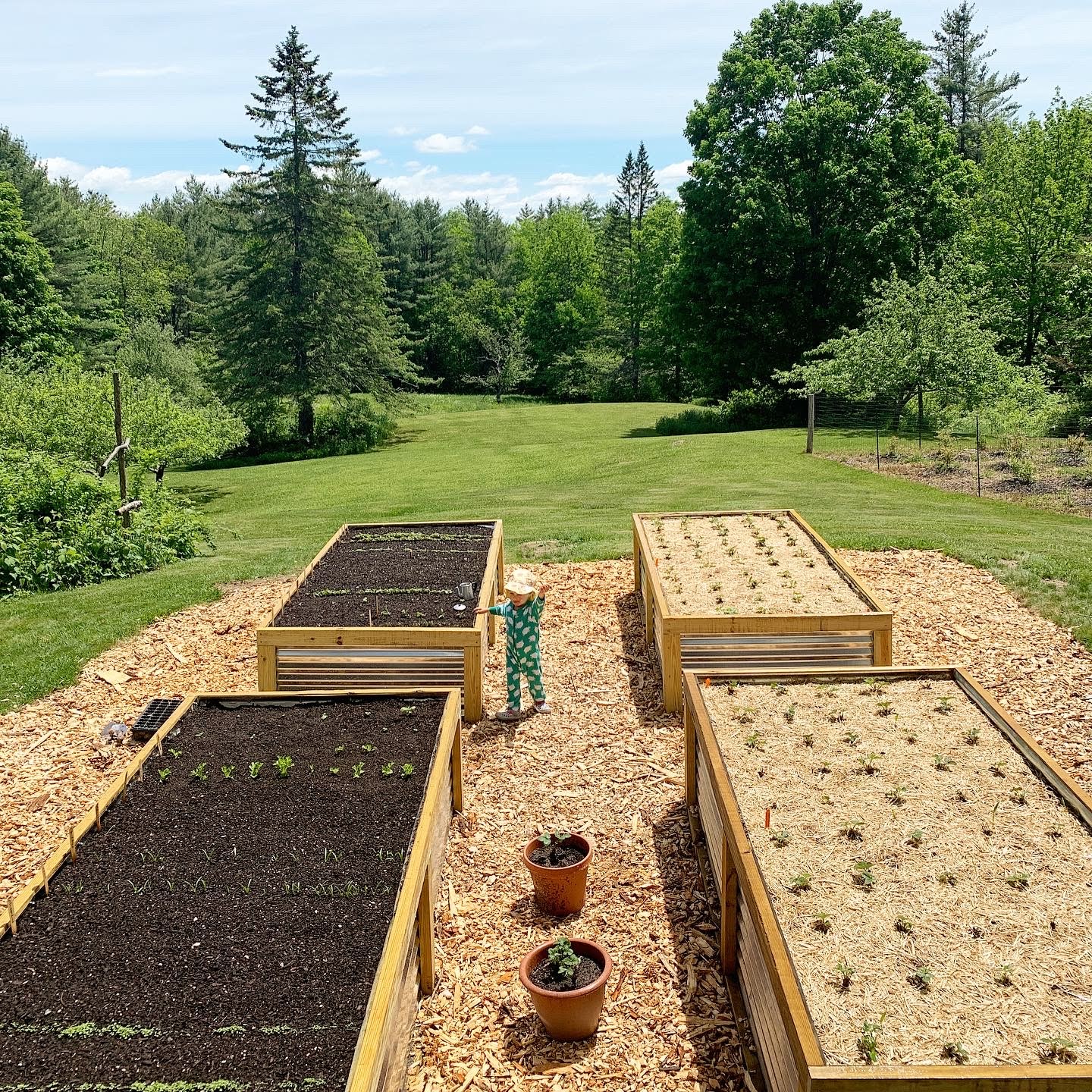
Starting in 2020, the homestead underwent a structural optimization. The family shifted focus to four raised beds located in close proximity to the primary residence. This move signaled a transition from "subsistence-style" farming to "convenience-based" gardening. By 2023, the operation had stabilized into a hybrid model: growing high-value, low-maintenance crops while outsourcing bulk caloric needs to professional local farmers.

The Economic and Labor Realities of Food Preservation
Data from the seven-year period indicates that the most significant barrier to total self-sufficiency is not the growing of food, but the labor-intensive nature of preservation. In a professional journalistic analysis, the "opportunity cost" of manual food processing must be considered. For the Vermont homesteaders, the process of cleaning, chopping, blanching, and freezing a single harvest of greens required multiple days of full-time labor.

According to agricultural labor statistics, small-scale manual farming can require upwards of 40 hours per week during peak harvest seasons (August through October in the Northeast). For individuals who moved to rural areas to escape the "urban rat race," the realization that a garden can become a "stationary treadmill" of endless demands led to a reevaluation of priorities. The residents noted that "chaining oneself to a vegetable garden is really no different than chaining oneself to a desk and computer," as both environments exert time-bound pressures that can degrade quality of life.

Furthermore, the "consumption rate" often failed to match the "production rate." The family reported that despite the intensive labor of 2018, a portion of the preserved food reached its expiration date before it could be consumed, resulting in a net loss of both time and resources. This phenomenon underscores the difficulty of "larder management" for non-professional agrarians.

Technical Challenges: Predation and Climatic Variability
The homestead’s perennial food production—including apples, blueberries, plums, cherries, and pears—faced consistent external pressures that reduced reliable yields. These factors can be categorized into biological predation and environmental volatility.
- The Clever Varmint Patrol (CVP): The homestead experienced significant crop loss due to local wildlife. Despite the use of fencing and netting, species such as wild turkeys and various small mammals frequently intercepted fruit at the peak of ripeness. In one recorded instance, a flock of wild turkeys became trapped within a fenced blueberry patch, necessitating manual intervention to prevent damage to the bushes.
- Climatic Constraints: Vermont’s hardiness zones (typically ranging from 4a to 5b) present a narrow window for success. The residents noted that yields were frequently impacted by late spring frosts, which "burn" blossoms, or early autumn freezes. These environmental variables make the "annual caloric guarantee" of a homestead highly precarious without industrial-scale climate mitigation (such as high tunnels or commercial greenhouses).
- Maturation Timelines: Data confirms that perennial agriculture is a long-term investment. Apple trees on the property required approximately six years to reach bearing age, while blueberry bushes required two years for an initial edible harvest. This "delayed gratification" requires homesteaders to have significant financial runways or alternative food sources during the establishment phase.
Current Operational Status: The 2023 Inventory
As of May 2023, the homestead has moved away from the "total provision" model in favor of a "supplemental" approach. The current agricultural inventory includes:

- Raised Bed Production: Focuses on strawberries, herbs (cilantro, dill, parsley, chives), and salad greens (lettuce, spinach, arugula).
- The Big Garden: Utilized for annual vegetables including tomatoes, beans, squash, peppers, and pumpkins. This area also serves an educational purpose for the family’s children, who are assigned individual rows to manage.
- Perennial Management: Maintenance of established orchards including apples, plums, cherries, and elderberries, with an emphasis on "moderate" preservation (e.g., applesauce and frozen berries) rather than industrial-scale canning.
Broader Implications and Analysis
The Frugalwoods case study provides a factual basis for debunking the "romanticized homesteading" narrative often found in digital media. The transition from a goal of 100% self-sufficiency to a "70/30" or "50/50" split with local agricultural markets suggests a more sustainable path for rural transplants.

Mental Health and the "Perfection Trap"
A significant finding of this seven-year retrospective is the psychological impact of homesteading expectations. The residents reported that the "pressure for perfection" can easily migrate from corporate environments into agricultural ones. The "acceptance phase" of their journey involved acknowledging that they did not enjoy full-time agricultural labor. This suggests that for many "lifestyle homesteaders," the value of the land lies in its "aesthetic and recreational utility" rather than its "productive capacity."

Economic Integration
By choosing to purchase food from neighbor-farmers, the homesteaders are participating in the "localist economic model." This supports the specialized labor of professional farmers who possess the machinery and expertise to produce food more efficiently than a hobbyist. This shift represents a move toward "communal resilience" rather than "individual isolationism."

Educational Value
Despite the retreat from total self-sufficiency, the homestead remains a high-value environment for "skill acquisition." The family’s children are integrated into the planting and harvesting cycles, which fosters a baseline understanding of food systems. This "experiential literacy" is cited as one of the primary remaining benefits of the homesteading lifestyle.

In conclusion, the seven-year report from the Vermont woods serves as a cautionary yet optimistic guide for the modern rural pioneer. It highlights that while the land offers "joy, time, freedom, and space," those benefits can be quickly eclipsed by the "all-consuming" nature of traditional farming. The successful modern homesteader is likely not the one who grows every calorie, but the one who finds the equilibrium between the garden and the lifestyle that the garden was intended to support. The Frugalwoods’ evolution from "aspirational subsistence" to "pragmatic moderation" reflects a broader trend of "sustainable ruralism" that prioritizes human well-being over ideological purity.

