
Consumers scrutinizing their monthly expenditures might sense an imbalance, an unspoken elevation in costs that defies easy quantification when compared to a year prior. This intuitive feeling has been officially corroborated by the Bureau of Labor Statistics (BLS) in its October 2026 Consumer Price Index (CPI) report, released on November 10, 2026. For the first time in recent memory, the customary and critically important year-over-year inflation rate, a benchmark for economic health and policy, was largely absent. A significant lapse in federal appropriations during October 2025 prevented the BLS from collecting comprehensive price data, creating an unprecedented void in the economic record and disrupting the standard twelve-month comparison. Despite this analytical hurdle, the underlying dynamics of the economy continued unabated, with noticeable shifts in key sectors like energy, food, and used vehicles exerting a tangible influence on household budgets across the nation.
The Unprecedented Data Gap: A Consequence of the 2025 Appropriations Lapse
The core anomaly of the October 2026 CPI report stems directly from a period of government shutdown in October 2025. During this appropriations lapse, vital federal agencies, including the Bureau of Labor Statistics, were compelled to curtail or suspend non-essential operations, which regrettably included the meticulous data collection necessary for the Consumer Price Index. Without a complete and accurate set of price points from October 2025, the BLS lacks the indispensable baseline required to compute the standard year-over-year percentage change for most categories in the October 2026 report. This technical impediment means that the widely quoted annual inflation figure, which provides crucial context for policymakers, businesses, and consumers, remains conspicuously blank.
The BLS explicitly addressed this issue in its official release, stating that the "gap in last year’s data broke the comparison." This is not merely a statistical inconvenience; it represents a significant challenge for economic analysis and forward planning. Economists rely heavily on year-over-year data to smooth out seasonal fluctuations and identify long-term inflationary trends. Its absence forces a greater reliance on monthly data, which, while informative, can be more volatile and harder to interpret without the broader annual context. The last time such a significant data disruption occurred due to a government shutdown was in periods where federal agencies were shuttered, highlighting the critical, yet often unseen, work of statistical bodies in maintaining the nation’s economic pulse. The implications extend beyond a single report, potentially impacting the accuracy of economic models and forecasts for months to come until a consistent annual baseline can be re-established.
Understanding the Monthly Pulse: October 2026 CPI Highlights
While the annual comparison remained elusive, the October 2026 CPI report still offered valuable insights into the monthly trajectory of prices. The all-items index, seasonally adjusted, rose by 0.4% in October, a deceleration from the 0.6% increase observed in September. This moderation, though slight, suggests a tempering of immediate inflationary pressures. Perhaps the most scrutinized figure for economists and policymakers is the "core" CPI, which excludes the volatile food and energy sectors. This metric, often seen as a better indicator of underlying inflation trends, rose by 0.3% in October. Crucially, this marks the third consecutive month that core prices have increased by this precise margin, signaling a steady, rather than accelerating, underlying price pressure in the broader economy.
This consistent core inflation figure offers a mixed signal. On one hand, it suggests that the broader economic forces driving price increases have not intensified, providing some relief to those concerned about runaway inflation. On the other hand, a sustained 0.3% monthly increase, when compounded over a year, still represents a notable annual inflation rate, even without the explicit year-over-year comparison. For instance, if core inflation were to continue at 0.3% monthly, it would translate to an annual rate of approximately 3.6% (1.003^12 – 1), a figure that would likely still exceed the Federal Reserve’s long-term target of 2%. This underscores the importance of ongoing vigilance, even in the absence of the conventional annual headline number.
Key Sectoral Movements and Their Impact
Drilling down into specific categories reveals the nuanced shifts that shaped the October 2026 CPI report:
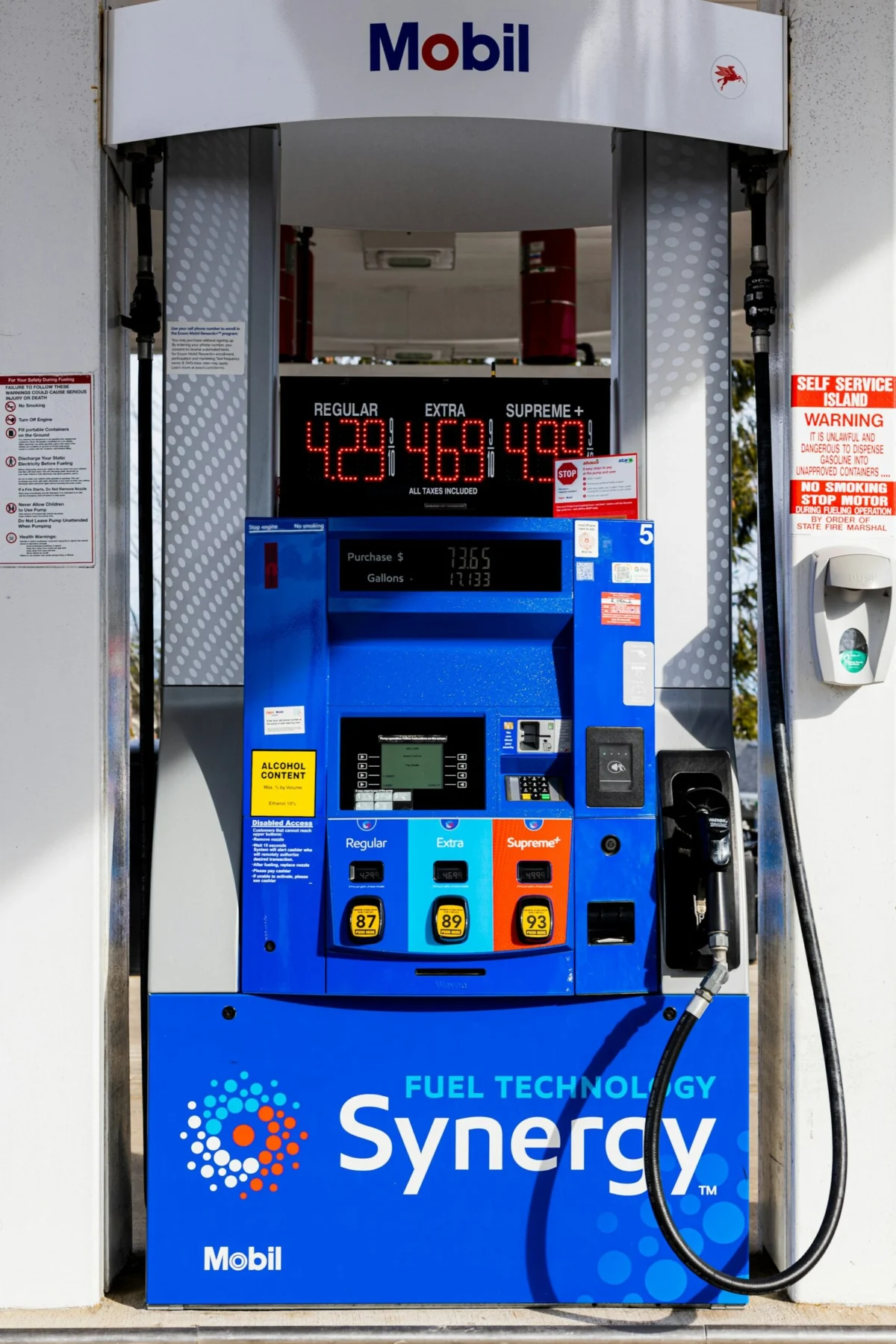
- Energy Costs: This sector continued to be a significant driver of price changes, though at a noticeably slower pace than in previous months. Overall energy costs increased by 0.7% in October, a substantial drop from the sharp 5.2% jump recorded in September. Gasoline, a major component of household budgets, rose by 1.0% in October, following an aggressive 9.1% spike the month prior. This deceleration in energy price increases offers some respite to consumers and businesses, potentially reflecting stabilization in global oil markets or shifts in seasonal demand. However, the continued upward movement, albeit slower, means that consumers are still paying more at the pump than in previous months.
- Food Prices: After holding flat in September, food prices saw a discernible increase of 0.5% in October. This rise was broad-based, affecting both "food at home" (groceries) and "food away from home" (restaurants). Grocery prices rose by 0.4%, impacting the daily spending of millions of households. Restaurant prices saw a slightly higher increase of 0.5%, reflecting persistent labor costs and other operational expenses faced by the food service industry. These increases underscore the ongoing pressure on household food budgets, a category that is often less discretionary than others.
- Housing and Shelter: Shelter costs, which constitute a significant portion of the CPI basket, continued their upward trajectory, rising by 0.3% in October. This was a slight moderation from September’s 0.4% gain. Rent, a key component of shelter costs, increased by 0.2%. The sustained increases in housing-related expenses highlight the persistent demand in the rental market and the broader challenges associated with affordable housing, impacting both renters and homeowners through equivalent rent calculations.
- Transportation (Beyond Gas): While gasoline costs decelerated, other transportation-related expenses saw varied movements. Used cars and trucks experienced the sharpest decline among major categories, falling by 1.2% in October. This reversal partially offset September’s 0.7% increase, suggesting a potential easing of demand or an increase in supply within the used vehicle market. This sector has seen considerable volatility in recent years, often influenced by supply chain disruptions, new vehicle production, and consumer purchasing patterns. Conversely, motor vehicle insurance continued its upward trend, rising by 0.7%, adding another layer of cost to vehicle ownership.
- Medical Care Costs: Medical care services also contributed to the overall price increases, rising by 0.3% in October. This category consistently sees incremental increases, reflecting the complex dynamics of healthcare costs, including labor, pharmaceutical prices, and administrative expenses.
The Broader Economic Context: Navigating Uncertainty
The absence of the year-over-year inflation rate complicates the broader economic narrative. Historically, the period leading up to 2026 has been marked by significant inflationary pressures stemming from global supply chain disruptions, robust consumer demand, and geopolitical events. Central banks worldwide, including the Federal Reserve, have aggressively raised interest rates in an effort to tame inflation, aiming to bring it back to sustainable levels. The CPI report is a critical input for these monetary policy decisions. Without a clear annual comparison, the Federal Reserve’s Monetary Policy Committee (FOMC) faces an additional layer of complexity in assessing whether their efforts are yielding the desired long-term results. They will likely place even greater emphasis on the core monthly data and a wider array of other economic indicators, such as wage growth, employment figures, and GDP growth, to form a comprehensive picture.
Economic forecasting, typically a challenging endeavor, becomes even more intricate when a foundational data point is missing. Financial analysts, institutional investors, and corporate strategists use annual inflation rates to project future costs, assess investment risks, and make critical business decisions. The current data gap forces them to rely on more granular, short-term trends, which can introduce greater uncertainty into their models and projections. This could lead to more cautious business spending and investment, as companies adopt a "wait and see" approach until clearer long-term inflation signals re-emerge.
Reactions and Expert Analysis
Economists and financial analysts have widely acknowledged the unique challenge presented by the October 2026 CPI report. Dr. Evelyn Reed, a senior economist at Global Macro Analytics, commented, "The missing year-over-year data is akin to flying an airplane without a crucial altitude meter. We can still see our speed and direction, but our position relative to the ground is less clear. This report reinforces the importance of the core CPI, which, while steady, still indicates persistent inflationary pressures that the Federal Reserve must continue to monitor closely."
Policymakers, while refraining from direct commentary on the technical aspects of the BLS data, have implicitly emphasized the need for continued fiscal discipline to avoid further disruptions to data collection. A spokesperson for the Treasury Department, speaking on background, reiterated the government’s commitment to stable economic growth and responsible appropriations to ensure the integrity of federal statistical agencies. Consumer advocacy groups, meanwhile, have expressed concern about the difficulty this presents for average households. "How are families supposed to budget effectively when they can’t even tell how much more expensive things are compared to last year?" asked Maria Sanchez, director of the National Consumer Alliance. "This data gap highlights the real-world consequences of government shutdowns on everyday Americans."
Implications for Consumers and Businesses
For the average consumer, the absence of the annual inflation rate means that the intuitive feeling of rising prices is harder to quantify with an official benchmark. The BLS itself advised that "a missing annual rate does not mean inflation stopped. It means the monthly changes below carry more weight than usual." This places a greater onus on individuals to actively monitor their own spending patterns. Budgeting applications and personal finance spreadsheets become more vital tools than ever. By comparing month-to-month grocery and gas receipts, for example, consumers can gain a more accurate, personalized understanding of how price shifts are impacting their specific budgets, rather than relying solely on national averages. The report’s explicit advice to prioritize updating gas and grocery line items in personal budgets directly addresses the categories that saw the most significant monthly movements.
Businesses also face heightened challenges. Companies planning their pricing strategies, negotiating supplier contracts, or adjusting employee wages typically rely on annual inflation forecasts to inform their decisions. Without this clear signal, they may adopt more conservative pricing strategies or offer smaller wage adjustments, fearing potential overestimations of future costs. The uncertainty could also affect long-term investment decisions, as businesses might delay expansion plans if they lack confidence in future cost projections or consumer purchasing power. This environment necessitates more frequent internal financial reviews and a greater reliance on proprietary market intelligence to gauge price trends.
Looking Ahead: Restoring Data Integrity
The integrity and consistency of economic data are paramount for a well-functioning economy. The BLS anticipates that the standard year-over-year comparison will return with the October 2027 CPI report, which will then be able to compare prices against the October 2026 baseline. Until then, the focus will remain on monthly and perhaps alternative comparisons (e.g., year-over-two-years if 2024 data is fully available and the BLS chooses to publish it, though the standard is 12-month). This incident serves as a stark reminder of the critical importance of continuous and uninterrupted funding for federal statistical agencies. These organizations provide the essential data infrastructure that underpins economic analysis, policy decisions, and consumer confidence. Preventing future appropriations lapses that disrupt such vital data collection must remain a priority for legislative bodies to ensure the transparency and reliability of economic reporting.
Final Thoughts
The October 2026 Consumer Price Index report stands as a unique testament to the fragile yet fundamental role of consistent data in economic governance and personal financial planning. The missing annual inflation rate, a direct consequence of a prior government shutdown, does not signify a cessation of price movements but rather a complication in their measurement and interpretation. Gas, groceries, and shelter costs continued their upward creep, while used car prices offered a rare moment of relief. In this environment of statistical uncertainty, the onus shifts to more granular, real-time monitoring. Both individuals and institutions are called upon to review their spending and operational costs from September to October, making necessary adjustments based on actual changes, rather than waiting for a benchmark that will only return with the passage of another year. The episode underscores the profound, far-reaching impact of seemingly distant political events on the most fundamental aspects of economic life.

