
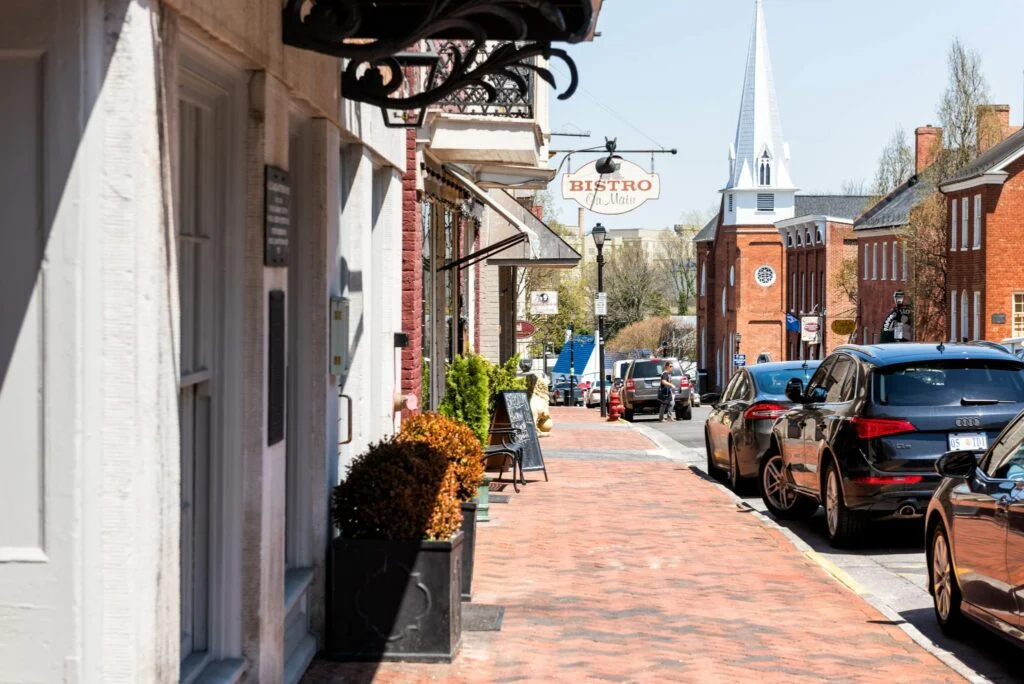
The prospect of retirement often conjures images of sun-drenched beaches, serene mountain retreats, or perhaps a vibrant city brimming with cultural attractions. For many, this newfound freedom from the daily grind of employment presents an unparalleled opportunity to choose a place to call home that truly aligns with their aspirations and lifestyle. However, with countless options available, the decision of where to settle can be both exciting and overwhelming. Individuals like Matt Pittman and Kris Jennings meticulously track annual "best places to retire" lists compiled by various publications, while Katherine and Barry Johnson dedicate weekend afternoons to watching travel shows and exploring "retire here" websites. Rob Kirby and his partner John have even developed a proprietary game, "Could We Retire Here?", utilizing an Excel spreadsheet to systematically evaluate potential future hometowns based on specific criteria, such as proximity to a cooperative and a university. Amidst this personal quest for the ideal retirement destination, AARP has introduced a powerful new online tool designed to streamline the decision-making process: The Livability Index—Great Neighborhoods for All Ages.
Developed by AARP, a non-profit organization dedicated to empowering Americans 50 and older, the Livability Index offers a comprehensive and accessible platform for comparing and contrasting neighborhoods across the United States. Its core objective is to move beyond superficial metrics like climate or cost of living to a more holistic assessment of what truly constitutes a desirable and supportive living environment.
The Paramount Importance of Livability
Jay Haapala, AARP Minnesota Associate State Director for Community Engagement, underscores the profound significance of livability in the context of aging. "Because where we live as we age is a good indicator of how well and even how long we’ll live," Haapala states. "All places are not equal in this way, and there’s much more to livability than nice weather. Plus, when we plan for older adults, we plan for everyone." This statement highlights a crucial paradigm shift: retirement planning is not solely about leisure and recreation, but about ensuring the long-term health, well-being, and continued engagement of individuals within their communities. The AARP Livability Index is founded on the principle that a community’s quality of life for its older residents is intrinsically linked to its overall quality of life for all residents. This inclusive approach recognizes that a community that supports its seniors often fosters an environment beneficial to people of all ages, abilities, and socioeconomic backgrounds.
Defining a Livable Community: A Multifaceted Approach
According to AARP’s framework, a livable community is characterized by its ability to accommodate individuals of all ages, abilities, and income levels, enabling them to thrive and participate fully in civic life. This encompasses a broad spectrum of factors that contribute to a high quality of life. While the original article excerpt did not detail these specific factors, a deeper dive into AARP’s research and the principles behind the Livability Index reveals a comprehensive set of criteria. These typically include:
- Access to Affordable and Quality Housing: This involves the availability of diverse housing options that cater to different needs and financial capacities, including accessible design features and options for aging in place.
- Opportunities for Health and Wellness: This encompasses access to healthcare services, recreational facilities, safe spaces for physical activity, and programs that promote mental and social well-being.
- Transportation and Mobility: This refers to the availability of reliable, affordable, and accessible transportation options, including public transit, walkable streets, and safe infrastructure for pedestrians and cyclists.
- Social and Civic Engagement: This includes opportunities for volunteering, participating in community events, accessing educational programs, and fostering strong social connections to combat isolation.
- Economic Opportunities and Security: While retirement often signifies an end to full-time employment, this factor can encompass opportunities for part-time work, access to financial services, and a generally stable local economy.
- Environmental Quality: This involves access to green spaces, clean air and water, and a safe and well-maintained physical environment.
- Safety and Security: This relates to community safety, emergency preparedness, and a general sense of security for residents.
The development of the Livability Index can be traced back to AARP’s long-standing commitment to advocating for policies and community designs that support older adults. Recognizing the demographic shift towards an aging population, AARP has consistently researched and promoted the concept of "livable communities" as a critical component of successful aging. The Livability Index, launched in its current iteration, represents a significant technological advancement in making this research actionable and accessible to the public. Its development involved extensive data collection and analysis from various governmental and private sources, aiming to provide objective metrics for community assessment.
Navigating the Livability Index: A Practical Tool
The Livability Index is designed for intuitive use, empowering individuals to conduct their own community assessments. By simply entering an address, city, state, or ZIP code, users can access a wealth of data on how a particular community scores across seven key areas that directly impact quality of life. These seven key areas, as elaborated by AARP and its partners in the index’s development, are:
- Housing: This category evaluates the availability, affordability, and suitability of housing options, including metrics on homeownership rates, rental costs, and the prevalence of accessible housing features.
- Community and Environment: This assesses the quality of public spaces, access to parks and natural areas, environmental health indicators, and the overall aesthetic appeal and upkeep of the community.
- Health and Healthcare: This metric examines access to healthcare providers, hospitals, pharmacies, and the availability of health and wellness programs, as well as indicators of community health outcomes.
- Transportation: This area scrutinizes the accessibility and efficiency of public transportation, walkability and bikeability scores, and the availability of transportation services for seniors and individuals with disabilities.
- Engagement and Employment: This component looks at opportunities for civic participation, volunteerism, access to lifelong learning, and the availability of flexible or part-time employment options for older adults.
- Inclusivity: This crucial factor measures the extent to which a community welcomes and supports residents of all ages, backgrounds, and abilities, often looking at metrics related to diversity and social cohesion.
- Food: This category focuses on access to healthy and affordable food options, including the presence of grocery stores, farmers’ markets, and community gardens, particularly in underserved areas.
The Livability Index provides a granular view, allowing users to compare up to three locations side by side. This comparative feature is particularly valuable for individuals exploring multiple potential retirement destinations. Furthermore, the platform offers a high degree of customization, enabling users to tailor the results to their specific priorities. "You can even see how the west side of a town differs from the east side," Haapala explains. "Plus, you can drill down into the specific criteria that are important to you."
This detailed customization allows for highly personalized assessments. For instance, an avid reader can investigate the proximity of a potential new residence to public libraries, factoring in author readings and literary events. Similarly, an individual who no longer drives but wishes to maintain an active social life with grandchildren can evaluate the stroller-friendliness and accessibility of the city’s public transportation system. These practical considerations are often overlooked in broader "best of" lists but are fundamental to maintaining independence and quality of life in retirement.
Broader Implications and Future Outlook
The development and widespread adoption of tools like the AARP Livability Index have significant implications for urban planning, public policy, and individual decision-making. By providing data-driven insights into what makes a community truly livable, the index empowers citizens to advocate for improvements and encourages local governments to prioritize policies that support aging in place and intergenerational inclusion.
The COVID-19 pandemic, which has significantly impacted travel and in-person exploration, has further amplified the utility of such online resources. As Haapala notes, "It’s a great way to virtually explore other communities, especially now when the pandemic is keeping most of us at home." This virtual exploration capability is invaluable, allowing individuals to conduct thorough research without the constraints of physical travel.
The analysis of the Livability Index data can reveal trends and disparities across the nation. For example, research based on such indices might highlight which types of communities—urban, suburban, or rural—are best equipped to meet the needs of an aging population. It can also identify specific challenges, such as a lack of affordable housing or inadequate public transportation in certain regions, prompting targeted interventions.
Looking ahead, the continued evolution of the Livability Index, incorporating more real-time data and user feedback, could further enhance its predictive power and usefulness. As more individuals utilize the tool for retirement planning, the collective data generated can inform broader demographic and economic analyses, assisting policymakers in developing more effective strategies for supporting an aging populace. The emphasis on "Great Neighborhoods for All Ages" is a forward-thinking approach, recognizing that creating inclusive and accessible communities benefits everyone, fostering stronger social fabric and more resilient economies for generations to come. The quest for the ideal retirement location, once a complex and often intuitive process, is now being transformed by sophisticated tools that prioritize the fundamental elements of a fulfilling and sustainable life.
Bev Bachel, a freelance writer and AARP member, shared her personal appreciation for the livability of her Minneapolis neighborhood, demonstrating the practical impact of these principles. Her work, including the book "What Do You Really Want? How to Set a Goal and Go for It: A Guide for Teens," reflects a commitment to empowering individuals in achieving their life goals, a sentiment that resonates deeply with the purpose of the Livability Index.
The insights gleaned from resources like the Livability Index are not merely for those on the cusp of retirement; they serve as a blueprint for building better communities for all, ensuring that aging is a period of continued engagement, well-being, and belonging, regardless of one’s location.

