
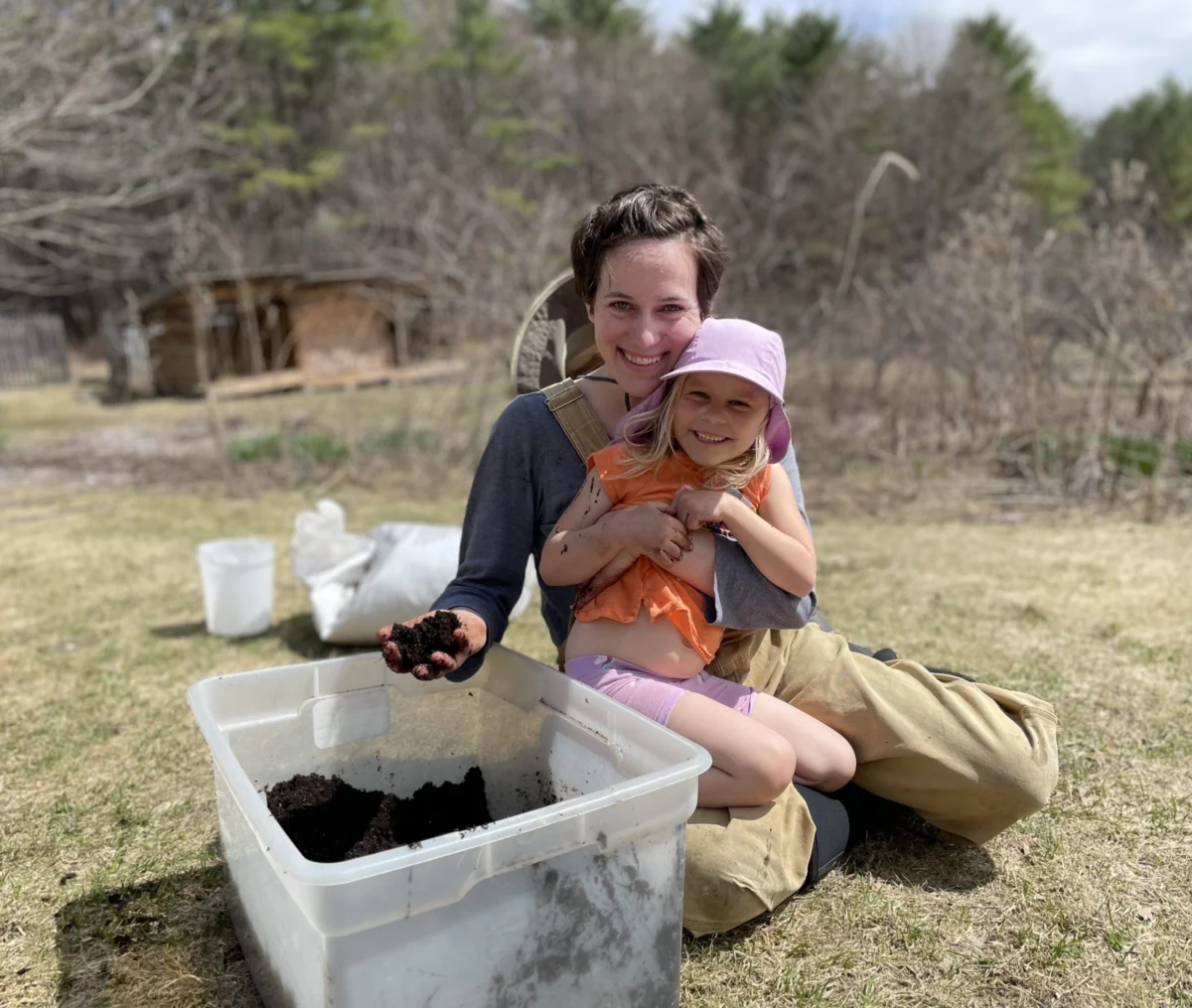
The transition from urban centers to rural landscapes represents a significant demographic shift that gained considerable momentum in the mid-2010s, driven by the search for sustainability, financial independence, and a departure from the "rat race" of metropolitan life. Among the most documented examples of this transition is the experience of the Frugalwoods family, who in May 2016 relocated from a city environment to a 66-acre homestead in rural Vermont. Seven years into this experiment, the realities of high-intensity agriculture and the logistical challenges of total self-sufficiency have led to a significant recalibration of what it means to live "off the land" in the 21st century. This retrospective examines the intersection of idealistic homesteading goals and the practical, often grueling, demands of rural subsistence.
The Genesis of the Rural Shift: Ambitions vs. Realities
The initial impetus for the Frugalwoods’ relocation was rooted in the "back-to-the-land" philosophy, a movement that historically resurfaces during periods of economic or social volatility. Upon acquiring their 66-acre property, the primary objective was to achieve a high degree of food sovereignty. The original vision included not only the cultivation of diverse fruit and vegetable gardens but also the potential for animal husbandry, including meat chickens, pigs, goats, and a dairy cow for home-scale cheese and butter production.
This vision was influenced by the broader cultural romanticization of rural life, often seen in media portrayals that emphasize the aesthetic benefits of nature while minimizing the technical and physical labor required to maintain such a lifestyle. However, the reality of the Vermont climate—characterized by severe ice storms, power outages lasting up to a week, and a condensed growing season—quickly shifted the focus from idyllic dreaming to tactical survival and maintenance.
Chronology of a Homestead: From Expansion to Recalibration
The seven-year journey of the Vermont homestead can be categorized into three distinct phases: infrastructure development, peak production saturation, and the current phase of balanced integration.
2016–2017: Infrastructure and Establishment
The first two years were defined by massive capital and labor investments. Establishing a homestead on 66 acres required the creation of fenced garden plots, the procurement of tools, and the learning of basic agricultural cycles. During this period, the assumption remained that the family would eventually produce the vast majority of their caloric intake.

2018: The "Kale and Chard Apocalypse"
A pivotal moment in the homestead’s history occurred in 2018, which served as a stress test for the family’s preservation capabilities. The family planted and successfully grew 80 kale and chard plants. While the yield was agriculturally successful, the logistics of processing the harvest proved overwhelming. The preservation process for this single crop involved:
- Multi-stage washing using large-scale rinsing stations (including a repurposed children’s pool).
- Manual de-stemming of hundreds of pounds of greens.
- Blanching in boiling water followed by immediate cooling.
- Drying, bagging, and freezing.
The labor required "plural days" of standing in the kitchen and bending over garden rows, a process that proved unsustainable for a family with young children. Furthermore, the inability to consume the preserved goods before they expired led to significant food waste, prompting a re-evaluation of the "produce everything" mantra.

2019–2023: The Shift Toward Balanced Gardening
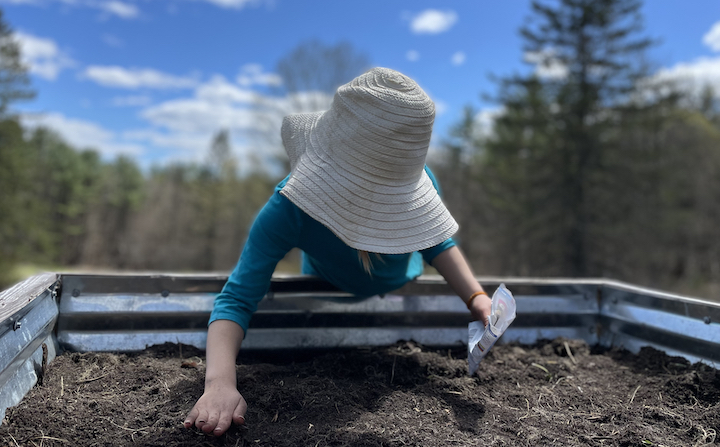
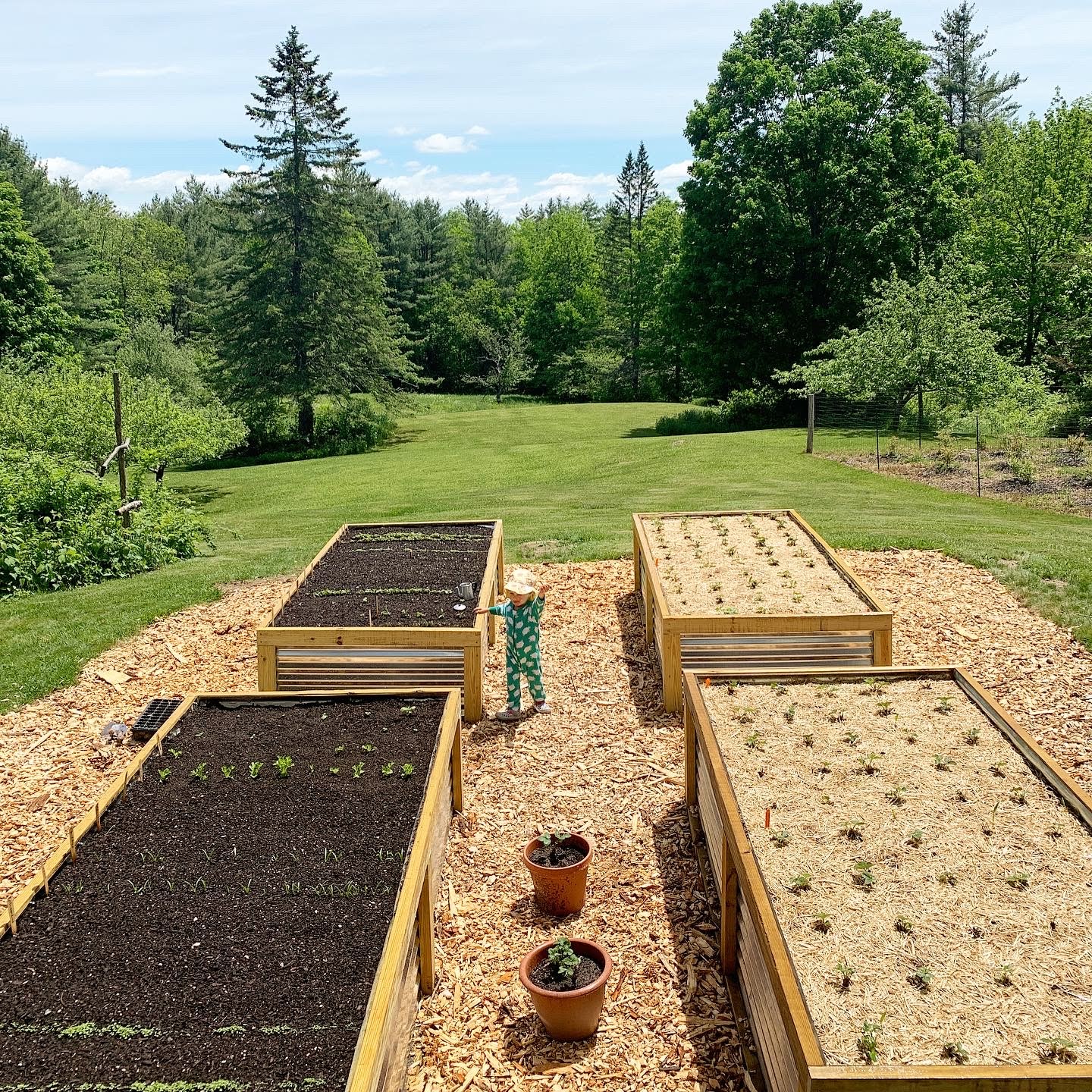
By 2023, the homestead moved away from subsistence-level farming toward a "moderate gardening" model. This approach prioritizes joy and environmental education over total self-reliance. The family now utilizes four raised beds near the primary residence for high-frequency items like strawberries and herbs, while maintaining a "big" fenced garden for annual staples like tomatoes, beans, and squash.
Supporting Data: The Economics of Self-Sufficiency
The transition from "growing everything" to "supporting local farmers" is backed by economic and temporal data. According to agricultural labor statistics, subsistence farming—the act of growing enough food to support a family—is a full-time occupation requiring approximately 40 to 60 hours of labor per week during the peak season.

For many modern homesteaders, the "opportunity cost" of this labor is high. When the time spent gardening and canning exceeds the time available for family, rest, or other professional pursuits, the homestead ceases to be a source of freedom and becomes another form of "unpaid labor." The Frugalwoods’ shift reflects a growing trend among rural transplants to support the "local food web"—buying from professional farmers who benefit from economies of scale and specialized machinery—rather than attempting to replicate those systems on a micro-scale.
The Environmental and Biological Challenges of Perennial Cultivation
A significant portion of the Vermont homestead is dedicated to perennial crops, which offer a different set of challenges compared to annual vegetables. The current inventory includes:

- Fruit Trees: Apple, plum, pear, and cherry.
- Berries: Blueberry, raspberry, elderberry, and black currant.
- Other: Asparagus and rhubarb.
Data on perennial growth indicates a long-term ROI (Return on Investment). For example, apple trees typically require six years to reach bearing age, while blueberry bushes require at least two to three years for a viable harvest.
The Varmint Factor
One of the most persistent obstacles in rural agriculture is the "Clever Varmint Patrol" (CVP)—a term used to describe local wildlife such as turkeys, deer, and rodents. Despite the use of fencing and netting, wildlife interference remains a primary cause of crop loss. In one instance, a flock of wild turkeys became trapped within a fenced blueberry patch, highlighting the difficulty of protecting high-sugar fruit crops without industrial-grade deterrents.

Meteorological Volatility
Vermont’s climate presents a high risk for fruit production. Late spring frosts can "burn" blossoms, effectively neutralizing a tree’s production for the entire year before the fruit even begins to form. This unpredictability makes total reliance on home-grown fruit a risky strategy for food security.
Broader Impact and Implications for Rural Migration
The Frugalwoods’ experience serves as a case study for the "New Ruralism" movement. It highlights a critical lesson: the successful rural life is often found in the middle ground between urban consumerism and extreme self-sufficiency.

1. Psychological Sustainability
The realization that "chaining oneself to a vegetable garden is no different than chaining oneself to a desk" is a vital takeaway for those seeking to escape burnout. By accepting that they do not want to be full-time farmers, the family has reclaimed their time for community engagement, such as attending local farm events and hiking, which were the original reasons for their move.
2. Strengthening Local Economies
The shift toward purchasing food from neighbors fosters a more resilient local economy. Professional farmers are better equipped to handle the "all-at-once" nature of harvests, and by purchasing from them, homesteaders help ensure that local agriculture remains viable for the entire community.

3. Educational Value
Despite the reduction in scale, the homestead remains a powerful educational tool. By giving children their own rows to plant and harvest, the family ensures that the next generation understands the origins of food and the effort required for cultivation, without the stress of subsistence pressure.
Conclusion: The New Definition of the "Perfect" Homesteader
As of May 2023, the Frugalwoods homestead stands as a testament to the importance of adaptation. The "perfect" homesteader is no longer defined by the number of jars in their larder or their independence from the grocery store. Instead, perfection is found in the ability to align one’s land use with their personal values and time constraints.
The seven-year retrospective suggests that for those moving to the country, the most important crop to cultivate is not kale or apples, but rather a sense of realism and the grace to abandon "preconceived notions" in favor of a lived experience that prioritizes balance, community, and the freedom of the woods. The Frugalwoods continue to reside on their 66 acres, not as subsistence farmers, but as rural residents who have found harmony between the soil and the soul.

