
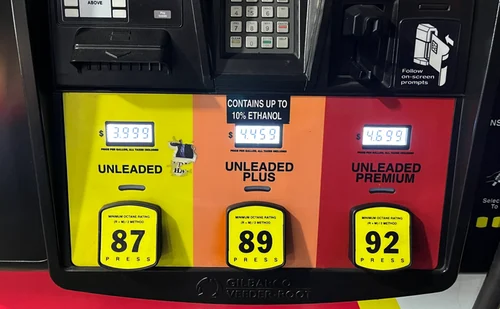
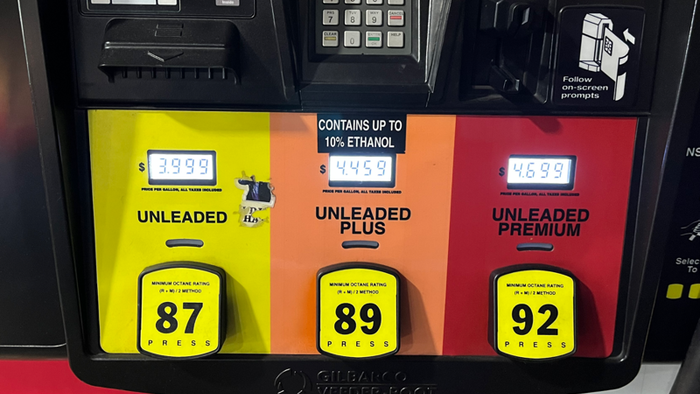
The national average price for a gallon of regular gasoline at the pump now stands precariously close to the politically sensitive $4-a-gallon threshold, currently just four cents shy of this significant benchmark, according to the latest data from the American Automobile Association (AAA). This month has witnessed an unprecedented surge in retail fuel prices, encompassing both gasoline and diesel, marking the largest single-month increase on record. This dramatic escalation is delivering a severe financial shock to the already strained budgets of consumers across the nation, with potential widespread economic repercussions.
The Unprecedented Surge: A Deeper Dive into the Numbers
The recent climb in fuel prices is not merely significant; it is historically unparalleled. AAA data reveals that gasoline prices at the pump have soared by nearly 33% this month alone. To put this into perspective, this record-setting vertical move in prices has far outpaced the increases observed during major geopolitical events such as the Russia-Ukraine invasion in 2022 or even the Iraq War, with historical data tracing back to 2005. Such a rapid and substantial increase suggests a confluence of powerful market forces, supply constraints, and potentially escalating geopolitical tensions.
This sharp spike is not limited to gasoline. Diesel prices have also experienced a significant surge, triggering alarms among small businesses that rely heavily on transportation for their operations. The cost of diesel directly impacts the supply chain, from agricultural production and manufacturing to retail distribution, meaning higher diesel prices inevitably translate to increased costs for a wide array of goods and services, ultimately burdening the end consumer. Small business organizations have begun issuing warnings, highlighting that these elevated diesel costs could cripple their operations and contribute to broader inflationary pressures across the economy.
The Psychological Thresholds of Fuel Prices and Consumer Behavior
The impact of rising fuel prices extends beyond mere monetary cost; it significantly influences consumer psychology and behavior. Bonnie Herzog, a managing director and senior consumer analyst at Goldman Sachs, emphasized this dynamic in a recent client note. Herzog highlighted that when fuel prices ascend to specific "psychological threshold" levels—historically above $3 and now approaching $4 a gallon—consumers tend to adjust their habits dramatically.
"Historically, when retail gas prices increase (especially above the $3/gal psychological threshold, although that’s been rebased higher), consumers make the concerted decision to drive less, don’t always fill up their tanks (i.e., lower fill rates)," Herzog explained. This behavioral shift is a direct response to the perceived strain on household budgets. Faced with higher costs, individuals and families consciously reduce non-essential travel, consolidate trips, and become more mindful of their vehicle’s fuel consumption. Instead of filling their tanks to capacity, many opt for smaller, more frequent fill-ups, often purchasing only enough fuel to get by, thereby spreading the immediate financial outlay.
Herzog further noted that while the $3 and $4 marks elicit noticeable changes in behavior, the real "demand destruction" for drivers typically materializes when gasoline prices at the pump reach the even more daunting $5 a gallon mark. At this point, the economic pressure becomes so severe that it can lead to significant reductions in overall vehicle miles traveled, impacting everything from daily commutes to leisure travel. Another coping mechanism identified by Herzog is the trend of consumers trading down the fuel-price spectrum, shifting from premium gasoline to regular octane varieties to save money, even if their vehicles are designed for higher-grade fuel. This practice, while offering immediate savings, can have longer-term implications for vehicle performance and maintenance.
Broader Economic Ripple Effects
The rapid escalation of fuel prices carries profound implications for the broader economy, extending far beyond individual consumer pocketbooks.
Inflationary Pressures and Supply Chain Strain
The surge in both gasoline and diesel prices is a significant driver of inflation. Fuel is a foundational cost across almost every sector of the economy. For businesses, higher transportation costs for raw materials, manufactured goods, and delivered services are often passed on to consumers in the form of higher prices. This phenomenon is particularly acute for industries heavily reliant on logistics and shipping, where diesel is the primary fuel. Small businesses, which often operate on tighter margins, are particularly vulnerable. The "going to cripple our economy" sentiment expressed by small businesses regarding the diesel spike underscores the severe challenge these enterprises face in maintaining profitability and operational stability. This inflationary feedback loop can diminish purchasing power, erode savings, and dampen overall economic growth.
Disproportionate Burden on Low-Income Households
The impact of rising fuel prices is not evenly distributed across the population. As Herzog pointed out, "low-income households spend 3x more of their incomes on gas vs. the average household." This stark disparity highlights how a fuel-pump shock disproportionately burdens those least able to absorb it. For many low-income individuals, public transportation options may be limited or non-existent, making personal vehicles a necessity for commuting to work, accessing healthcare, and running essential errands. Higher fuel costs consume a larger percentage of their disposable income, forcing difficult choices between essential needs like food, housing, and transportation. Furthermore, Herzog noted that "c-stores over-index to low-income consumers," meaning that the convenience stores often patronized by these households are directly affected by these economic shifts, reflecting a broader strain on community commerce. This exacerbates existing economic inequalities and can lead to increased financial precarity for vulnerable populations.
Geopolitical Undercurrents and Policy Responses
The mention of "Trump headlines" regarding finding an "offramp to the conflict" on Monday morning offers a crucial, albeit subtle, hint at the geopolitical factors underlying the current price surge. While the original article does not explicitly name the conflict, the comparison to the Russia-Ukraine invasion and the Iraq War suggests that current geopolitical instability, potentially involving a major oil-producing region or nation, is playing a significant role. Disruptions to global oil supply, either real or perceived, due to conflict, sanctions, or political instability, can immediately send crude oil prices soaring on international markets.
Governments, particularly in consumer-dependent nations like the United States, often face immense political pressure to address high fuel prices. Potential policy responses include:
- Strategic Petroleum Reserve (SPR) Releases: Tapping into national oil reserves to increase supply and calm market fears, as was done following the Russia-Ukraine invasion.
- Diplomatic Engagements: Engaging in high-level diplomatic efforts to de-escalate conflicts, stabilize oil-producing regions, or negotiate increased output from OPEC+ nations.
- Domestic Energy Policy Adjustments: Reassessing domestic oil production policies, permitting processes, or incentives for alternative energy sources in the longer term.
- Tax Relief: Considering temporary reductions in fuel taxes (federal or state) to offer immediate relief at the pump, though this can impact infrastructure funding.
The rapid and severe nature of the current spike underscores the fragility of global energy markets and the interconnectedness of geopolitical events with everyday economic realities. Any perceived de-escalation of conflict, as potentially hinted at by the "Trump headlines," could offer a degree of market relief, suggesting that a significant portion of the current price premium is attributable to geopolitical risk.
Consumer Sentiment and Broader Spending Habits
A sustained period of elevated fuel prices poses a significant threat to overall consumer sentiment, which is a critical driver of economic activity. When consumers feel financially squeezed by essential costs like gasoline, their confidence in the economy tends to wane. This erosion of confidence can lead to a curtailment of discretionary spending—purchases of non-essential goods and services, such as dining out, entertainment, travel, and large consumer goods.
The ripple effect is profound. Reduced consumer spending can impact various sectors, including retail, hospitality, automotive sales, and leisure industries. Businesses that rely on consumer confidence and disposable income may experience slower sales, reduced profits, and potentially even job losses if the downturn is prolonged. Historically, periods of high energy costs have often correlated with broader economic slowdowns or recessions, as the cumulative impact on household budgets acts as a drag on aggregate demand. If this current fuel spike proves to be more than temporary, its dampening effect on consumer sentiment could become a significant headwind for economic recovery or stability.
Outlook and Future Considerations
The trajectory of fuel prices in the coming weeks and months will depend on a complex interplay of global supply dynamics, geopolitical stability, and domestic demand patterns. Key factors to monitor include:
- Geopolitical Developments: Any escalation or de-escalation of the inferred conflict will have an immediate and direct impact on crude oil prices, which form the basis of retail fuel costs. Diplomatic breakthroughs or renewed tensions will be closely watched.
- OPEC+ Decisions: The Organization of the Petroleum Exporting Countries and its allies (OPEC+) have significant influence over global oil supply. Their production decisions, whether to increase output or maintain current levels, will be crucial in balancing the market.
- Global Demand: Economic growth in major consuming nations, particularly China and India, will continue to shape global oil demand. A robust global economy typically translates to higher demand and potentially higher prices.
- Refinery Capacity and Maintenance: Seasonal refinery maintenance schedules and unexpected outages can impact the supply of refined products like gasoline and diesel, leading to localized or regional price spikes.
- Seasonal Driving Patterns: As warmer months approach in the Northern Hemisphere, increased demand for summer travel can put upward pressure on gasoline prices, even in the absence of other significant market disruptions.
While some analysts might hope the current spike is temporary, its record-setting nature and the confluence of factors suggest a high degree of volatility. The long-term implications could include an accelerated shift towards more fuel-efficient vehicles, electric vehicles, and greater investment in renewable energy sources, as consumers and policymakers seek to reduce reliance on volatile fossil fuel markets.
In conclusion, the nation stands at a critical juncture regarding fuel prices. The average price of gasoline is hovering just below the $4 psychological threshold, propelled by a record monthly surge that is delivering a significant economic shock. This situation demands close monitoring of geopolitical developments, global supply dynamics, and their direct impact on consumer behavior and the broader economy. The immediate challenge lies in mitigating the financial strain on households and businesses, particularly those with lower incomes, while longer-term strategies for energy security and sustainability remain paramount.

