

Despite growing wealth and a decade-long influence in the financial independence movement, Mr. Money Mustache, the widely recognized personal finance blogger, firmly asserts his continued adherence to the very money-saving principles he advocates. Addressing critics who suggest his affluent status has distanced him from the "common person’s plight," the blogger, whose real name is Pete Adeney, recently detailed a series of practical, enjoyment-driven habits that simultaneously enrich his life and significantly bolster his financial standing. These practices, he argues, are not sacrifices but rather integral components of a deliberately efficient and fulfilling lifestyle, demonstrating that the core tenets of "Mustachianism" remain deeply embedded in his daily life.
Background of the Mustachian Philosophy
Mr. Money Mustache rose to prominence in the early 2010s, becoming a seminal figure in the Financial Independence, Retire Early (FIRE) movement. His blog, launched in 2011, quickly garnered a massive following by promoting a radical yet achievable path to early retirement: aggressive savings, minimalist living, and a profound re-evaluation of societal consumption norms. Adeney himself retired from traditional employment at age 30 with a substantial investment portfolio, embodying the principles he preached. His philosophy, dubbed "Mustachianism," transcends mere budgeting; it encourages a fundamental shift in mindset towards efficiency, self-sufficiency, and intentional living. This often involves questioning consumerist impulses, embracing DIY solutions, and finding joy in activities that reduce expenses rather than increase them.
However, as the blog’s popularity and Adeney’s own net worth inevitably grew, a segment of his readership began to voice skepticism. The criticism centered on the perception that his accumulated wealth might invalidate his advice for those still struggling with conventional financial pressures. Accusations arose that he might no longer practice the extreme frugality he once championed, suggesting a disconnect between his message and his reality. This recent article serves as a direct, comprehensive rebuttal to these claims, providing tangible examples and quantifiable savings estimates.
A Deeper Look at Mustachian Practices: Beyond Standard Financial Advice
Mr. Money Mustache distinguishes his approach from what he terms "standard financial advice." The conventional wisdom, he notes, often advises slashing spending and making sacrifices until a certain savings rate is achieved, implying that beyond this point, personal choice dictates spending without further consequence. It suggests that increased income merely reduces the need for sacrifice, potentially leading to a "FatFIRE" scenario where early retirees maintain a high-spending lifestyle.
In contrast, Mustachianism emphasizes cultivating a "love of efficiency, creativity, self-awareness, and self-improvement." This knowledge, he posits, improves life holistically, leading to a naturally declining monthly expense rate over time. The practices he outlines are not about deprivation but about finding genuine enjoyment and utility in cost-effective alternatives, aligning personal values with financial prudence. He illustrates this through six key areas, each with significant long-term financial implications.
1. Self-Sufficiency in Home Maintenance and Improvement
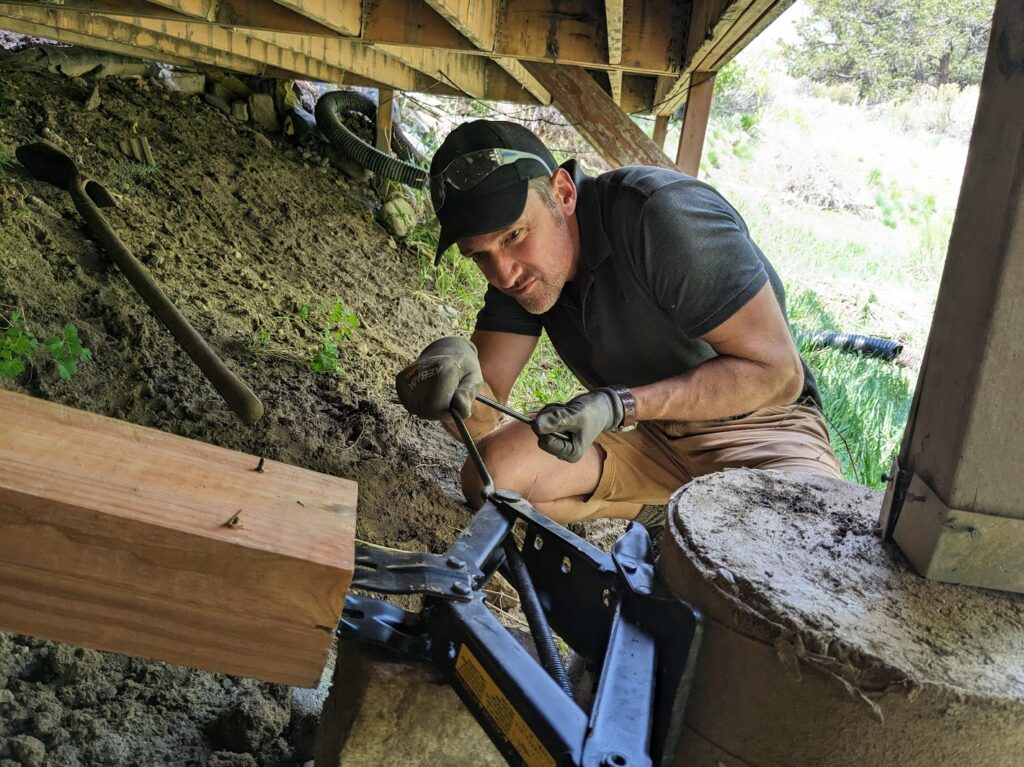
A cornerstone of Mustachian living is self-sufficiency, particularly in home maintenance and improvement. Mr. Money Mustache articulates a deep personal enjoyment in transforming living spaces, stating, "one giant recipe for a happy life is simply to Become a Producer of the Things You Most Enjoy Consuming." This philosophy translates into hands-on engagement with construction and renovation projects, not only for his properties but also for friends. He actively embraces problem-solving and redesign, finding satisfaction in bringing old buildings back to life.
This practice extends beyond personal benefit, fostering a community where individuals are empowered to overcome their reliance on external contractors. The financial impact is substantial: by taking on tasks typically outsourced to professionals, such as minor repairs, renovations, and even larger construction projects, he estimates an average annual saving of $20,000. Applying the "rule of 172" – multiplying monthly savings by 172 to estimate compounded wealth over a decade – this translates to an impressive $287,000 per decade. This figure highlights the significant long-term financial dividends of acquiring practical skills and applying them consistently.
2. Leveraging Community and Second-Hand Markets
The blog post emphasizes the power of community and the circular economy in reducing consumption costs. While acknowledging the convenience of purchasing new items for immediate delivery, Mr. Money Mustache champions the superior satisfaction of sharing, repurposing, and acquiring high-quality used goods. This approach not only saves money but also builds social capital and fosters new friendships.
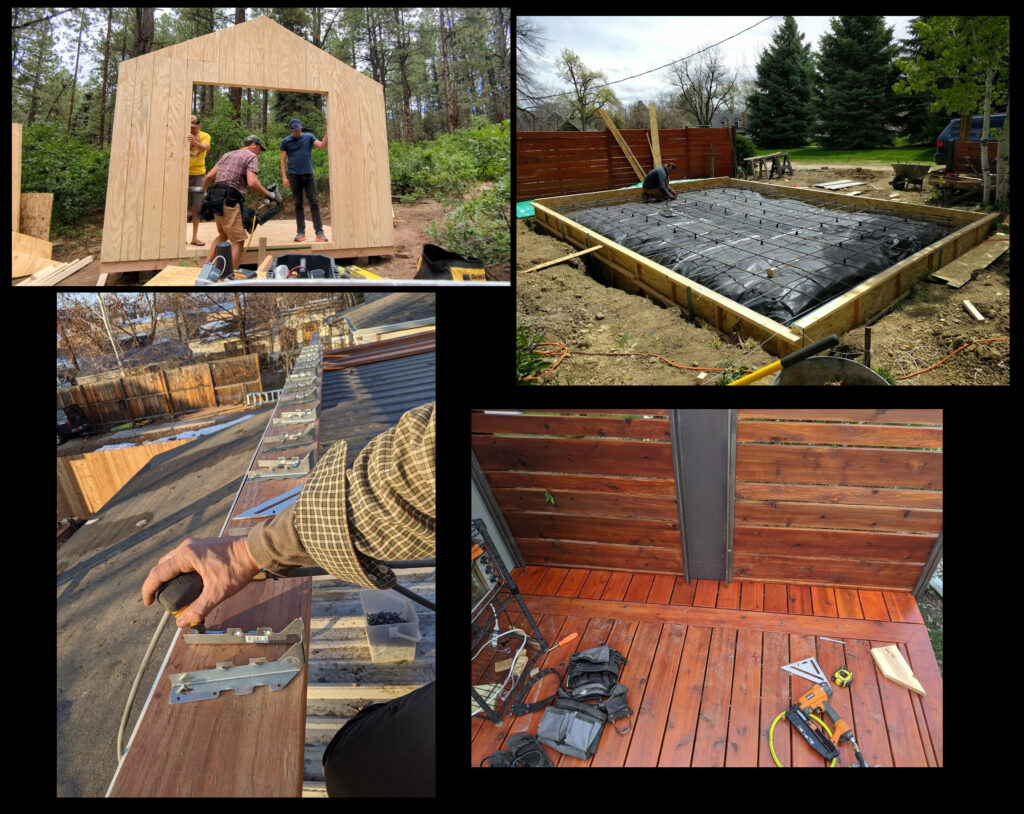
He specifically highlights platforms like Craigslist, Facebook Marketplace, and NextDoor’s "Buy Nothing" groups. Within the local "MMM-HQ community," a dedicated Discord server with approximately 200 members facilitates continuous interaction, including channels for DIY advice (#diyhowto) and the exchange of goods (#forsale and #buynothing). This active participation in second-hand markets and community sharing contributes to an estimated annual saving and earning of several thousand dollars. Over a decade, this habit is projected to save approximately $42,000. This practice underscores the environmental benefits of reducing waste and the social advantages of interconnected communities.
3. Prioritizing Active Transportation: Bikes Over Cars
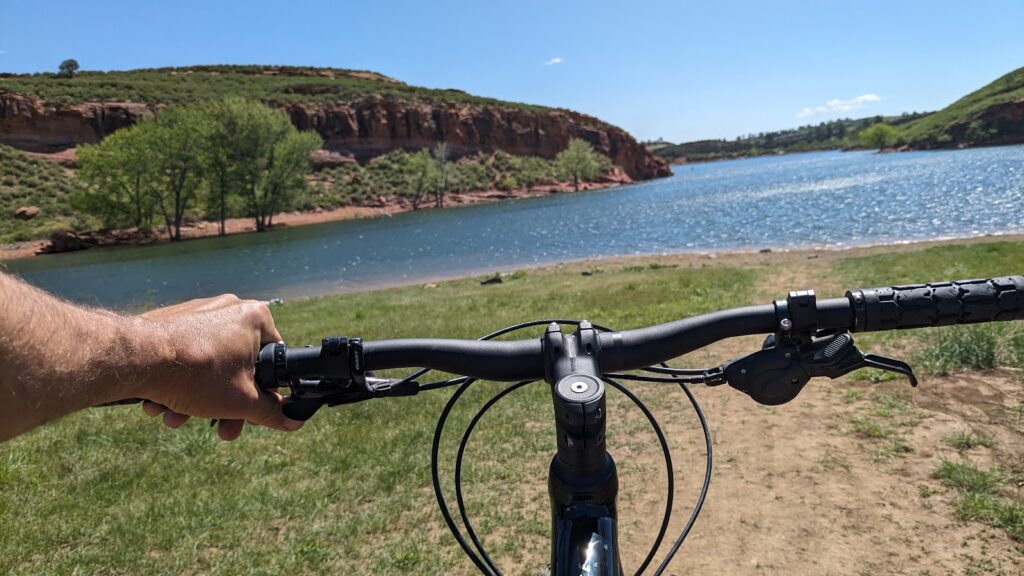
Mr. Money Mustache’s advocacy for cycling as a primary mode of transportation is legendary within the personal finance sphere. He reiterates his conviction that "bike transportation is the best way to get around," citing the substantial cost difference between cars and bicycles. His earlier analysis in "The True Cost of Commuting" estimated car operation at 50 cents per mile, significantly higher than cycling, primarily due to reduced depreciation and maintenance costs, which outweigh even fuel savings.
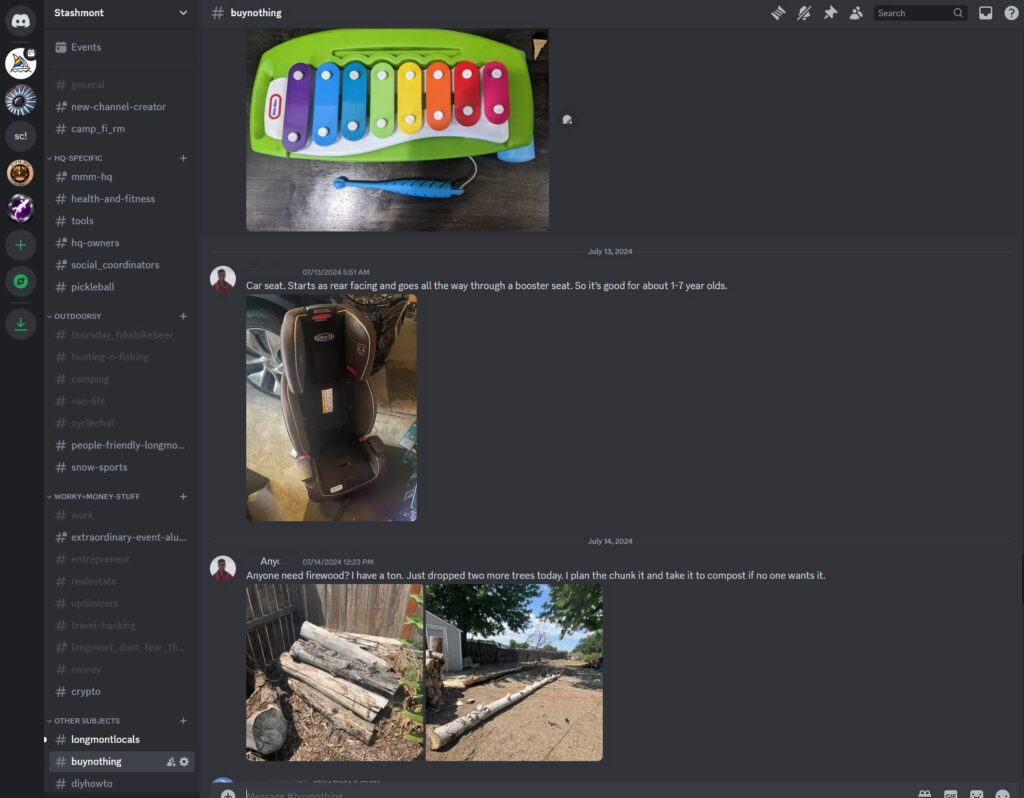
Despite his current central urban dwelling and predominantly local travel, he maintains a 95% reliance on bikes or walking for local trips, accumulating around 2,000 active miles annually. While this might seem modest compared to suburban commuting, it still yields considerable savings. This commitment to active transportation contributes an estimated $14,000 per decade. Beyond the direct financial benefits, he stresses the holistic advantages, including improved physical and mental health, reduced environmental footprint, and enhanced local engagement, setting the stage for the next point.
4. Embracing Physical Activity: Muscle Over Motor
The principle of "Muscle over Motor" extends beyond transportation, advocating for physical exertion in daily tasks whenever possible. Mr. Money Mustache consciously chooses stairs over elevators, runs golf courses instead of using carts, moves his own furniture, and opts for manual labor like shoveling snow and raking leaves over motorized alternatives. This is framed as a deliberate choice for "MORE health and fitness" rather than "LESS," aligning with the maxim "use it or lose it."
While difficult to quantify precisely, the long-term financial implications of robust health are immense. The average U.S. healthcare spending per person is approximately $13,000 annually. By maintaining excellent health and avoiding illness and medication costs, coupled with increased energy and productivity, he conservatively estimates annual savings and benefits of $10,000. This translates to an estimated $140,000 per decade, highlighting the profound economic value of proactive health management and an active lifestyle. This practice serves as a powerful testament to preventive healthcare, reducing dependence on a costly medical system.
5. Energy Efficiency Through "Glamping Retreat" Home Management
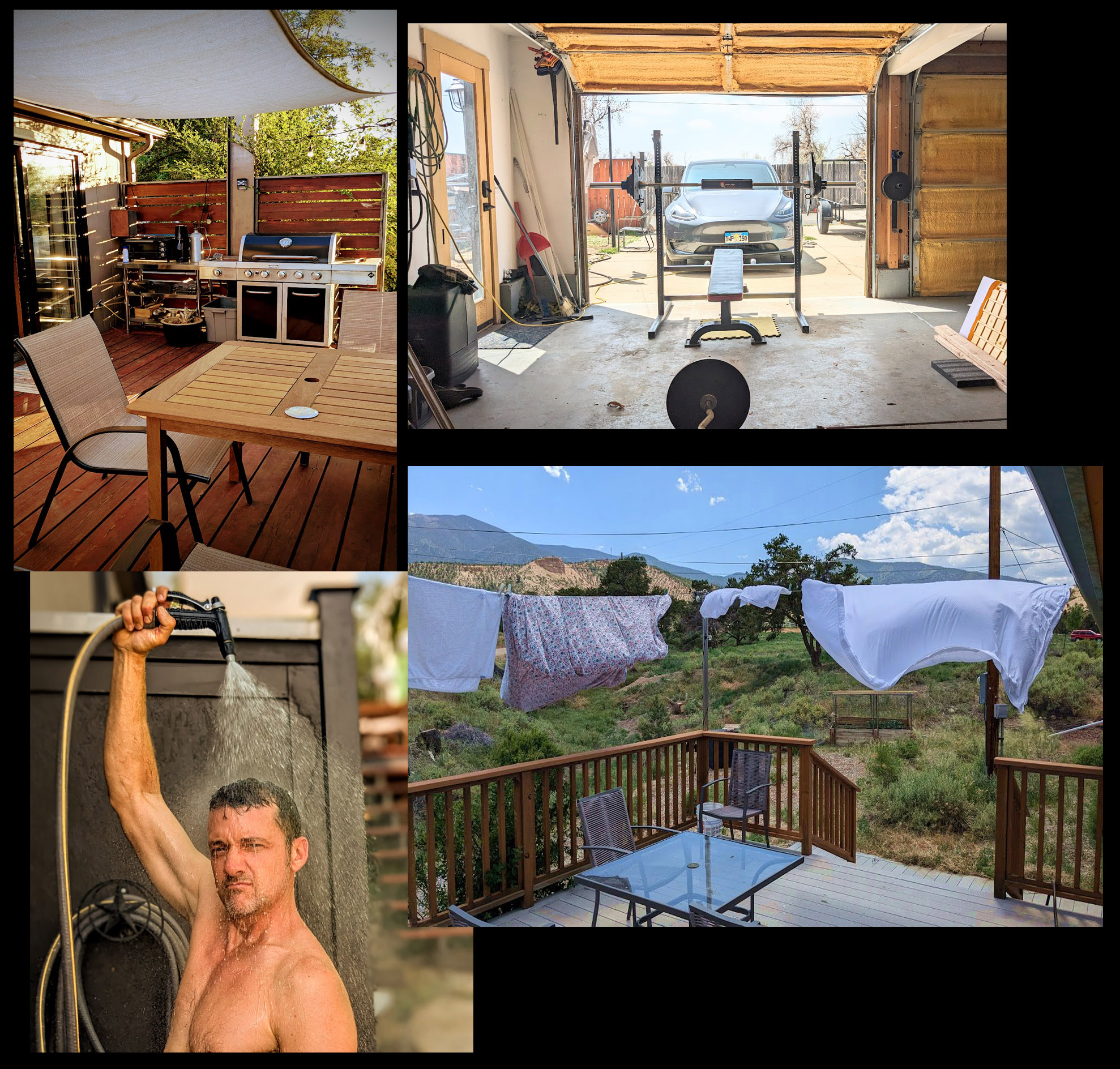
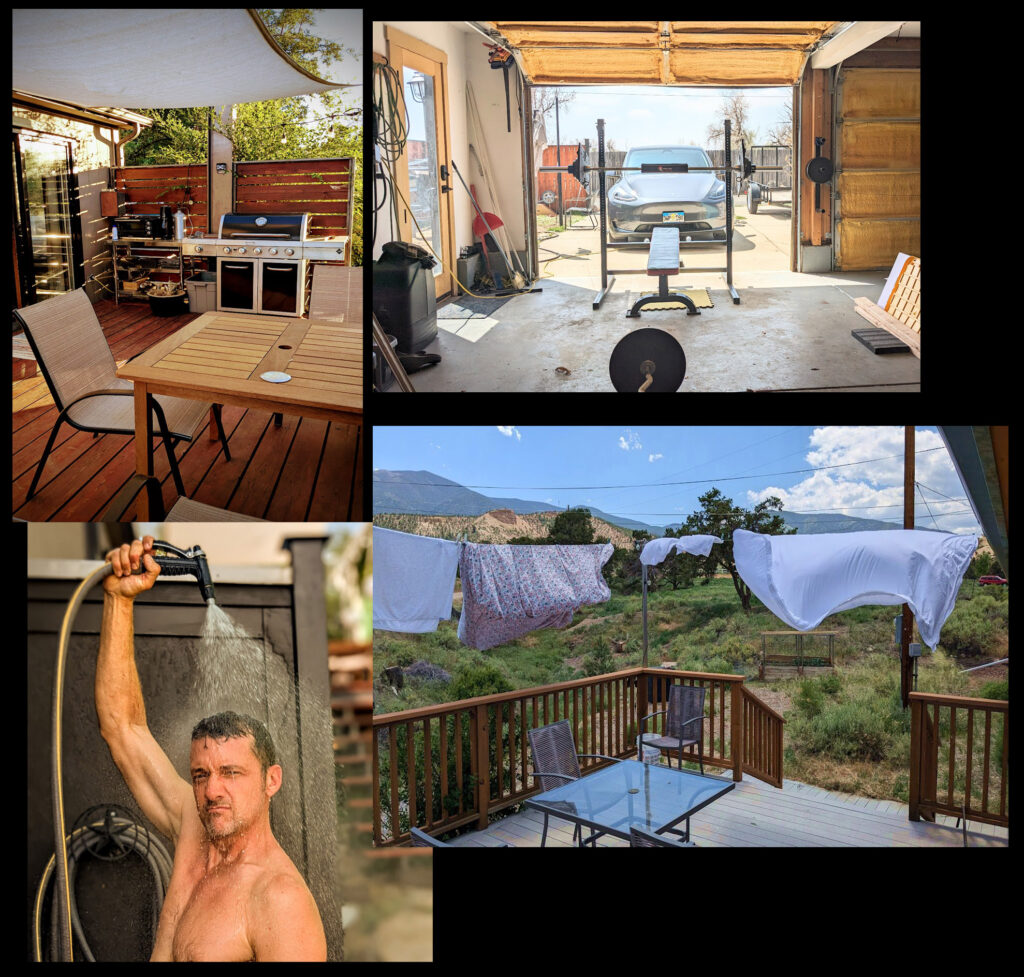
This section delves into a more idiosyncratic but equally impactful practice: running his home like a "glamping retreat." Combining elements of engineering, carpentry, artistry, and scientific experimentation, Mr. Money Mustache finds joy in constantly optimizing his home for energy efficiency and seasonal alignment. Examples include installing passive solar features like large south-facing windows and sliding doors for free winter heating.
Smaller daily habits contribute to this ethos:
- Using outdoor showers in summer.
- Drying clothes on a line.
- Embracing outdoor cooking when weather permits.
- Utilizing a homemade gym.
- Setting thermostats to cooler temperatures in winter and warmer in summer.
- Employing natural ventilation instead of air conditioning.
While seemingly small individually, these practices collectively reduce his combined gas and electric bill from an area average of $250 per month to approximately $75. This energy frugality, which he finds deeply enjoyable, results in an estimated $30,000 saving per decade. This illustrates that sustainable living can be a source of profound satisfaction, transforming mundane household management into a creative pursuit.

6. Prioritizing Local Living Over Constant Travel
In a culture that often equates constant travel with a fulfilling life, Mr. Money Mustache advocates for the value of "Local Living over Constant Travel." He observes a pervasive desire for travel among friends, often at the expense of local engagement and home enjoyment. His counter-approach involves consciously saying "no thanks" to excessive travel plans and "yes please" to opportunities to stay home and engage with his local environment and community.
The benefits he outlines are manifold:
- Stronger local friendships and community bonds.
- Deeper appreciation for one’s immediate surroundings.
- Reduced environmental impact from travel.
- More relaxation and less stress associated with logistics.
- Opportunity for home-based hobbies and self-improvement.
- Increased time for community service and local projects.
He estimates that replacing just two weeks of family travel with home-based activities can save $5,000 annually in direct costs and another $5,000 in incidental benefits like health and local friendships. This conservative estimate yields a remarkable $143,000 wealth increase per decade. While acknowledging travel’s value for broadening horizons, he emphasizes the importance of balance and discerning choices, reminding readers that "home time is valuable and healthy too." This nuanced perspective challenges the prevailing notion that continuous movement is the sole path to a rich life.
Cumulative Impact and Broader Implications
Cumulatively, these six practices, far from being trivial, generate an astounding $656,000 in compounded wealth every decade. This figure alone, Mr. Money Mustache points out, surpasses the median wealth of most American seniors entering retirement, often after over four decades of conventional work. He confidently attributes a significant portion of his own recent wealth increases directly to these enduring habits, practiced consistently throughout his financial journey, both before and after his early retirement.
The implications of this consistent adherence to Mustachian principles are far-reaching. It serves as a powerful demonstration that financial independence is not merely about accumulating a large sum but about fundamentally restructuring one’s relationship with consumption, work, and leisure. The emphasis on self-sufficiency, community engagement, active living, and environmental consciousness not only fosters robust financial health but also contributes to personal well-being, stronger social ties, and a more sustainable lifestyle.
Mr. Money Mustache concludes by noting that achieving significant financial progress often doesn’t require extreme measures. Even "tweaking your lifestyle to be slightly less ridiculous and more efficient than average is usually all it takes." This accessible message resonates with individuals seeking a more intentional and rewarding life, proving that the path to financial freedom and sustained happiness is often paved with simple, enjoyable, and remarkably effective habits. The ongoing relevance of his message underscores a universal human inclination towards curiosity and problem-solving, suggesting that frugality for fun is a more widespread phenomenon than commonly perceived.

