
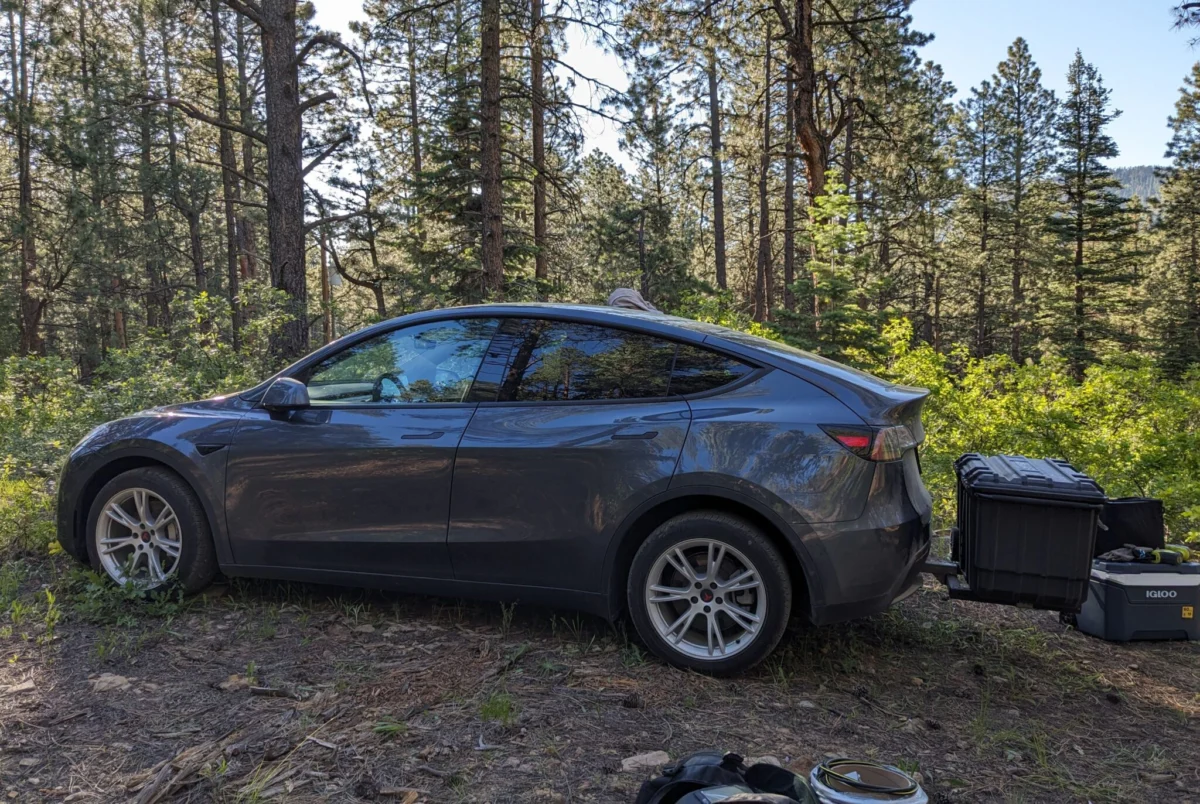
Pete Adeney, widely known as Mr. Money Mustache, a seminal figure in the Financial Independence, Retire Early (FIRE) movement, has recently announced the acquisition of a 2023 Tesla Model Y, a luxury electric crossover. This significant purchase, valued at approximately $52,000 after tax credits and other deductions, marks a notable departure from Adeney’s long-standing philosophy of extreme frugality and his well-documented disdain for modern car culture. The move has sparked considerable discussion among his dedicated readership and the broader personal finance community, prompting a deeper look into the evolving nature of financial independence and the psychological complexities of wealth management.
The Architect of Frugality and His Legacy
For over a decade, Mr. Money Mustache has been synonymous with disciplined saving, mindful spending, and an unapologetic rejection of consumerism. Having retired at the age of 30 in 2005, Adeney built his platform on the premise that early retirement is achievable through diligent effort, high savings rates, and a commitment to living a rich life on less. His blog frequently champions cycling, public transportation, and maintaining older, utilitarian vehicles, often lambasting the financial burden and environmental impact of new car purchases. His previous vehicle, a 23-year-old Honda van affectionately named "Vanna," was acquired for a mere $4,500 twelve years ago and served as a testament to his practical, low-cost approach to transportation. It faithfully carried him and his family across mountains and deserts, even aiding in local community rebuilding efforts, embodying the very essence of his resourceful lifestyle.
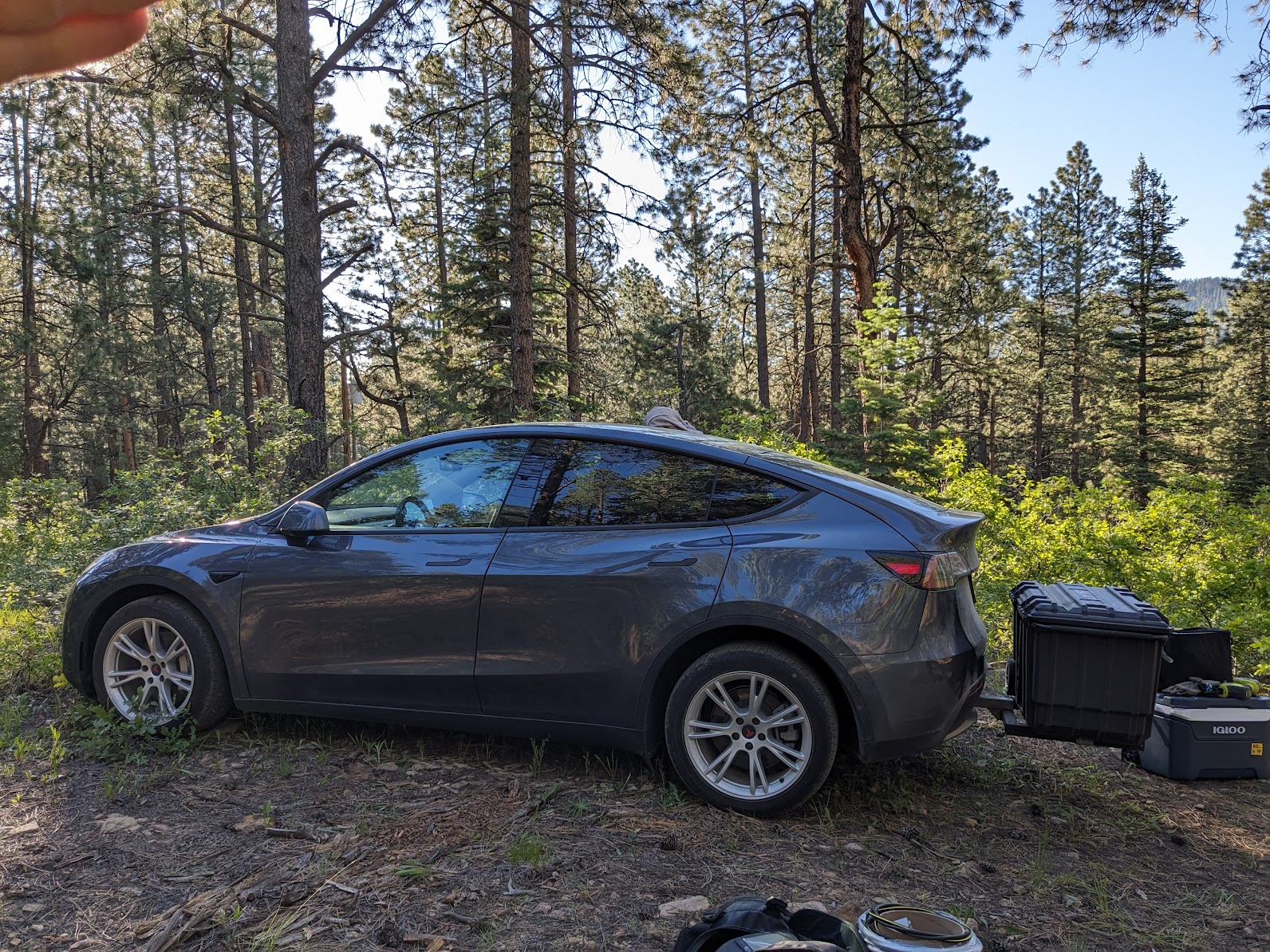
The decision to invest in a Tesla Model Y, a vehicle boasting all-wheel drive, acceleration comparable to high-performance sports cars, seating for seven, and advanced technological features, stands in stark contrast to this established image. The Model Y, a symbol of modern automotive luxury and innovation, represents a substantial financial outlay compared to its predecessor. This shift is not merely a transactional one but, as Adeney explains, a philosophical evolution born from years of introspection and a desire to optimize happiness in an already financially secure life.
A Decade-Long Internal Debate Culminates in a Purchase
Adeney openly admits to grappling with the decision, acknowledging the inherent irony of a frugality guru buying an expensive luxury item. This internal conflict, he reveals, has been ongoing for at least four years, a period during which he "procrastinated" on the purchase despite encouragement from friends and online followers. The underlying tension stemmed from his deeply ingrained frugal habits, which, while instrumental in achieving early retirement, had begun to manifest as an almost compulsive aversion to spending, even on items that could genuinely enhance his quality of life.
A recent anecdote illustrates this struggle: confronted with a $6.99 loaf of "Dave’s Killer Bread" at a standard grocery store—significantly higher than his usual Costco price of $4.50—Adeney found himself engaging in an intense mental battle, a phenomenon he terms "Grocery Shopping With Your Middle Finger." This internal monologue, questioning the vendor’s pricing and contemplating boycotts or substitutes, ultimately led to a realization: such minute financial optimization was counterproductive for someone with substantial wealth. "You are never going to wake up in the future and look at your bank account and think, shit, if only I had an extra $2.49 in there I would be a happier person," he concluded.
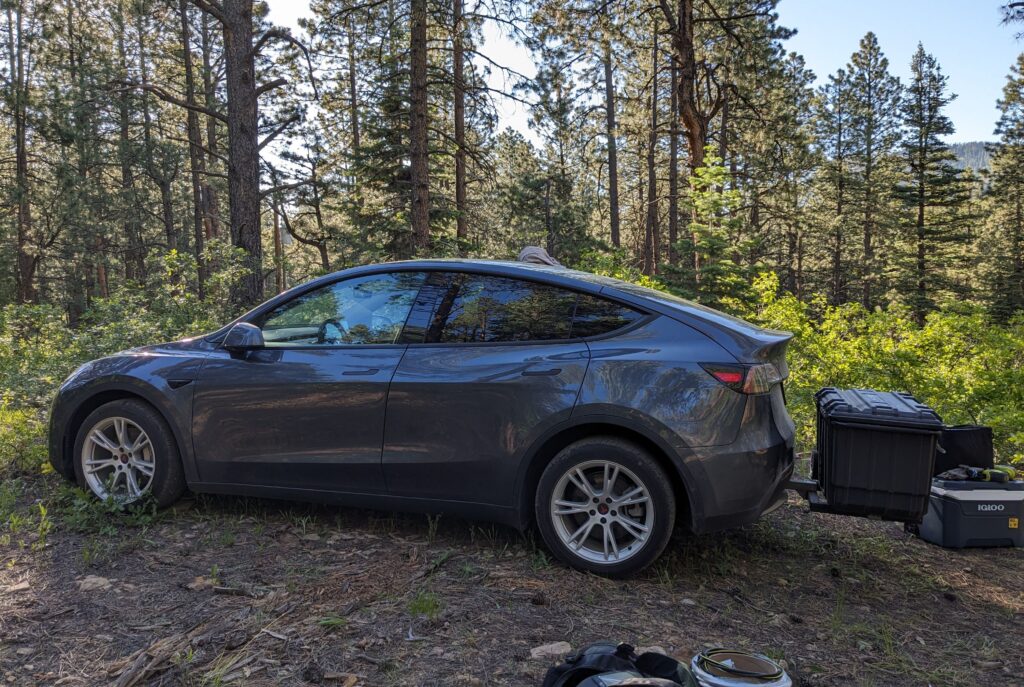
The decisive "nudge" for the Tesla purchase came in the form of a mechanical failure. His trusty Honda van, Vanna, finally succumbed to a "hot and smelly transmission failure on a mountain pass" while returning from a new property project in Salida, Colorado. This event, rather than being a source of despair, became the catalyst Adeney needed to overcome his final spending inhibitions.
New Principles for Wealthy Frugalists
This personal reckoning has led Mr. Money Mustache and a close circle of financially independent friends to develop three new principles aimed at helping those who have successfully achieved wealth learn to enjoy it more freely:
-
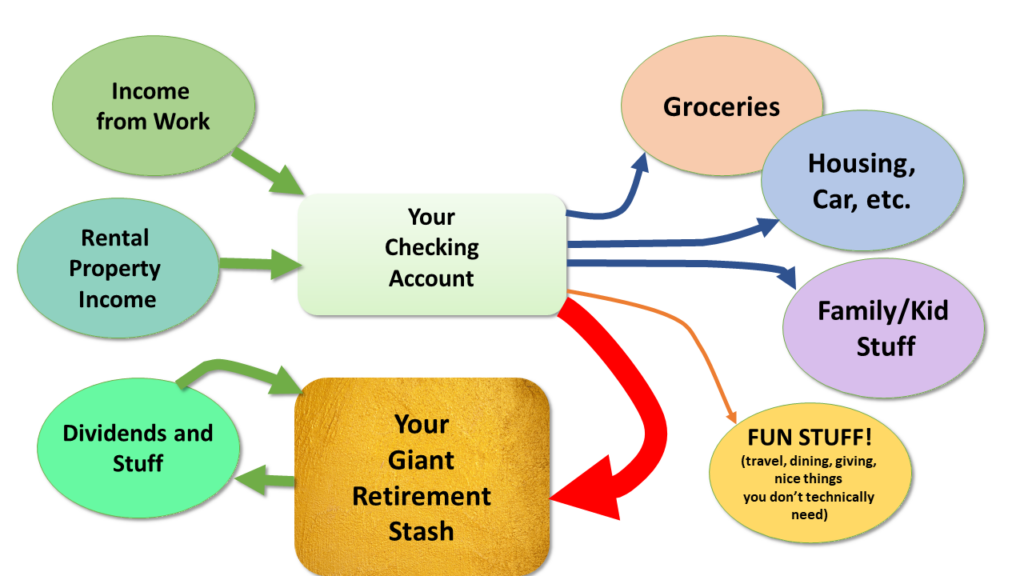
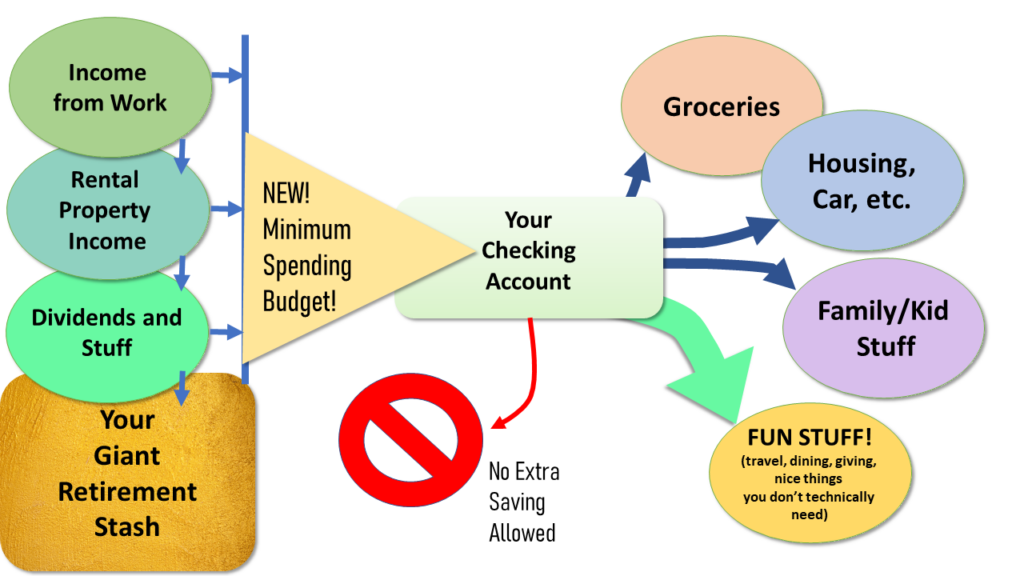
The Minimum Spending Budget: This principle addresses the paradox of wealth accumulation: many who achieve financial independence continue to live far below their means, even when it’s no longer necessary. For an individual with a $2 million investment portfolio, the commonly cited 4% rule suggests a safe annual spending limit of $80,000 without depleting the principal. Even a highly conservative 3% withdrawal rate allows for $60,000 in annual expenditures. Yet, Adeney observes that many "Mustachians" with this level of wealth often spend $40,000 or less, often owning mortgage-free homes and generating supplementary income. This creates a significant "spending deficit," where ample funds are available, but psychological barriers prevent their enjoyment. The principle encourages establishing a reasonable minimum spending level to ensure a certain quality of life is maintained.
-
The Dedicated Money Wasting Account: Recognizing the difficulty of breaking lifelong frugal habits, this principle proposes a psychological hack. By transferring a portion of one’s discretionary funds into a separate, designated "money wasting account," the money begins to feel less like personal savings and more like "somebody else’s money"—akin to an expense account on a business trip. This mental reframing aims to reduce the guilt associated with seemingly frivolous expenditures, allowing individuals to spend more freely on experiences or items they genuinely desire without triggering ingrained scarcity mindsets.
-
The Splurge Accountability Buddy: To further combat individual frugal tendencies, Adeney suggests partnering with like-minded friends who are also striving to spend more consciously. This "buddy system" provides a support network where friends can question each other’s cheapness, encourage thoughtful splurges, and celebrate purchases that genuinely enhance well-being. He cites examples from his own circle: a wealthy friend now more readily opting for an Uber to the airport instead of a lengthy bus ride, and Carl (Mr. 1500 Days), a fellow FIRE blogger, finally replacing his old minivan with a new Chevrolet Bolt electric car.
The Tesla as an "Effective Splurge"
Adeney frames the Tesla Model Y as an "effective splurge" – a purchase specifically targeting a consistent source of "regular angst and stress" rather than merely upgrading something already good or eliminating all hardship. His previous car situation involved a Nissan Leaf, ideal for local driving but lacking the range for longer trips, and the aging Honda van, which, despite its utility, had become increasingly unreliable, causing anxiety about long-distance travel and deterring potential adventures.
The Model Y, with its impressive range, reliability, and advanced driving features, directly addresses this negative stressor. It promises to facilitate "epic camping trips, dream dates, and long adventures around the country," aligning with his rekindled "travel fire" following a recent investment in a vacation rental compound in Salida, Colorado. The shift to an electric vehicle also implicitly aligns with broader environmental considerations, moving away from the "wheezing and gear shifting and noise of the gasoline era."
Financial Overview of the Tesla Acquisition
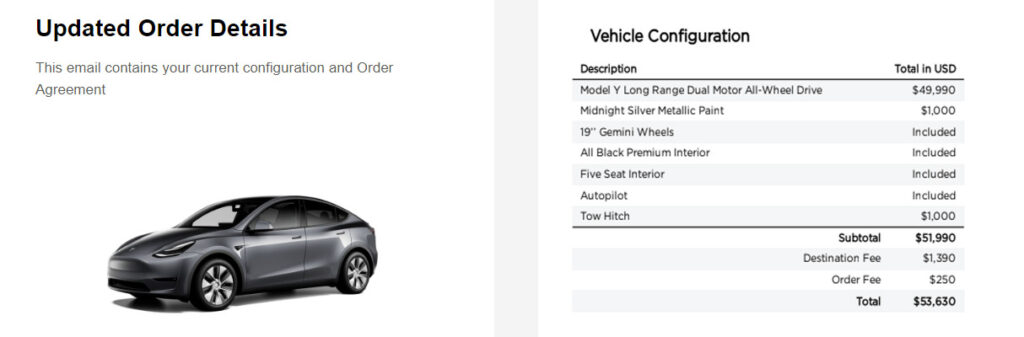
The total cost of the Tesla Model Y before incentives was $60,130. This included the base vehicle price, all-wheel drive, and the "Full Self-Driving" (FSD) capability, which added a significant $15,000. After a $7,500 federal tax credit and a $1,000 referral discount (which he now offers to others), the net cost to Mr. Money Mustache came down to approximately $52,000. He estimates the car will add about $10,000 per year to his expenses compared to his old van, primarily due to depreciation, insurance, and interest on the financed portion. Considering his personal "spending deficit" was "several times more than $10k per year," he views this as a justified and solid first step in rebalancing his financial habits.
The disposal of the old Honda van, Vanna, was handled efficiently through an online car salvage service called Peddle, yielding $715 in cash. In keeping with his new philosophy, Adeney made a point of using this money entirely for "splurges like dinners out."
Addressing Critiques and Broader Implications
Anticipating criticism from those who might view his purchase as excessive or irresponsible for a figure promoting frugality, Adeney directly addresses the "privileged rich folk talk" sentiment. He emphasizes his extensive history of philanthropy, noting that he has donated over $500,000 to various causes during his blogging career. However, he also reveals how his ingrained scarcity mentality led to counterproductive thought patterns, where significant charitable giving ironically made him feel guilty about minor personal expenses. This "fear side of [his] brain" would chime in, urging him to "cut back and optimize and conserve!" even when financially unnecessary.
This public confession offers a valuable insight into the psychological toll that extreme frugality can exact, even on the most disciplined individuals. It suggests a happy medium is necessary: responsible stewardship of savings, generous charitable giving, and a willingness to allocate a portion of wealth for personal enjoyment and quality-of-life improvements. He argues that it is acceptable to pay extra for conveniences, such as a better airplane seat or more expensive berries at Whole Foods, if it genuinely enhances one’s experience and reduces stress.
Mr. Money Mustache’s Tesla purchase and the philosophical framework he’s developed around it carry significant implications for the FIRE community. It challenges a rigid, often austere interpretation of frugality, suggesting that the goal of financial independence is not merely to accumulate wealth but to thoughtfully deploy it to maximize well-being. As wealth grows, the focus may need to shift from relentless optimization to strategic spending that eliminates pain points and opens doors to new experiences. His "Model Y Experiment," a dedicated tracker page for ongoing findings and Q&A about the ownership experience, promises to provide transparency and further insights into this evolving journey.

Ultimately, this move by one of the FIRE movement’s most influential voices signals a maturity in the discourse around financial independence. It underscores that while frugality is a powerful tool for wealth creation, it should not become an end in itself, especially when it hinders rather than enhances a well-lived life. The journey to financial freedom, it appears, involves not only mastering the art of saving but also learning the equally important skill of spending wisely and joyfully.

