
By Joe Casey
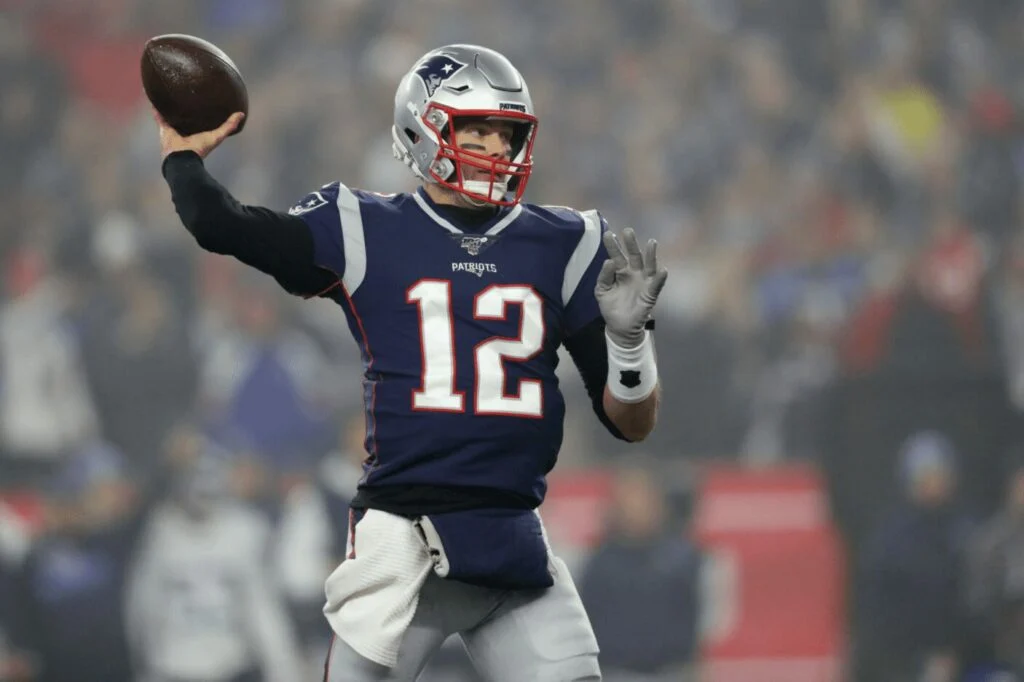
The decision by Tom Brady, widely considered the greatest quarterback in National Football League history, to retire for the second and, as he has stated, final time, offers a wealth of insights applicable far beyond the realm of professional sports. While Brady’s extraordinary success, immense wealth, and high-profile marriage might seem distant from the everyday experiences of most individuals, the underlying principles guiding his departure from a storied career provide valuable lessons for anyone contemplating life transitions, particularly retirement. Examining the nuances of his decision-making process, informed by his long-tenured career and public statements, allows for a dissection of key strategies for navigating one’s own professional and personal endgame.
The Art of Knowing When to Step Away
Brady’s stated ambition to play until age 45, a goal he ultimately fell just short of achieving in his initial retirement announcement in February 2022, underscores a critical aspect of career and life transitions: the importance of self-awareness and the ability to recognize when a chapter has reached its natural conclusion. While he ultimately retired at 44, the decision itself was a testament to a period of reflection. For many, retirement is not a choice but a necessity. Data from the U.S. Bureau of Labor Statistics consistently shows that a significant portion of individuals retire due to health issues, involuntary job loss, or the need to care for family members, often well before their desired timeline. For instance, a 2021 report indicated that while many Americans plan to work into their 60s, economic shocks or health challenges can necessitate an earlier departure.
Brady’s situation, however, offered him the luxury of choice. His decision, even if a year shy of his initial target, demonstrates the value of internal assessment. The ability to gauge one’s own energy levels, passion for the profession, and overall satisfaction is paramount. This requires consistent self-reflection, an ongoing dialogue with oneself about the current role and its future desirability. In professional sports, this assessment is often tied to physical performance. For Brady, who led the NFL in passing yards in his final season, the decision was not dictated by a decline in his abilities but by other, perhaps more personal, factors. This highlights that "knowing when it’s time" is not solely about performance metrics but also about a holistic evaluation of one’s life and priorities.
The Strategic Advantage of Exiting at the Peak
One of the most striking aspects of Tom Brady’s retirement is the timing: he chose to step away while still performing at an elite level. In his final season with the Tampa Bay Buccaneers, he led the league in passing yards with 5,316, was among the top candidates for MVP, and continued to exhibit the precision and strategic acumen that defined his career. This stands in stark contrast to the more common scenario in both sports and business, where individuals may linger in their roles, often past their prime, due to inertia, a reluctance to let go, or a misjudgment of their continued effectiveness.
This decision to "go out on top" is a powerful statement about control and legacy. It allows individuals to preserve their reputation and the memories of their peak performance, rather than allowing their later years to overshadow their earlier achievements. For professionals outside of sports, this translates to making a conscious decision to leave a job or career on one’s own terms, at a point where their contributions are still valued and their impact is undeniable. It’s about ensuring that the final act is a strong one, rather than a slow fade. The implications of such a decision extend to professional relationships and future opportunities; leaving with dignity and a track record of sustained excellence often opens more doors than a protracted departure marked by diminishing returns.
Proactive Planning for the Post-Career Chapter
Tom Brady’s extensive business portfolio, developed concurrently with his playing career, exemplifies a crucial principle: laying the groundwork for one’s "next act" well in advance. Over the years, Brady has invested in and launched ventures in health and fitness (TB12), apparel (Brady Brand), and media production (199 Productions). These endeavors were not spontaneous decisions made in retirement but were cultivated over time, demonstrating foresight and a strategic approach to life after football.
This proactive strategy is highly transferable to the general population. The period of full-time employment is an ideal window for exploring and developing interests that can transition into fulfilling post-retirement activities. Whether this involves part-time work, volunteer engagement, consulting, creative pursuits like writing a book, or pursuing passions such as travel, early planning is essential. Researching options, understanding the practicalities, and identifying the necessary steps to achieve these goals are best undertaken while still benefiting from the stability and resources of an ongoing career.
A practical approach involves dedicating time, perhaps once a month, to connect with individuals who have already made similar transitions. Engaging in conversations over lunch or coffee with retired professionals who are pursuing activities similar to one’s aspirations can provide invaluable real-world insights, practical advice, and a clearer understanding of what to expect. This networking and information-gathering process can demystify the transition and build confidence, transforming abstract desires into tangible plans. The U.S. Census Bureau’s American Community Survey, for example, has highlighted the increasing diversity of post-retirement activities, ranging from entrepreneurship to community involvement, underscoring the vast landscape of possibilities that can be explored and prepared for during one’s working years.
The Indispensable Role of Family Considerations
Family dynamics are often a significant, if sometimes unspoken, factor in retirement decisions. While speculation surrounding Brady’s retirement often cited his desire to spend more time with his children and his wife, Gisele Bündchen, this aspect resonates deeply with many individuals facing similar life choices. Retirement is rarely a solitary decision; it impacts partners, children, and extended family networks.
A critical, yet often overlooked, element is open and honest communication between partners about retirement plans. A survey conducted by Fidelity Investments revealed a significant disconnect among couples regarding their retirement timelines, with a substantial percentage admitting their spouse’s retirement date was not accurately understood. This lack of alignment can lead to unforeseen challenges and unmet expectations. It is imperative for couples to engage in a series of in-depth conversations, not only about the logistical and financial aspects of retirement but also about the emotional and lifestyle changes it entails. Active listening and a willingness to understand each other’s perspectives are crucial for a harmonious transition. This shared planning process can strengthen relationships and ensure that retirement is a mutually beneficial experience.
Maintaining Composure and Professionalism in Departure
Tom Brady’s retirement announcement generated considerable discussion, particularly regarding his initial omission of any mention of the New England Patriots, the team with which he achieved his greatest successes over two decades. While this sparked debate, the broader principle of exiting with grace and avoiding unnecessary controversy holds significant weight.
Maintaining a professional and respectful demeanor during a departure, regardless of any perceived slights or past grievances, is vital for long-term reputation management. Burning bridges or engaging in public criticism can have lasting negative repercussions on future career opportunities and personal relationships. The narrative of a "scorched earth" departure, as exemplified by the widely shared anecdote of a former employee’s venomous resignation letter, ultimately serves no constructive purpose. It can alienate former colleagues, damage professional networks, and create an unfavorable impression that is difficult to overcome. Choosing to rise above petty disputes and exit with dignity preserves goodwill and reflects a maturity that is valued in all professional contexts. This approach ensures that one’s exit does not detract from their overall career achievements.
The Possibility of Unretirement: Keeping Doors Ajar
The concept of "unretirement" is increasingly prevalent, challenging the traditional notion of a definitive end to one’s working life. Studies conducted prior to the COVID-19 pandemic, such as those analyzed by retirement planning experts, indicated that a significant percentage of retirees in both the United States and the United Kingdom returned to the workforce within five years. These returns were often driven not by financial necessity but by a desire for purpose, social connection, or cognitive stimulation.
Tom Brady’s own history, marked by his brief retirement in early 2022 followed by his decision to return to the Buccaneers just 40 days later, serves as a prime example. While he has now definitively retired, his prior experience highlights the dynamic nature of post-career plans. The possibility of returning to work, whether in a similar field or a new capacity, should not be entirely discounted. For many, the structured environment, intellectual engagement, and social interactions provided by work are deeply fulfilling. Therefore, approaching retirement with a degree of flexibility, and not completely closing off avenues for potential future engagement, can be a prudent strategy. This approach acknowledges that personal priorities and life circumstances can evolve, and maintaining an open mind can lead to unexpected and rewarding opportunities. The notion of a "retirement cliff" is being replaced by a more fluid transition, where individuals can re-engage with meaningful pursuits as their needs and desires shift over time.
Applying Brady’s Lessons to Your Own Transitions
The enduring legacy of Tom Brady extends beyond his unparalleled on-field achievements. His approach to the twilight of his career and his subsequent departure offer a compelling framework for individuals navigating their own professional and personal transitions. The key takeaways – understanding when it’s time to move on, the strategic advantage of exiting at one’s peak, the necessity of proactive planning for future endeavors, the paramount importance of family communication, the value of departing with grace, and the wisdom of maintaining flexibility – are universally applicable.
By reflecting on these principles, individuals can cultivate a more intentional and fulfilling approach to their own life transitions, ensuring that their later chapters are as rewarding and impactful as their earlier ones. The journey of retirement, much like a distinguished career, is best navigated with foresight, self-awareness, and a commitment to personal growth and well-being.

