
The Vision: Reimagining Urban Spaces
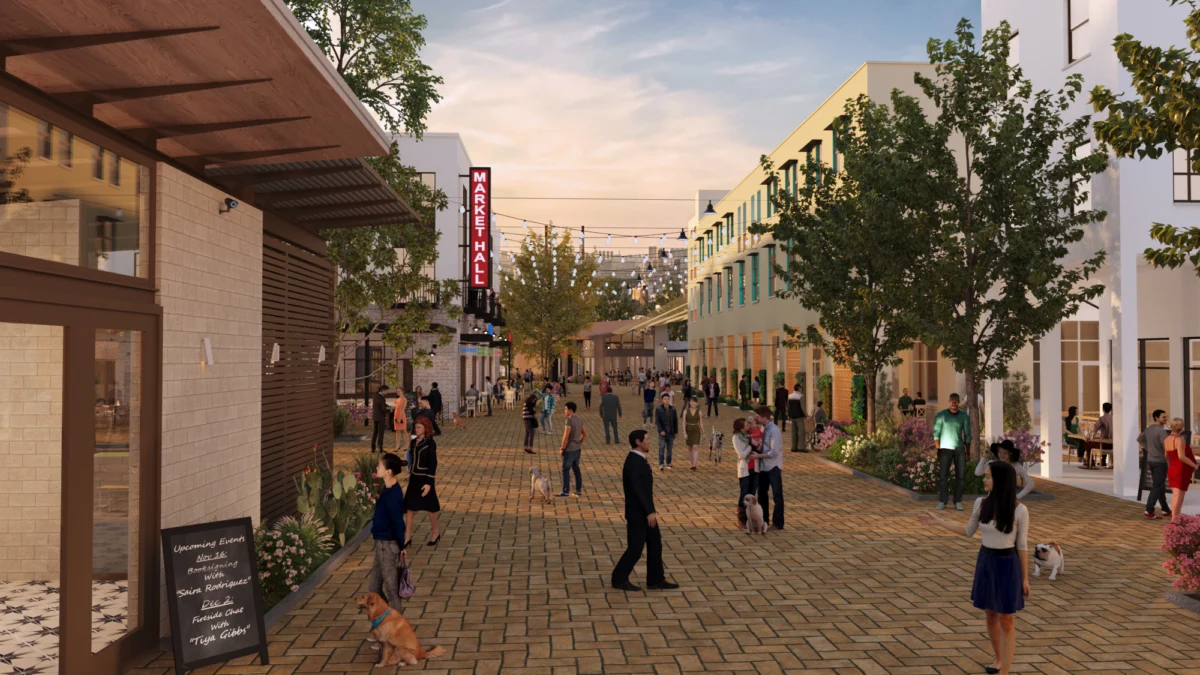
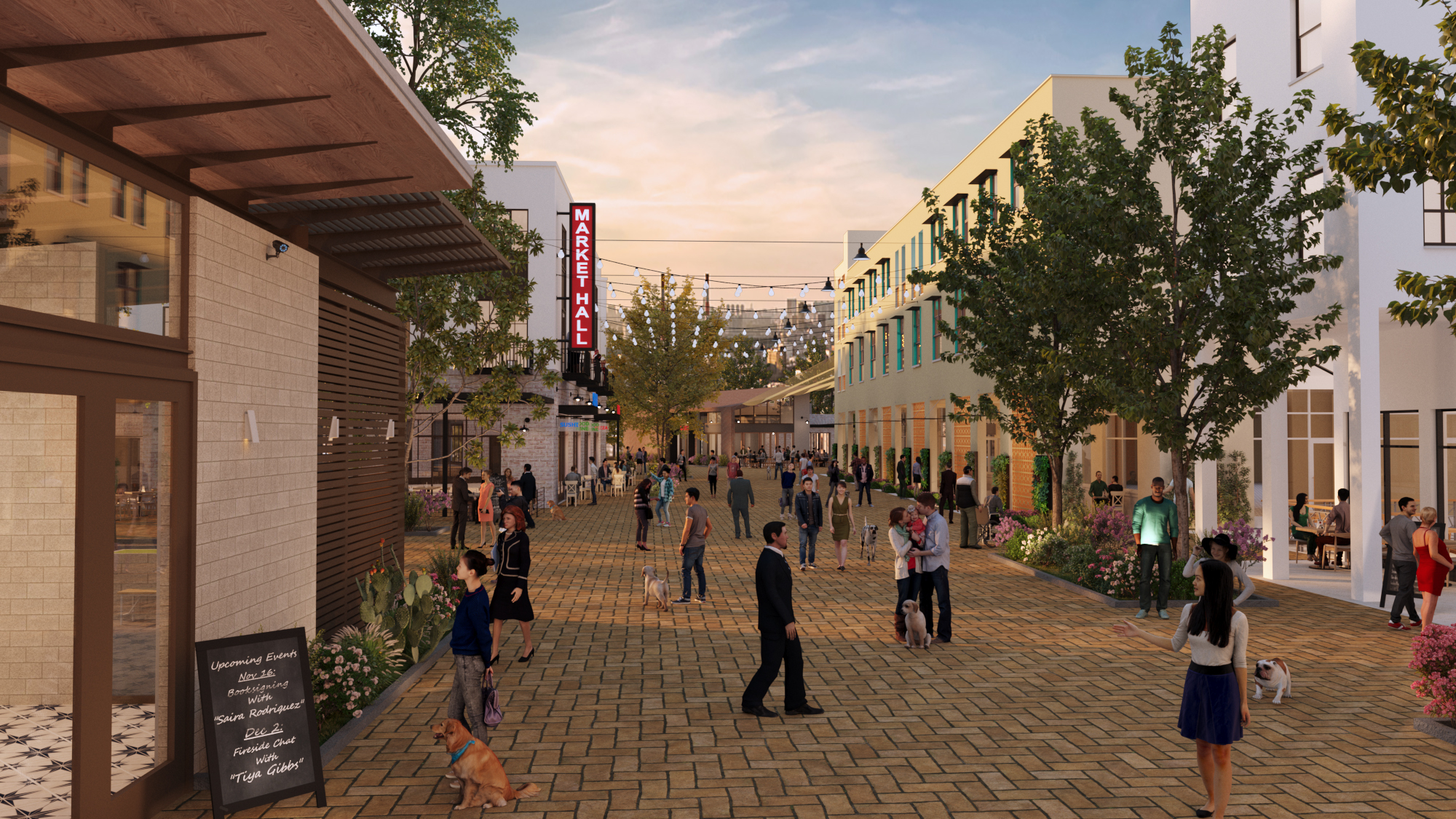
At the core of this transformative vision is the immediate and widespread conversion of cities and countries to human-centric design principles. This entails not only constructing new urban areas with this philosophy but also retrofitting existing ones. The goal is to create environments where daily life, work, and leisure are accessible primarily through walking, cycling, and efficient public transport, thereby diminishing the reliance on personal vehicles. The benefits extend far beyond superficial improvements like reduced pollution or fewer traffic jams. Instead, the focus is on fostering richer, healthier, and more engaging lifestyles for everyone.
Economic and Societal Dividends
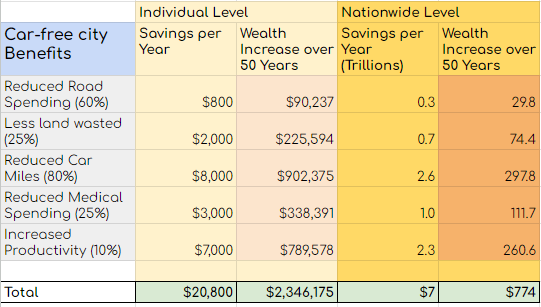
The economic implications of such a shift are staggering. Conservative estimates suggest a potential "life boost" exceeding $20,000 per person annually, accumulating to well over two million dollars over an adult lifetime. On a national scale, this translates to a projected boost in the United States’ wealth by approximately seven trillion dollars per year, which could compound to an astounding 770 trillion dollars over the next five decades. To put this in perspective, this figure surpasses the current total amount of human wealth on the entire planet.
These substantial figures are not merely theoretical. They stem from a complex interplay of reduced expenses and increased efficiencies. Individuals would experience lower housing costs, as less land is consumed by expansive parking lots and roads, allowing for more compact, aesthetically pleasing, and functionally superior living spaces. Healthcare expenditures would decrease significantly due to more active lifestyles, leading to a healthier populace less prone to chronic diseases. Public and private investment accounts would overflow with surplus income, fueled by reduced infrastructure maintenance costs, lower energy consumption, and a reallocated workforce. This economic boom would, in turn, spur unprecedented investment and prosperity.
The Car-Centric Predicament: A Legacy of Wasted Space
The current urban planning paradigm, heavily influenced by the automobile industry and entrenched bureaucratic processes, is largely responsible for the sprawling, car-dependent cities seen today. Historically, urban development in many parts of the world, particularly North America, pivoted sharply in the mid-20th century to accommodate the burgeoning car culture. This led to zoning laws that mandated minimum parking requirements, facilitated wide arterial roads, and prioritized vehicle throughput over pedestrian safety or community cohesion.
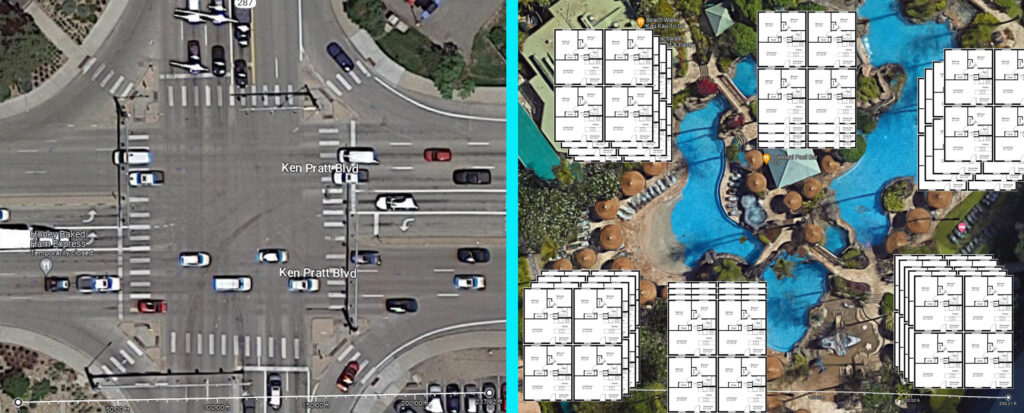
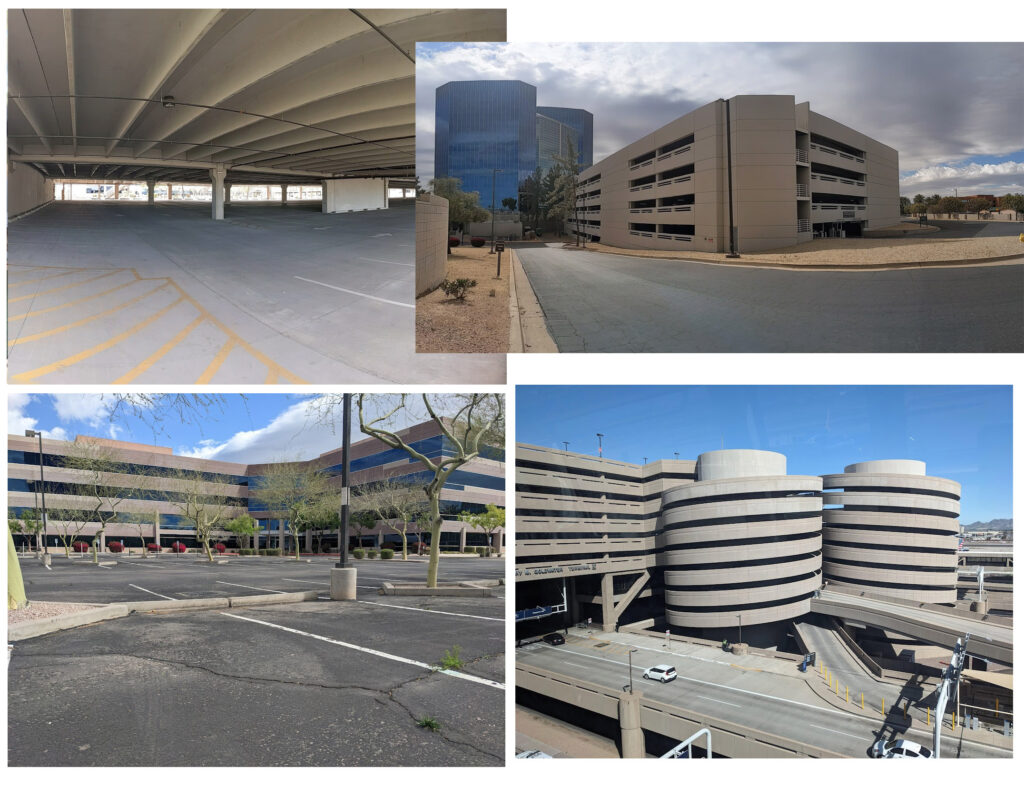
This approach has inadvertently created vast swathes of "wasted space." Consider the footprint of a typical urban intersection. A large intersection, approximately 250 by 250 feet, occupies about 1.5 acres. In a human-centric model, this same area could comfortably house around 200 people in resort-like comfort, complete with amenities such as a pool, a dog park, a grocery store, and restaurants. Similarly, the space required for just two standard parking spots could instead accommodate an entire two-bedroom apartment. When scaled across an entire city, with hundreds of such intersections and countless parking lots, the sheer volume of land dedicated to cars becomes evident. In cities like Phoenix, Arizona, for instance, aerial views reveal an obsession with vehicle accommodation, with infinitely large parking garages, surface lots, and multi-lane roads dominating the landscape, much of which remains underutilized during significant portions of the day.
The paradox is striking: the only reason cars seem indispensable for getting around is because cities have squandered so much space on accommodating them, spreading everything out and making environments loud, polluted, and dangerous for pedestrians and cyclists. This self-perpetuating cycle ensures car dependency, stifling alternative modes of transport.
Challenging the Status Quo: Addressing Common Objections
Any proposal for radical urban change inevitably faces resistance, often rooted in a reluctance to abandon established norms. A common objection raised by skeptics is, "But how will we continue driving our cars as much as we do now?" This question, however, fundamentally misunderstands the core premise of human-centric design. The very point of eliminating the expansive, car-accommodating infrastructure is to liberate residents from the necessity of frequent car use.
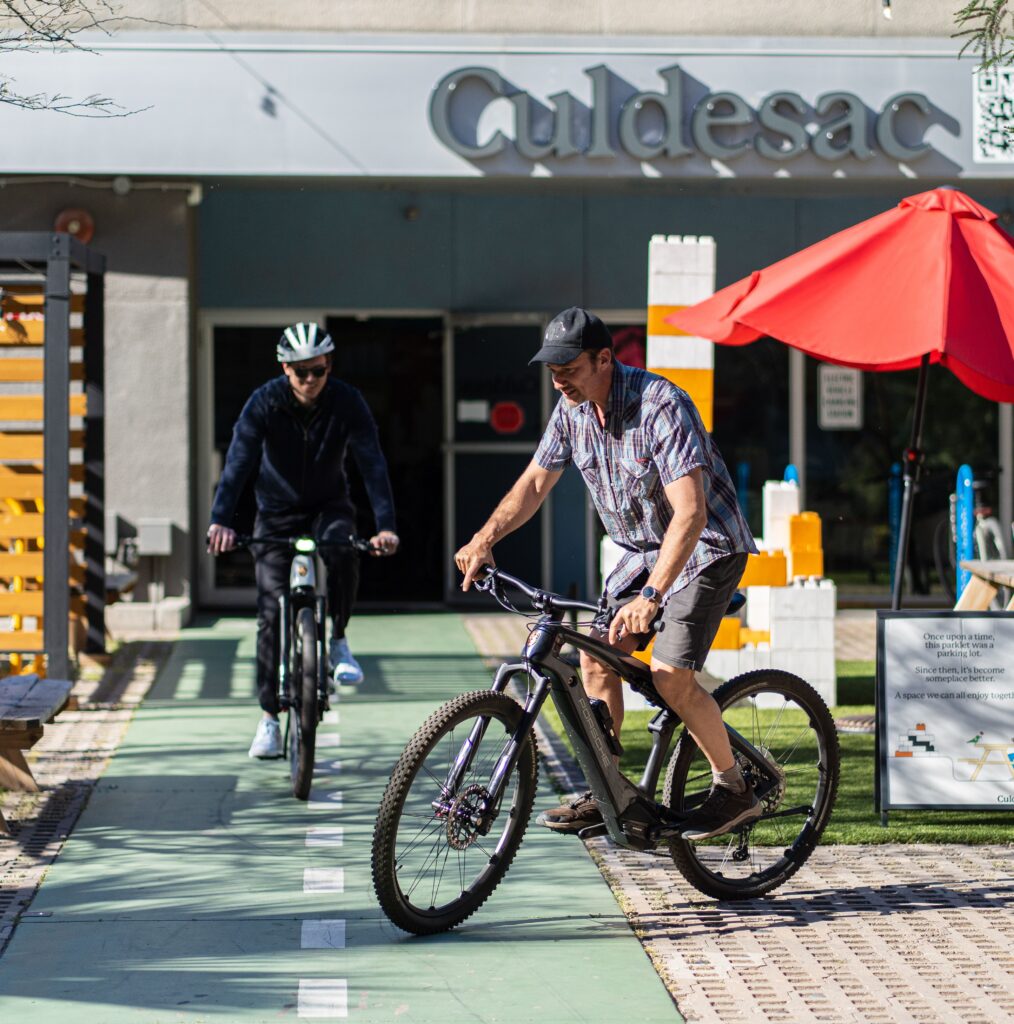
In a re-envisioned city, dense, mixed-use neighborhoods would integrate living spaces with offices, retail, grocery stores, recreational facilities, and other essential amenities. The need for long-distance travel within the city would dramatically decrease. While some roads would still exist for deliveries, emergency services, and individuals requiring mobility assistance, the vast majority of personal trips would be undertaken via active transport or efficient public transit.
Concerns about public transit, often voiced as "I hope you’re not going to make me ride the bus?", also reflect existing frustrations with often inefficient, slow, or inconvenient systems in car-dominated environments. However, in a truly human-centric city, active transport options like cycling and e-biking become significantly more appealing and often faster than cars for urban commutes. With 90% less land wasted on cars, dedicated bike lanes and pedestrian pathways can create efficient networks, making a 15-mile e-bike trip not only feasible but enjoyable and invigorating. Public transit, in such a setting, would be reimagined with light rail and faster bus services complementing the active transport infrastructure, seamlessly integrated into the urban fabric. Ride-sharing electric vehicles would also remain an option for occasional longer trips, further reducing personal car ownership.
Culdesac Tempe: A Model for Change
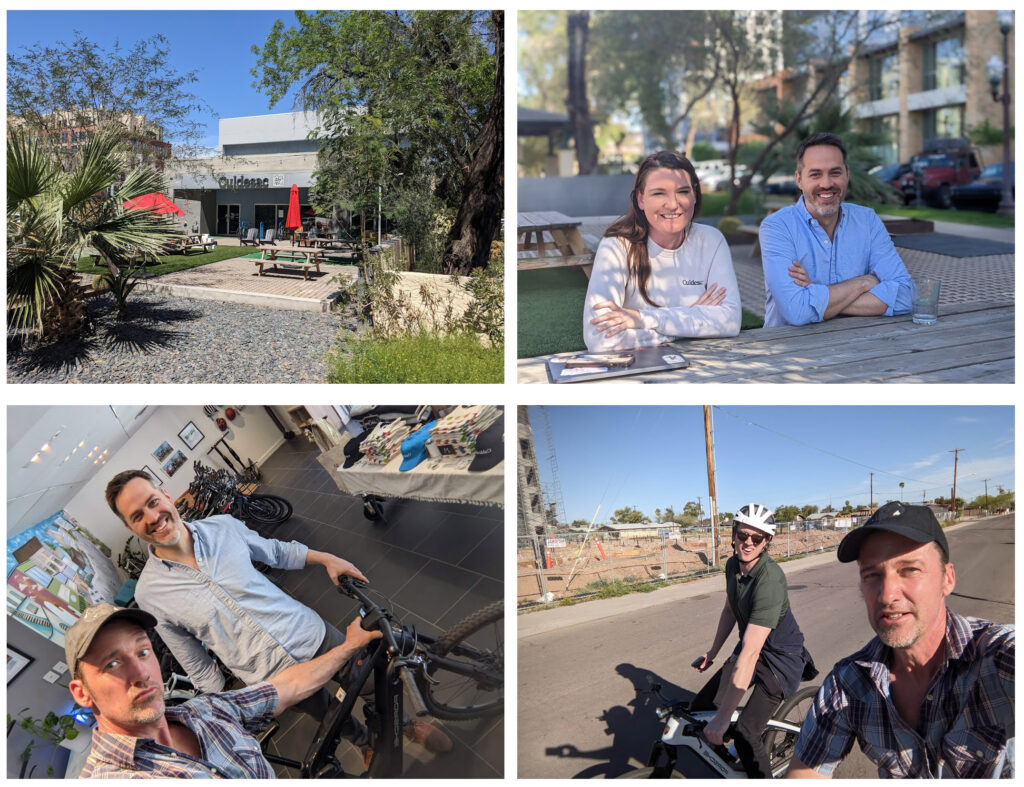
While the vision for car-free cities is compelling, its practical implementation has historically faced significant bureaucratic hurdles and community resistance. However, a pioneering project in Tempe, Arizona, is demonstrating the viability and immense benefits of this approach. Culdesac Tempe, the country’s first large-scale car-free neighborhood, offers a tangible glimpse into the future of urban living.
Founded by Jeff Berens and Ryan Johnson, with Blythe Ingwersen leading marketing efforts, Culdesac Tempe is designed to house 1,000 residents across 17 acres. The project officially began welcoming its first residents in early 2023, marking a significant milestone in car-free development in the United States. Its inception dates back to 2018 when the concept was first introduced, navigating complex zoning and regulatory landscapes to bring the vision to life. The architecture, crafted by firms like Optico Design, emphasizes Mediterranean-inspired aesthetics, maximizing shade and natural ventilation to suit the desert climate, creating inviting communal spaces.
The core financial sustainability of Culdesac Tempe lies in its efficient use of land. By eliminating the need for vast parking lots, the space is repurposed for beautiful walking paths, lush gardens, and vibrant gathering areas. This innovative land use not only reduces construction costs associated with parking infrastructure but also enhances property value through superior livability.
Beyond the aesthetics and financial model, Culdesac Tempe integrates daily amenities directly into the neighborhood, negating the need for residents to drive elsewhere. These include:
- A dedicated grocery store and cafe
- Multiple restaurants and retail spaces
- Co-working areas and offices
- A fitness center and climbing gym
- Pools and communal courtyards
- A dog park
- Extensive green spaces and shaded pedestrian walkways
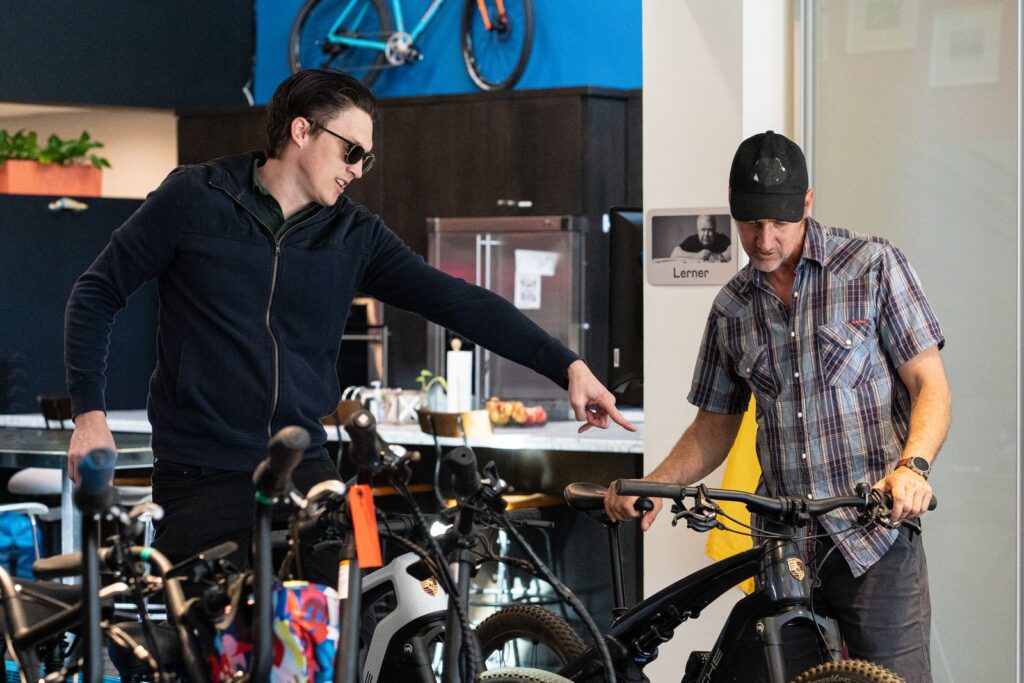
The development is strategically located within walking distance of Arizona State University and directly adjacent to a light rail stop, providing seamless access to the wider Phoenix metropolitan area, including the airport. Residents receive an annual pass to the public transit system as part of their rent, further incentivizing car-free living. For trips beyond walking or transit range, Culdesac provides a fleet of shared electric vehicles and an extensive bike share program, including e-bikes. This integrated approach ensures that residents have diverse, convenient, and sustainable transportation options at their fingertips.
The positive reception and operational success of Culdesac Tempe are drawing significant attention, demonstrating that car-free living is not only feasible but highly desirable, offering a quality of life that traditional car-centric developments cannot match. The experience of walking through its spaces, even during its construction phase, evokes a sense of community and ease often absent in conventional urban settings.

Beyond Tempe: The Future of Car-Free Development
Culdesac Tempe is envisioned as just the pilot project in a much larger master plan. The founders aim to replicate and scale this model across the United States and potentially globally. Their long-term strategy involves:
- Rapid Expansion: Building 10-20 new Culdesac neighborhoods in different cities over the next decade.
- Strategic Acquisition: Identifying and acquiring underutilized land, particularly old "big box" shopping center parking lots, which are prime candidates for transformation into vibrant, walkable communities.
- Policy Advocacy: Working with local governments to reform outdated zoning laws and reduce minimum parking requirements, paving the way for more human-centric developments.
- Technological Integration: Leveraging smart city technologies to optimize shared mobility, energy management, and community services within these neighborhoods.
- Community Building: Fostering a strong sense of community through shared spaces, organized events, and resident-led initiatives, making the living experience more enriching.
This ambitious plan seeks to demonstrate that the benefits observed in Tempe can be replicated and scaled, creating a network of sustainable, prosperous, and enjoyable urban environments.
Path Forward and Broader Implications
The emergence of projects like Culdesac Tempe signifies a critical juncture in urban development. The economic and social imperatives for shifting away from car-centric design are becoming increasingly clear. The environmental benefits, such as significant reductions in carbon emissions and improved air quality, further underscore the urgency of this transition.
To support and benefit from this burgeoning movement, several actions are crucial:
- Public Awareness: Educating communities and policymakers about the vast benefits of human-centric design.
- Policy Reform: Actively advocating for changes in local zoning laws, particularly regarding minimum parking requirements and mixed-use development.
- Investment: Supporting innovative urban developers and projects that prioritize walkability, bikeability, and public transit.
- Civic Engagement: Participating in local planning discussions and advocating for sustainable transportation infrastructure.
- Personal Choices: Embracing active transportation and supporting local businesses that thrive in walkable environments.
The long-term payback of such a transformation is profound. It is akin to a patient suffering from chronic ailments due to an unhealthy lifestyle suddenly adopting a regimen of nutritious food and regular exercise. The positive changes are immediate, synergistic, and exponential. Every step taken towards creating better cities and every car trip eliminated contributes to an explosion of personal and national wealth, improved public health, enhanced environmental sustainability, and a higher quality of life for generations to come. The stakes are immense, and the opportunity for a healthier, wealthier, and more enjoyable future is within reach.

