
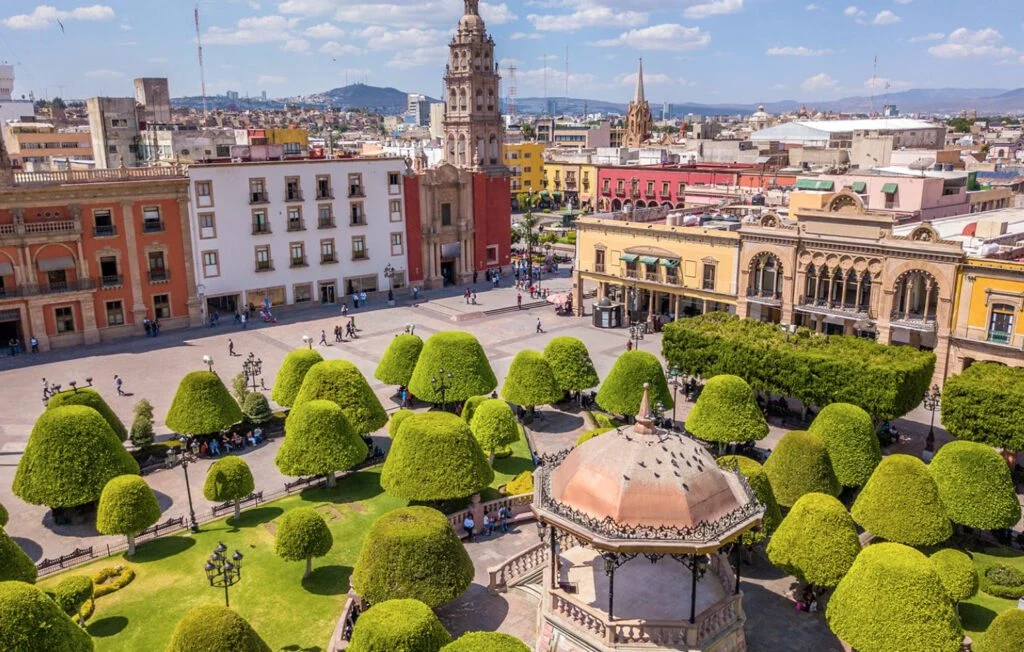
The allure of retirement often beckons with the promise of new horizons and a departure from the familiar. For an increasing number of Americans, this dream is being realized not within the familiar borders of their home country, but in vibrant, diverse locales across the globe. Anne Nicolai, a writer and entrepreneur, is one such individual who traded her corporate career and Minnesota residence for a life as a freelance writer and karaoke host in San Miguel de Allende, Mexico. Having made this transition in 2008, Nicolai, who also hosts MoveToMexico.org, offers a wealth of practical insights for those contemplating a similar expatriate retirement. Her experiences, spanning over a decade and a half, underscore five key lessons that resonate with the growing trend of Americans seeking their golden years abroad.
The Empowering Discovery of Personal Capability
One of the most profound lessons Nicolai emphasizes is the sheer breadth of personal capability that often goes unrecognized. Upon her initial move to Mexico, she candidly admits to a period of adjustment. Basic Spanish phrases were a struggle, currency conversions in her head were a challenge, and the vibrant local dance culture seemed an unattainable aspiration. Fourteen years later, however, Nicolai is a fluent, bilingual karaoke host, comfortable and adept on the dance floor, and no longer relies on mental calculations for her finances, as she now operates entirely in pesos.
Her journey also involved navigating complex bureaucratic systems, a common hurdle for any expatriate. This included successfully applying for and renewing her temporary residency visa multiple times – a process that once necessitated nine separate visits to the immigration bureau – before ultimately securing permanent residency. Furthermore, Nicolai has undertaken the four-day drive between San Miguel and Minneapolis more than twenty times, often solo. These journeys, fraught with instances of getting lost and encountering unexpected demands for bribes, served as powerful catalysts for expanding her comfort zone and fostering a deep sense of accomplishment. This personal growth, she argues, is a testament to the untapped reserves of resilience and adaptability inherent in individuals when faced with new challenges.
The Indispensable Role of Community and Safety in Expatriate Living
The transition to a new country inevitably brings a heightened awareness of safety and security. Nicolai acknowledges that measures such as decorative ironwork on windows and doors, and the embedding of broken glass or razor wire atop garden walls, are common in Mexico to deter break-ins. The vigilance required extends to everyday practices, such as never leaving valuable electronics unattended in a vehicle, as theft is a significant concern. Even simple activities, like walking home alone after dark, necessitate careful consideration of well-lit streets.
However, Nicolai’s experience highlights a crucial mitigating factor: the presence of a substantial expatriate community. She notes that in diverse locations globally, from China and Nigeria to Ecuador and Mexico, established expat enclaves often foster their own security infrastructure. In San Miguel de Allende, for instance, emergency calls are answered by English-speaking officers, and a 24-hour hotline to the American consular agency provides an additional layer of support. Moreover, the integration of expats into local society often leads to a greater prevalence of English speakers among the local population, facilitating communication and reducing potential misunderstandings. Nicolai herself chooses to live in an entirely Spanish-speaking neighborhood, underscoring that safety is not solely about formal security measures, but also about cultivating strong relationships with neighbors, fostering a sense of mutual reliance and support. This communal aspect, she suggests, is a vital component of feeling secure and at home in a foreign land.
Technology as a Bridge to Connection and Information
In an increasingly interconnected world, technology serves as an indispensable tool for maintaining connections and accessing resources, regardless of geographical distance. Nicolai points out that high-speed internet and affordable mobile services are now widely accessible across the globe, enabling expatriates to remain in constant contact with loved ones back home. Applications like WhatsApp, Duo, and Facetime offer free voice and video calls, allowing for participation in significant life events such as birthdays and holidays, even from afar. The convenience extends to essential services, with options for virtual healthcare appointments and online bill payments back home. Furthermore, direct deposit of Social Security benefits into foreign bank accounts, in either dollars or local currency, simplifies financial management for retirees.
Beyond personal connections, technology also plays a pivotal role in integrating into the new community. In San Miguel, expat forums on platforms like Facebook provide a wealth of information, ranging from local events and garage sales to crime alerts and recommendations for purchasing hard-to-find items. Navigation tools such as Google Maps and Waze, powered by reliable internet access, offer walking directions to local amenities, further enhancing independence and exploration. This digital infrastructure, Nicolai argues, significantly eases the transition and fosters a sense of belonging for those living abroad.
Cultural Immersion as a Catalyst for Personal Transformation
The decision to retire abroad is often driven by a desire for experiences that differ from those available at home. For Nicolai, the allure of Mexico lay in its promise of more sunshine, vibrant colors, greater ethnic diversity, and the intellectual challenge of language acquisition. Her prior life in Minnesota was characterized by a "Type A" personality, fully engaged in consumerism with a large home, multiple vehicles, and a penchant for expensive dining.
After 14 years in Mexico, Nicolai has embraced a profound shift in perspective, discovering the virtues of patience, humility, and simplicity. Her material needs have significantly reduced, with purchases largely limited to food and karaoke music. Her wardrobe, largely brought from her previous life, remains functional, partly due to a lifestyle that encourages more walking, dancing, and healthier eating habits. This observation, she notes, is echoed by expat friends in various countries, suggesting that immersion in different cultures often leads to a reevaluation of priorities and a greater appreciation for a less consumerist existence. This cultural immersion, she posits, is not merely about adapting to a new environment, but about undergoing a transformative personal evolution that enriches one’s life in unexpected ways.
The Enduring Option of Returning Home
Perhaps one of the most reassuring lessons for those considering retirement abroad is the fundamental understanding that the decision is not necessarily permanent. Nicolai highlights that many long-term expats, some having resided in Mexico for over three decades, represent one end of the spectrum. Equally common, she observes, are individuals who have relocated abroad, only to decide to return to their home countries for health reasons or to be closer to family. This adaptability extends to further international moves, with some expats transitioning from Mexico to destinations like Thailand, New Zealand, or Portugal.
This fluidity underscores Nicolai’s central tenet: there is no single "right" way to retire, no perfect timing, and no universally ideal location. Retirement abroad, she asserts, is an exercise in trial and error, rather than a binary of success or failure. While Mexico has become her home, she acknowledges the possibility of returning to the United States or exploring other global destinations in the future. The choice to reinvent oneself, to heal from personal challenges, or to pursue long-held passions like art or music, are all valid motivations for expatriate living. Ultimately, the freedom to explore, to adapt, and to make choices that best suit one’s evolving needs and desires remains paramount. The experience of visiting friends and family in San Miguel has consistently dispelled any feelings of loneliness, reinforcing the idea that connection can be maintained across borders. The underlying message is one of empowerment: the ability to choose one’s path and to alter it as life unfolds.
The phenomenon of American retirees seeking new beginnings abroad is supported by data indicating a sustained interest in international living. According to a 2023 survey by International Living, Mexico consistently ranks among the top retirement destinations for Americans due to its affordability, climate, and established expat communities. Other popular choices include Portugal, Panama, and Ecuador, each offering a unique blend of cultural experiences and economic advantages. The appeal lies not only in lower living costs, which can extend retirement savings significantly, but also in the opportunity for personal growth, cultural enrichment, and a departure from the routine of familiar surroundings. The trend is further fueled by the increasing accessibility of information and support networks for prospective expatriates, demystifying the process and encouraging more individuals to explore their global retirement aspirations. The narrative of Anne Nicolai serves as a compelling testament to the transformative potential of embracing a life beyond one’s native shores during the retirement years.

