

The implementation of financial literacy programs within the domestic environment has emerged as a critical component of early childhood development, particularly as modern consumerism increasingly targets younger demographics. In Vermont, a localized case study involving children ages five and seven has demonstrated the efficacy of a "scaffolded" financial education model. This approach moves beyond abstract concepts of currency, instead utilizing real-world environments—such as county fairs, museum gift shops, and school book fairs—to instill a foundational understanding of labor, debt, and discretionary spending. By transitioning the responsibility of non-essential purchases from the parent to the child, this methodology creates a controlled environment for economic trial and error, ultimately fostering a more sophisticated understanding of money as a functional tool rather than a measure of status.
The Foundational Framework of the Family Money Philosophy
The core of this financial education model is a structured "Family Money Philosophy," which establishes clear boundaries between essential needs and discretionary wants. Under this framework, the parental units remain responsible for all primary necessities, including shelter, healthcare, basic clothing, educational materials, and nutrition. Furthermore, the parents subsidize the cost of cultural and communal participation, such as admission fees to museums or regional events.

However, the children are required to finance all "extras" through their own earned capital. This category includes specialized snacks or desserts at restaurants, souvenirs from gift shops, and specific items from the Scholastic Book Fair. By drawing a firm line between what is provided and what must be earned, the program forces children to evaluate the opportunity cost of every purchase. For instance, when a child recognizes that a $7 dessert represents several hours of labor, the decision to purchase becomes a calculated economic choice rather than an impulsive demand.
The Chore Economy: Market-Value Compensation and Labor Standards
To provide children with the capital necessary for discretionary spending, the model utilizes a "chore economy." Unlike traditional allowances, which are often granted regardless of behavior or contribution, this system compensates children for specific tasks at a rate intended to reflect fair market value for their age and ability.
The chore list is categorized into two distinct types of labor:

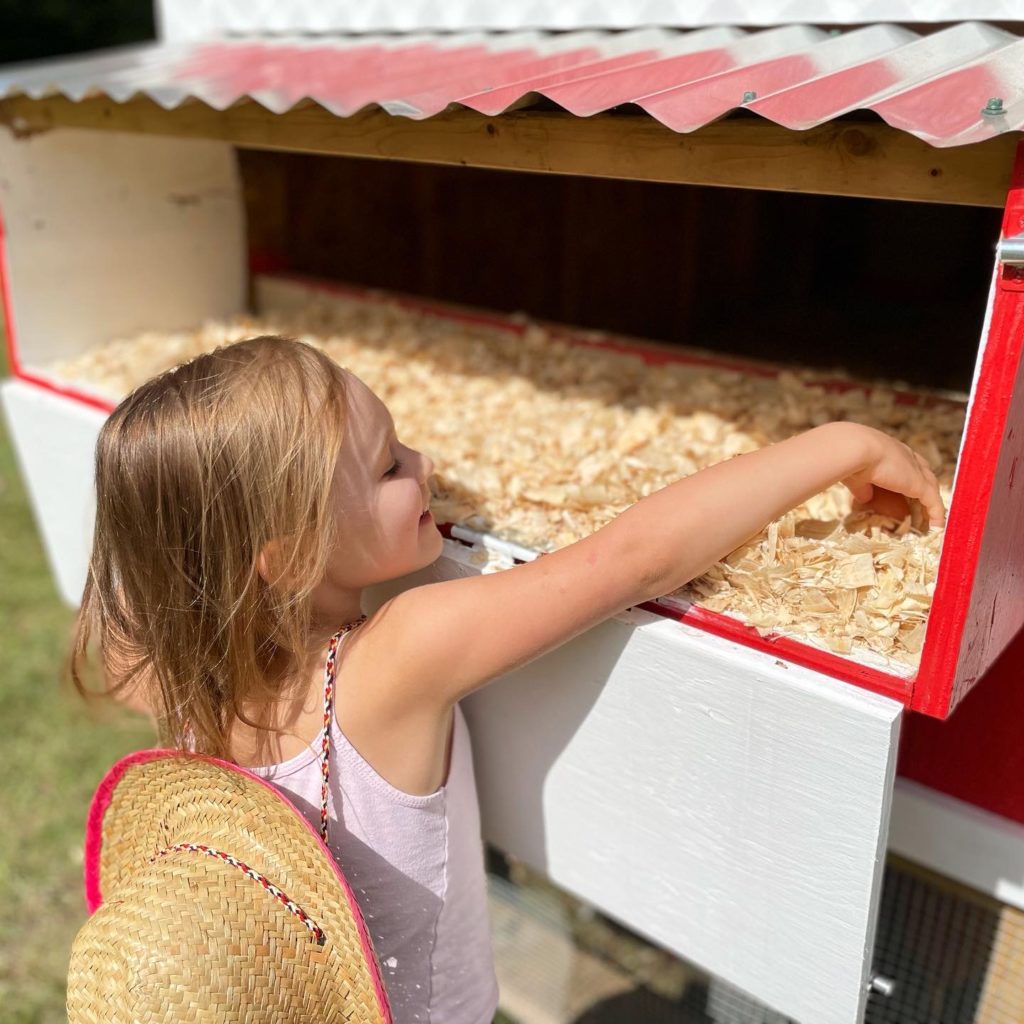
- Unpaid Communal Duties: These are tasks required for the maintenance of the household and the individual. Examples include making beds, clearing personal laundry, collecting eggs from family chickens, and managing compost. These tasks are framed as the "cost of entry" for living within a family unit and do not command a wage.
- Paid Discretionary Labor: These are tasks that provide a broader benefit to the family or alleviate parental workload. Compensation is negotiated based on the complexity and duration of the task. Recent data from the case study indicates that organizing kitchen cabinets may command a lump sum of $10, while cleaning a vehicle interior is valued at approximately $1.50.
A critical component of this labor model is the "Standard of Completion." Wages are only disbursed if the task is performed to a professional standard without significant adult intervention. This requirement teaches the children that the value of labor is tied to its quality, a concept that serves as a precursor to professional accountability in adulthood.
Case Study: The Inflatable Unicorn and the Realities of Debt
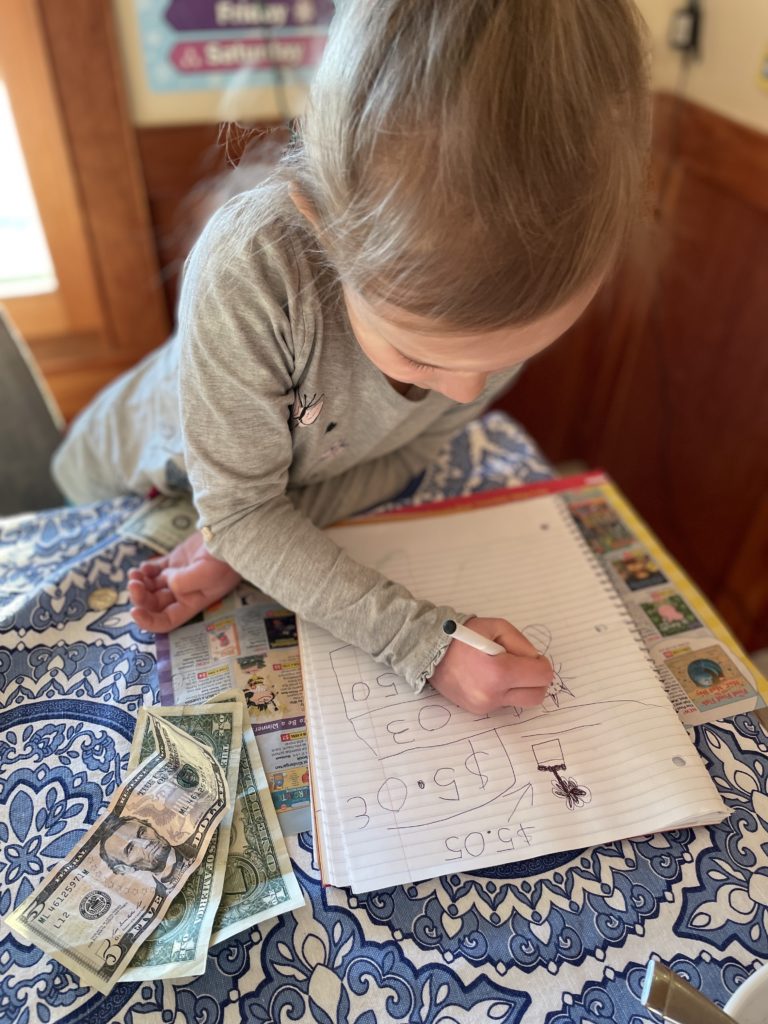
One of the most significant pedagogical breakthroughs in the Vermont study occurred during a regional county fair. A seven-year-old participant sought to purchase an inflatable unicorn priced at $13, despite only possessing $9 in personal savings. The parents opted to facilitate a $4 loan, creating a real-world scenario involving debt.
The subsequent "repayment phase" provided a visceral lesson in the psychological burden of debt. Upon returning home, the child was required to perform mandatory chores to settle the $4 balance. The child eventually articulated a core economic frustration: "It is not fun to do chores to earn money for something I’ve already bought." This realization—that debt consumes future labor for past gratification—is a concept that many adults struggle to master. By allowing the child to experience this "debt fatigue" in a low-stakes environment, the program successfully discouraged future deficit spending. Statistics from the study show that neither child involved in the program has opted to go into debt in the 12 months following this incident.
Responsibility and the Risk of Physical Capital
A secondary pillar of the program involves the management of physical currency. Participants are required to maintain their own wallets and are solely responsible for the transport and security of their funds. This led to a significant learning event at a science museum, where a child misplaced a wallet containing her savings.
The resulting emotional distress and the subsequent process of recovering the item through the museum’s "lost and found" department served as a lesson in asset protection. The parents utilized the moment to explain that in the adult world, lost cash is rarely recovered. This has led to a heightened sense of situational awareness regarding personal property. The program emphasizes that financial literacy is not merely about mathematics, but about the logistical responsibility of managing one’s resources.
Chronology of Financial Milestones
The development of the children’s financial acumen has followed a clear chronological progression:
- Ages 3–4: Introduction to coin denominations and the basic concept that "money is exchanged for goods."
- Ages 5–6: Integration into the chore economy; beginning of independent decision-making at low-cost venues (e.g., the "dessert sharing" model where siblings negotiated splitting the cost of a $7 treat).
- Age 7: Introduction to complex negotiations, debt management, and comparison shopping using promotional materials like book fair fliers.
Supporting Data: The National Landscape of Youth Financial Literacy
The Vermont case study aligns with broader educational trends emphasizing early intervention. According to the 2023 Survey of the States by the Council for Economic Education, only 25 states currently require high school students to take a course in personal finance. This gap in formal education places a higher burden on parents to provide "at-home" training.
Research from T. Rowe Price’s "Parents, Kids & Money Survey" indicates that children whose parents discuss financial topics with them are 54% more likely to have a savings account and 40% more likely to understand the concept of inflation by age 12. Furthermore, the use of a "hands-on" approach, such as the one used in the Vermont study, is shown to be more effective than passive observation. When children are required to use their own money, their "propensity to save" increases as they develop a personal stake in the outcome.
Analysis of Broader Implications and Future Strategies
The next phase of the Vermont program involves the introduction of the "Bank of Parental Units." This initiative will introduce the concept of compound interest by offering a high-yield interest rate on any funds the children choose to save rather than spend. This is intended to shift the focus from "earning to spend" to "earning to invest."

From a journalistic and sociological perspective, this case study highlights a growing movement toward "demystifying" money. By removing the social taboo surrounding financial discussions, parents can reduce the anxiety and mystery that often lead to poor financial decisions in early adulthood. The children in the study have already begun to view money as a neutral tool. This is evidenced by the seven-year-old’s description of her mother’s professional role: "Her job is to help other people with their money… the meetings are very boring but they are really important."
Conclusion: The Scaffolded Approach to Economic Independence
The success of the Vermont model suggests that financial literacy is best taught through a scaffolded approach that matches the child’s cognitive development. By starting with simple counting and moving toward the complexities of debt, interest, and shared expenses, parents can prepare children for the realities of the modern economy.
The program demonstrates that the most effective lessons often come from "controlled failures," such as the regret of working off a debt or the panic of a lost wallet. These experiences provide a visceral understanding that no textbook can replicate. As these children move toward adolescence, the foundation of labor-value and resource management will likely serve as a significant advantage in achieving long-term economic stability. The ultimate goal of such domestic financial programs is not merely to create "savers," but to develop individuals who view money with objectivity, discipline, and a clear understanding of its role as a facilitator of life’s necessities and goals.

