
Peter Adeney, widely known as "Mr. Money Mustache," a prominent figure in the Financial Independence, Retire Early (FIRE) movement, is set to embark on a significant lifestyle transition, moving to Culdesac Tempe, Arizona, a pioneering car-free community. This four-month winter residency, commencing December 1st, represents a deliberate "life experiment" aimed at exploring new personal freedoms and championing sustainable urban development. Adeney’s move underscores his long-standing advocacy for intentional living, environmental responsibility, and the pursuit of challenges that foster personal growth, principles that have defined his influential career as a blogger and proponent of early retirement.
The Evolution of Freedom: A Journey into Early Retirement
Adeney’s journey into early retirement began in 2005, a decision primarily motivated by a desire for "freedom." At the time, his tech career was demanding, and he foresaw the intense commitment required for fatherhood. His prescient decision allowed him to dedicate his prime years to raising his son, a choice he now affirms was profoundly correct, proving "the most amazing, worthwhile adventure." The early retirement provided him with the flexibility to navigate life’s complexities, embracing both periods of intense work and leisure, as well as confronting personal hardships with a resilient spirit. His son, affectionately referred to as "Little MM," has now completed high school, marking the near conclusion of the intensive child-raising phase that initially propelled Adeney towards financial independence. This milestone has opened a new chapter, prompting Adeney to leverage his "Freedom Chips" for a fresh challenge: a temporary relocation to a warm, sunny, and most importantly, car-free environment.
The FIRE movement, which Adeney has been instrumental in popularizing, advocates for aggressive savings and investments to achieve financial independence, thereby allowing individuals to retire much earlier than traditional timelines. Its core tenets revolve around mindful consumption, minimizing expenses, and maximizing savings rates, often leading to a substantial shift in lifestyle choices. For many adherents, FIRE is not merely about ceasing work but about gaining autonomy over one’s time and life trajectory, enabling pursuits aligned with personal values rather than financial obligations. Adeney’s own narrative—from a demanding tech job to a life of intentional freedom—serves as a compelling testament to the movement’s potential. His transition from focusing on the freedom to raise a child to now exploring a new mode of living highlights the dynamic and evolving nature of what "retirement" can entail within the FIRE philosophy.
Culdesac Tempe: A New Frontier for Car-Free Living
The chosen destination for Adeney’s winter experiment, Culdesac Tempe, is an innovative urban development that embodies many of the principles Adeney advocates. Launched as the nation’s first car-free neighborhood built from scratch, Culdesac Tempe represents a significant departure from conventional American urban planning, which has historically prioritized automobile infrastructure. The community is designed around walkability, bikeability, and seamless integration with public transit, particularly the local light rail system. Residents are encouraged to utilize shared mobility options, on-site bikes, scooters, and car-sharing services, rather than personal vehicles. This design philosophy aims to foster a stronger sense of community, reduce environmental impact, and enhance residents’ quality of life by eliminating the omnipresent noise, pollution, and space demands associated with cars.
Culdesac Tempe aligns with the broader "New Urbanism" movement, which promotes the creation of diverse, walkable, mixed-use communities. These developments often feature higher density, a variety of housing types, and easily accessible amenities, reducing reliance on automobiles and fostering a more vibrant public realm. The community features restaurants, retail spaces, co-working areas, and ample green spaces, all within easy walking or cycling distance. This model seeks to address critical challenges facing modern cities, including traffic congestion, air pollution, social isolation, and the escalating costs of car ownership. For an advocate of efficient and sustainable living like Adeney, Culdesac Tempe offers a unique opportunity to directly experience and publicly endorse a living model that could fundamentally improve how American cities are built and expanded. Its success could serve as a powerful proof-of-concept for future developments, demonstrating that car-free, transit-oriented living is not only feasible but desirable.
The Winter Experiment: A Deliberate Change of Scenery
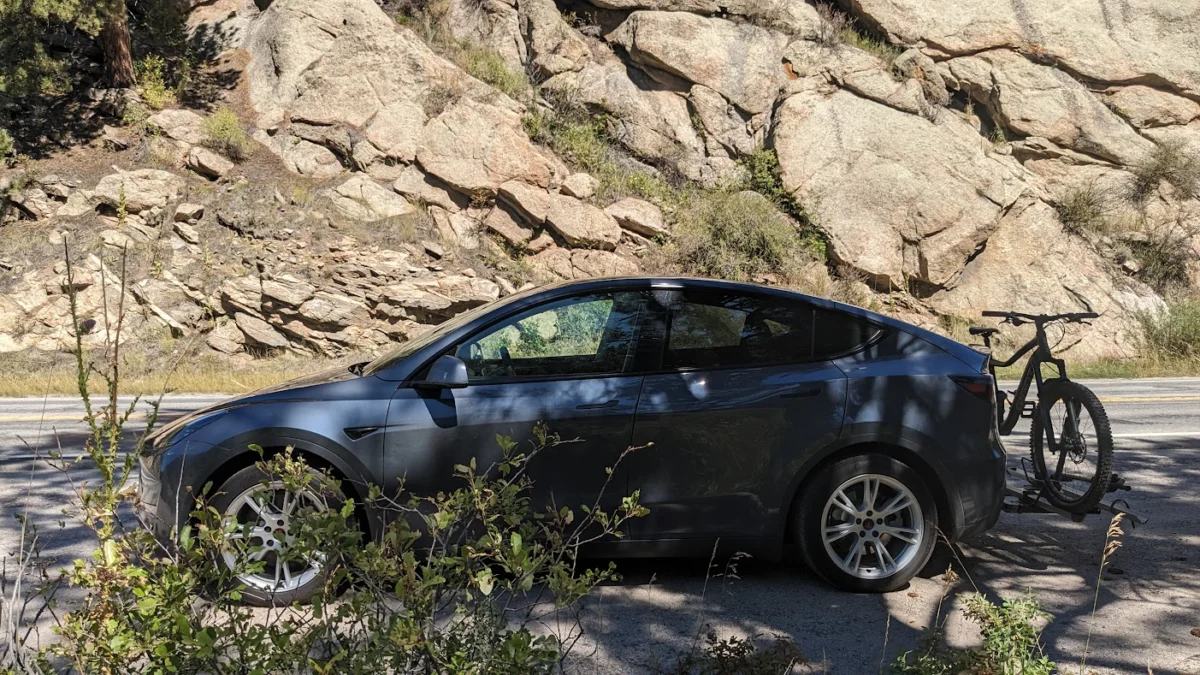
The planned move on December 1st will see Adeney, accompanied by his son for the initial road trip, transporting essential belongings and his mountain bike in his Tesla Model Y. While the car will facilitate the cross-country journey from Colorado, it will be parked off-site upon arrival, allowing Adeney to fully immerse himself in Culdesac’s car-free ethos. His son will alternate months between Arizona and Colorado, ensuring continued connection with both parents, while Adeney will reside in a spacious two-bedroom apartment for the entire four-month period.
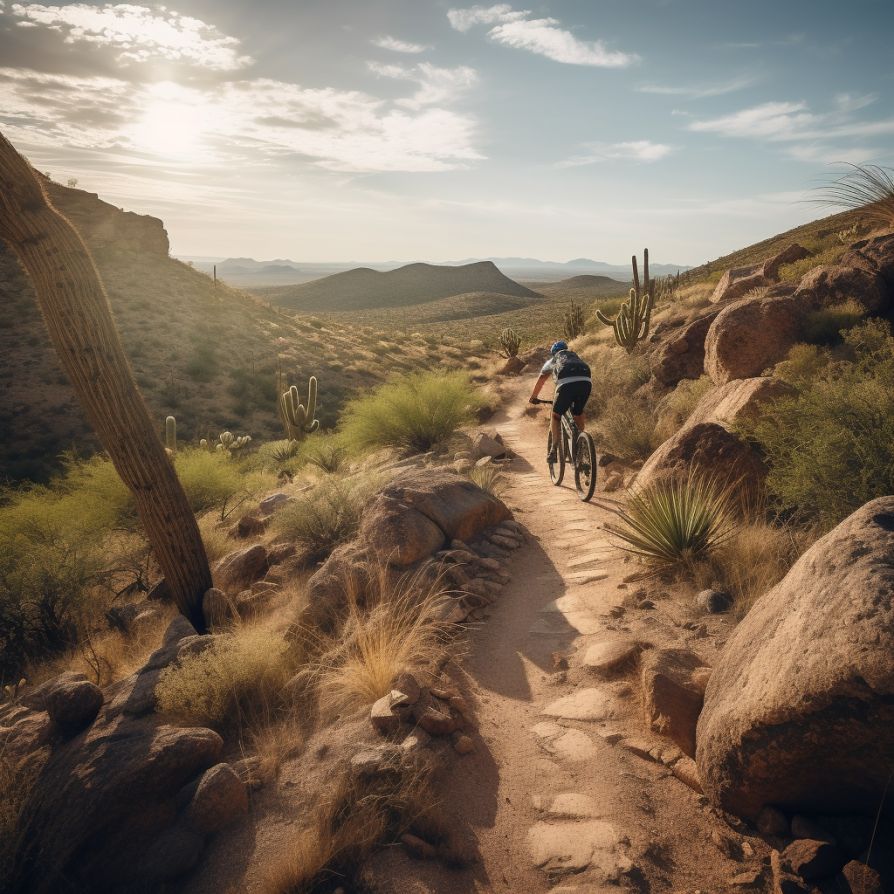
This deliberate relocation is framed as an opportunity to "invent a whole new life," pushing beyond the familiar comforts of his Colorado home and its established community. Adeney anticipates engaging in activities such as extensive mountain biking in Arizona’s diverse terrain, exploring the local culture, and actively participating in the Culdesac community. The lack of a personal car will necessitate a different approach to daily life, encouraging greater physical activity, reliance on local amenities, and engagement with neighbors. This challenge, he believes, is crucial for maintaining a life "full of meaning and joy," reflecting his philosophy that regular changes and perceived difficulties are vital for personal growth and sustained happiness. The detailed plan remains somewhat flexible, indicating an openness to organic discovery and community engagement during his stay, with an open invitation for ideas and feedback from his readership.
Beyond Personal Journey: Advocating for Urban Transformation
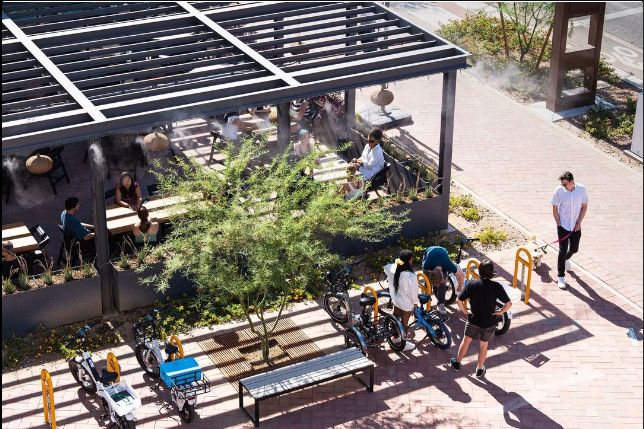
Adeney’s winter experiment extends beyond personal enrichment, carrying a broader purpose rooted in his long-standing advocacy for societal improvement. He explicitly states his "selfish goals" of having a fulfilling winter and meeting new people, but these are intertwined with a significant public objective: to contribute to the success of Culdesac Tempe. He envisions this success as a catalyst for replicating similar neighborhoods across the country, fundamentally improving urban development practices in the United States. This aspiration underscores his role not just as a financial independence guru, but as an influential voice in sustainable living and urban design.
The implications of successful car-free communities like Culdesac Tempe are far-reaching. From an environmental perspective, reducing reliance on personal vehicles directly translates to lower carbon emissions, improved air quality, and reduced urban heat island effects. Economically, residents in car-free communities often experience significant savings by eliminating car payments, insurance, fuel, and maintenance costs, aligning perfectly with FIRE principles. Urban planning experts frequently highlight that car-centric infrastructure is costly, consuming vast amounts of land for roads and parking. Developments like Culdesac offer a model for more efficient land use, promoting denser, more vibrant communities. Socially, walkability and bikeability foster greater community interaction, spontaneous encounters, and improved public health outcomes through increased physical activity. Organizations like the Congress for the New Urbanism (CNU) have long advocated for such principles, and projects like Culdesac Tempe are seen as tangible demonstrations of these ideals. The project has garnered attention from city planners and developers globally, eager to observe its long-term viability and resident satisfaction rates. Should it prove a resounding success, it could inspire a paradigm shift in how future developments are conceived and executed, moving away from automobile dependence towards human-centric design.
The Philosophy of Deliberate Hardship and Growth
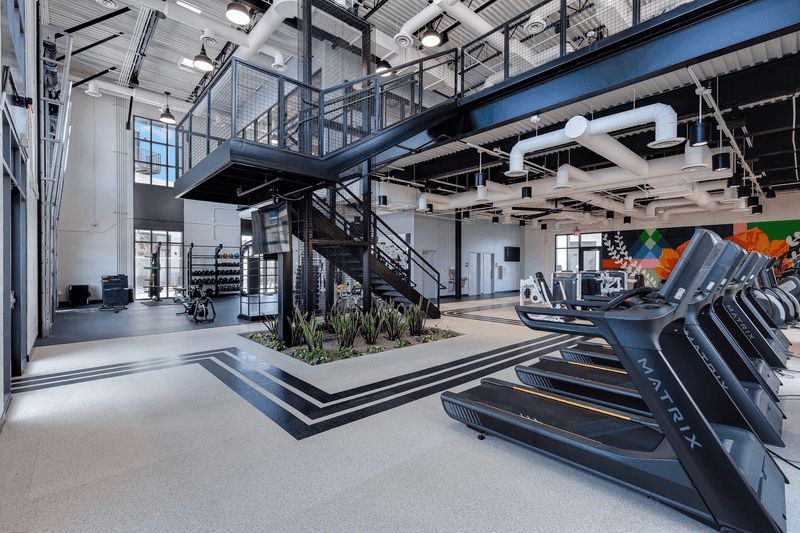
A core tenet of Adeney’s philosophy, and a driving force behind this move, is the importance of "deliberate life changes" and embracing challenges. He observes a societal tendency towards complacency in prosperous nations, where individuals might "double down on the Netflix, comfort foods, and occasional luxury purchases" rather than seeking growth. He advocates for setting life’s "treadmill to just a bit of a steeper, healthier incline," meaning actively questioning the status quo and pursuing regular experiments. This can range from moving to a new location, seeking a more fulfilling job, or simply challenging one’s physical body and social circles.
This perspective is reinforced by insights from works like Dr. Anna Lembke’s "Dopamine Nation," which Adeney references. Lembke, a psychiatrist, posits that the brain establishes a baseline for happiness based on the most challenging experiences one undertakes. Engaging in "hard things" can make everyday life seem more fulfilling by comparison, while the absence of hardship can lead to a sense of blandness and unmotivation, despite material comfort. This psychological framework provides a scientific underpinning for Adeney’s encouragement of strategic hardship and purposeful change. His own experience moving alone to the U.S. at age 24, an act of courage he credits daily for shaping his current life, serves as a powerful personal anecdote for this philosophy. For Adeney, continuous experimentation and the intentional pursuit of discomfort are not punitive but essential ingredients for a meaningful and joyful existence, preventing stagnation and fostering resilience.
Logistical Considerations and Future Outlook

Addressing practical inquiries, Adeney clarified his plans for his car and home. The Model Y will primarily serve as a moving vehicle, and once in Tempe, it will be parked off-site to fully embrace Culdesac’s car-free lifestyle, utilizing the community’s integrated transit and sharing options. His Colorado home, currently configured with a main floor and a separate lower-level apartment, will be partially rented out to a trusted acquaintance. This arrangement not only ensures the property is cared for but also embodies a classic "Mustachian" principle: generating income while on vacation. This strategic decision highlights the continued application of financial independence principles even in this new phase of life.
Looking beyond March, Adeney maintains an open-ended perspective, stating "I have no plans beyond this point." He anticipates returning to Colorado as his home base but intends to layer on new adventures, potentially including the development of an "MMM Mountain Retreat" on one of the mountain properties he has been involved in building. This fluid approach to future planning is characteristic of the freedom afforded by early retirement, allowing for spontaneity and the pursuit of emerging interests. The Culdesac experiment is thus not an endpoint but another data point in an ongoing journey of intentional living and continuous self-reinvention. Updates on the Culdesac experience will be regularly posted on a dedicated tracker page on his website, providing ongoing insights into this unique lifestyle experiment.
In conclusion, Peter Adeney’s move to Culdesac Tempe represents more than just a winter getaway; it is a profound personal and public statement. It exemplifies the evolving definition of early retirement, moving beyond mere cessation of work to active engagement with lifestyle experiments and societal advocacy. By immersing himself in a car-free community, Adeney not only seeks personal growth and a new chapter of freedom but also aims to spotlight a sustainable urban model that could inspire transformative change across the nation. This deliberate embrace of challenge, rooted in financial independence and a philosophy of continuous improvement, serves as a compelling invitation for others to question their own status quo and embark on their own journeys of purposeful change.

