
Pete Adeney, widely known by his pseudonym Mr. Money Mustache, a prominent figure in the Financial Independence, Retire Early (FIRE) movement, is embarking on a significant personal experiment by temporarily relocating to Culdesac Tempe, America’s first car-free neighborhood built from scratch. This move, set for December 1st, signifies a new phase in Adeney’s eighteen-year journey of early retirement, transitioning from a period focused on active fatherhood to one prioritizing deliberate life changes and the exploration of sustainable urban living models. His decision to spend the winter months in the walkable, bikeable community in Arizona is not merely a personal adventure but also a public endorsement of a lifestyle that aligns with his long-held philosophies on frugality, environmental consciousness, and the pursuit of meaningful challenges.
The Evolution of Freedom: From Parenthood to Purposeful Living
Adeney’s initial foray into early retirement in 2005 was primarily driven by a profound desire for freedom – specifically, the freedom to dedicate his prime hours to raising his son, "Little MM." He foresaw that his demanding tech career would clash with the full-time responsibilities of fatherhood, a prediction that, eighteen years later, he confirms was unequivocally correct. This period of early retirement, marked by both joy and hardship, allowed him the space to navigate the complexities of life while prioritizing family. As his son has now completed high school, reaching a new milestone in his own life, Adeney identifies this moment as the opportune time to "cash in a few of those Freedom Chips" for a new, substantial life change. This reflects a dynamic understanding of early retirement, not as a static state of leisure, but as an ongoing evolution of purpose and experience.
The concept of "freedom" for Adeney has always extended beyond mere financial independence. It encompasses the liberty to choose how one spends their time, energy, and resources in alignment with deeply held values. His initial retirement allowed him to escape the conventional nine-to-five grind, fostering a hands-on approach to parenting and personal development. Over nearly two decades, this freedom has translated into a life rich with diverse experiences, including engaging in hands-on construction projects, community building, and personal growth through various challenges. The upcoming move to Culdesac Tempe represents an expansion of this freedom, shifting its focus towards exploring innovative living environments and advocating for broader societal changes.
Culdesac Tempe: A Blueprint for Future Urbanism
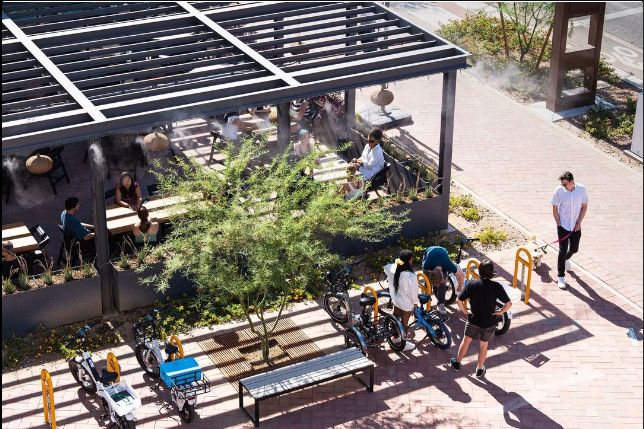
The destination for Adeney’s winter sojourn, Culdesac Tempe, is a groundbreaking urban development located in Tempe, Arizona. It distinguishes itself as the United States’ first and only neighborhood designed from inception to be car-free. Conceived by Culdesac, Inc., the community opened its doors in 2023, offering a radical departure from traditional American urban planning, which typically prioritizes vehicular traffic. The project aims to create a vibrant, pedestrian-centric environment where residents can live, work, and socialize without owning a car.
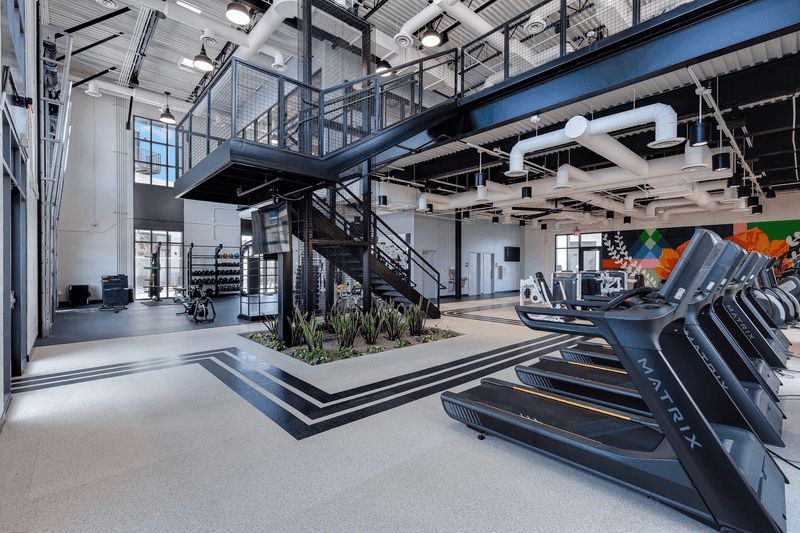
Culdesac Tempe spans 17 acres and includes over 750 residential units, complemented by a range of on-site amenities such as grocery stores, restaurants, cafes, co-working spaces, and fitness facilities. The design emphasizes shared spaces, green areas, and a network of pathways for walking and biking. Public transportation is seamlessly integrated, with a light rail station directly adjacent to the community, connecting residents to the wider Phoenix metropolitan area. This model offers a stark contrast to sprawling suburban developments, addressing critical issues such as traffic congestion, air pollution, and the high cost of car ownership. Urban planners and sustainability advocates view Culdesac Tempe as a living laboratory, testing the feasibility and desirability of truly pedestrian-focused urban environments in a car-dependent nation. The average resident in such a community can save thousands annually by eliminating car-related expenses, including vehicle payments, insurance, fuel, and maintenance, which can collectively amount to over $12,000 per year according to AAA estimates.
The Journey West: Embracing Novelty and Challenge
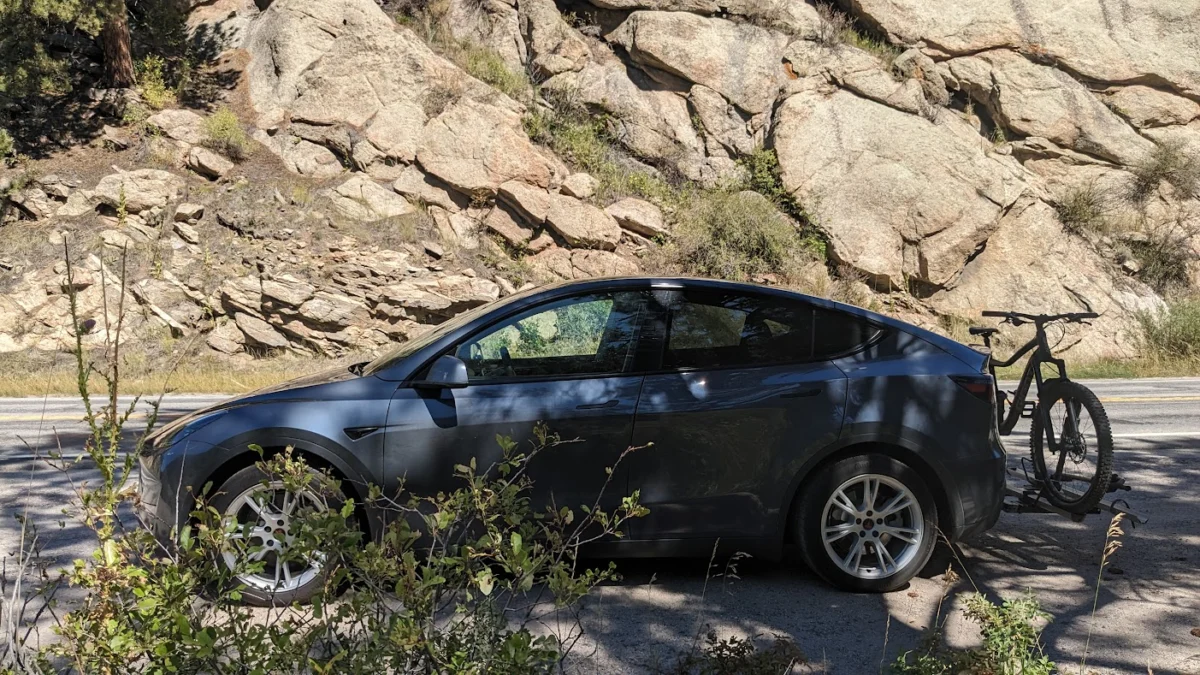
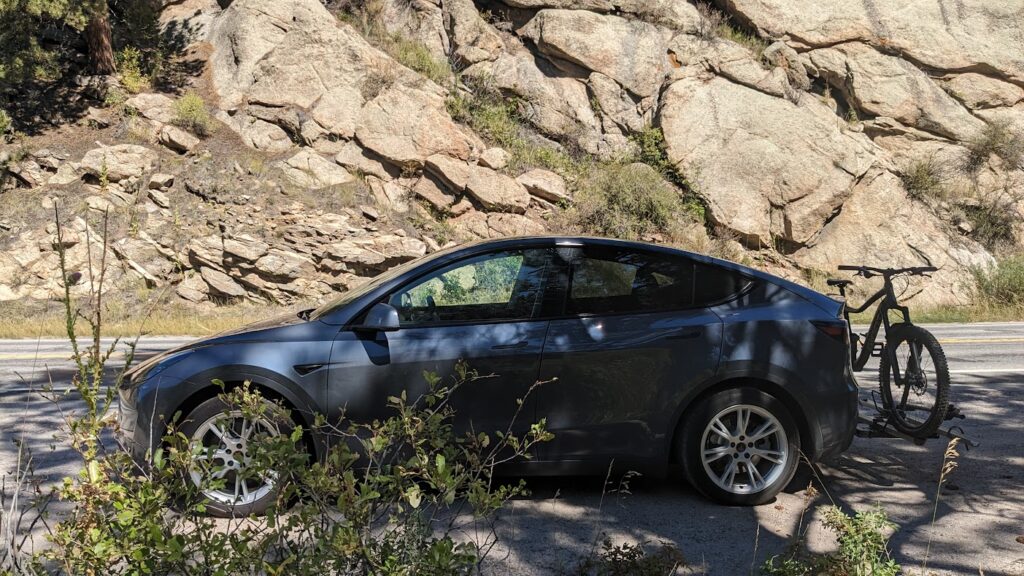
Adeney’s journey to Arizona, commencing on December 1st, will involve a road trip from his home in Colorado. He plans to pack essential clothes, tools, and gadgets, along with his mountain bike, into his Tesla Model Y, driving across the mountains to escape the impending Colorado winter. His son will join him for the initial trip, highlighting the continued familial connection despite the evolving nature of their living arrangements. They have secured a spacious two-bedroom apartment within Culdesac for a four-month period. During this time, his son will alternate between Arizona and Colorado, ensuring continued contact with both parents, while Adeney will remain in Tempe for the entire duration.
This temporary relocation is a deliberate act of seeking novelty and challenge. Adeney openly states that a significant part of the appeal is the necessity to "invent a whole new life" for himself, moving away from the established comforts and routines of his Colorado community, where he is actively involved in numerous construction projects. This move is framed as a crucial element for maintaining a life "full of meaning and joy," echoing his long-held belief that regular challenges are essential for personal growth and vitality. The car, while used for the initial move, will be parked offsite upon arrival, allowing Adeney to fully immerse himself in the car-free lifestyle of Culdesac, utilizing bikes, scooters, and public transit for daily needs.
Envisioned Activities and the Broader Purpose
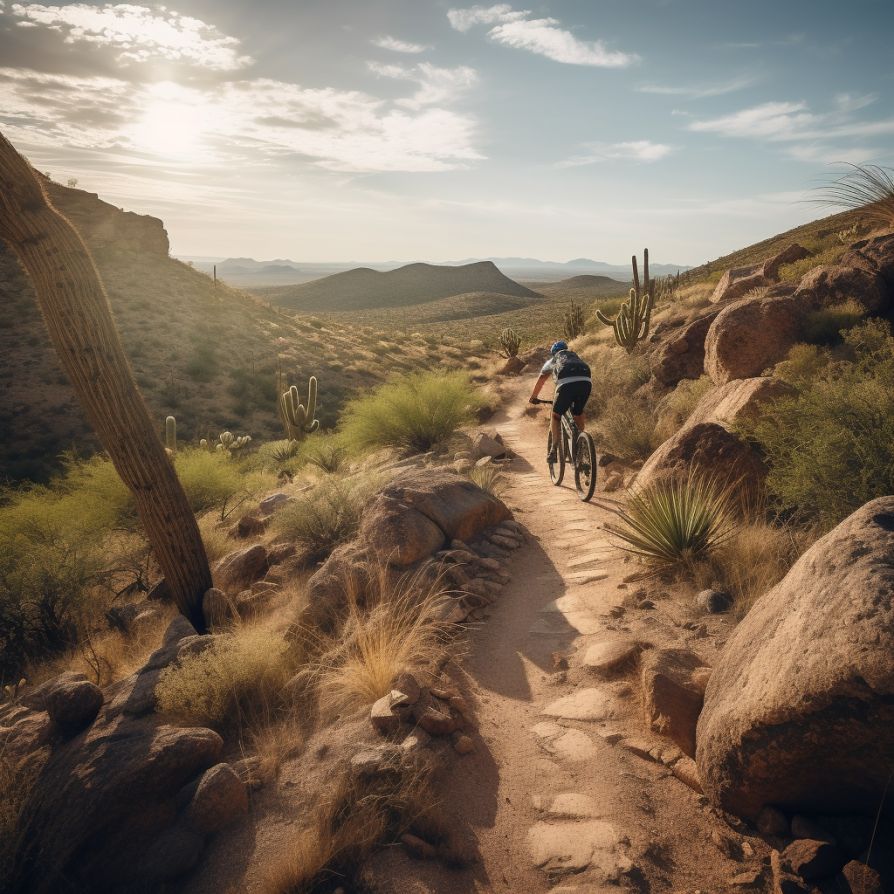
While the exact details of his daily life in Arizona are still being formulated, Adeney anticipates a range of activities. Mountain biking, a consistent passion, will undoubtedly be a major focus, capitalizing on Arizona’s warmer climate and extensive trail networks. He also plans to actively engage with the Culdesac community, meeting new people and potentially participating in local initiatives. The absence of a car will necessitate a different approach to daily living, encouraging more walking, biking, and reliance on community amenities, fostering a more active and interconnected lifestyle.
Beyond personal enrichment, Adeney’s experiment carries a larger purpose. He explicitly states his desire for Culdesac to be a "huge success," hoping it will serve as a powerful example for other developers and city planners across the country. His ultimate goal is to see such car-free, walkable neighborhoods proliferate, "permanently improv[ing] the way US cities build and expand themselves in the future." This advocacy aligns with his long-standing critique of car-centric infrastructure and his promotion of more sustainable, human-scaled urban design. His public platform provides a unique opportunity to draw attention to this innovative urban model and influence public perception.
The Philosophy of Strategic Hardship and Deliberate Change
Central to Adeney’s decision is his philosophy on "trying deliberate life changes" and embracing "strategic hardship." He argues that in prosperous societies, there’s a natural human tendency towards comfort and complacency—a "double down on the Netflix, comfort foods, and occasional luxury purchases" mindset that can lead to a "spoiled and unmotivated life." To counteract this, he advocates for consciously setting one’s "life treadmill to just a bit of a steeper, healthier incline setting." This involves questioning the status quo and actively pursuing at least one "little experiment" at all times, whether it’s moving to a new place, seeking a new job, challenging one’s physical limits, or expanding social circles.
He reinforces this perspective by referencing Dr. Anna Lembke’s book, Dopamine Nation. Lembke, a psychiatrist, posits that the brain establishes a baseline for happiness based on the most challenging experiences one undertakes. By engaging in difficult activities, daily life, by comparison, feels more fantastic. Conversely, eliminating all hardship can render even life’s pleasures bland, leading to a state of anhedonia. This neuroscientific perspective provides a powerful validation for Adeney’s long-held belief in the value of embracing discomfort and novelty for sustained well-being and a fulfilling life. His own past courage in moving alone to the US at age 24 serves as a testament to the transformative power of such bold decisions, shaping his present life in profoundly positive ways.
Logistical Ingenuity and Financial Prudence
Adeney’s approach to the practicalities of his move also reflects his Mustachian principles. The use of his Model Y, an electric vehicle, as a "convenient electric moving truck" for the initial journey, rather than a permanent mode of transport in Culdesac, underscores his commitment to car-free living. Once in Tempe, the car will be stored offsite, and he will fully utilize the community’s integrated transportation options, including the light rail, and onsite bike, scooter, and car-sharing services. This demonstrates a pragmatic approach to transitioning to a low-carbon lifestyle, leveraging existing infrastructure and services rather than outright eliminating all vehicular contact.
Furthermore, his plans for his Colorado home showcase another classic FIRE strategy: generating income while pursuing new experiences. His home, configured with a main floor and a separate lower-level apartment, allows for flexibility. He intends to rent out one of these sections to a trusted acquaintance for the winter, providing passive income and ensuring the property is looked after. This "making money while taking vacations" strategy is a hallmark of the FIRE movement, enabling individuals to maintain financial stability and leverage their assets even during extended periods away from their primary residence.
Implications for the FIRE Community and Urban Development
Adeney’s Culdesac experiment holds significant implications for both the FIRE community and the broader discourse on urban planning. For FIRE adherents, his journey serves as a living case study of post-retirement life. It demonstrates that financial independence is not an end state of passive leisure but a launching pad for continuous personal evolution, intentional living, and active engagement with societal challenges. His move reinforces the idea that true freedom lies in the ability to design one’s life purposefully, embracing new environments and experiences.
For urban development, Adeney’s high-profile endorsement and active participation in Culdesac Tempe could significantly boost the visibility and credibility of car-free, mixed-use communities. His platform reaches a wide audience interested in sustainable living and unconventional choices, potentially inspiring more individuals to consider such developments and encouraging more developers to build them. The success of Culdesac Tempe, as observed and reported by Adeney, could provide crucial real-world data and a compelling narrative for advocating for similar projects in other cities, addressing issues of urban sprawl, housing affordability, and environmental sustainability. It challenges the deeply ingrained American car culture, suggesting viable alternatives that enhance quality of life and reduce ecological footprints.
Conclusion: A Catalyst for Conscious Living

As Pete Adeney embarks on his four-month sojourn in Culdesac Tempe, his personal adventure transcends mere travel. It is a calculated experiment in intentional living, a public statement on the dynamic nature of early retirement, and a powerful endorsement of a sustainable urban future. By choosing to immerse himself in a car-free community and actively seek new challenges, he continues to exemplify the core tenets of his philosophy: that true wealth lies not in accumulation, but in freedom, purpose, and continuous growth. His journey is a compelling reminder for all to question the default settings of modern life, embrace discomfort, and proactively sculpt a life that is rich in meaning, challenge, and positive impact. The outcome of this "Mini Culdesac Experiment" will undoubtedly provide valuable insights, not just for Adeney himself, but for countless individuals seeking to live more deliberately and for communities striving to build more sustainable, human-centric environments.

