
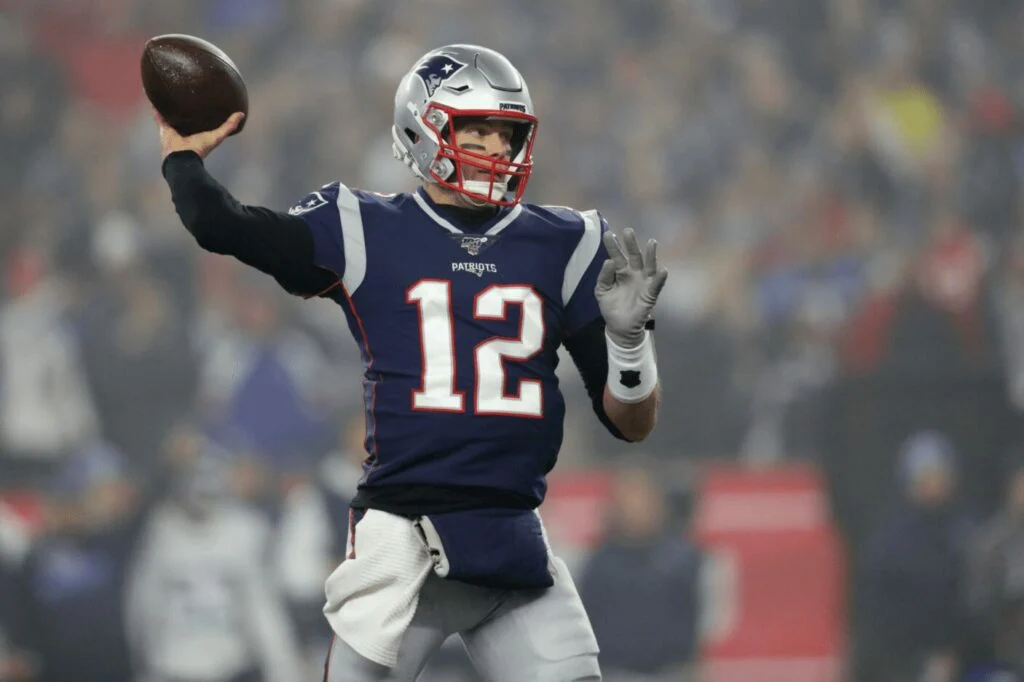
The decision by arguably the greatest quarterback in National Football League history, Tom Brady, to retire from professional football, even for a second time, offers a unique lens through which to examine broader themes of career transition, personal planning, and the art of knowing when to step away from a lifelong pursuit. While Brady’s extraordinary achievements—seven Super Bowl titles, five Super Bowl MVP awards, and a record-breaking career spanning 23 seasons—place him in a stratosphere far removed from the average individual, the underlying principles guiding his retirement choices hold valuable lessons for anyone contemplating a significant career or life change. This analysis delves into these principles, drawing parallels and offering insights applicable to a wider audience.
The Strategic Timing of Departure
Tom Brady’s initial retirement announcement on February 1, 2022, came after a season where he still performed at an elite level, leading the NFL in passing yards and garnering MVP consideration at 44 years old. His stated goal had long been to play until his mid-40s, a benchmark he achieved and then surpassed. However, his second retirement, announced on February 1, 2023, marked a definitive end to his playing career. This deliberate timing, especially after a successful final season with the Tampa Bay Buccaneers, underscores a key takeaway: the importance of self-awareness and recognizing when the moment is right to transition, even if it deviates slightly from initial plans.
Many individuals meticulously plan their retirement dates, often tied to financial milestones or age requirements. However, life’s circumstances can necessitate earlier departures. According to a 2022 report by the Center for Retirement Research at Boston College, approximately 47% of individuals in the United States are forced to retire earlier than planned due to factors such as job loss, health issues, or caregiving responsibilities. Brady’s situation, while voluntary, highlights the need for flexibility and introspection. The ability to assess one’s current state—both physically and mentally—and align it with evolving personal goals, rather than rigidly adhering to a predetermined timeline, is crucial. This involves a continuous dialogue with oneself about job satisfaction, passion, and the readiness for a new chapter.
The "Going Out on Top" Philosophy
A recurring theme in discussions surrounding Brady’s career has been his consistent pursuit of excellence and his desire to avoid a prolonged decline. He frequently expressed a wish to retire while still performing at a high level, rather than lingering to the point where his abilities significantly diminished. His final season with the Buccaneers saw him leading the league in passing yards at age 44, a remarkable feat that aligns with this philosophy. This "going out on top" mentality is not unique to professional sports; it is a strategic approach that can be applied to various professional fields.
In the corporate world, individuals who proactively transition from demanding roles while still at the peak of their capabilities often do so on their own terms. This allows them to leverage their established reputation and expertise for future endeavors, whether it be consulting, mentorship, or entrepreneurial ventures. Conversely, clinging to a position long past one’s prime can lead to diminished effectiveness, reduced job satisfaction, and a tarnished professional legacy. The implication here is that strategic career management involves not only building a successful career but also orchestrating a graceful and impactful exit, one that preserves and even enhances one’s professional standing.
Building the Foundation for the Next Chapter
Perhaps one of the most salient lessons from Tom Brady’s career transition is his proactive approach to building a post-playing career. Years before his actual retirement, Brady was actively involved in establishing and growing various business ventures. These included TB12, a health and wellness brand focused on performance and recovery; BRADY, a clothing line; and 199 Productions, a media production company. This foresight demonstrates a commitment to a life beyond professional football, allowing him to seamlessly transition into new roles and pursuits.
This strategy of pre-retirement planning is exceptionally valuable for individuals in all professions. The process of envisioning and preparing for life after full-time employment can begin long before the official retirement date. This might involve exploring part-time work, pursuing volunteer opportunities, engaging in consulting, dedicating time to creative projects like writing a book, or planning extensive travel. The benefits of such early preparation are manifold: it allows for thorough research into potential options, provides opportunities to gain practical experience, and helps in understanding the real-world requirements and challenges of these new pursuits. Furthermore, proactively seeking advice and engaging in conversations with individuals who have already made similar transitions can offer invaluable insights and guidance. This proactive engagement can demystify the retirement process and foster a sense of preparedness and excitement for the future.
The Centrality of Family Considerations
Family dynamics often play a significant role in retirement decisions, and Tom Brady’s situation is no exception. While not explicitly detailed by Brady, speculation suggests that family considerations, including spending more time with his children and spouse, were a major factor in his decision to step away from the demanding schedule of professional football. This resonates deeply with many individuals, as retirement is rarely a solitary decision; it impacts and is impacted by one’s family.
A striking statistic from a 2021 survey by Fidelity Investments revealed that 57% of couples had incorrect assumptions about their partner’s retirement timeline. This highlights a widespread tendency to avoid in-depth conversations about retirement, leading to potential misunderstandings and misalignments. Open and honest communication is paramount. Couples are encouraged to engage in a series of discussions about their individual and shared retirement goals, expectations, and aspirations. This process requires active listening, empathy, and a willingness to understand each other’s perspectives. By fostering such dialogue, couples can navigate the transition more smoothly, ensuring that retirement plans are mutually beneficial and supportive.
Maintaining Composure and Grace
Tom Brady’s second retirement announcement, like his first, was met with a flurry of reactions and analyses. However, his final departure, particularly the initial communication, drew criticism for its perceived omission of the New England Patriots, the franchise where he spent the first 20 years of his illustrious career and won six Super Bowl titles. While the subsequent social media posts and interviews provided further context and acknowledgments, the initial oversight sparked debate about professionalism and gratitude.
This situation underscores the importance of exiting any professional role with grace and dignity. In the professional arena, whether in sports or business, maintaining a composed and respectful demeanor during transitions is crucial. Burning bridges or engaging in public disputes can have long-term negative repercussions. The temptation to express frustrations or engage in petty critiques upon departure is understandable, but it is rarely constructive. A "scorched earth" approach, characterized by vindictive or spiteful communication, can significantly damage one’s reputation and future opportunities. Instead, a focus on gratitude, professionalism, and a forward-looking perspective fosters goodwill and preserves valuable relationships. This approach ensures that the departure is remembered for its professionalism rather than for any acrimonious exchanges.
The Open Door Policy: Avoiding Definitive Closures
The concept of "never say never" holds particular relevance in the context of retirement, especially in an era where career paths are becoming increasingly fluid. Studies conducted prior to the COVID-19 pandemic indicated that in both the United States and the United Kingdom, over 20% of retirees returned to the workforce within five years of their initial retirement. Notably, these returns were often not driven by financial necessity but by a desire for purpose, social connection, or cognitive stimulation.
Tom Brady’s own career trajectory, marked by his initial retirement and subsequent return to play for two more seasons, serves as a powerful illustration of this phenomenon. The current speculation surrounding his potential future involvement in football, perhaps with his hometown team, the San Francisco 49ers, further emphasizes the idea that retirement does not always signify a permanent cessation of professional activity. This flexibility allows individuals to re-evaluate their priorities and re-engage with their passions if circumstances and desires align. For many, maintaining an open door, rather than definitively closing it, provides a valuable option for future engagement, ensuring that life after a primary career remains dynamic and adaptable.
Broader Implications and Future Considerations
Tom Brady’s second retirement from the NFL marks the definitive end of an era, not just for him, but for the sport itself. His sustained excellence over more than two decades, coupled with his strategic approach to career management and transition, provides a rich case study for individuals across all walks of life. The lessons learned from his journey—understanding the right time to move on, striving for peak performance, diligently planning for future endeavors, prioritizing family, maintaining grace in departure, and embracing flexibility—offer a valuable framework for navigating the complexities of career and life changes.
As individuals contemplate their own retirement journeys, they can draw inspiration from Brady’s methodical and thoughtful approach. The ability to adapt, to communicate openly with loved ones, and to build a fulfilling life beyond a singular career pursuit are paramount. The legacy of Tom Brady extends beyond his statistical achievements; it encompasses a testament to strategic planning, resilience, and the enduring pursuit of purpose, offering enduring insights for a generation preparing for their own next acts.

