
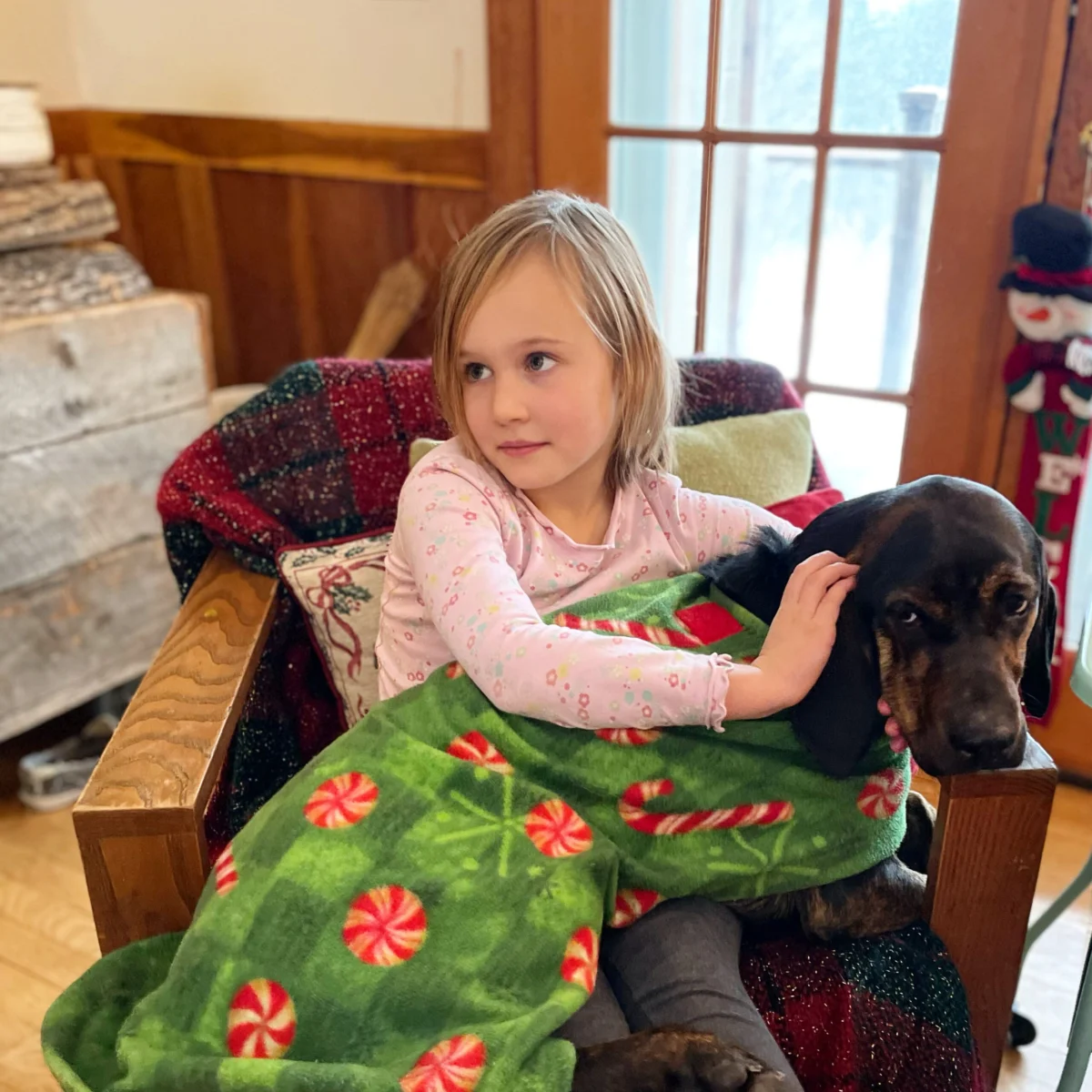
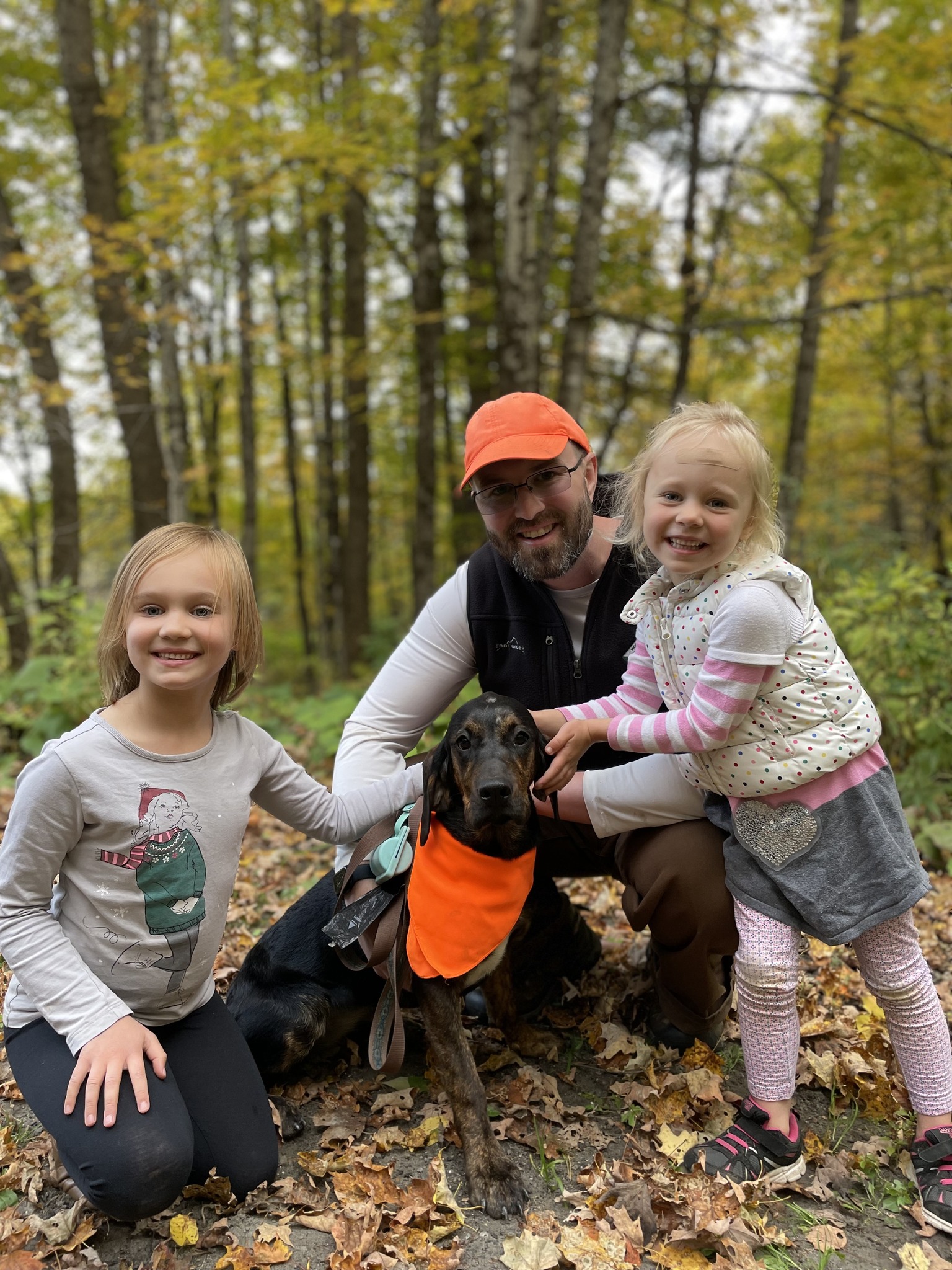
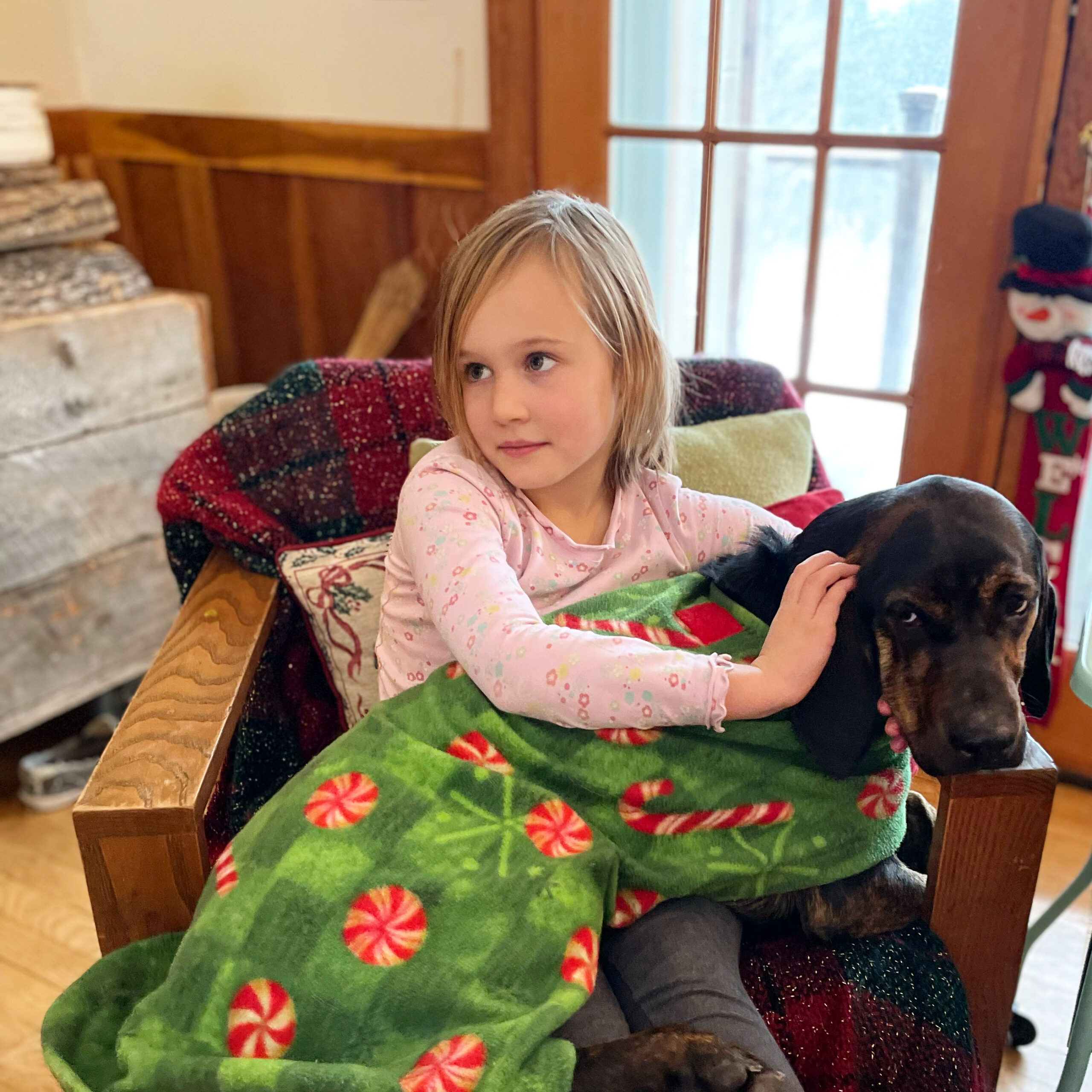
The challenges of integrating a rescue animal into a modern household were recently exemplified by the experience of the family behind the Frugalwoods financial platform, who documented a four-month struggle to rehabilitate a stray hound named Genevieve, or "Gigi." Despite a comprehensive investment of time, professional training, and over $2,300 in medical and behavioral interventions, the family ultimately determined that the dog’s severe separation anxiety created an untenable environment for both the animal and the household. This case highlights a broader trend in animal welfare: the complex intersection of canine behavioral health, the limitations of pharmacological treatments, and the significant financial volatility associated with pet ownership.
The Genesis of the Rescue: From Stray to Family Member
The chronology of the event began in late September 2022, when a female hound was discovered emaciated and injured on a property in rural Vermont. The animal, later named Gigi, lacked identification tags and a microchip, and local advertisements failed to locate an owner. Based on her physical condition and breed characteristics, experts and the family hypothesized that she was a former bear-hunting dog who had become separated from her pack—a common occurrence in regions where hounds are utilized for large-game tracking.

On October 3, 2022, the family officially transitioned Gigi into their home. While the dog demonstrated a calm temperament in the presence of humans and an aptitude for outdoor activities such as hiking, she immediately displayed symptoms of severe separation anxiety. Separation anxiety in canines is defined by the American Kennel Club (AKC) as a condition where a dog exhibits extreme stress from the moment an owner prepares to leave until their return. For Gigi, these episodes manifested within five minutes of human departure, characterized by panic attacks, continuous pacing, and involuntary elimination within her crate.
A Multidisciplinary Approach to Behavioral Mitigation
The family initiated a three-tier intervention strategy encompassing behavioral modification, technological monitoring, and pharmacological support.
Behavioral and Technological Interventions
Under the guidance of a professional dog trainer, the family implemented a desensitization regimen. This process involved leaving the home for incremental periods—starting at 30 seconds—and returning to reward calm behavior. However, the dog was unable to surpass a five-minute threshold without escalating into a state of panic.
In an attempt to utilize modern animal-husbandry technology, the family installed remote surveillance cameras and a treat-dispensing system. These devices allowed for real-time monitoring and the ability to remotely reinforce positive behavior. Despite these efforts, the dog’s physiological distress remained unresponsive to external stimuli when isolated.
Pharmacological and Medical Oversight
When behavioral training proved insufficient, the family sought veterinary assistance. A series of escalating medical treatments were prescribed, moving from mild anti-anxiety medications to sedatives and, eventually, tranquilizers. According to veterinary records, none of these pharmaceutical interventions successfully suppressed the dog’s panic response.
Data from the Journal of Veterinary Behavior suggests that while medications like Fluoxetine or Clomipramine can be effective for many dogs, approximately 15% to 30% of cases involving severe separation distress do not respond to standard pharmacological protocols, often requiring a "pack environment" rather than individual isolation.

The Financial Impact of Emergency Pet Care
One of the most salient aspects of this case is the documented financial cost of attempting to stabilize a rescue animal with high needs. Over a four-month period, the family expended a total of $2,373.25. This figure stands in stark contrast to the average annual cost of a healthy dog, which the ASPCA estimates to be between $700 and $1,100 for a medium-to-large breed.
The itemized expenses included:
- Medical and Preventative Care: $911.98 (covering initial vaccinations, de-worming, testing, and multiple follow-up visits for anxiety).
- Rehoming and Surgical Costs: $600.00 (contribution toward spaying and foster-based rescue fees).
- Behavioral Support and Technology: $278.77 (including trainer sessions and remote monitoring equipment).
- Daily Maintenance and Supplies: $582.50 (food, specialized gear, and high-durability toys).
This expenditure highlights the "hidden" costs of pet rescue. Unlike purchasing a pet from a regulated breeder or a well-documented shelter environment, adopting a stray often involves significant "catch-up" costs for medical neglect and unforeseen behavioral pathologies.

The Logistics of Rehoming and Professional Analysis
By early 2023, the family reached a "breaking point," citing the impact on their children and the inability to maintain a standard quality of life. The necessity for one adult to remain home at all times to prevent the dog from injuring herself or the home environment was deemed unsustainable.
The dog was surrendered to a foster-based rescue organization specializing in hounds. Upon intake, the organization conducted its own assessment and discovered a critical variable: Gigi’s anxiety was specifically tied to total isolation. When placed in an environment with other dogs, her symptoms vanished. This confirmed the initial theory that her background as a pack-hunting dog had hard-wired her for social dependency on other canines.
The rescue organization reported that Gigi was successfully adopted into a permanent home that maintains multiple dogs. In this new environment, she reportedly functions without the need for medication or intensive behavioral intervention, illustrating the importance of "lifestyle matching" in animal placement.
Broader Implications for the Pet Industry and Animal Welfare
The case of Gigi serves as a microcosm for broader trends observed in the post-pandemic era. Between 2020 and 2022, pet ownership in the United States surged, but as families returned to offices and resumed travel, shelters reported a significant increase in surrenders due to separation anxiety.
The Myth of the "Universal" Rescue
This event challenges the narrative that every rescue animal can be rehabilitated in any loving home. Professional animal behaviorists argue that certain breeds, particularly "working" hounds, have genetic predispositions that make them ill-suited for life as an "only dog" in a suburban or rural setting where they are frequently left alone.
The Economic Reality of the "Frugal" Lifestyle
For families focused on financial independence or "frugal" living, the Gigi case underscores the necessity of a robust emergency fund specifically for pets. The family’s ability to absorb nearly $2,400 in unplanned costs prevented the animal from being euthanized or placed in an overburdened municipal shelter, yet many households would have found such an expense catastrophic.

The Psychological Toll on Rescuers
The family expressed a sense of "failure" and emotional distress, a phenomenon known in social work as "caregiver burnout" or "compassion fatigue." This psychological impact on owners who attempt to manage high-needs animals is an often-overlooked factor in animal welfare discussions. The decision to rehome, while often stigmatized, is increasingly viewed by behavioral experts as a responsible choice when a dog’s needs exceed a family’s capacity to provide a safe and stable environment.
Conclusion: Lessons in Risk Management and Priorities
The experience has led the family to transition toward "dog-sitting" for acquaintances as a method of maintaining a connection with animals without the long-term logistical and financial risks. This "part-time" approach allows for the flexibility required by a family with young children and an active lifestyle, while avoiding the potential for another high-cost behavioral crisis.
Ultimately, the story of Genevieve the hound is a reminder of the unpredictability of biological systems. Despite the application of financial resources, modern technology, and medical science, some behavioral traits are too deeply ingrained for standard domestic intervention. The successful rehoming of the dog into a pack environment suggests that the "failure" was not one of effort or care, but a fundamental mismatch between an animal’s evolutionary needs and a human family’s logistical reality. This case serves as a cautionary yet informative data point for prospective pet owners, emphasizing that the true cost of a "free" dog can often be measured in thousands of dollars and significant emotional labor.

