
The landscape of financial independence and early retirement (FIRE) is continually shaped by shifting economic currents, prompting ongoing re-evaluation of its core tenets. Recently, a significant critique emerged from an anonymous reader of a prominent FIRE blog, challenging the contemporary relevance of traditional advice. The reader’s comment, posted on an older article discussing FIRE principles, articulated a growing sentiment that much of the established guidance seems rooted in a bygone era, specifically lamenting that "every FI blogger out there worked in tech 20 years ago, pulled down a 6 figure salary and bought a house for a bag of potatoes before 2019." This sentiment underscores a widespread concern among a new generation of aspiring FIRE adherents who contend that the current economic climate—characterized by soaring housing prices, elevated interest rates, and the perceived difficulty of achieving six-figure salaries—renders older strategies increasingly unattainable for those without pre-existing homeownership or high incomes.
The critique highlights specific practical hurdles, such as the perceived impracticality of "house hack" or "buy a fixer-upper" strategies due to current market valuations and restrictive local zoning ordinances that often prevent the conversion of single-family homes into accessory dwelling units (ADUs) or multi-unit properties. The reader’s example of a cousin owning 60 acres of land but being prohibited from living on it in a trailer further illustrates the regulatory complexities that can thwart unconventional, cost-saving housing solutions. This collective feedback signals a crucial inflection point, urging the FIRE community to address whether its foundational principles, while enduring, require substantial adaptation for a post-pandemic world.
The Evolution of FIRE Principles Amidst Economic Shifts

The FIRE movement, an acronym for Financial Independence, Retire Early, champions aggressive saving and investing to achieve financial autonomy long before traditional retirement age. Its core principles revolve around maximizing savings rates, minimizing expenses, and investing wisely to build a portfolio large enough to cover living expenses indefinitely. Historically, the movement gained significant traction during periods of robust economic growth, particularly benefiting those in high-paying sectors like technology, who could rapidly accumulate wealth. The narrative often involved leveraging high incomes to acquire assets, including homes, at more favorable valuations than those seen today.
However, this is not the first time the FIRE philosophy has faced scrutiny regarding its adaptability. Over the years, various economic cycles and societal changes have led to claims of its obsolescence. From the dot-com bubble burst to the 2008 financial crisis, and through periods of high inflation or stagnant wage growth, critics have periodically declared FIRE unfeasible. Yet, proponents argue that the fundamental principles of living below one’s means, avoiding consumer debt, and investing for the long term remain universally applicable, regardless of external economic conditions. The recurring nature of these critiques often points to what some within the movement term "Complainypants" or "Excuse-itis"—tendencies to attribute personal financial struggles solely to external factors rather than exploring adaptable strategies.
Dissecting the Current Economic Challenges: Income and Housing
The reader’s critique zeroes in on two primary factors: the prevalence of high salaries among early FIRE adopters and the dramatic increase in housing costs and interest rates since 2019.
Regarding income, it is an undeniable truth that higher salaries can accelerate the path to financial independence. Fields like technology, medicine, and specialized engineering have historically offered compensation packages that allow for significant savings rates, even with relatively comfortable lifestyles. While the FIRE movement advocates for increasing income through career advancement, skill development, or entrepreneurship, its central focus, particularly for proponents like Mr. Money Mustache, has always been on the management of income rather than its absolute size. The core argument is that even substantial incomes can be squandered through unchecked consumerism. Evidence abounds with high-earning professionals—software engineers, doctors, lawyers—who, despite decades of lucrative employment, find themselves in precarious financial positions due to exorbitant spending habits. This reinforces the idea that an ever-increasing income is often insufficient to achieve financial independence if not coupled with disciplined spending and waste reduction. The "Mustachian" philosophy, therefore, prioritizes optimizing expenditure to live joyfully and efficiently, emphasizing that these skills are crucial for high earners and even more indispensable for those further down the income ladder.
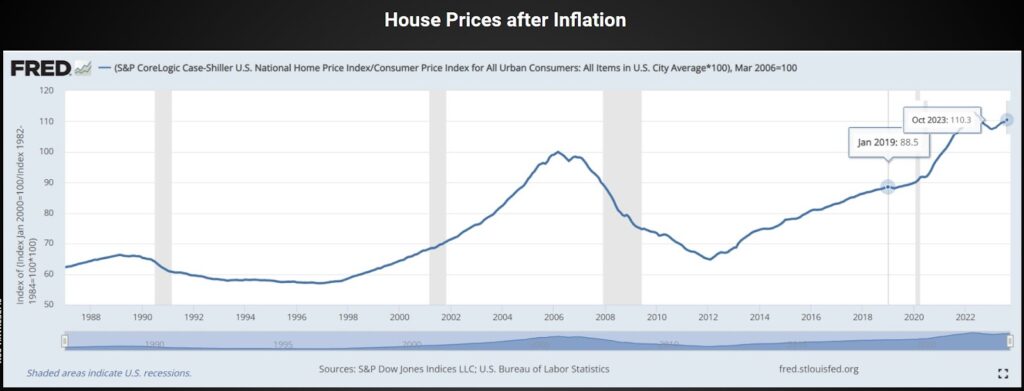
The second, and perhaps more pressing, issue is the state of the housing market in 2024. The perception of an unbridgeable gap in housing affordability is widespread. To provide a data-driven perspective, the Federal Reserve Bank of St. Louis (FRED) offers valuable insights into housing market trends. Analysis of inflation-adjusted house prices reveals a significant national increase. Since the beginning of 2019, U.S. house prices have effectively "felt" approximately 25% more expensive relative to average salaries and the overall cost of goods and services. While this represents a substantial jump in a relatively short period, it is noteworthy that current inflation-adjusted prices are only about 10% higher than their last peak in early 2006, eighteen years ago. This national data suggests a challenging, but perhaps not entirely insurmountable, hurdle.
However, national averages often mask stark regional disparities. The housing market in specific, highly desirable metropolitan areas has seen exponential growth, far outstripping national trends and average wage increases. For instance, Longmont, Colorado, a city cited in the original discussion, now boasts a median home price of approximately $540,000. This represents a threefold increase since 2011, when homes averaged around $200,000. Such localized hyper-inflation means that for the average person in these areas, homeownership has indeed become significantly more out of reach. The added burden of higher interest rates, which have seen a substantial rise in recent years, further exacerbates affordability issues, as monthly mortgage payments climb even for properties with moderate price increases.
Strategic Adaptation: Embracing Geographical Arbitrage
In response to these escalating housing challenges, the FIRE movement advocates for a strategic shift from a victim mindset to one of proactive decision-making, particularly through geographical arbitrage. The core idea is to treat housing not as an immutable local fixture, but as a manufactured product subject to supply and demand, with prices varying widely across different locations.
The "House Shopping With Your Middle Finger" philosophy encourages individuals to challenge their inherent ties to a specific location, especially if those ties are more rooted in fear of change than genuine positive bonds. This approach involves a disciplined decision-making process:
- Determine your actual needs: Beyond emotional attachments, what are the non-negotiable requirements for your living situation (space, amenities, climate, community)?
- Research available options: Look beyond your immediate vicinity.
- Analyze the numbers: Compare costs (rent vs. buy, mortgage, property taxes, cost of living) across different locations.
- Evaluate alternatives: Consider renting, house hacking, or even co-living arrangements.
- Make a conscious choice: Base your decision on a holistic evaluation of cost, lifestyle, and financial goals.
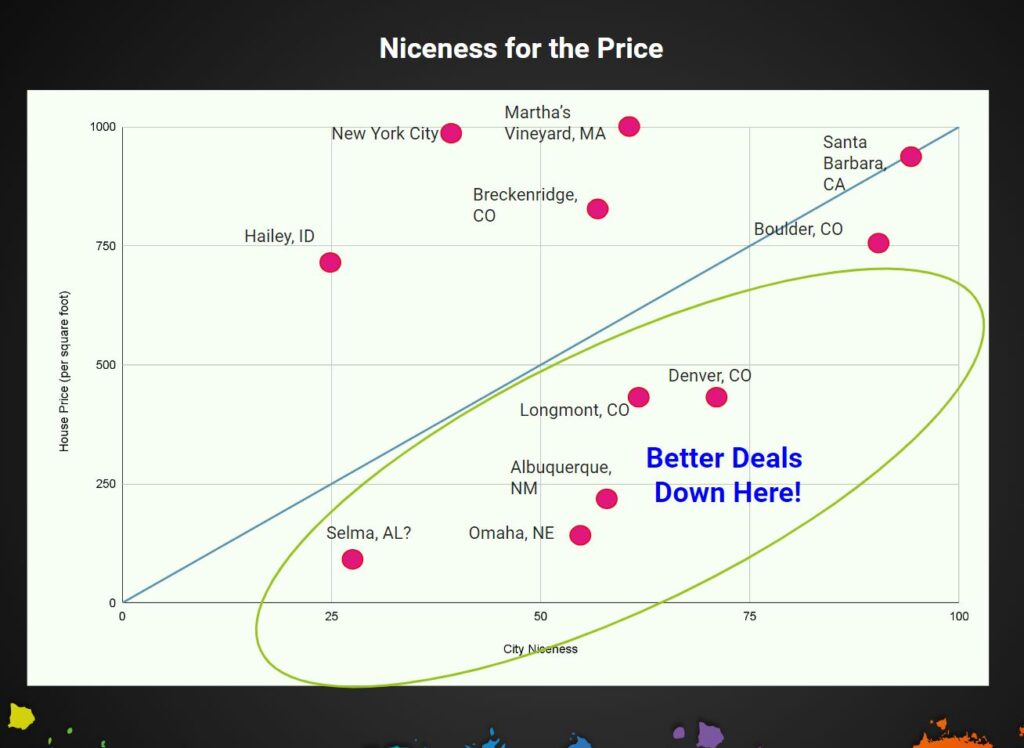
This framework encourages mobility, recognizing that birthright or historical residency in a particular city does not automatically guarantee affordability. Just as one would compare prices for any other major purchase, comparing housing markets is essential. The phenomenon of wildly disparate housing prices—ridiculously high in some areas and surprisingly affordable in others—creates opportunities for those willing to relocate. While a general correlation exists between perceived "niceness" and cost, this correlation is imperfect, allowing for the discovery of undervalued locations that align with personal preferences.
Leveraging Data for Informed Relocation Decisions
To facilitate this strategic relocation, several analytical tools and data sources are invaluable. The FRED database, for example, provides detailed information on the top 1,000 metro areas in the U.S., including price per square foot. This allows individuals to conduct objective comparisons. For instance, a hypothetical analysis comparing Longmont, Colorado (at $450/sq ft), might reveal that for the same or even lower cost, one could find a more desirable living situation in a different city, or a significantly cheaper one with acceptable amenities elsewhere. Albuquerque, New Mexico, might emerge as a more cost-effective option, while Denver, Colorado, could offer a perceived upgrade in lifestyle for a similar price point to Longmont. Boulder, Colorado, though more expensive, might represent the peak of "niceness" for those willing to pay a premium.
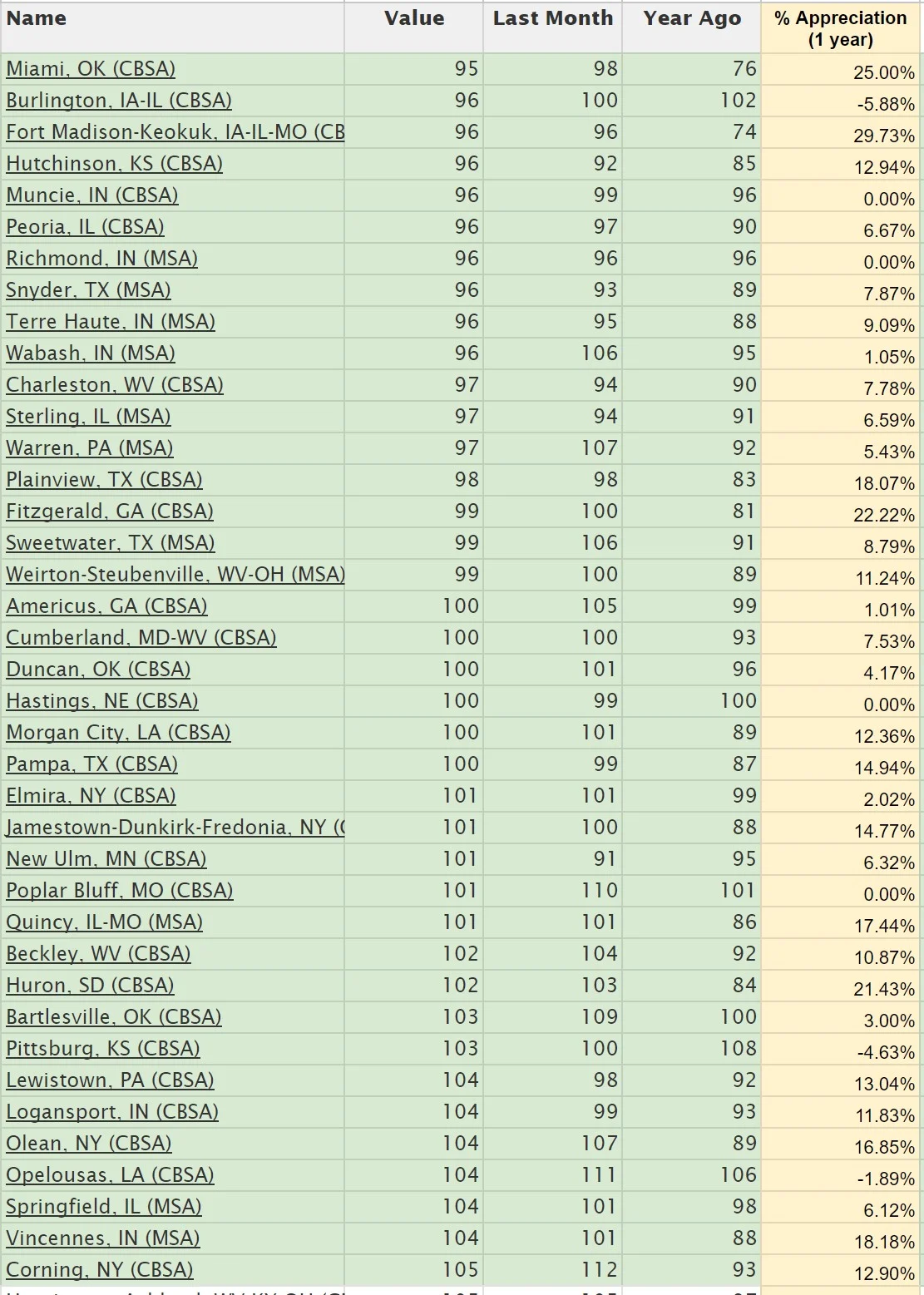
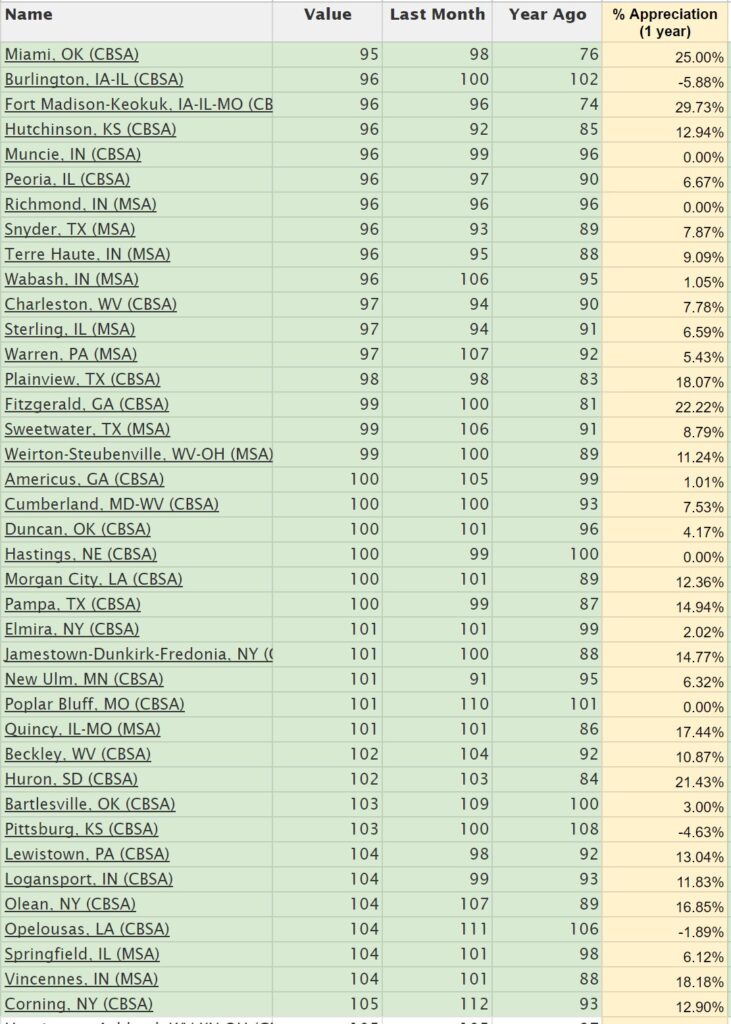
A deeper dive into FRED data, sorting by cost per square foot, quickly identifies bands of affordable cities. For example, metropolitan areas with housing centered around $100 per square foot could offer a 2,000-square-foot home for approximately $200,000. This band includes a diverse array of cities such as Memphis, Tennessee; Oklahoma City, Oklahoma; Toledo, Ohio; and Wichita, Kansas. Including a metric for year-over-year price change provides an additional layer of insight, indicating whether a market is appreciating rapidly or experiencing a plateau, which can influence buying decisions. Such data-driven exploration serves as a crucial starting point, necessitating further qualitative research and in-person visits before a definitive move.
Beyond domestic options, tools like "The Earth Awaits," a site created by FIRE bloggers, expand the scope to international locations. By setting parameters such as geographic area (e.g., North America), monthly budget, family size, apartment type (e.g., two-bedroom outside city center), and even temperature range (e.g., January lows not colder than 10°F), users can generate a list of potential cities that meet their criteria. A search within North America, for example, might highlight cities like Fayetteville, Arkansas; Columbia, Missouri; Athens, Georgia; or Chattanooga, Tennessee. The site’s inclusion of population figures provides an immediate sense of a city’s scale, aiding those who prefer specific community sizes. For instance, someone favoring a town of 50,000-200,000 residents might find these options particularly appealing.
Global Horizons: International Geographical Arbitrage
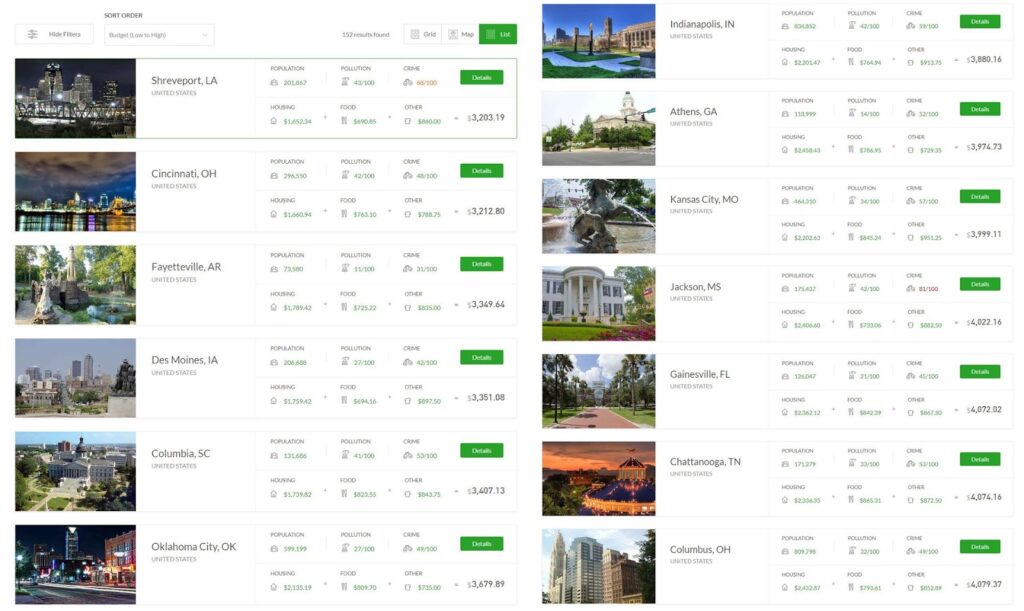
For those with a more adventurous spirit, international geographical arbitrage presents even more significant opportunities for cost reduction and lifestyle enhancement. Repeating the "Earth Awaits" search for South America, for example, reveals numerous cities offering a significantly lower cost of living. Locations such as Medellín, Colombia; Cuenca, Ecuador; or Buenos Aires, Argentina, often appear on such lists, presenting compelling cases for a FIRE-friendly lifestyle.
While moving to a new country introduces a new layer of complexity—navigating immigration laws, securing visas, adapting to different legal systems, cultural norms, and language barriers—these challenges are often framed as "Adulting Puzzles" rather than insurmountable obstacles. The effort involved in managing paperwork, making phone calls, and visiting official offices, while potentially perceived as a "hassle," pales in comparison to the "hassle" of working an additional 15 years to afford an expensive lifestyle in a less desirable location. The long-term rewards, including a dramatically reduced cost of living, richer cultural experiences, and accelerated progress toward financial independence, often far outweigh the initial logistical hurdles.
The ultimate choice of living environment—encompassing local culture, access to nature, urban amenities, and climate—is arguably one of the most critical determinants of overall happiness. While cost is merely one factor, a careful and data-informed decision can significantly enhance one’s quality of life and accelerate the journey to financial independence. The power lies in recognizing that housing, like most aspects of life, is a dynamic choice, and investing thought and effort into this decision yields substantial rewards. The evolving economic landscape necessitates adaptability, making geographical arbitrage not just a niche strategy, but an increasingly central tenet for the modern FIRE movement.

