
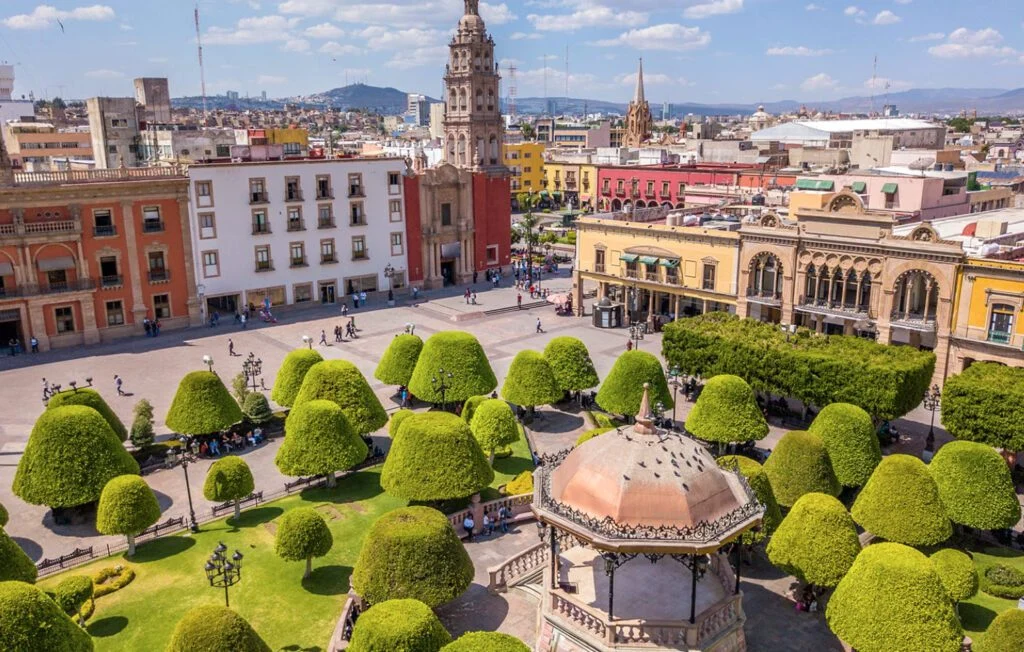
Bev Bachel, a freelance writer and aspiring expat, shares insights from her long-time friend, Anne Nicolai, who transitioned from a corporate career in Minnesota to a vibrant life as a freelance writer and karaoke host in San Miguel de Allende, Mexico, since 2008. Nicolai’s journey offers a compelling perspective on the motivations and practicalities of retiring abroad, highlighting a growing trend among American seniors seeking new horizons. This report delves into Nicolai’s five key lessons, contextualized within the broader landscape of expatriation and retirement.
The Rise of the American Expatriate Retiree
The phenomenon of American retirees choosing to live outside their native country is not a new one, but it has seen a steady increase in recent decades. Factors such as the rising cost of living in the United States, the desire for a lower cost of healthcare, a yearning for different cultural experiences, and the pursuit of a more relaxed pace of life have all contributed to this trend. According to a 2022 survey by International Living, Mexico, Panama, Ecuador, and Costa Rica consistently rank among the top destinations for American retirees, primarily due to their affordability, established expat communities, and accessible healthcare systems. Nicolai’s experience in San Miguel de Allende, a colonial city renowned for its art scene, rich history, and large expat population, exemplifies the appeal of these locations. Her decision in 2008 to leave a full-time corporate job and a familiar life in Minnesota for a freelance career and a new adventure in Mexico reflects a desire for personal growth and a departure from conventional retirement paths.
Learning #1: Unlocking Untapped Personal Capabilities
Nicolai’s first profound lesson centers on the realization of one’s own latent capabilities, often underestimated by individuals themselves. "You are capable of more than you give yourself credit for," she asserts. Her initial years in Mexico were marked by the challenges inherent in navigating a new language and culture. She recounts struggling with basic Spanish phrases, converting currency in her head, and feeling self-conscious about her dancing abilities.
However, over fourteen years, Nicolai has not only mastered Spanish to a bilingual level but has also become a confident karaoke host and an adept dancer. Her daily life now operates in pesos, a testament to her complete immersion and adaptation. Beyond linguistic and social achievements, Nicolai has successfully managed complex bureaucratic processes, including multiple visa renewals and the acquisition of permanent residency. This involved navigating the intricacies of the Mexican immigration system, which often requires persistence and meticulous attention to detail. Her experience highlights that such administrative hurdles, while daunting, are surmountable with determination.
Furthermore, Nicolai has undertaken numerous solo road trips between San Miguel de Allende and Minneapolis, a journey spanning thousands of miles. These extensive drives have exposed her to unforeseen challenges, from getting lost to encountering instances of attempted bribery. Each incident, she notes, served to "stretch my comfort zone." This aspect of her experience underscores a crucial element of expatriation: the forging of resilience and self-reliance through confronting and overcoming adversity. The ability to adapt to unexpected situations and to find solutions independently is a significant personal dividend of living abroad. The psychological impact of successfully navigating these challenges can lead to a profound sense of accomplishment and increased self-efficacy, transforming an individual’s perception of their own capabilities.
Learning #2: The Strategic Advantage of Community and Safety
The second lesson Nicolai imparts is the critical importance of "safety in numbers," particularly when relocating to an unfamiliar country. She acknowledges that living abroad necessitates adopting enhanced safety and security measures beyond what one might be accustomed to in their home country. In Mexico, as in many parts of the world, visible security measures such as decorative ironwork on windows and doors, and reinforced garden walls are common deterrents against break-ins. The understanding that personal belongings, like cell phones or laptops, are vulnerable to theft, even in brief moments, requires a heightened awareness of one’s surroundings. Similarly, navigating unfamiliar urban environments after dark necessitates careful consideration of well-lit routes and the avoidance of isolated areas.
However, Nicolai emphasizes that expatriates are not isolated in their safety concerns. By choosing locations with established expat communities, individuals can benefit from existing security infrastructures and a supportive network. In San Miguel de Allende, for instance, emergency services are accessible in English, and there is a direct hotline to the American consular agency, providing a crucial lifeline in times of crisis. The presence of a significant expat population also often leads to a higher degree of English proficiency among local service providers and residents, facilitating communication and integration.
Nicolai’s personal choice to live in an entirely Spanish-speaking neighborhood, rather than a gated expat community, demonstrates a nuanced approach to safety. For her, safety is deeply intertwined with building strong relationships with her neighbors. This proximity and familiarity foster a sense of mutual reliance, where knocking on a neighbor’s door in a time of need is met with support and assistance. This illustrates that safety is not solely about physical security measures but also about the social capital cultivated within a community. The formation of these bonds, both within expat circles and with the local population, provides a layered approach to personal security, offering both practical assistance and emotional reassurance. This social integration is a vital component of a successful and secure expatriate life.
Learning #3: Technology as a Bridge to Connection and Information
The third pivotal lesson highlights the indispensable role of technology in maintaining connections and accessing resources while living abroad. Nicolai states, "Technology will keep you connected." The pervasive availability of high-speed internet and affordable mobile services globally means that distance is no longer an insurmountable barrier to communication. Applications like WhatsApp, Duo, and FaceTime offer free voice and video calls, enabling expatriates to participate virtually in family milestones, such as birthdays and holidays, and to maintain regular contact with loved ones.
Beyond personal connections, technology has revolutionized access to essential services. Virtual healthcare options allow for remote consultations with doctors and therapists, bridging geographical divides. Managing financial affairs, such as paying bills and receiving direct deposits for Social Security benefits into foreign bank accounts, is streamlined through online banking platforms. These technological advancements significantly reduce the logistical complexities of managing affairs back home, making expatriation more feasible and less stressful.
Furthermore, technology serves as a vital tool for integration into the new community. Online platforms, particularly expat forums on social media, act as hubs for information exchange. These forums provide real-time updates on local events, garage sales, crime alerts, and recommendations for goods and services. For instance, in San Miguel de Allende, these digital networks are instrumental in helping residents find specialized items or stay informed about community happenings. Navigation apps like Google Maps and Waze, when combined with reliable internet access, empower individuals to explore their surroundings with confidence, easily locating shops, restaurants, and public transportation hubs. This seamless integration of technology into daily life not only enhances convenience but also fosters a sense of belonging and active participation in the local environment.
Learning #4: Cultural Immersion as a Catalyst for Personal Transformation
Nicolai’s fourth lesson underscores the transformative power of immersing oneself in a different culture, asserting that it "will change you for the better." Her move to Mexico was driven by a desire for more sunshine, vibrant colors, ethnic diversity, and the intellectual stimulation of learning a new language. As a self-described "Type A" American, accustomed to a consumerist lifestyle that included a large home, multiple cars, and frequent indulgence in expensive dining, she recognized the potential for a shift in her values and priorities.
After 14 years in Mexico, Nicolai has cultivated virtues such as patience, humility, and simplicity. Her material desires have significantly diminished; she rarely feels the need to purchase anything beyond food and karaoke music. The majority of her wardrobe dates back to her initial move, and her clothing still fits largely due to her increased physical activity. Living in Mexico has naturally encouraged more walking, dancing, and a healthier diet, contributing to her sustained well-being. This personal transformation is not unique to her experience; many expats across the globe report similar shifts in lifestyle and perspective.
The profound impact of cultural immersion extends beyond personal habits to a reevaluation of one’s relationship with consumerism and a greater appreciation for experiences over possessions. This shift often leads to a more mindful and contented existence. The intellectual challenge of learning a new language and understanding different social customs can also stimulate cognitive function and foster a broader worldview. The acceptance of a slower pace of life, often characteristic of many expat destinations, can reduce stress and improve overall quality of life. This embrace of simplicity and a focus on intrinsic values, rather than external markers of success, represents a significant personal evolution.
Learning #5: The Freedom of Choice and the Assurance of Return
The final, and perhaps most reassuring, lesson from Nicolai is the fundamental understanding that "You can always go home." This lesson addresses a common apprehension associated with expatriation: the fear of being permanently estranged from one’s home country or the feeling of making an irreversible decision. Nicolai points to numerous retirees in their eighties and nineties who have lived in Mexico for over three decades, demonstrating the long-term viability of expatriate life. Concurrently, she notes an equal number of individuals who, after selling their possessions and relocating, have chosen to return to their home countries due to health reasons, a desire to be closer to family, or simply a change in life circumstances.
This fluidity in expat trajectories highlights that retirement abroad is not a rigid, all-or-nothing proposition. Nicolai’s perspective frames the decision as one of "trial and error, not success or failure." There is no singular "right" way or "perfect" time to retire, nor is there a definitive "right" or "wrong" place. The emphasis is on personal exploration and adaptation.
For Nicolai, Mexico has become home, but this does not preclude the possibility of returning to the United States. Her current plan is to remain in Mexico, but she acknowledges the freedom to relocate to another part of the world if her desires or needs change. This sense of agency is crucial. Many individuals choose expatriation to reinvent themselves, to heal from personal traumas, or to pursue long-held passions, such as art or music. Nicolai’s own motivation stemmed from a desire to escape cold winters and embrace a new adventure. The ongoing visits from friends and family underscore that geographic distance does not necessitate emotional isolation. The assurance that one can, if necessary, return to familiar surroundings or seek a different environment provides a crucial safety net, empowering individuals to take the leap into expatriation with greater confidence and less apprehension. The concept of "home" becomes more fluid, encompassing not just a physical location but also a sense of belonging and personal fulfillment, which can be found in multiple places throughout one’s life. This understanding liberates individuals to explore the world with a sense of adventure and self-determination.

