
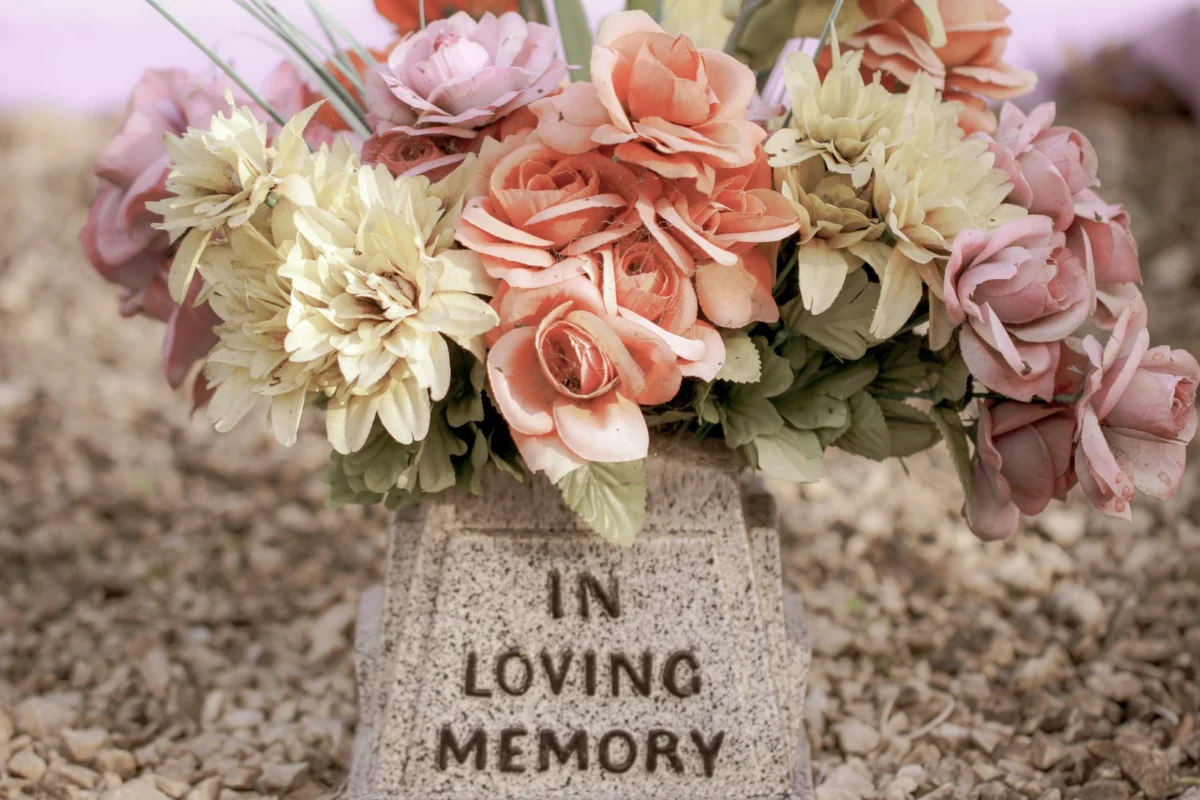
The landscape of remembrance is undergoing a profound transformation, shifting away from conventional, often costly, monuments towards deeply personal, budget-friendly tributes that resonate with an individual’s unique life and legacy. This evolving approach recognizes that the most powerful memorials are not necessarily the most elaborate, but rather those that genuinely reflect the personality, interests, and impact of the departed, offering solace and a tangible connection to grieving families.
The Evolving Landscape of Remembrance
Historical Context of Memorial Practices
Humanity’s need to memorialize its dead is as ancient as civilization itself. From the megalithic structures of prehistoric times to the grand pyramids of ancient Egypt, elaborate tombs of Roman emperors, and the ornate cemeteries of the Victorian era, societies have consistently sought ways to honor and remember their deceased. Historically, memorialization was often intertwined with religious beliefs, societal status, and collective rituals, serving as a public declaration of loss and a testament to the deceased’s place within the community. The 19th and early 20th centuries, in particular, saw the rise of large, often somber, cemeteries and headstones, solidifying a traditional image of memorialization that largely persists in popular culture. These practices, while deeply rooted, often came with significant financial and logistical burdens, dictating a largely uniform approach to saying goodbye.
Modern Shifts: Demographics and Economics
The 21st century has ushered in a period of significant change, driven by evolving demographics, economic realities, and a growing desire for individuality. One of the most striking shifts is the rise in cremation rates. According to the National Funeral Directors Association (NFDA), the cremation rate in the United States surpassed 50% in 2016 and is projected to reach nearly 80% by 2040. This contrasts sharply with a cremation rate of just 3.5% in 1960. Similar trends are observed globally, particularly in Western countries. This shift is influenced by several factors: lower costs associated with cremation compared to traditional burial, environmental concerns, changing religious beliefs, and increased mobility of families who may not reside near traditional burial plots.
Accompanying this trend is the escalating cost of traditional funerals. A 2021 report by the NFDA indicated the median cost of a funeral with viewing and burial to be approximately $7,848, a figure that often does not include cemetery costs, monument fees, or other discretionary items, pushing the total much higher, often exceeding $10,000-$15,000. These financial pressures, coupled with a growing consumer demand for more personalized and less formal ways to honor loved ones, have created fertile ground for alternative memorialization practices. A survey conducted by Homesteaders Life Company revealed that over 70% of respondents desire a funeral or memorial service that reflects their personality and interests, indicating a strong preference for personalization over rigid tradition. This signals a cultural movement towards more intimate, individualized tributes that prioritize meaning and connection over grandeur and expense.
The Psychology of Personalized Grief
The Therapeutic Value of Tangible Tributes
Grief is a complex, deeply personal journey, and for many, the presence of tangible reminders of a loved one can be profoundly therapeutic. Psychologists and grief counselors often emphasize that mourning is not about forgetting but about learning to live with the loss and integrating the memory of the deceased into one’s ongoing life. Personalized memorials provide a crucial anchor for those navigating loss, transforming abstract grief into a tangible connection that supports healing. Dr. Emily Johnson, a clinical psychologist specializing in grief, notes, "Having a physical object or a dedicated space that evokes memories of a loved one can provide immense comfort. It serves as a focal point for remembrance, allowing individuals to process their emotions and maintain a sense of continuity with the person they’ve lost." These tangible connections can ease the pain of absence by providing a concrete link to the past, affirming the significance of the relationship, and offering a means to express ongoing love.
Maintaining Connection in Loss
Beyond immediate comfort, personalized memorials play a vital role in maintaining a continuing bond with the deceased. This concept, known as "continuing bonds theory," suggests that healthy grieving involves finding ways to sustain a connection with the loved one who has died, rather than severing ties. Whether through a keepsake, a shared tradition, or a dedicated remembrance space, these practices allow individuals to integrate the memory of the deceased into their present lives in a meaningful way. This isn’t about denial, but about recognizing that love and relationships do not end with death. For instance, a mother wearing a necklace containing a small portion of her child’s ashes or a family gathering annually to visit a loved one’s favorite hiking trail are both actively engaging in continuing bonds, affirming that the deceased remains a part of their emotional and psychological landscape. This proactive engagement with memory can foster resilience, reduce feelings of isolation, and promote a healthier long-term adjustment to loss.
Crafting Meaningful Tributes: Affordable and Creative Approaches
The desire for personalization and affordability has spurred a wave of innovative memorialization options. These creative approaches offer diverse ways to honor a loved one without incurring prohibitive costs, focusing instead on sentiment and individual connection.
Personal Keepsakes: A Tangible Link
Personal keepsakes are tangible items that represent a deep connection with the person lost. These can range from cherished possessions of the deceased to specially crafted items designed to hold a portion of cremated remains or symbolize their presence. Small keepsake urns, for instance, are a popular choice, allowing multiple family members to each hold a portion of cremated remains. These urns come in myriad designs, reflecting different interests, personalities, faiths, or favorite colors, making each one a unique tribute. Susan Fraser from In The Light Urns highlights this trend, stating, "A memorial doesn’t have to be elaborate or expensive to be meaningful. A personalized urn or keepsake can be a beautiful way to honor your loved one, providing comfort and a constant reminder of their presence."
Beyond urns, personalized jewelry, such as pendants or rings designed to hold a tiny amount of ash or a lock of hair, offers a discreet and intimate way to keep a loved one close. Memorial diamonds, created from cremated remains, represent another high-end but deeply personal keepsake. On a more accessible note, everyday items can be transformed into personalized keepsakes. A favorite t-shirt can be embroidered with a meaningful date, a baseball signed by a loved one can be displayed in a personalized case, or a music box can be engraved with a special message. The key is to select an item that held significance to the individual or the relationship, thereby imbuing it with profound meaning.
Digital and Archival Legacies: Preserving Stories
In an increasingly digital age, preserving photos and family stories has become an accessible and powerful way to keep a loved one’s legacy alive. Custom-made photo books, digital scrapbooks, and traditional physical scrapbooks offer platforms to compile images, letters, cards, and other small mementos that represent special moments. These curated collections not only provide comfort but also serve as invaluable historical records for future generations.
An increasingly popular and deeply communal approach involves collecting memories from friends and relatives. This can take several forms:
- Memory Jar: Guests at a memorial service or family gatherings can write down their favorite memories, anecdotes, or messages for the deceased and place them in a decorative jar. These notes can then be read aloud on special occasions, fostering collective remembrance and shared grief.
- Video Tributes: Asking friends and family to record short video clips sharing their favorite memories or stories can create a powerful and dynamic tribute. These videos can be compiled into a longer film to be played at a memorial celebration or shared privately, capturing not just words but also the emotion and voice of those remembering.
- Online Memorial Pages: Websites dedicated to memorializing individuals allow for a centralized digital repository of photos, stories, videos, and messages. These platforms can be public or private, offering a global reach for those who wish to contribute or remember, irrespective of geographical barriers.
The creation of such archives, whether physical or digital, actively engages the grieving community and ensures that the narrative of the loved one’s life continues to be told and cherished.
Creating Sacred Spaces at Home
A dedicated memorial space within the home offers a private, accessible area for reflection and remembrance. This doesn’t require extensive renovation or cost. It can be as simple as a specific shelf, a small corner table in a bedroom, or a quiet nook in the living room. The essence lies in its intentionality and personalization. Begin by placing a cherished photograph of the loved one, then surround it with items that held significance for them or for the relationship. This might include a favorite book, a small piece of art, a souvenir from a shared trip, or a candle. The decorations can remain constant or be adapted seasonally or for holidays, reflecting the changing nature of remembrance and keeping the space vibrant. Such a space serves as a daily reminder, a quiet sanctuary where one can feel close to the departed, offering comfort and a place for contemplative thought.
Handmade Memorials: Artistry and Heart
For those with a creative inclination, crafting a handmade memorial item can be an incredibly therapeutic and personal way to honor a loved one. The act of creation itself can be a powerful channel for grief, transforming sorrow into a tangible expression of love. The beauty of handmade items lies in their uniqueness and the personal effort invested. Examples include:
- Memory Quilts or Patches: Pieces of a loved one’s clothing (e.g., shirts, ties, scarves) can be sewn into a commemorative quilt or smaller patches, creating a comforting item that carries their scent and texture.
- Painted Memorial Stones: A smooth river stone can be painted with the loved one’s name, a significant date, a meaningful quote, or a symbol that represents them. These can be placed in a garden, on a shelf, or at a special outdoor location.
- Framed Writings or Art: A handwritten note, a favorite poem, or a piece of art created by the deceased can be beautifully framed, perhaps with a frame painted in their favorite colors.
- Memorial Jewelry: While professional memorial jewelry exists, simple pieces can be made at home, such as a necklace incorporating a small, meaningful charm or bead.
The value of a handmade memorial is not in its perfection, but in the love and intention woven into its creation. As one craft therapist, Dr. Clara Jenkins, suggests, "The act of creating a memorial by hand can be incredibly cathartic, channeling grief into a tangible expression of love and remembrance. It allows for a unique connection to the deceased through the creative process."
Establishing Enduring Traditions
Creating a new tradition in honor of a loved one offers a dynamic and often communal way to keep their memory alive. These traditions can be simple, repeatable, and easily shared with family and friends, fostering collective remembrance. Examples include:
- Culinary Remembrance: Cooking the loved one’s favorite meal on their birthday or a significant anniversary. This can become a family gathering, sharing stories and flavors associated with the departed.
- Visiting Special Places: Making an annual pilgrimage to their favorite park, beach, hiking trail, or coffee shop. These visits reconnect individuals with places that held joy for the loved one.
- Acts of Service: Donating a small amount of money or volunteering time to a cause or charity they supported. This transforms grief into positive action and continues their impact on the world.
- Lighting a Candle: A simple tradition of lighting a candle on specific dates (e.g., anniversary of birth or death) can provide a quiet moment of reflection and collective acknowledgment of their enduring presence.
These traditions, whether solitary or shared, provide a structure for remembrance, allowing grief to be acknowledged and integrated into the fabric of ongoing life, ensuring that the loved one’s spirit continues to influence and inspire.
The Broader Implications: Accessibility, Sustainability, and Personal Agency
The growing trend towards personalized and affordable memorialization carries significant broader implications for society, touching upon issues of accessibility, environmental impact, and individual empowerment.
Democratizing Remembrance
Perhaps one of the most significant impacts of these alternative memorial practices is the democratization of remembrance. Traditional funerals and burials, with their often-exorbitant costs, can create a barrier for families of limited financial means, adding the burden of debt to the weight of grief. Affordable and creative options ensure that every individual, regardless of their socioeconomic status, can receive a meaningful and dignified tribute. This shift fosters a more inclusive approach to mourning, where the depth of love and respect is measured not by expenditure, but by personal connection and heartfelt effort. It allows communities to focus on the person’s life and legacy rather than the financial strain of their departure.
Environmental Considerations
While not always explicitly designed as such, many personalized and alternative memorial options tend to be more environmentally friendly than traditional burial practices. Traditional burials involve embalming (which uses chemicals like formaldehyde), casket manufacturing (consuming wood and metals), and extensive land use for cemeteries. Cremation, while having its own environmental footprint, is often seen as a less resource-intensive option, and the subsequent use of biodegradable urns or the scattering of ashes can further minimize impact. Handmade memorials and established traditions, by their very nature, often have a negligible environmental footprint, aligning with a broader societal movement towards sustainability and eco-conscious living.
Empowering Grievers
Ultimately, the shift towards personalized memorialization empowers individuals and families to reclaim agency in their grief journey. Moving away from prescriptive norms dictated by tradition or industry, families are increasingly able to design memorial experiences that genuinely reflect their loved one’s unique life and their own grieving process. This personal agency can be incredibly validating and healing, allowing grievers to actively participate in shaping how their loved one is remembered. It moves away from a "one-size-fits-all" approach to a model that respects the diversity of human experience and the profound individuality of each life lost.
Conclusion
The evolution of memorialization reflects a deeper societal understanding of grief, individuality, and the enduring power of human connection. While grand monuments have their place, the modern era champions a more intimate, accessible, and personalized approach to remembrance. The true value of a memorial lies not in its cost or grandeur, but in its ability to genuinely reflect the life and legacy of the person it honors, offering comfort and connection to those left behind. By embracing creative keepsakes, preserving stories, establishing sacred spaces, crafting handmade tributes, and forging new traditions, individuals and families are finding profound ways to keep the memory of their loved ones vibrant and alive, ensuring that their impact continues to resonate through generations.

