
Speculation has reached a fever pitch following the clandestine trip by CIA Director John Ratcliffe to Moscow on Tuesday, August 25, 2026, a visit shrouded in secrecy and immediately fueling intense debate regarding its true purpose. The unexpected diplomatic foray by one of the United States’ most senior intelligence officials to the heart of a geopolitical rival has ignited a flurry of analyses from global security experts, former diplomats, and international media outlets, each attempting to decipher the urgent message Ratcliffe was tasked to deliver to top Kremlin intelligence counterparts.
The Official Washington Narrative: A Warning to NATO’s Eastern Flank
The initial "official" narrative regarding Ratcliffe’s unannounced trip emerged swiftly on Wednesday, August 26, 2026, articulated through a report in The Wall Street Journal. Citing unnamed individuals "briefed on the visit," the publication stated that Director Ratcliffe’s primary objective was to issue a stark "warning to Russia not to attack NATO countries." This assertion immediately prompted widespread media analysis focusing on the vulnerability of smaller "eastern flank" NATO members, specifically Estonia, Latvia, and Lithuania, collectively known as the Baltic states. These nations, sharing borders with Russia, have long been perceived as potential flashpoints in the ongoing geopolitical friction between Moscow and the Western alliance. The timing of this alleged warning was particularly pertinent, given the steadily increasing military and financial support from European nations to Ukraine, a dynamic that has further exacerbated tensions with Russia.
The implications of such a warning, if accurate, are profound. It would signal a direct and high-level communication of red lines from Washington to Moscow, underscoring the United States’ unwavering commitment to Article 5 of the NATO treaty, which stipulates that an attack on one member state is considered an attack on all. For years, the security of the Baltic states has been a cornerstone of NATO’s defensive posture, with the alliance deploying enhanced Forward Presence (eFP) battlegroups to the region since 2017, comprised of multinational forces intended to deter potential Russian aggression and demonstrate collective defense capabilities. A direct warning from the CIA Director would elevate this commitment to an unprecedented level of urgency, moving beyond conventional diplomatic channels to the realm of covert intelligence exchanges.
An Alternative Perspective: The Iran Connection
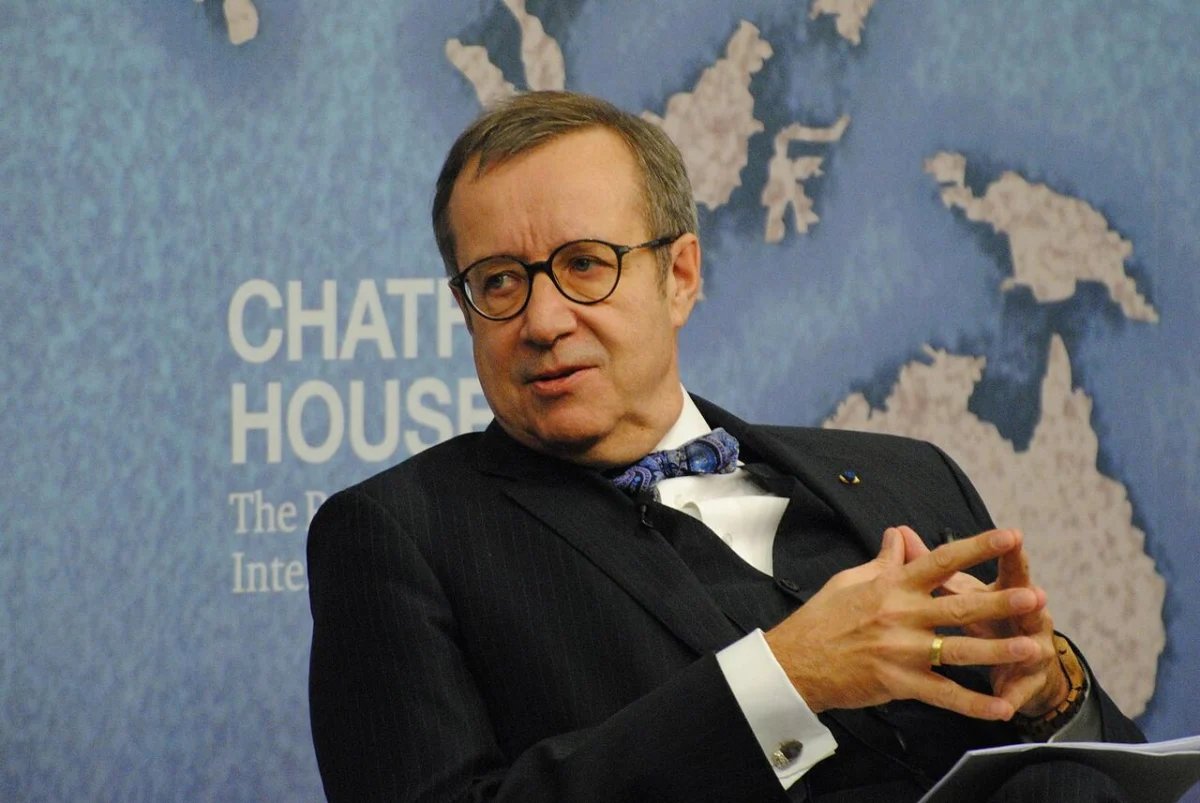
However, the official explanation quickly encountered skepticism, particularly from influential European security figures. On Thursday, August 27, 2026, former Estonian President Toomas Hendrik Ilves (who served from 2006 to 2016), a respected voice in European security debates and a member of various EU task forces, presented a compelling alternative theory. In a freshly published interview with EuroNews, Ilves expressed "severe doubts" that concerns over aggression against the Baltic states were the true motivation behind Ratcliffe’s high-stakes visit.
According to Ilves, the "real problem for the United States right now" lies not in Europe’s eastern flank, but in the volatile Middle East, specifically concerning Iran. "The real problem is Iran, the fact that the Russians are giving targeting information to the Iranians," Ilves asserted. He further elaborated, "Those are real problems for the United States, and that would be sufficient to warrant the director of the CIA to go to Moscow to tell them to back off."
This alternative theory posits a far more direct and potentially explosive confrontation between US and Russian interests, centered on Iran’s military capabilities and its perceived threat to American assets in the region. For several months leading up to Ratcliffe’s trip, US intelligence agencies and Trump administration officials have consistently alleged that Russia has been providing significant assistance to Iranian forces, particularly in identifying and locating US military assets across the Middle East. These allegations gained traction amid reports of sophisticated Iranian targeting capabilities, which at times appeared to directly challenge US intelligence operations, including alleged targeting of CIA stations during the broader military engagements referred to as "Operation Epic Fury."
Chronology of a Covert Diplomatic Enigma
- Tuesday, August 25, 2026: CIA Director John Ratcliffe undertakes an unannounced, surprise trip to Moscow. Details of his itinerary, the precise timing of his arrival and departure, and the specific individuals he met within the Kremlin’s intelligence apparatus remain undisclosed. The covert nature of the visit immediately sparks widespread speculation among international observers.
- Wednesday, August 26, 2026: The Wall Street Journal publishes a report, citing sources "briefed on the visit," stating that Ratcliffe’s mission was to deliver a "warning to Russia not to attack NATO countries." This report becomes the dominant narrative in mainstream Western media, leading to discussions about potential Russian military actions against the Baltic states.
- Late Wednesday/Early Thursday, August 27, 2026: Pundits and security analysts across Europe and North America begin to muse about the vulnerability of small "eastern flank" countries like Estonia, Latvia, and Lithuania, suggesting they could be prime targets for Russian military action, especially as European support for Ukraine intensifies.
- Thursday, August 27, 2026: Former Estonian President Toomas Hendrik Ilves challenges the prevailing narrative in an interview with EuroNews. He expresses "severe doubts" about the NATO warning theory, instead suggesting the trip was focused on Russia’s alleged provision of targeting information to Iran against US assets.
- Thursday, August 27, 2026: Concurrently, Estonian Foreign Minister Margus Tsahkna publicly announces that Estonia’s threat assessment regarding Russian aggression has "not changed," directly contradicting the premise of a heightened threat that would necessitate a CIA Director’s urgent warning. Tsahkna states, "We remain vigilant, but Estonia’s threat assessment has not changed."
- Ongoing: Skepticism regarding the official narrative continues to be voiced by independent journalists and commentators, who highlight the ongoing US-Iran conflict and alleged Russian involvement as a more plausible and pressing concern for high-level US intelligence intervention.
Supporting Data and Geopolitical Context

The claims surrounding Russia’s alleged support for Iran carry significant weight, particularly in the context of recent military developments in the Middle East. Reports indicate that a substantial portion of American military assets and bases stationed in Gulf countries have sustained severe damage earlier in the ongoing conflict, leading to a notable Pentagon troop drawback from exposed forward positions to more secure rear areas. This withdrawal, if linked to sophisticated targeting enabled by Russian intelligence, would represent a major strategic setback for the United States.
The potential provision of "targeting information" by Russia to Iran could encompass a range of critical intelligence, including:
- Satellite Imagery and Reconnaissance Data: High-resolution images and surveillance data of US military installations, troop movements, and logistical hubs.
- Electronic Warfare Intelligence: Data on US electronic signatures, radar frequencies, and communication protocols, enabling Iran to jam or evade US detection systems.
- Cyber Intelligence: Information that could facilitate cyberattacks against US military networks and infrastructure.
- Human Intelligence: Insights into US operational procedures, command structures, and vulnerabilities gleaned from Russian intelligence assets.
Such intelligence, if accurate, would grant Iran a significant tactical advantage, making it more challenging for US forces to operate effectively and safely in the region. The Strait of Hormuz, a critical chokepoint for global oil supplies, and the broader Persian Gulf remain areas of immense strategic importance, where any escalation of conflict carries global economic and political repercussions. The alleged involvement of Russia, and potentially China, in bolstering Iran’s capabilities to "push back American bases and forces" would signify a profound shift in regional power dynamics and a direct challenge to US hegemony.
Furthermore, the backdrop of US-Russia relations is one of profound distrust and strategic competition. Since the annexation of Crimea in 2014 and subsequent interventions in Ukraine and Syria, relations have plummeted to post-Cold War lows. Both nations are engaged in proxy conflicts and intelligence-gathering operations against each other, making a direct, high-level intelligence exchange on such sensitive matters both rare and indicative of extreme urgency. The very act of the CIA Director traveling to Moscow speaks volumes about the gravity of the issues at hand, regardless of the precise agenda.
Official Responses and Their Nuances
Official statements from both Washington and Moscow regarding Ratcliffe’s visit have been predictably terse and unrevealing, adhering to the protocols of intelligence diplomacy.
- United States: The White House and State Department have offered minimal commentary, typically acknowledging a "routine exchange" or declining to comment on intelligence matters. This standard response, while maintaining operational security, also contributes to the information vacuum that fuels speculation.
- Russia: The Kremlin, through its spokespersons, has generally acknowledged the visit of a high-ranking US official without delving into specifics. Russian Foreign Ministry officials might offer broad statements about the necessity of dialogue on "issues of mutual concern" or "international security," again providing little concrete detail.
- NATO: While not directly involved in the bilateral intelligence exchange, NATO officials would likely reiterate the alliance’s commitment to collective defense and vigilance, especially concerning its eastern flank. However, the lack of an immediate, public, and coordinated NATO response to a purported "warning" about its members’ security would lend credence to the skepticism surrounding the official narrative.
- Iran: Iranian officials would almost certainly deny receiving any targeting intelligence from Russia, or conversely, frame any cooperation within the context of legitimate defense partnerships against perceived US aggression, depending on their strategic messaging.
The divergent narratives, particularly the strong denial from former Estonian President Ilves and the Estonian Foreign Minister, introduce a significant element of doubt into the official US explanation. Ilves’s statement, "no change in the US’s threat assessment for the Baltic states," is a direct counter-argument. He further underscored, "If the purpose was to go and genuinely tell the Russians not to do anything in the Baltic states, as was claimed, then there would be some kind of activity here." This implies a lack of heightened alert or visible defensive measures in the Baltics that would typically accompany such a severe warning. Foreign Minister Margus Tsahkna’s parallel confirmation of an unchanged threat assessment further strengthens this alternative viewpoint, suggesting that the public posture of Estonian leadership does not align with the gravity of the alleged NATO warning.
Broader Impact and Implications
The mystery surrounding Director Ratcliffe’s Moscow trip highlights several critical aspects of contemporary international relations:
- The Nature of Intelligence Diplomacy: High-level, covert intelligence exchanges are often the only channels available for direct communication between adversaries during periods of extreme tension. They allow for the conveyance of messages that cannot be delivered through overt diplomatic means, potentially averting miscalculation or escalation.
- The Battle of Narratives: The immediate emergence of conflicting narratives underscores the sophisticated information warfare prevalent in modern geopolitics. Both sides (and their proxies) seek to control the public understanding of events, often using carefully crafted leaks or official statements to shape perceptions and achieve strategic objectives. The former Estonian President himself suggested, "I don’t think it’s a false flag, but rather just kind of make something up to divert attention from what is the real problem that the US faces right now." This implies a deliberate obfuscation of the true agenda to manage public perception or protect sensitive intelligence operations.
- Regional Stability:
- If the NATO warning is true: It signifies a tangible increase in the perceived threat to NATO’s eastern members and reinforces the alliance’s determination to defend its territory. It could lead to further militarization of border regions and increased exercises.
- If the Iran focus is true: It points to a severe escalation of the proxy conflict in the Middle East, potentially bringing the US and Russia closer to direct confrontation. It would force a reassessment of US military strategy in the Gulf and potentially lead to more aggressive counter-intelligence measures against Russian activities.
- US Foreign Policy and Credibility: The inability to definitively ascertain the reason for such a high-profile visit can undermine public trust in official narratives and raise questions about the transparency and effectiveness of US foreign policy. It forces analysts to consider which geopolitical front is truly demanding Washington’s most urgent attention.
- The Role of Independent Voices: The willingness of figures like former President Ilves to publicly challenge official US narratives provides crucial counterpoints, forcing a deeper examination of complex international events beyond simplified government statements.
Ultimately, Director Ratcliffe’s surprise Moscow visit serves as a stark reminder of the intricate, often opaque, nature of global power struggles. Whether it was a dramatic warning to protect NATO’s periphery or an urgent plea to halt Russian assistance to a critical US adversary, the episode underscores the precarious balance of power and the constant, high-stakes maneuvering that defines the current international landscape. The true objective of the visit may remain officially undisclosed for years, if ever, but its immediate impact has been to intensify scrutiny on two of the world’s most volatile regions: Eastern Europe and the Middle East.

