
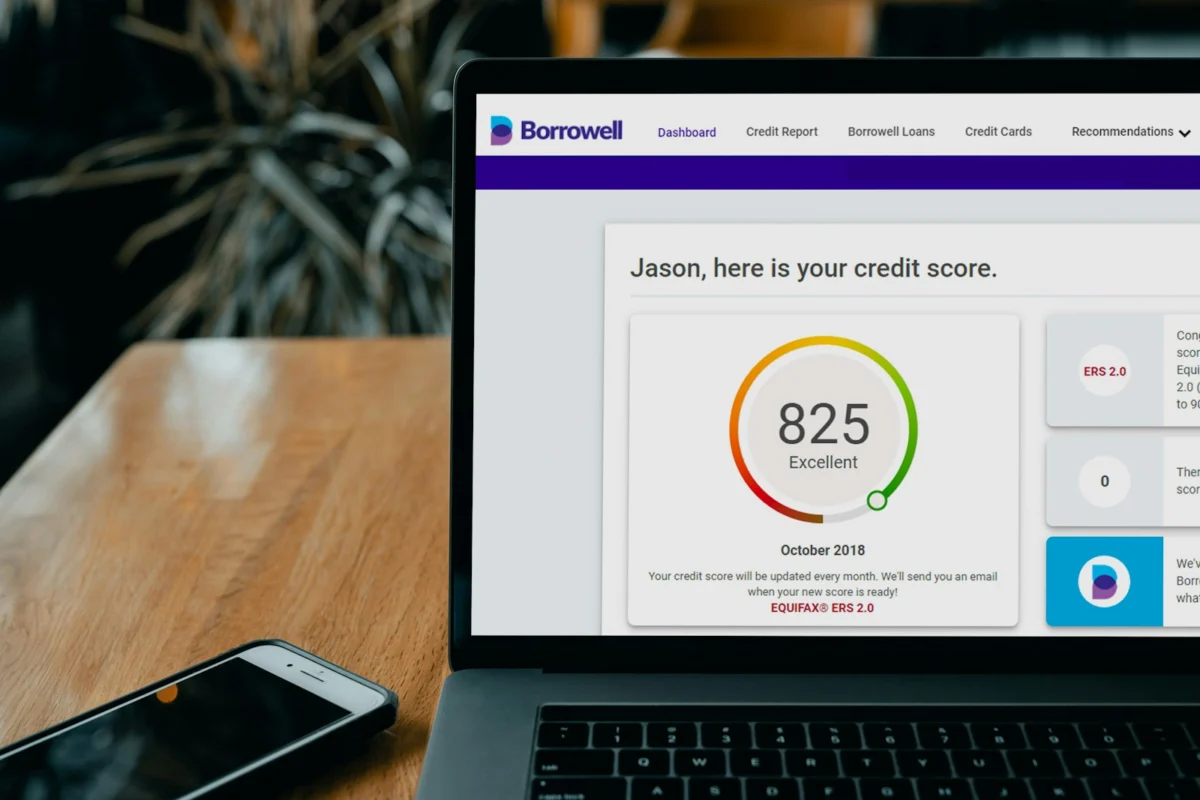
Your credit score, often an elusive three-digit number, serves as a critical barometer of your financial responsibility, profoundly influencing your access to credit, housing, and even employment opportunities. This numerical summary of your money management skills is an indispensable tool for lenders, landlords, and service providers seeking to assess your creditworthiness. Its impact can translate into thousands of dollars saved or spent over a lifetime through varying interest rates and loan terms, making the question of what constitutes a "good" credit score paramount for consumers navigating the modern financial landscape.
The Genesis and Evolution of Credit Scoring: FICO’s Dominance and VantageScore’s Ascent
The concept of a standardized credit score emerged from the need for a uniform, objective, and efficient method for lenders to evaluate risk. Prior to automated scoring, lending decisions were often subjective and time-consuming, relying heavily on manual review of credit files. The advent of credit scoring revolutionized this process, introducing a data-driven approach that benefits both lenders by streamlining decisions and consumers by providing clear metrics for financial performance.
FICO: The Industry Standard
The Fair Isaac Corporation (FICO) pioneered credit scoring with the introduction of its first generalized credit score in 1958. However, it was its widespread adoption by major lenders in 1989 that solidified FICO’s position as the industry benchmark. Today, an estimated 90% of top lenders and creditors across various sectors, including mortgage, auto, and credit card companies, continue to rely on FICO scores for their lending decisions. This enduring dominance is a testament to the model’s robustness and predictive accuracy.
FICO scores typically range from 300 to 850. Over the decades, FICO has continuously refined its algorithms, introducing various versions (e.g., FICO 8, FICO 9, FICO Auto Score, FICO Bankcard Score) tailored to specific lending products. While the underlying principles remain consistent, these specialized scores adjust the weighting of certain factors to better predict risk for particular types of loans. Consumers can often access their FICO score through their banks or credit card providers, or directly via services like myFICO, which also offers credit monitoring and identity theft protection.
VantageScore: A Modern Alternative

Recognizing the need for an alternative and to provide more competition in the credit scoring market, the three major credit bureaus—Experian, Equifax, and TransUnion—collaborated to launch VantageScore in 2006. Initially, VantageScore used a different scoring range, which sometimes caused confusion among consumers. However, with the release of VantageScore 3.0 in 2013, it adopted the familiar 300-850 range, aligning itself with FICO for easier comparison.
VantageScore models, particularly the latest VantageScore 4.0, have introduced several innovations. These include giving less weight to medical debt and analyzing credit utilization as a trend over time rather than a single snapshot. This "trended data" approach provides a more nuanced view of a borrower’s financial behavior, potentially benefiting those with fluctuating balances. Services like Credit Karma often provide VantageScores to consumers free of charge, offering a valuable gauge of their credit health even if lenders primarily use FICO. While FICO remains the most prevalent, VantageScore’s adoption is growing, especially among a segment of lenders and for consumer-facing credit monitoring tools.
The Role of Credit Bureaus
It is crucial to distinguish between credit scoring models and credit bureaus. Experian, Equifax, and TransUnion are the primary credit bureaus in the United States. They are responsible for collecting and maintaining vast databases of consumers’ credit histories, including payment records, outstanding debts, and credit inquiries. These bureaus do not calculate your credit score themselves; rather, they provide the raw data to scoring models like FICO and VantageScore, which then apply their proprietary algorithms to generate a score. Each bureau may have slightly different information, leading to variations in the scores derived from their data. The Fair Credit Reporting Act (FCRA) is a federal law designed to promote the accuracy, fairness, and privacy of information in the files of consumer reporting agencies. It grants consumers the right to access their credit reports annually for free and to dispute inaccurate information.
Decoding the Numbers: What Defines a "Good" Credit Score?
While the exact thresholds can vary slightly between FICO and VantageScore models, a general consensus exists regarding what constitutes a "good" credit score. In most widely used scoring systems, a score of 670 or higher is typically considered "good." However, credit scores are further categorized to provide a more granular understanding of creditworthiness.
Categorical Breakdown and Real-World Impact:
- Very Poor (300-579): Borrowers in this range typically face significant challenges obtaining credit. If approved, they will encounter the highest interest rates and least favorable terms, often requiring collateral or a co-signer.
- Fair (580-669): This category indicates some past credit issues or a limited credit history. While access to credit is possible, it comes with higher interest rates than for those with better scores. Many subprime lenders target this group.
- Good (670-739): This is generally the sweet spot where most lenders view borrowers favorably. Individuals in this range qualify for a broader array of financial products and generally receive competitive interest rates.
- Very Good (740-799): Borrowers here are considered low-risk. They qualify for excellent interest rates and terms on most loans and credit cards, often benefiting from premium product offerings.
- Exceptional or Excellent (800-850): This top tier represents the most financially responsible consumers. They consistently receive the best possible rates, terms, and perks on virtually all credit products, signifying minimal risk to lenders.
Lender Expectations Across Industries:

The definition of "good enough" also depends on the lender and the type of credit being sought. While many conventional lenders seek a FICO score of 670 or above, some specialized lenders cater to different credit profiles:
- Mortgages: For conventional mortgage loans, a score of 620 is often the minimum, though scores above 740 typically unlock the most favorable rates. Government-backed loans, such as FHA (Federal Housing Administration) loans, are more forgiving, often accepting scores as low as 580, sometimes even lower with mitigating factors. USDA (U.S. Department of Agriculture) loans also have flexible credit requirements, often around 620.
- Auto Loans: Minimum scores for auto loans can range from 500-600 for subprime lenders, but competitive rates are usually reserved for scores above 660-700.
- Credit Cards: Premium rewards credit cards often require scores of 740+, while general-purpose cards might be accessible with scores in the "good" range (670+). Secured credit cards are designed for those with limited or poor credit.
- Personal Loans: Requirements vary widely, but good rates are typically offered to those with scores above 670.
The Financial Advantage: Interest Rates and Loan Terms:
The tangible benefit of a higher credit score is most evident in the interest rates offered. For instance, a borrower with an excellent FICO score (e.g., 800) might secure a 30-year fixed mortgage rate of 6.5%, while a borrower with a good score (e.g., 680) might receive 7.2%. Over the life of a $300,000 loan, this seemingly small difference of 0.7 percentage points can amount to tens of thousands of dollars in interest savings. Similar disparities exist for auto loans, personal loans, and credit card Annual Percentage Rates (APRs), underscoring the direct correlation between credit score and long-term financial cost.
The Five Pillars of Creditworthiness: Factors Influencing Your Score
Credit scoring models evaluate a consistent set of factors, though their specific weighting may vary. Understanding these components is key to strategically improving one’s score.
- Payment History (Approx. 35% of FICO Score): This is the most critical factor. Lenders want assurance that you will repay borrowed money on time. A history of consistent, on-time payments demonstrates reliability. Late payments (typically 30, 60, or 90 days past due) are significant red flags that can severely damage your score. Bankruptcies, foreclosures, and collections have an even more profound negative impact.
- Credit Utilization (Approx. 30% of FICO Score): This refers to the amount of revolving credit you are currently using compared to your total available revolving credit. For example, if you have a credit card with a $10,000 limit and a $3,000 balance, your utilization is 30%. The general rule of thumb is to keep your credit utilization below 30% across all your revolving accounts. Lower utilization (ideally below 10%) signals to lenders that you are not over-reliant on credit and can manage your debts responsibly, thus positively impacting your score.
- Length of Credit History (Approx. 15% of FICO Score): This factor considers the age of your oldest credit account, the age of your newest account, and the average age of all your accounts. A longer credit history, especially with positive payment behavior, demonstrates a sustained ability to manage credit over time, which is favorable to lenders.
- Credit Mix (Approx. 10% of FICO Score): Having a diverse mix of credit accounts, such as both revolving credit (e.g., credit cards) and installment loans (e.g., mortgages, auto loans, student loans), can positively influence your score. It indicates that you can responsibly manage different types of credit. However, this factor is less impactful than payment history or utilization.
- New Credit and Inquiries (Approx. 10% of FICO Score): When you apply for new credit, a "hard inquiry" is typically placed on your credit report. Each hard inquiry can cause a small, temporary dip in your score (usually 3-5 points) and remains on your report for up to two years. Multiple hard inquiries in a short period can signal to lenders that you might be taking on too much debt or are in financial distress. It’s advisable to space out credit applications. "Soft inquiries," such as checking your own score or pre-qualification checks, do not affect your score.
Strategies for Cultivating a Strong Credit Profile
Regardless of your current credit standing, proactive measures can significantly improve your credit score. Since your score is a reflection of your financial behavior, consistent positive actions lead to measurable improvement.
- Consistent On-Time Payments: Automation and Discipline: The most direct route to a strong credit score is making all your loan and credit card payments on time, every time. Consider setting up automatic payments for minimum amounts to avoid missed deadlines. For those without traditional credit accounts, services like Experian Boost™ allow you to include utility, phone, and streaming service payments in your Experian credit report, potentially helping establish a positive payment history.
- Optimizing Credit Utilization: The Under-30% Rule: Actively manage your credit card balances to keep them well below your credit limits. Aim for a utilization ratio under 30%, and ideally even lower (e.g., 10%), across all your revolving accounts. This can be achieved by paying down balances, or by strategically requesting credit limit increases (without increasing spending) to broaden your available credit.
- Preserving Account Longevity: The Benefit of Aged Credit: Generally, it’s beneficial to keep older credit accounts open, even if you no longer use them. Closing old accounts can shorten your average credit age and reduce your total available credit, which negatively impacts your utilization ratio. The exception might be accounts with high annual fees that you don’t utilize.
- Diversifying Your Credit Portfolio: A Balanced Approach: Over time, consider adding a mix of credit types to your profile. For instance, if you only have credit cards, an installment loan (like a small personal loan or an auto loan, if needed) managed responsibly can demonstrate your ability to handle different financial commitments. However, avoid taking on debt solely for the purpose of credit mix; only borrow what you truly need and can afford to repay.
- Strategic Application Timing: Minimizing Hard Inquiries: While applying for new credit is sometimes necessary, space out your applications. Multiple hard inquiries within a short period can appear risky to lenders. If you are shopping for a mortgage or auto loan, multiple inquiries within a specific window (typically 14-45 days, depending on the scoring model) are often counted as a single inquiry, recognizing that you are rate shopping.
- Vigilant Monitoring: Protecting Your Financial Identity: Regularly check your credit score and review your full credit reports from all three bureaus (Experian, Equifax, TransUnion) via AnnualCreditReport.com. This allows you to identify and dispute any errors or fraudulent activity that could be negatively impacting your score. Services like CreditWise from Capital One offer free credit monitoring and alerts for changes to your report.
- Building from Scratch: Secured Cards and Credit Builder Loans: For individuals with no credit history, secured credit cards are an excellent starting point. You provide a refundable security deposit, which often becomes your credit limit, making it less risky for the issuer. As you make on-time payments, you build a positive credit history. Credit builder loans, offered by banks and credit unions, also help establish credit. With these, the loan amount is held in a locked savings account while you make payments. Once the loan is fully repaid, you receive the money, and the payment history is reported to the credit bureaus.
- Leveraging Established Credit: Authorized User Status: Becoming an authorized user on a trusted individual’s credit card can be an effective way to build credit, especially for young adults. The primary cardholder’s positive payment history and low utilization can then appear on your credit report, helping to establish your own credit profile, even if you never use the card.
Beyond the Score: What Else Lenders Evaluate

While the credit score is a primary filter, lenders often look beyond this single number to make comprehensive lending decisions. Factors that are not directly included in your credit score but are critically important for loan approval include:
- Income and Employment History: Lenders assess your ability to repay a loan, and stable income and employment are key indicators. They often verify employment and review pay stubs or tax returns.
- Debt-to-Income (DTI) Ratio: This ratio compares your total monthly debt payments to your gross monthly income. A lower DTI indicates that you have more disposable income to cover new debt payments, making you a less risky borrower.
- Assets: For larger loans like mortgages, lenders may consider your savings, investments, and other assets as a sign of financial stability and as a potential source of repayment if you face financial hardship.
- Collateral: For secured loans (e.g., auto loans, mortgages), the value of the asset being purchased serves as collateral, providing the lender with a recourse if the borrower defaults.
Factors Excluded from Credit Scoring
Credit scoring models are designed to assess financial behavior directly related to credit risk. To prevent discrimination and maintain objectivity, certain personal characteristics and financial aspects are intentionally excluded from credit score calculations:
- Age, Race, Religion, Gender, Marital Status: These demographic factors are explicitly excluded by law and ethical guidelines to ensure fair lending practices.
- Income, Occupation, Employment History, Salary: While lenders consider these for loan approval, they are not part of the credit score calculation itself. The score focuses on how you manage the credit you have, not your capacity to earn.
- Bank Account Balances: Your checking and savings account balances are not factored into your credit score. However, a history of frequent overdrafts may be tracked by services like ChexSystems, which banks use when you open new accounts.
- Rental History (Unless Reported): Regular rent payments typically do not appear on traditional credit reports unless your landlord specifically reports them to a credit bureau or you use a service like Experian Boost.
- Child Support Payments: These obligations do not directly affect your credit score.
- Soft Inquiries: Checking your own credit score or pre-qualification requests do not impact your score.
Conclusion: Empowering Financial Futures Through Credit Literacy
In summary, a credit score is more than just a number; it is a dynamic reflection of your financial journey and a powerful determinant of your financial opportunities. Understanding the nuances of credit scoring models, the factors that influence your score, and the strategies for improvement is an essential component of modern financial literacy. By diligently managing payments, optimizing credit utilization, maintaining a diverse and aged credit history, and monitoring your reports, individuals can cultivate a strong credit profile that unlocks favorable lending terms, significant savings, and greater financial flexibility throughout their lives. Taking proactive steps to improve your credit score is not merely about gaining access to credit; it is about empowering your financial future and making informed decisions that contribute to long-term economic well-being.

