
With just 74 days remaining until the critical midterm elections and average retail ground-beef prices persistently hovering near an unprecedented $7 per pound, former President Donald Trump announced Friday morning on Truth Social that his administration would implement a temporary waiver on certain tariffs for ground-beef imports. This decisive move follows earlier reports signaling significant consumer resistance to record-high beef prices, with "demand destruction" increasingly evident against a backdrop of widespread household financial stress, underscored by missed sales estimates from retail giants like Walmart and generally dismal July retail-sales data across the economy.
The announcement, delivered through President Trump’s preferred social media platform, underscored his focus on consumer affordability and his intent to address what he characterized as a crisis in the nation’s beef supply and pricing. "Today, I concluded a deal to substantially lower the price of ground beef for working American families," Trump stated. He directly attributed the current situation to the previous administration, writing, "As everyone knows, under President Biden, beef prices soared at their fastest rate and the American beef herd fell to its smallest size in modern history." He then outlined the specifics of the policy: "As we work to rebuild this herd and help our ranchers, for the next 90 days, the United States will allow up to 300,000 metric tons of product for ground beef to be imported with no out-of-quota tariff." Trump concluded with a promise of tangible relief for consumers: "We have a commitment that this beef will be sold at 25 percent below current market prices. This deal will reduce prices for Americans while giving space for our Great American Beef Herd to grow again."
The Economic Landscape: Rising Food Costs and Consumer Strain
The backdrop to this tariff waiver is a national economy grappling with persistent inflation, particularly in essential goods like food. For months, American households have faced escalating grocery bills, with ground beef emerging as a particularly prominent example of price hikes. According to data from the United States Department of Agriculture (USDA), the national average price of ground beef in supermarkets has been hovering just below $7 per pound, a record high that represents a significant increase over recent years. This surge in price has not occurred in isolation; it is part of a broader inflationary trend that has seen the Consumer Price Index (CPI) remain elevated, eroding household purchasing power.
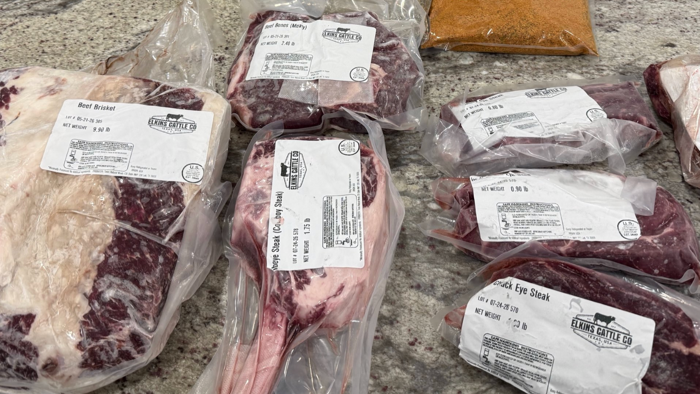
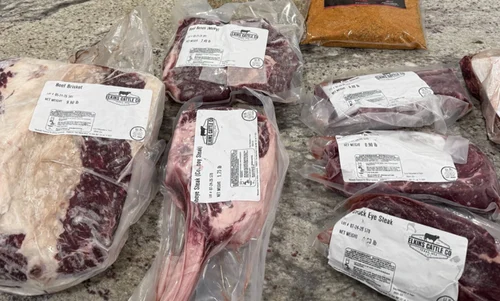
Consumer behavior has begun to reflect this strain. A recent report by Circana, a Chicago-based market research company, highlighted a concerning trend: beef sales volumes declined by 0.3% during the 13 weeks leading up to mid-July. This decline is particularly striking when compared to the 5% growth observed during the same period in each of the preceding two years. Crucially, this downturn occurred during what is traditionally the peak grilling season, encompassing Memorial Day and July Fourth holidays, periods when beef consumption typically surges. This anomaly strongly suggests a phenomenon economists term "demand destruction," where consumers, faced with prohibitive prices, actively reduce or forgo purchases of a particular good. The evidence of consumer belt-tightening extends beyond beef, with major retailers reporting slowdowns. Walmart, a bellwether for American consumer spending, recently missed sales estimates, and broader July retail sales data pointed to a slump, indicating a widespread tempering of discretionary spending and a growing focus on essential purchases.
The Shrinking American Beef Herd: A Supply-Side Crisis
At the heart of the elevated beef prices lies a significant and prolonged shortage in the domestic cattle supply. President Trump’s reference to the "American beef herd fell to its smallest size in modern history" points to a critical issue for the industry. USDA statistics corroborate this, showing a multi-year decline in cattle inventories. This reduction is not a sudden event but the culmination of several factors.
Firstly, severe droughts across key cattle-producing regions in the Western and Southern United States have decimated grazing lands and driven up the cost of feed. Ranchers, faced with dwindling forage and expensive supplements, have been forced to cull their herds at higher rates, sending more cows to slaughter than typically seen in a healthy expansion cycle. This liquidation reduces the breeding stock, thereby limiting the future supply of calves. Secondly, high input costs, including fuel, labor, and veterinary care, have further squeezed profit margins for ranchers, making it less attractive to expand herds. The long gestation period for cattle—roughly nine months—followed by several more months to raise calves to market weight, means that rebuilding the national herd is a slow, multi-year process.
Agricultural economists have consistently warned about the protracted nature of this supply challenge. Derrell Peel, an agricultural economist at Oklahoma State University, as cited by Bank of America analysts, has indicated that the U.S. cattle cycle is unlikely to see significant improvement anytime soon. Peel’s analysis suggests that elevated beef prices are poised to remain a fixture of the American grocery landscape through at least next year, if not longer. The temporary nature of the import waiver, while offering immediate relief, does little to fundamentally alter this challenging longer-term supply backdrop.

Political Undercurrents: Midterm Elections and Affordability
The timing of President Trump’s announcement, precisely 74 days before the midterm elections, is unlikely to be coincidental. Food prices, and particularly the cost of a staple like ground beef, are highly visible and emotionally resonant issues for American voters. The ability to afford everyday groceries directly impacts household budgets and overall consumer sentiment. Historically, high food prices have been a potent political issue, often used by opposition parties to criticize the economic stewardship of the incumbent administration.
For the Republican Party, with President Trump playing a pivotal role in the election cycle, addressing "affordability concerns in supermarket aisles" offers a clear opportunity to connect with voters on a kitchen-table issue. By directly linking high beef prices to the "Biden administration" and presenting his tariff waiver as a solution, Trump positions himself and his allies as champions of the working American family struggling with inflation. The promise of ground beef sold at "25 percent below current market prices" is a tangible, easily understood benefit that could resonate strongly with consumers fatigued by rising costs.
However, the policy also carries political risks. While consumers may welcome lower prices, domestic cattle ranchers, a significant Republican constituency, often favor protectionist measures like tariffs to shield them from cheaper foreign competition. A temporary waiver, even if framed as a short-term measure to allow the "Great American Beef Herd to grow again," could still generate concern among producers who fear a flood of imports undermining their market or delaying their recovery.
Mechanics of the Waiver and Potential Impacts

The announced waiver permits the importation of up to 300,000 metric tons of ground beef product without the typical "out-of-quota tariff" for 90 days. To put this volume into perspective, the U.S. typically imports a significant amount of beef annually, with ground beef often making up a substantial portion. For instance, in 2023, total U.S. beef imports were in the range of 1.5 to 1.7 million metric tons. A 300,000 metric ton influx over 90 days represents a substantial increase in short-term supply, equivalent to roughly 15-20% of annual import levels concentrated over a quarter.
The "out-of-quota tariff" typically applies to imports exceeding a certain volume set by trade agreements, designed to protect domestic industries. Waiving this tariff effectively makes it cheaper for importers to bring in additional ground beef, which, in theory, should translate to lower retail prices. The commitment that this beef will be sold at "25 percent below current market prices" suggests a negotiated agreement with importing entities or retailers. The enforceability and monitoring of this commitment will be crucial for the policy’s success and public perception. Mechanisms could include direct agreements with major grocery chains or distributors to pass on the savings to consumers.
Industry Reactions and Broader Implications
Initial reactions from various stakeholders are anticipated to be mixed. Consumer advocacy groups are likely to commend any measure that promises to alleviate the burden of high food costs, especially on a staple like ground beef. The prospect of a 25% price reduction would be a welcome relief for many families struggling to stretch their grocery budgets.
Conversely, domestic cattle ranchers and their representative organizations may express reservations. While they understand the consumer pressure, an influx of cheaper imported beef, even if temporary, could be seen as potentially depressing domestic market prices for their product, even as they contend with high costs to rebuild their herds. They might argue that sustainable solutions require long-term investments in domestic production capacity rather than reliance on imports. Concerns could also arise about the origin and quality standards of the imported beef, though U.S. import regulations are generally robust.

Economists will be closely analyzing the efficacy of this short-term intervention. While the waiver is designed to inject supply and reduce prices quickly, its temporary nature means that the underlying structural issues—the shrinking domestic herd and high production costs—remain unaddressed. After the 90-day period expires, if the domestic supply has not significantly improved, prices could rebound, potentially leading to renewed consumer frustration. Furthermore, such targeted interventions, while providing relief in one sector, can sometimes have ripple effects on other protein markets if consumers shift demand in response to price changes. For instance, if ground beef becomes significantly cheaper, demand for alternative proteins, like pork or poultry, might temporarily decrease, affecting those markets.
The policy also touches upon broader trade dynamics. While the specific countries from which these imports will originate were not detailed, major beef exporters to the U.S. include Canada, Mexico, Australia, and New Zealand. Any substantial shift in import volumes could have implications for these trade relationships.
Looking Ahead: Short-Term Relief vs. Long-Term Solutions
President Trump’s temporary ground beef tariff waiver represents a direct, politically charged response to a pressing economic issue. It aims to deliver immediate, tangible price relief to American consumers ahead of a crucial election. The success of this policy in lowering prices and impacting voter sentiment will be closely watched.
However, the longer-term challenge of rebuilding the American beef herd and ensuring stable, affordable beef supplies persists. Experts like Derrell Peel emphasize that the cattle cycle’s recovery will take several years, suggesting that this waiver is a stopgap measure rather than a fundamental solution. As the original article noted, with the cattle cycle likely to take years to rebound, consumers might continue to look for more affordable protein alternatives in the interim. This situation highlights the complex interplay between global supply chains, domestic agricultural policy, consumer economics, and the ever-present political calendar. While Americans might enjoy cheaper burgers for a few months, the future of the nation’s beef supply and its price stability remains a significant challenge that extends far beyond a 90-day tariff holiday.

