
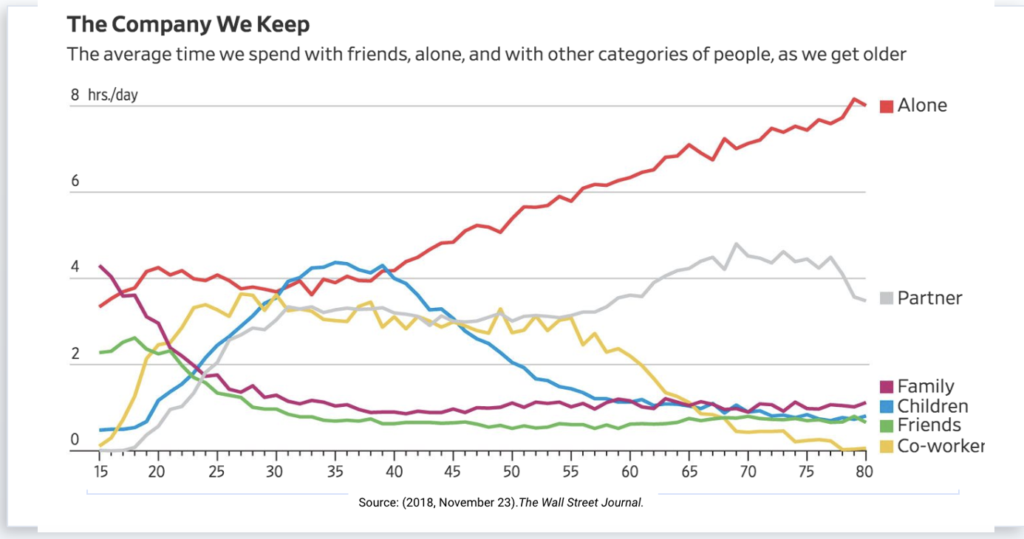
The transition into retirement, while often anticipated with a sense of liberation and newfound freedom, introduces a profound shift in an individual’s daily landscape: an increase in solitude. This period of quiet can, for many, unveil a surprising and sometimes challenging aspect of self-discovery – the constant, internal dialogue that occupies the hours once filled with professional interactions and structured routines. The most significant conversations of retirement, it appears, are not those held with others, but rather the continuous, often unacknowledged, discourse with oneself.
This internal monologue serves as a multifaceted mental arena. It can be a fertile ground for planning future endeavors, envisioning new possibilities, and reflecting on past experiences. Conversely, it can also become a breeding ground for anxiety, a loop of replayed regrets, persistent self-questioning, harsh self-criticism, and the burden of blame. Insights shared on "The Retirement Wisdom Podcast" highlight that the nature of this inner conversation can either constrict an individual’s life, leading to a sense of diminishment, or, when managed intentionally, can serve as a catalyst for opening the next chapter of life with greater purpose and potential.
The Power of Inquiry: Shifting Mindsets Through Questioning
At the forefront of understanding the impact of internal dialogue is Dr. Marilee Adams, a psychologist and the founder and CEO of The Inquiry Institute. Dr. Adams, author of the seminal work "Change Your Questions, Change Your Life," which has recently seen its fifth edition published, posits a core tenet: the questions we pose to ourselves fundamentally shape our cognitive frameworks and, consequently, our life experiences. Her research identifies two primary mindsets through which individuals operate: the "Judger" and the "Learner."
The "Judger" mindset is characterized by questions that tend to be backward-looking or inwardly focused, often imbued with an element of self-recrimination or fatalism. Examples include phrases like, "What’s wrong with me?", "Why did this happen to me?", or the dispiriting "Why bother?". These questions tend to reinforce negative patterns and limit perceived options.
In contrast, "Learner" questions are designed to foster curiosity, agency, and a sense of possibility. They propel individuals forward, encouraging exploration and problem-solving. Such questions might be: "What do I want now?", "What can I contribute?", or "How else can I think about this?". These inquiries open doors to new perspectives and empower individuals to take proactive steps.
The significance of this distinction is amplified during major life transitions, such as retirement. The sudden absence of the familiar structures, professional identities, and external feedback mechanisms that characterized a working life can inadvertently grant momentum to the "Judger" mindset. Without these external anchors, the internal critic can become more pronounced. However, by consciously cultivating and employing "wise questions," individuals can redirect their attention toward what truly holds value – aspirations for greater meaning, enhanced joy, meaningful contribution, deeper relationships, and continuous personal growth. Data from longitudinal studies on post-retirement well-being consistently link proactive engagement and a positive outlook, often fueled by purposeful inquiry, to higher life satisfaction and reduced rates of depression among retirees. For instance, a 2022 study published in the Journal of Gerontology found that retirees who actively pursued new learning and hobbies reported significantly higher levels of psychological well-being compared to those who remained largely inactive.
Navigating the Inner Voice: The Science of Self-Talk
Complementing Dr. Adams’ focus on questioning is the work of Dr. Ethan Kross, Director of the Emotion & Self Control Laboratory at the University of Michigan and author of "Chatter: The Voice in Our Head, Why It Matters, and How to Harness It." Dr. Kross’s research delves into the science of self-talk, distinguishing between ordinary negative thoughts and what he terms "chatter"—a relentless, often unproductive, loop of worry, rumination, and catastrophizing.
Dr. Kross emphasizes that negative emotions themselves are not inherently detrimental. In measured doses, they can serve as valuable signals, offering insights and prompting necessary adjustments. The challenge arises when individuals become ensnared in these negative emotional states, leading to a chronic and debilitating internal discourse.
A significant point of convergence exists between the work of Dr. Adams and Dr. Kross: the objective is not to silence the inner voice but to cultivate a more skillful and discerning relationship with it. Both scholars underscore the universality of an inner critic and the necessity of acknowledging its presence. Furthermore, they both highlight the power of awareness as the precursor to choice, enabling a shift from automatic, reactive responses to intentional, considered actions.
Practical Strategies for Mastering Inner Dialogue
While both researchers offer profound insights, their approaches provide distinct yet complementary toolkits for managing internal conversations.
Dr. Adams’ contribution lies in the elegant simplicity of "The Choice Map," a framework that provides both a nuanced vocabulary and a practical pathway for self-management. The process involves recognizing the "Judger" mindset, pausing to interrupt its momentum, and intentionally transitioning into the "Learner" mindset. A particularly potent question she advocates for this transition is: "Who do I choose to be in this moment?" This question powerfully reorients the individual toward agency and conscious decision-making. The Inquiry Institute reports that individuals who engage with "The Choice Map" demonstrate a measurable increase in self-efficacy and a decrease in stress-related symptoms.
Dr. Kross, on the other hand, advocates a "toolbox" approach, recognizing that different situations necessitate different coping mechanisms. His recommendations include:
-
Distance Self-Talk: This involves addressing oneself by name and coaching oneself as one would a trusted friend. For example, instead of thinking, "I’m failing at this," one might say to oneself, "Ethan, you’ve faced challenges before, and you can figure this out." Research on this technique has shown it can significantly reduce emotional intensity and improve performance in stressful situations. A study published in Psychological Science found that using one’s own name in self-talk can create a psychological distance from the immediate emotional experience, leading to more rational decision-making.
-
Mental Time Travel: This technique encourages shifting one’s temporal perspective. By asking how a current problem will be perceived in six months or a year, individuals can gain a broader, less emotionally charged view of its significance. This temporal reframing has been shown to reduce the perceived magnitude of stressors.
-
Rituals in Nature: Dr. Kross also champions simple, grounding rituals, such as taking a walk in nature. This act can serve as a powerful reset, interrupting rumination and fostering a sense of calm and clarity. The therapeutic benefits of nature exposure are well-documented, with studies demonstrating its positive impact on mood regulation and cognitive function.
By integrating these strategies, individuals can evolve into more adept "chatter advisors," equipped with a personalized toolkit for navigating their internal landscape.
Actionable Insights for Retirement and Beyond
The principles championed by Dr. Adams and Dr. Kross offer tangible pathways for individuals to cultivate a more constructive relationship with their inner voice, particularly during the introspective period of retirement.
Cultivating Awareness: The First Step
The foundational step is to heighten awareness of one’s internal conversation. This involves paying conscious attention to the thoughts and questions that arise throughout the day.
The "Stop. Breathe. Be." Practice
Drawing from Dr. Adams’ insights, a simple yet powerful technique for interrupting negative thought patterns is the "Stop. Breathe. Be." practice, as taught by Dr. Aditi Nerurkar. This involves a deliberate physical pause: stopping the current activity, taking a conscious breath, and simply being present in the moment. This brief interlude can break the momentum of automatic reactions and create space for intentional thought.
Identifying Question Types
Once awareness is established, the next step is to identify the nature of the questions being asked. Are they "Judger" questions, which tend to be critical and backward-looking, or "Learner" questions, which are forward-looking and encourage exploration?
Navigating the "Judger Pit"
When caught in what Dr. Adams terms the "Judger Pit"—a cycle of negative rumination—the "Switching Lane" move is crucial. This involves consciously posing a "Learner" question and actively shifting into that more constructive mindset. This deliberate redirection is key to breaking free from unproductive loops.
Re-voicing and Reframing
From Dr. Kross’s perspective, changing the internal voice can be transformative. Utilizing one’s own name in self-talk and asking, "What advice would I give a good friend facing this?" can foster empathy and provide a more objective perspective. Similarly, shifting the time frame by asking, "How important will this feel six months from now?" can diminish the perceived urgency and magnitude of current challenges.
The Impact of Venting and Seeking Support
It is also important to recognize when venting, while seemingly cathartic, may inadvertently prolong negative thought loops. Seeking out individuals who offer genuine empathy and can help broaden one’s perspective is a vital aspect of managing internal discourse constructively. This social support mechanism has been empirically linked to improved resilience and emotional regulation.
Conclusion: Towards an Allyship with the Inner Voice
Retirement, with its inherent increase in personal autonomy, offers an unparalleled opportunity for growth. This freedom, however, is most effectively harnessed when paired with a refined approach to one’s thoughts and emotional landscape. Through consistent practice, the inner voice can transform from a relentless critic into a valuable ally and a trusted coach. This evolution not only enhances the retirement experience but also cultivates a more resilient and purposeful approach to life’s remaining chapters. The ongoing conversation with oneself, when guided by wisdom and intentionality, becomes a powerful engine for fulfillment and well-being.

