
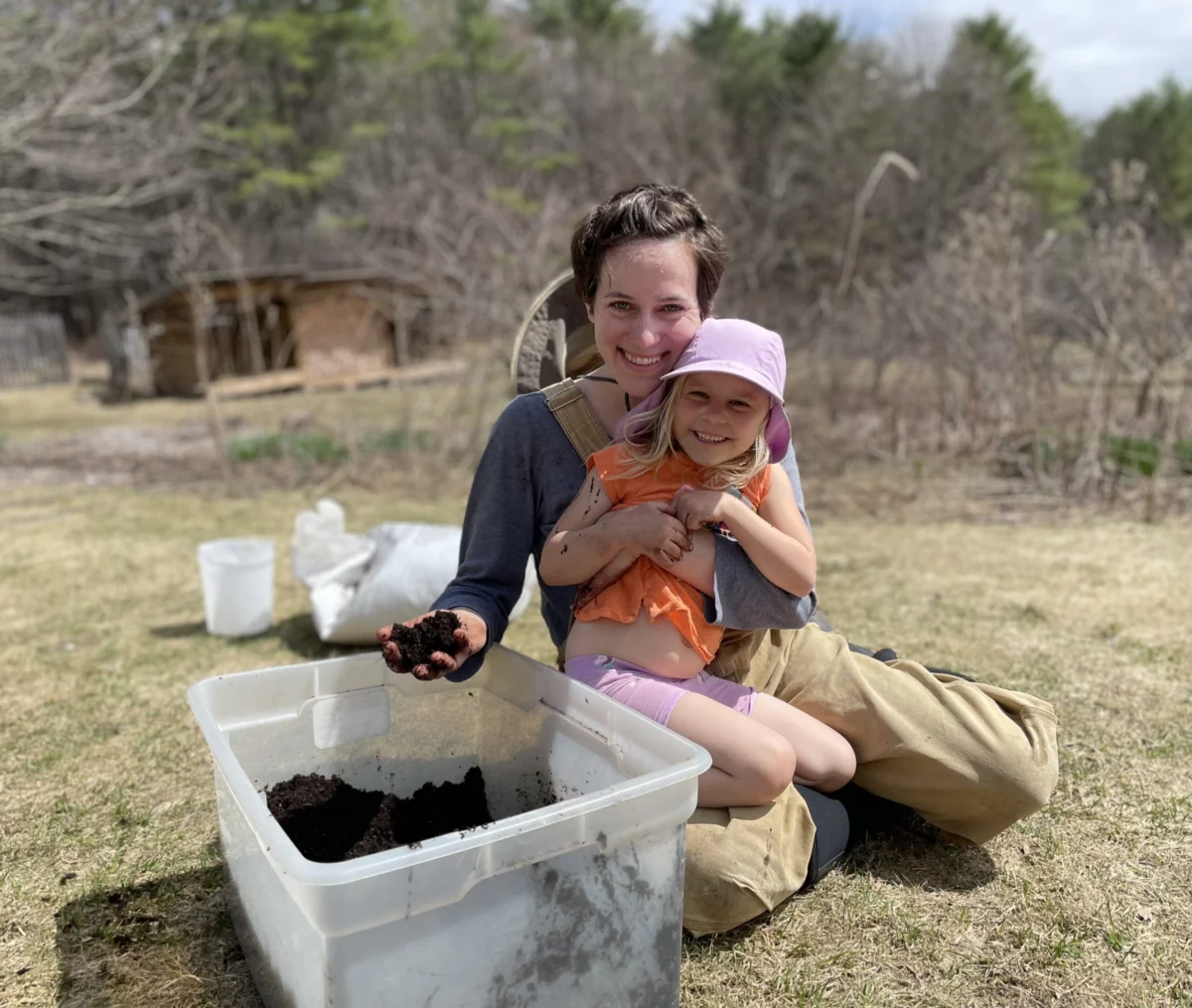
The transition from urban centers to rural homesteads has long been romanticized as a path toward total self-sufficiency, yet the practical realities of such a lifestyle often diverge significantly from initial expectations. A prominent case study in this cultural shift is the experience of the Frugalwoods family, who relocated to a 66-acre homestead in rural Vermont in May 2016. After seven years of managing the property, their journey provides a comprehensive look at the logistical, economic, and psychological challenges of attempting to grow and preserve a household’s entire food supply. Their experience highlights a broader trend among modern "back-to-the-land" adherents: the move from a subsistence-focused ideology to a more balanced, community-integrated approach to rural living.
The Chronology of a Homesteading Transition
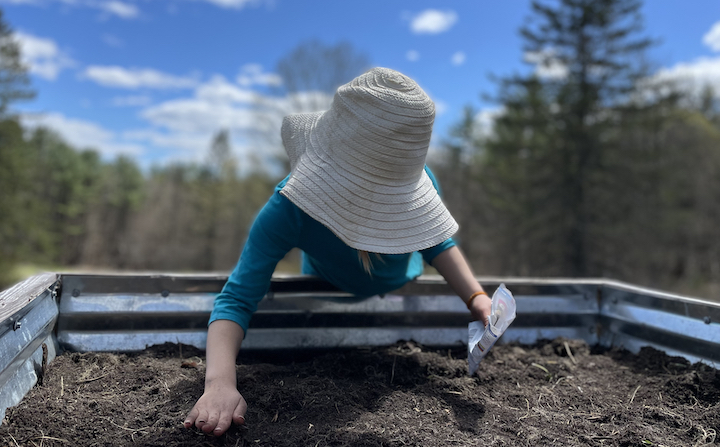
The Frugalwoods’ move to Vermont was rooted in a desire to exit the "city rat race" and establish a sustainable lifestyle in a forested environment. Upon arrival in May 2016, the initial years were defined by a massive investment in infrastructure. This period involved the construction of raised garden beds, the installation of fencing, and the planting of perennial fruit trees and bushes.
By 2018, the homestead reached a critical juncture often referred to as the "Kale and Chard Apocalypse." During this season, the family successfully cultivated 80 kale and chard plants from seed. While the harvest was bountiful, the labor required to process the yield—harvesting, washing, blanching, and freezing—proved to be an overwhelming commitment of time and energy. This event served as a catalyst for a significant shift in philosophy. The family realized that the pursuit of total food independence was transforming their desired life of freedom into a cycle of high-stress, time-bound labor that mirrored the pressures of the corporate environments they had fled.
By 2023, the seventh anniversary of their move, the homesteading operation had been scaled back to a manageable level. The current strategy focuses on "moderate production," which involves growing a variety of annual vegetables and maintaining perennial fruits while relying on local farmers for the remainder of their nutritional needs.
The Labor Economics of Small-Scale Agriculture
One of the most significant findings from the seven-year Vermont experiment is the "all-consuming" nature of subsistence farming. For many modern homesteaders, the labor required to grow, harvest, and preserve food full-time competes with other lifestyle goals, such as community engagement and family time.

Data from small-scale agricultural studies suggest that the "opportunity cost" of homesteading is often underestimated. While growing food at home can reduce grocery bills, the hours required for maintenance—weeding, watering, pest control, and processing—often equate to a full-time job during the peak growing season (typically June through September in New England).
The Frugalwoods’ experience demonstrates that without industrial-scale kitchens or a dedicated labor force, home preservation has strict limits. The family found that home-canned goods have a limited shelf life and that calculating precise consumption rates is difficult, often leading to food waste. This realization led to a pivot toward supporting local agricultural economies. By purchasing food from professional farmers, homesteaders can benefit from the efficiency of scale while contributing to the economic stability of their rural communities.

Biological and Environmental Constraints in New England
The Vermont climate presents specific challenges that complicate the goal of food self-sufficiency. The state falls primarily within USDA Plant Hardiness Zones 3b to 5a, characterized by short growing seasons and volatile weather patterns.
Perennial Production Timelines
A common misconception in homesteading is the immediacy of food production. The Vermont case study underscores the patience required for perennial crops:

- Apple Trees: Typically require approximately six years before producing a viable harvest.
- Blueberry Bushes: Often take two to three years to yield edible fruit.
- Plum and Cherry Trees: Face similar long-term horizons and are highly susceptible to local pests.
Wildlife and Pest Management
Wildlife interference, referred to colloquially by the family as the "Clever Varmint Patrol" (CVP), represents a persistent threat to harvest yields. In rural Vermont, species such as wild turkeys, deer, and various rodents frequently consume ripening fruit before it can be harvested.
The family’s experience with a flock of wild turkeys becoming trapped within a fenced blueberry patch illustrates the paradoxical nature of homesteading infrastructure: fences designed to keep animals out can often trap them in, leading to crop destruction. The cost-benefit analysis of installing high-grade, predator-proof fencing often proves unfavorable for non-commercial growers, as the expense of the materials can far exceed the market value of the fruit produced.

Current Infrastructure and Management Strategies
As of May 2023, the 66-acre property utilizes a tiered gardening system designed to maximize efficiency while minimizing burnout.
- Proximal Raised Beds: Four raised beds located adjacent to the primary residence are used for high-frequency items. Two beds are dedicated to strawberries, while the others house herbs (chives, oregano, thyme, sage, parsley) and greens (kale, chard, lettuce). This proximity allows for "kitchen gardening," where ingredients can be harvested immediately before meal preparation.
- The "Big" Vegetable Garden: A fenced area featuring cattle panels for vertical growth. This space is used for annuals such as tomatoes, beans, squash, snap peas, cucumbers, and peppers. The use of cattle panels reduces the labor involved in individual plant trellising.
- Educational Integration: A unique aspect of the current management strategy is the allocation of specific garden rows to the children. This "row-per-child" system serves an educational purpose, teaching horticultural skills and responsibility without the pressure of subsistence.
- Diversified Perennials: The property currently maintains apple, pear, plum, and cherry trees, along with elderberry, blueberry, and raspberry bushes. Grapes and asparagus are also cultivated, though production levels vary significantly year-to-year based on weather and pest activity.
Broader Implications for the Homesteading Movement
The evolution of the Frugalwoods’ homestead reflects a broader trend toward "hybrid homesteading." This model rejects the "all-or-nothing" approach to self-sufficiency in favor of a lifestyle that prioritizes mental health, community integration, and economic pragmatism.

Socio-Economic Impact on Rural Communities
The decision to stop attempting to grow 100% of their food has positive implications for the local rural economy. By purchasing meat, dairy, and bulk produce from neighboring professional farmers, homesteaders help sustain the very agricultural landscapes they moved to enjoy. This creates a symbiotic relationship where the "hobbyist" provides financial support to the "professional," ensuring the survival of local food systems.
Psychological Wellness and the "Perfection Trap"
The transition also addresses a psychological hurdle common in the homesteading community: the "perfection trap." The pressure to live up to an idealized version of rural life—often fueled by social media portrayals of flawless harvests—can lead to significant stress.

The family’s realization that "chaining myself to my vegetable garden is really no different than chaining myself to my desk and computer" highlights the risk of simply transplanting urban workaholism into a rural setting. The 2023 "Acceptance Phase" of their journey suggests that a successful homestead is defined not by its total caloric output, but by its ability to provide a sense of peace and freedom to its inhabitants.
Conclusion
The seven-year retrospective of the Frugalwoods’ Vermont homestead serves as a realistic guide for those considering a similar transition. It suggests that while the dream of total food self-sufficiency is technically possible, it is often practically undesirable for those seeking a balanced life.

The modern homesteader’s success may be better measured by their ability to adapt to the environment, support their local agricultural community, and find a sustainable middle ground between urban consumerism and grueling subsistence farming. As the "back-to-the-land" movement continues to evolve, the shift toward moderate, joyful gardening over high-pressure farming appears to be the most viable path for long-term rural residency.

