

The practice of goal setting, a cornerstone of personal and professional development, has found a dynamic ally in the bullet journal (bujo). Research consistently highlights the profound impact of documenting aspirations. A 2015 study published in the Journal of Applied Psychology indicated that individuals who wrote down their goals and reviewed them regularly were significantly more likely to achieve them compared to those who did not. This is attributed to several factors: written goals provide clarity, foster accountability, and reinforce commitment. In this landscape, the bullet journal emerges as a uniquely adaptable and powerful tool, catering to diverse planning styles, from minimalist layouts to elaborate, colorful trackers. This article explores fourteen creative and practical bullet journal goal page ideas, designed to inspire effective planning and progress tracking, from overarching annual visions to granular monthly objectives.

The Power of Written Goals: A Foundation for Success
The efficacy of writing down goals is not merely anecdotal; it is supported by psychological principles. The act of writing itself engages different parts of the brain, solidifying intentions and making them more concrete. Furthermore, a physical record serves as a constant reminder, preventing goals from fading into the background of daily life. Bullet journals, with their inherent flexibility, allow individuals to tailor their goal-setting process to their specific needs and preferences. Whether one favors clean lines and ample white space for clarity or vibrant colors and artistic embellishments for motivation, the bullet journal format can accommodate. This adaptability is crucial, as a goal-setting system that feels cumbersome or uninspiring is unlikely to be maintained.
Minimalist Approaches to Goal Setting
For those who appreciate an uncluttered aesthetic, minimalist goal pages offer a focused and serene approach to planning. These layouts prioritize clarity and intention, utilizing ample white space, simple lines, and strategic design elements to ensure goals are easily digestible and actionable. The absence of visual distractions allows for a sharper focus on the objectives themselves, making the planning process feel effortless and efficient.

1. Black, White, And Functional: The Essence of Simplicity
A purely black and white design emphasizes functionality. This approach often involves clean typography and straightforward grids or lists. The goal is to create a visually calm space where the user can concentrate on the content of their goals without being overwhelmed by excessive decoration. Such layouts are ideal for individuals who view their bullet journal primarily as a productivity tool. Categorizing goals—such as personal development, career advancement, financial targets, and health and wellness—within a simple black and white structure ensures a clear overview and easy tracking. This method appeals to those who value precision and order in their planning.
2. Soft Colors with New Spring Buds: A Gentle Approach
Incorporating subtle, soft colors can add a touch of warmth and visual appeal without sacrificing minimalism. This style might use pastel shades for headings, borders, or key sections. The "new spring buds" theme suggests a focus on growth, renewal, and gentle progress. Such a design might feature delicate floral motifs or soft watercolor washes. The intention here is to create an encouraging and aesthetically pleasing environment for goal setting, making the process feel more nurturing and less like a chore. These gentle hues can help to soften the impact of ambitious goals, making them feel more approachable.

3. Pastels on a Blank Slate: Creating an Inspiring Canvas
Similar to the previous approach, using pastels on a blank slate offers a canvas for personal aspirations. This style emphasizes creating a clean, yet inviting, space for goal definition. The "blank slate" metaphor suggests a fresh start and the potential for limitless possibilities. The pastel color palette evokes a sense of calm, creativity, and optimism. This approach is particularly effective for goals that require a degree of introspection and creativity, such as artistic endeavors, personal growth projects, or long-term life aspirations. The visual lightness of pastels can prevent the goal-setting page from feeling daunting.
4. Simple Quadrant Layout: Organized Focus
A simple quadrant layout divides a page into four distinct sections, providing a structured yet flexible way to organize goals. This format is highly effective for breaking down broader objectives into more manageable components. For instance, one quadrant could be dedicated to financial goals, another to career aspirations, a third to personal development, and the fourth to health and well-being. This systematic division ensures that all major life areas are considered, promoting a balanced approach to goal setting. The visual separation inherent in the quadrant design aids in clarity and allows for easy comparison and tracking across different categories.

Annual Goal Setting: Charting the Year Ahead
An annual goal spread serves as a crucial roadmap for the entire year, providing a bird’s-eye view of long-term aspirations. By dedicating a spread to yearly objectives, individuals can ensure their most significant ambitions remain at the forefront of their planning. This practice encourages strategic thinking and helps to align daily actions with overarching life visions.
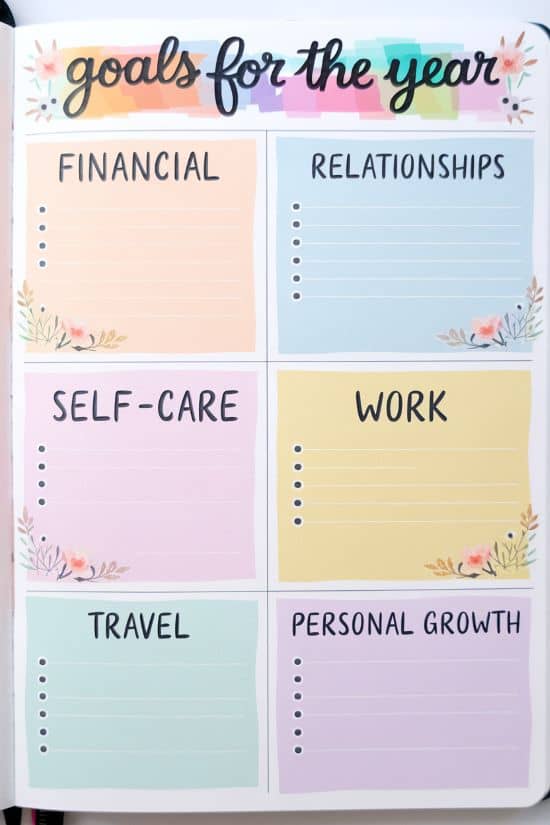
5. Annual Goals by Major Category: A Holistic View
This layout involves dedicating specific sections to major life categories, such as career, finances, personal growth, relationships, and health. Within each category, users can list their primary goals for the year. This structured approach ensures a comprehensive overview and helps to maintain balance across different life domains. For example, under "Career," one might list "Achieve promotion to Senior Manager," while under "Health," it could be "Complete a 10k race." This method promotes a well-rounded approach to personal development and achievement.

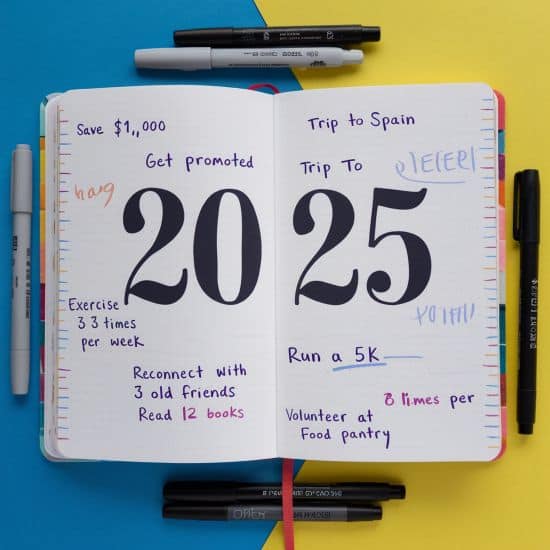
6. The Year in Bold: Making a Statement
The "Year in Bold" approach signifies a decisive and assertive commitment to one’s goals. This layout might feature prominent, bold lettering for the year and for each major goal. The visual emphasis communicates a strong sense of purpose and determination. This style is well-suited for individuals who are highly driven and want their goals to be a powerful, central focus. It can also serve as a motivational tool, with the bold presentation acting as a constant visual cue to stay on track. The design might incorporate strong lines and impactful typography to convey this sense of resolve.
7. Colorful Quadrants: Energizing Annual Objectives
Combining the structure of quadrants with vibrant colors can make annual goal setting both organized and exciting. Each quadrant, representing a different life category, can be color-coded for immediate visual recognition. This adds a dynamic and engaging element to the page, making it more enjoyable to review and update. The use of color can also help to differentiate between types of goals, for instance, using green for financial goals and blue for personal development. This visually appealing approach can boost motivation and make the yearly planning process more stimulating.

Monthly Goal Setting: Breaking Down the Big Picture
Monthly goal spreads are indispensable for transforming large annual objectives into actionable, manageable steps. By setting specific targets for each month, individuals can ensure consistent progress and maintain momentum throughout the year. This granular approach prevents larger goals from feeling overwhelming and allows for regular reflection and adjustment.
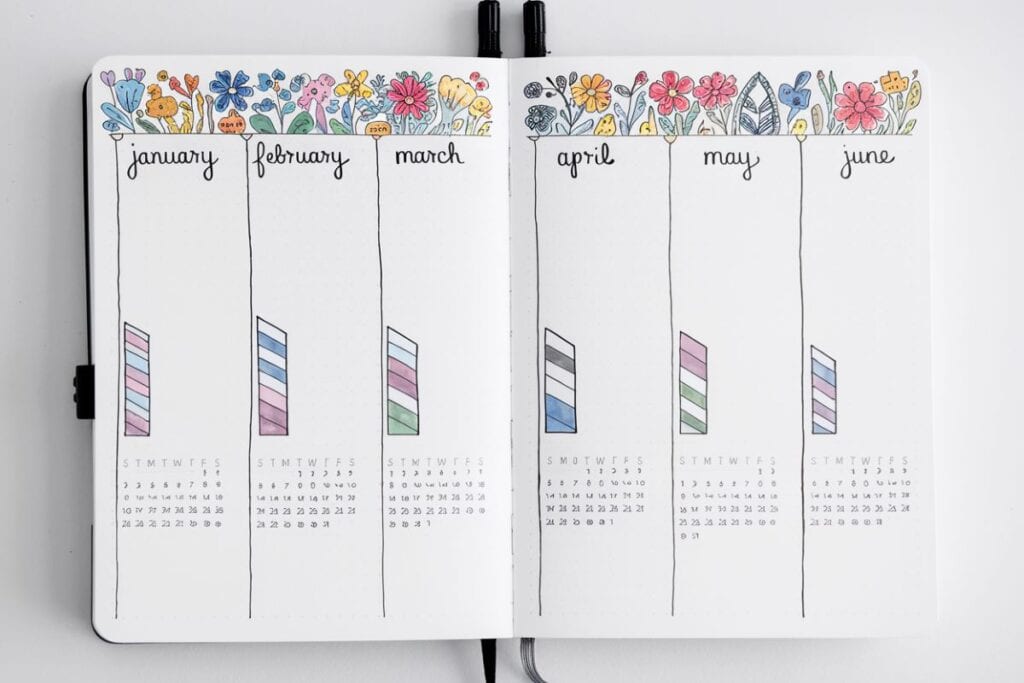
8. Goals by Month: A Chronological Breakdown
This practical layout involves dedicating a section or an entire page to each month of the year. Within each monthly section, users can list specific goals they aim to achieve during that period. This approach provides a clear chronological structure, allowing for a step-by-step progression towards larger annual targets. It’s an effective way to ensure that progress is made consistently, month after month. For example, if the annual goal is to write a book, monthly goals might include "Outline chapters," "Write the first three chapters," and so on. This method also allows for flexibility, as monthly goals can be adjusted based on progress and changing priorities.
Thinking Big: Cultivating Ambitious Visions
Sometimes, the most impactful goals begin as broad, abstract ideas. A "big ideas" spread in a bullet journal provides a dedicated space for brainstorming dreams, aspirations, and long-term visions without immediate constraints. This open-ended format encourages exploration and allows for the refinement of concepts before they are translated into specific, measurable objectives.
9. Big Ideas: Unleashing Creative Potential
The "Big Ideas" spread is designed for free-form thinking and exploration. It’s a space to jot down aspirations, dreams, and potential future directions without the pressure of immediate actionability. This might involve mind mapping, journaling, or simply listing out grand ambitions. The purpose is to capture the essence of what one desires to achieve or experience in the long term. By allowing these ideas to flow freely, individuals can uncover innovative paths and refine their vision before committing to concrete goals. This process is crucial for fostering creativity and ensuring that goals are deeply aligned with personal values and long-term aspirations. Related post: How To Come Up With Your Big Ideas.
Colorful Goal Pages: Injecting Energy and Motivation
For individuals who thrive on visual stimulation, colorful goal spreads can transform the planning process into an engaging and inspiring activity. The strategic use of color can enhance motivation, improve organization, and make goals more memorable and impactful.
10. Blocks of Goals: Visual Organization
This layout uses distinct blocks of color to represent different categories of goals or to highlight key objectives. Each block can be assigned a specific color, making it easy to identify and track progress across various areas. For instance, a bright orange block could represent fitness goals, while a calming blue could signify learning new skills. This visual segmentation not only makes the page aesthetically pleasing but also aids in quick comprehension and recall. The varied colors can create an energetic and dynamic feel, making the goal-setting page a source of daily inspiration.

11. Crush Your Goals: A Motivational Theme
The "Crush Your Goals" theme is designed to instill a sense of empowerment and drive. This spread might feature bold, energetic colors and motivating phrases. The visual design aims to create a powerful psychological impact, encouraging users to tackle their objectives with enthusiasm and determination. This approach is particularly effective for goals that require significant effort or perseverance. The vibrant aesthetics and assertive messaging can serve as a constant reminder of one’s commitment and capability.
12. My Goals: Personalized Expression
The "My Goals" spread allows for a highly personalized approach to goal visualization. This layout might incorporate a variety of colors, decorative elements, and unique lettering styles to reflect the individual’s personality and aspirations. The emphasis is on creating a visually rich and personally meaningful representation of one’s goals. This can involve using favorite colors, incorporating cherished quotes, or drawing custom illustrations related to the goals. Such a personalized approach fosters a deeper emotional connection to one’s objectives, enhancing motivation and commitment.
Conquering Overwhelm: Streamlined Goal Setting
When faced with a multitude of goals, overwhelm can hinder progress. Simplified approaches, such as focusing on top priorities or categorizing tasks by urgency, can provide much-needed clarity and focus.
13. Top 3 Goals: Prioritization in Focus
The "Top 3 Goals" spread is a powerful tool for individuals who find it challenging to manage multiple objectives simultaneously. By dedicating a space to the three most important goals, users can ensure that their primary focus remains on what matters most. This minimalist approach helps to combat overwhelm and ensures that significant progress is made on key priorities. This method encourages strategic thinking about what truly constitutes the most impactful objectives at any given time. Related post: How To Track Your To-Do List in Your Bujo.

14. Must Do – Should Do Goal Spread: Strategic Categorization
This layout introduces a hierarchy to goal setting by dividing objectives into "Must Do" and "Should Do" categories. The "Must Do" section is reserved for essential, high-priority tasks that require immediate attention, while the "Should Do" section accommodates goals that are important but can be addressed once the critical items are completed. This categorization helps individuals to effectively prioritize their efforts, ensuring that critical tasks are addressed without neglecting other valuable aspirations. This approach is particularly useful for managing complex projects or busy schedules, providing a clear framework for decision-making. Related post: How To Set Monthly Goals.
Conclusion: The Bullet Journal as a Catalyst for Achievement
The bullet journal serves as more than just a notebook; it is a dynamic system for personal growth and achievement. By thoughtfully designing goal-setting pages, individuals can transform abstract aspirations into tangible plans. Whether opting for minimalist clarity, vibrant motivation, or strategic prioritization, the key lies in creating a system that resonates with one’s personal style and facilitates consistent engagement. The act of regularly reviewing and updating these pages reinforces accountability and provides a clear record of progress, fostering a sense of accomplishment and encouraging continued effort. As the saying goes, small, consistent actions compound over time to yield significant results. By leveraging the power of the bullet journal, individuals can effectively chart their course, overcome challenges, and turn their most ambitious goals into reality.

Disclosure: At no cost to you, I may get commissions for purchases made through links in this post.

