
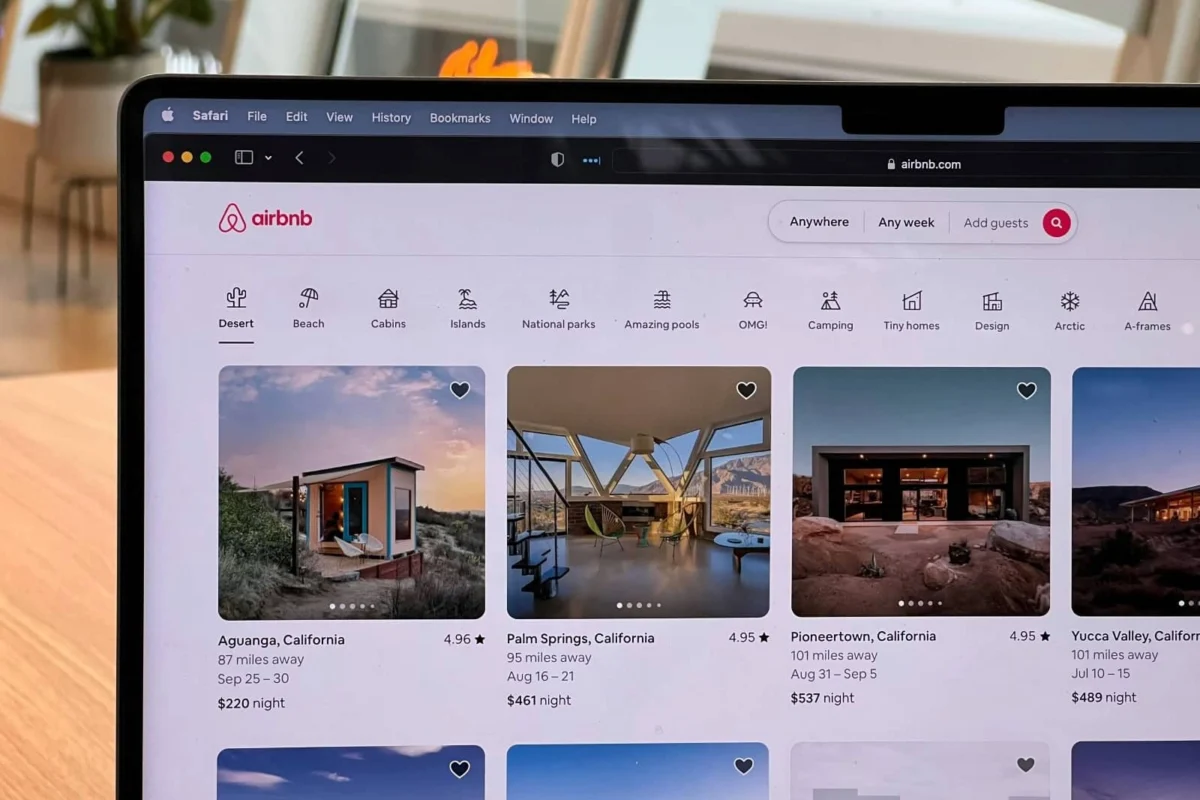
The much-anticipated Airbnb Summer 2026 release event, headlined by CEO Brian Chesky, saw the platform unveil a suite of new guest-facing features, including expanded car rentals, boutique hotel integrations, and grocery delivery services. While these announcements captured significant media attention, the true, transformative shift for hosts and property managers was embedded within four understated artificial intelligence (AI) innovations. These AI-driven advancements are poised to fundamentally alter how properties secure bookings by personalizing the guest experience at an unprecedented granular level.
The event, held yesterday, showcased Airbnb’s ambition to become a comprehensive travel and lifestyle platform. However, the real strategic pivot, one that will ultimately determine which properties thrive in the increasingly competitive short-term rental market, lies not in the services offered, but in how the platform now curates and presents each individual listing. This subtle yet profound change leverages AI to tailor the visibility and emphasis of listing elements, moving beyond generic category-wide optimizations to a hyper-personalized approach for every potential guest.
Airbnb’s AI-powered personalization means that the content a guest encounters on a property’s page – from the highlighted photos and featured amenities to the specific reviews that are surfaced – will now dynamically adapt based on the AI’s understanding of that individual traveler’s needs, preferences, and trip purpose. This signifies a departure from the one-size-fits-all listing presentation, ushering in an era where the same property can present a different narrative to each visitor, driven by sophisticated algorithms analyzing vast datasets of user behavior and preferences. This represents a fundamental redefinition of what it means to "optimize a listing" in the current market landscape.
The Silent Revolution: Four AI Features Reshaping the Booking Landscape
While the broader announcements focused on expanding Airbnb’s service ecosystem, the core of the Summer 2026 release for hosts centers on four AI features that have largely flown under the radar. These innovations are not merely incremental updates; they represent a strategic deployment of AI designed to maximize conversion rates by aligning specific listing attributes with individual guest desires.
Feature 1: Personalized Listing Highlights
The most significant of these AI advancements is the dynamic emphasis placed on different aspects of a listing page. Airbnb’s AI now intelligently curates which features and amenities are prominently displayed based on a guest’s inferred trip purpose. For instance, a family traveling with children might see the property’s extra bedrooms, child-friendly amenities, and outdoor play areas prioritized. Conversely, a solo remote worker might be presented with information highlighting high-speed Wi-Fi, dedicated workspace setups, and the quietness of the neighborhood.
This personalized highlighting means that the same listing description and set of photos are served to guests with different priorities, but the AI dynamically adjusts what is brought to the forefront. This implies that hosts can no longer afford to overlook any detail. Incomplete amenity lists, vague descriptions of features, or missing photos of key areas can now create significant "blind spots" for potential guests, hindering booking conversions. The implication is clear: every attribute of a listing has the potential to be the deciding factor for a specific guest, making comprehensive and detailed content a critical competitive advantage.
Feature 2: AI-Curated Review Highlights
With over a billion reviews collected on its platform, Airbnb is now deploying AI to intelligently surface specific guest testimonials and even extract key phrases that directly address a potential guest’s interests. This is a departure from generic review summaries; it’s a targeted delivery of social proof, organized around the property’s strongest attributes and personalized for each visitor.
The quality, depth, and specificity of reviews are now active conversion assets. Properties with sparse or generic reviews, particularly concerning key attributes like cleanliness, comfort, or specific amenities, will be at a disadvantage. The AI will be less likely to surface positive feedback related to those dimensions, potentially making the listing seem less appealing or even invisible on those crucial aspects, even if the overall star rating is high. This elevates the importance of actively soliciting detailed, attribute-specific feedback from guests.
Feature 3: "Ask About the Home" – AI-Powered Content Retrieval
A groundbreaking feature allows guests to ask natural language questions about a property, with Airbnb’s AI providing answers drawn directly from the listing’s existing content. Questions such as "Is there a hiking trail nearby?", "Does the backyard have adequate shade?", or "Is the kitchen spacious enough for a group to cook together?" will now be answered by the AI referencing the property’s reviews, photos, and even map data.
This functionality addresses a long-standing challenge for hosts: ensuring all potential guest queries are proactively answered. Previously, unanswered questions might have led guests to search external sites or abandon the booking process altogether. Now, if the relevant information is present in the listing – a photo depicting the shaded backyard, a review mentioning nearby trails, or a description of the kitchen’s layout – the AI can provide an immediate, accurate response. The absence of such content means questions go unanswered, directly impacting the guest’s confidence and likelihood to book.
Feature 4: AI-Generated Listing Comparisons
When a guest saves multiple properties to a wishlist, Airbnb now provides an AI-generated comparison. This is not a simple side-by-side amenities table. Instead, the AI crafts a personalized "case" for each property, highlighting key differences, compelling review themes, and specific attributes that are most relevant to that particular traveler’s saved selections.
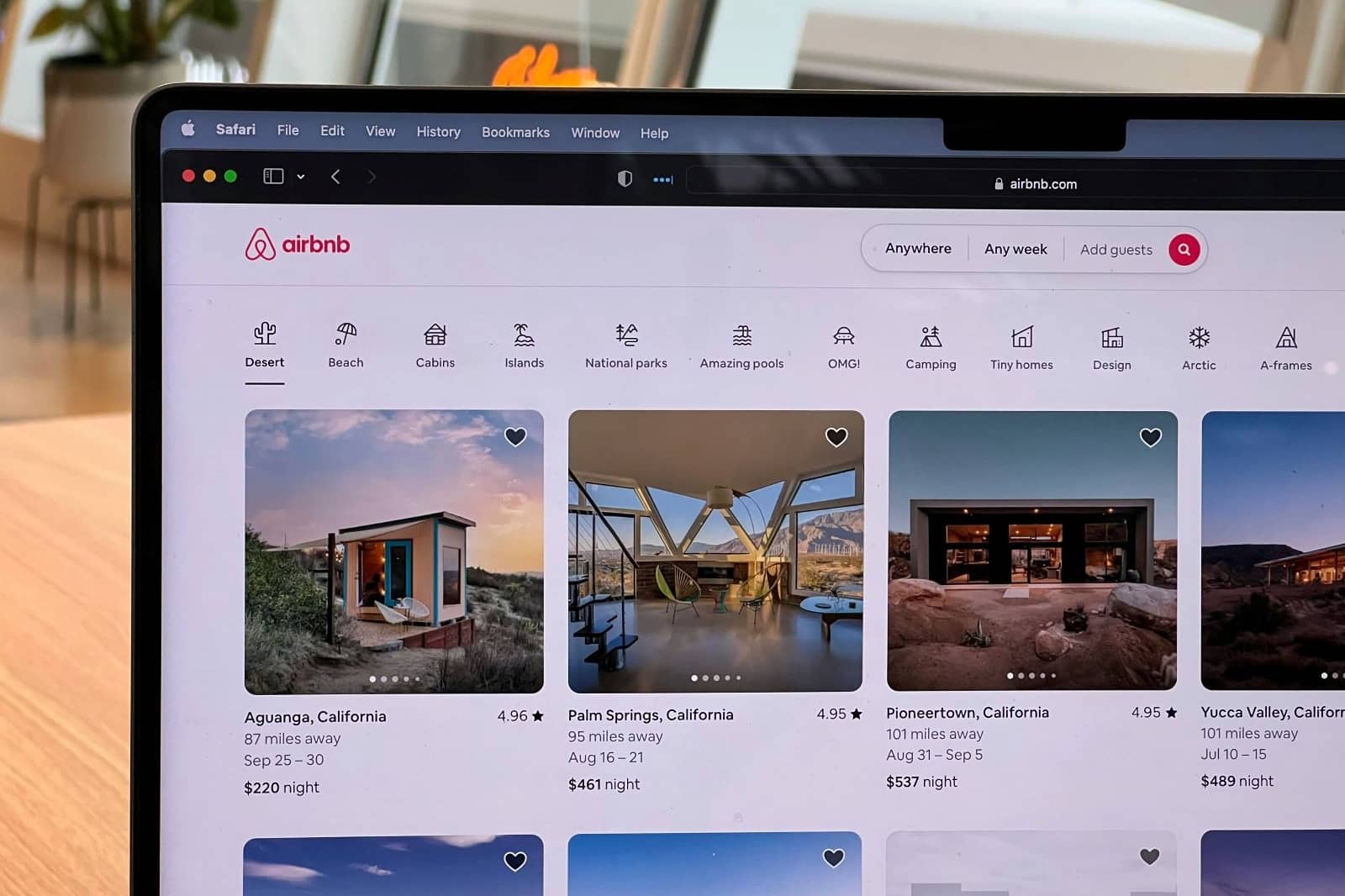
This feature shifts the competitive dynamic beyond mere price and star ratings. Hosts are now competing on how effectively Airbnb’s AI can articulate the value proposition of their listing compared to others. Properties with richer, more comprehensive data – detailed descriptions, a wide array of high-quality photos, and a robust review history – will be better positioned to have their strengths articulated by the AI, thereby winning the "argument" for the guest’s booking.
Strategic Implications for Short-Term Rental Hosts and Property Managers
The overarching theme of Airbnb’s Summer 2026 release is the increasing sophistication of its booking algorithm, which now actively "sells" properties based on curated data. This marks a significant departure from a passive listing model, where simply having a property available was sufficient. The properties that will gain bookings in this new environment are those that provide the AI with the most robust and relevant data to work with.
For individual hosts, this means that every element of their listing content – the description, photo captions, amenity details, and even the house manual – is now actively functioning as training data for Airbnb’s booking engine. Vague or superficial content will yield vague or superficial results, meaning the listing is less likely to be surfaced to the right guests. Conversely, specific, rich, and multi-dimensional content will be more effectively leveraged by the AI to connect with potential renters at the opportune moment.
Property managers will need to recalibrate their review strategies. The emphasis must shift from solely aiming for high star ratings to encouraging detailed, attribute-specific reviews. Reviews that specifically mention key selling points, such as "blazing-fast Wi-Fi," "exceptionally quiet street," or "conveniently located near the beach," are now not just testimonials but indexable and surfaceable content. Post-checkout guest communication should be designed to elicit these precise details, transforming satisfied guests into valuable content contributors.
Furthermore, the photo strategy is undergoing a significant evolution. Beyond aesthetically pleasing images, hosts must now prioritize photos that are functionally informative. These should be visuals that can answer common guest questions directly, such as showcasing the setup of a home office, the view from the backyard, or the availability and nature of parking. Airbnb’s AI is now capable of referencing these visual assets in real-time responses to guest inquiries, making every photo a potential conversion tool.
The Broader Context: Data as the New Competitive Differentiator
The strategic direction demonstrated by Airbnb’s Summer 2026 release is the culmination of years of effort by CEO Brian Chesky to build the most comprehensive profile data on both guests and hosts in the travel industry. The platform’s ability to now activate this data for hyper-personalization is a direct consequence of its substantial data density across user behavior, property attributes, and booking patterns. This level of sophisticated personalization is beyond what any individual host or property manager could replicate through manual efforts.
Encouragingly for many long-term hosts, the data advantage Airbnb is building upon is derived directly from their own efforts. Those who have invested in creating rich, detailed, and honest listings over the years are now in possession of a significant competitive asset. Conversely, hosts who treated their listing creation as a perfunctory task are now more vulnerable to being overshadowed.
This development necessitates a critical audit of existing listings. The focus should not solely be on aesthetic appeal but on the depth and comprehensiveness of the information provided. Hosts should ask themselves: What key attributes have we not adequately described? What common guest questions could our photos better address? Are there crucial review themes where we lack coverage? The booking algorithm has become significantly more sophisticated, and consequently, listing content must evolve to match its capabilities.
Conclusion: The Algorithm as the New Sales Force
Airbnb has fundamentally transformed the booking process into a fully personalized experience. The platform now meticulously leverages a property’s reviews, photos, and descriptive data to construct a real-time argument for or against its selection by every potential guest.
Hosts and property managers who recognize their listing content as a strategic asset, rich with data that can inform and persuade, will undoubtedly secure more bookings. Those who fail to adapt will find themselves increasingly invisible, not necessarily due to the inferiority of their properties, but due to the comparative thinness of their data. The booking algorithm has effectively become the platform’s primary sales force. The critical task for hosts is to ensure they have equipped this sales force with sufficient compelling information to make a winning case for their property.

