

The United States financial landscape has undergone a profound transformation, with interest rates experiencing an unprecedented ascent to levels not seen in over two decades. This dramatic shift marks a significant departure from the era of near-zero rates that characterized much of the post-2008 and COVID-19 pandemic periods, fundamentally reshaping economic dynamics for consumers, businesses, and investors alike. The Federal Reserve’s aggressive tightening cycle, initiated in early 2022, has recalibrated the cost of borrowing and lending across the economy, prompting widespread discussion and strategic reevaluation.
The Era of Ultra-Low Rates: A Historical Context
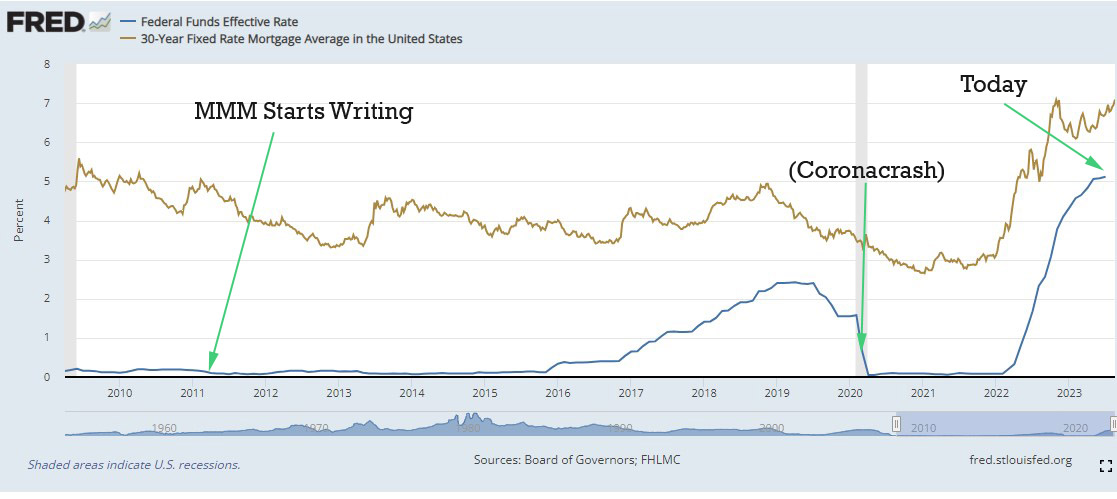
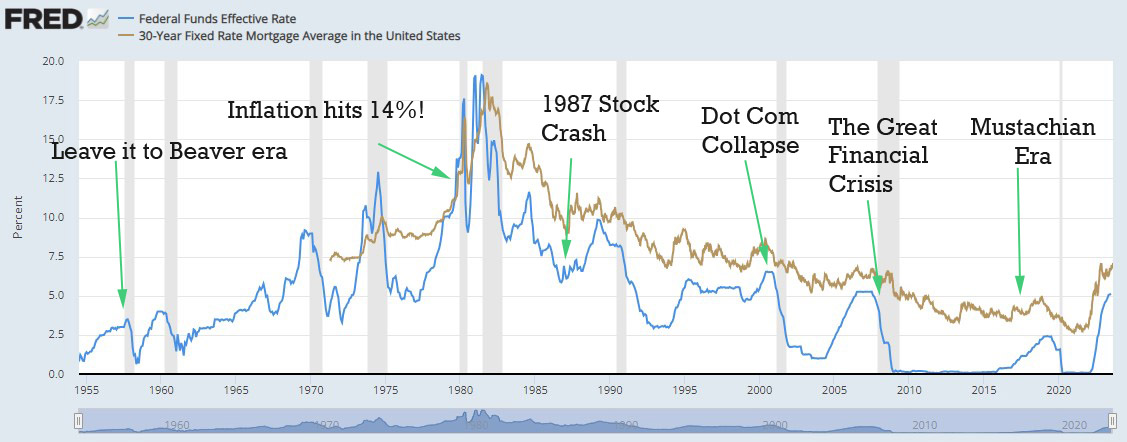
For nearly fourteen years, from the aftermath of the 2008 global financial crisis through the initial phases of the COVID-19 pandemic, the Federal Reserve maintained an exceptionally accommodative monetary policy. The federal funds rate, the benchmark interest rate that influences all others, hovered at historic lows, often within a target range of 0% to 0.25%. This policy was primarily aimed at stimulating economic growth, fostering employment, and preventing deflation.

During this extended period, cheap credit fueled various sectors. Mortgage rates plummeted, making homeownership more accessible and contributing to a robust housing market. Businesses benefited from inexpensive capital, encouraging investment, expansion, and job creation. Venture capital flowed freely, supporting innovation and the growth of new enterprises. This sustained period of easy money contributed to two decades of prosperity, technological advancement, and rising living standards, as the economy absorbed a continuous stream of liquidity.
The Catalyst for Change: Battling Soaring Inflation
The tides began to turn as the economy emerged from the COVID-19 pandemic. A combination of factors, including massive fiscal stimulus, persistent supply chain disruptions, and surging consumer demand, ignited inflationary pressures not seen in forty years. By mid-2022, the Consumer Price Index (CPI) peaked at 9.1% year-over-year, far exceeding the Federal Reserve’s long-term target of 2%.
Recognizing the urgent need to stabilize prices, Federal Reserve Chairman Jerome Powell and the Federal Open Market Committee (FOMC) pivoted sharply towards a restrictive monetary policy. The primary objective became clear: cool down an overheated economy by raising the cost of money, thereby reducing demand and bringing inflation back to target levels. This marked the end of the "easy money" era and ushered in a new phase of monetary tightening.
A Chronology of Rate Hikes
The Federal Reserve began its series of rate hikes in March 2022, starting with a modest 25-basis-point increase. This initial move was quickly followed by a succession of more aggressive adjustments. Throughout 2022 and into 2023, the FOMC implemented multiple 75-basis-point increases, a pace of tightening unprecedented in modern financial history. By August 2023, the federal funds rate had climbed to a target range of 5.25% to 5.50%, representing a cumulative increase of over 500 basis points from its pandemic-era lows.
This rapid escalation had immediate and widespread effects. Short-term interest rates, such as those on savings accounts, money market funds, and adjustable-rate loans, quickly mirrored the Fed’s actions. Long-term rates, including 30-year fixed mortgages, also surged, albeit with some volatility, reflecting broader market expectations and economic conditions.
Economic Impacts and Implications

The aggressive rate hikes have rippled through every segment of the economy, prompting significant adjustments and generating both challenges and opportunities.
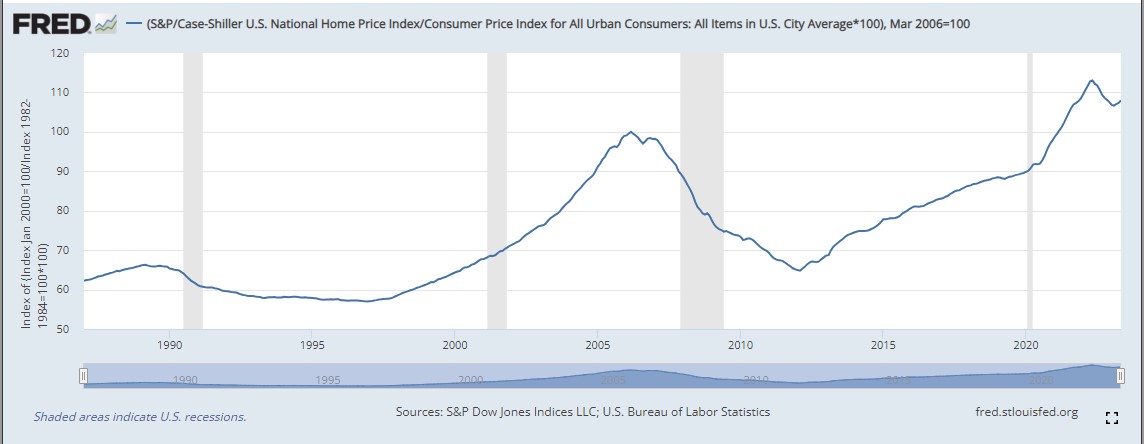
The Housing Market: Perhaps the most directly impacted sector has been real estate. Average 30-year fixed mortgage rates, which hovered around 3% in early 2022, surged to over 7.5% by mid-2023. This dramatic increase has severely curtailed housing affordability. For instance, a $400,000 mortgage at 3% would have carried a monthly payment of approximately $1,686. At 7.5%, the same mortgage demands a payment of around $2,797 – an increase of over $1,100 per month. This has led to a significant slowdown in home sales, reduced buyer demand, and a decline in new construction activity. While national median home prices have shown some resilience, the increased cost of financing is expected to exert downward pressure or at least lead to stagnation in many markets, with some regions potentially experiencing price corrections.
Consumer Spending and Borrowing: Consumers face higher costs for various forms of credit. Interest rates on credit cards, auto loans, and personal loans have risen, making discretionary spending more expensive and discouraging new debt accumulation. Conversely, savers have seen a silver lining, with high-yield savings accounts and Certificates of Deposit (CDs) offering returns of 4.5% or more, a stark contrast to the negligible rates of the past decade.
Business Investment and Employment: Businesses, particularly those reliant on borrowing for expansion or operational needs, have encountered significantly higher capital costs. This has led to a reevaluation of investment projects, with some companies scaling back growth plans or delaying new ventures. Major corporations, particularly in the technology sector, have announced significant layoffs (e.g., Meta’s 10,000 layoffs, Amazon’s 27,000 job cuts) as they adjust to a more restrictive economic environment and optimize operations. While these actions signal a cooling labor market, the overall U.S. unemployment rate has remained remarkably low, defying historical trends often associated with aggressive monetary tightening.

The Stock Market: The equity markets have experienced heightened volatility. Higher interest rates make future corporate earnings less valuable in present terms, often leading to downward pressure on stock valuations, particularly for growth companies. While the overall U.S. market (e.g., S&P 500) saw a significant drawdown from its early 2022 peak, it has shown signs of recovery by mid-2023, though remaining below its all-time highs. The shift in rates has also made fixed-income investments, such as bonds, more attractive, presenting investors with alternatives to equities.
Banking Sector Stability: The rapid increase in interest rates also exposed vulnerabilities in the banking sector. The collapse of several mid-sized banks, including Silicon Valley Bank and Signature Bank in early 2023, highlighted risks associated with large unrealized losses on bond portfolios accumulated during the low-rate environment. While regulators intervened swiftly to stabilize the situation, these events underscored the potential for systemic shocks during periods of rapid monetary policy shifts.
The Debate on Economic Health
Despite the tightening financial conditions, the broader economic narrative remains complex. While some indicators point to a slowdown, others suggest remarkable resilience. The unemployment rate, for instance, has hovered at near 50-year lows, indicating a robust labor market. This contradictory data has fueled a "big dumb battle" in media narratives, with commentators from various ideological perspectives offering divergent interpretations of the economy’s health. The Federal Reserve, however, maintains that these measures are necessary to achieve price stability, even if it entails a period of slower growth or a "soft landing."

Housing Market Fundamentals and Future Trajectory
The long-term trajectory of house prices remains a subject of intense speculation. While higher mortgage rates are expected to dampen demand, the underlying supply constraints persist in many regions. Key factors influencing housing supply include:
- Cost of construction materials and labor: While technological advancements can reduce some costs, labor shortages and material price fluctuations still play a significant role.
- Availability of land: Scarce or expensive land, particularly in desirable urban and suburban areas, limits new development.
- Local zoning laws and regulations: Restrictive zoning, complex permitting processes, and "Not In My Backyard" (NIMBY) opposition to denser housing developments severely constrain housing supply, often leading to inflated prices.
While construction innovations and global supply chains can improve efficiency, regulatory hurdles have been a major inflationary force in housing. The increasing layers of red tape and complex approval processes in many municipalities deter new construction, exacerbating housing shortages. However, some progressive cities are actively reforming zoning laws to facilitate more affordable, transit-oriented development.
Economists are divided on the extent of a potential housing price correction. Some predict a modest decline of 10-15%, while others suggest a more significant unwinding of gains, possibly returning to 2020 levels, particularly in overheated markets. Alternatively, prices might stagnate for an extended period, effectively becoming cheaper relative to rising wages due to inflation, rather than experiencing outright nominal drops.
When Will Interest Rates Decline? An Inverted Yield Curve’s Prediction
Predicting the future path of interest rates is notoriously challenging. However, market signals offer some insights. The U.S. Treasury Yield Curve, which typically slopes upwards (meaning longer-term bonds offer higher yields as compensation for increased risk), has recently inverted. As of August 2023, short-term Treasury bills (e.g., 1-year) offered yields around 5.4%, while longer-term bonds (e.g., 10-year) yielded approximately 4.05%.
An inverted yield curve is an unusual phenomenon where short-term rates are higher than long-term rates. Historically, this has been a remarkably accurate predictor of economic slowdowns and recessions, preceding ten out of the last eleven recessions in the past 75 years. This inversion suggests that bond market participants anticipate that the Federal Reserve will eventually cut interest rates in response to a weakening economy.
Based on these market signals and historical precedents, many analysts forecast that interest rates will likely begin to decline within the next 18-24 months, potentially accompanied by an economic recession. However, the exact timing and magnitude of any future rate cuts will depend heavily on the evolution of inflation, employment data, and broader economic performance.
Strategic Adaptations in a High-Rate Environment
For individuals and institutions, the shift to higher interest rates necessitates strategic adjustments. For those largely debt-free, the direct impact of higher borrowing costs is minimal. Instead, the focus shifts to optimizing savings and investment portfolios. Higher yields on cash and fixed-income assets offer attractive, lower-risk alternatives to volatile equity markets. For potential homebuyers, the current environment demands careful consideration of affordability and market conditions, with some opting to defer purchases in anticipation of future price corrections or lower rates.
Ultimately, while macroeconomic factors like interest rates and housing prices are largely beyond individual control, personal financial discipline remains paramount. Maintaining a lean lifestyle, prioritizing savings, and building a strong financial foundation provide resilience against market fluctuations. Such a proactive approach allows individuals to capitalize on opportunities when they arise, whether it be a dip in the housing market or an attractive investment, transforming external stressors into manageable ripples on the broader financial landscape.

