
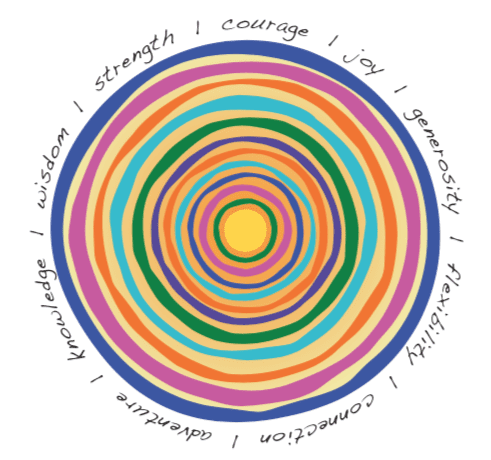
In a society that often idolizes youth, the pervasive notion that aging is synonymous with decline and diminishment is a deeply ingrained, yet unfortunate, reality. However, a growing movement, exemplified by programs like "Aging with Gusto" from the Vital Aging Network, is actively challenging these negative stereotypes and advocating for a more positive and empowering perspective on growing older. This shift in mindset, supported by compelling research and influential voices, suggests that how we perceive aging profoundly impacts our experience of it, potentially leading to longer, healthier, and more fulfilling lives.
The core message championed by proponents of "aging with gusto" is that a positive outlook is not merely an optimistic platitude, but a powerful determinant of well-being. Donna Comer, coordinator and facilitator for the Aging with Gusto program, emphasizes this point, stating, "How we think about aging has a big impact on how we age." This sentiment is not without scientific backing. Research has demonstrated a tangible correlation between positive perceptions of aging and longevity. Studies, such as those referenced by the Vital Aging Network, indicate that individuals who hold more optimistic views about growing older live, on average, an impressive 7.5 years longer than their more pessimistic counterparts. This significant lifespan extension underscores the profound influence of psychological framing on physical health outcomes.
The detrimental impact of negative self-perceptions surrounding aging is equally stark. When individuals internalize societal biases that portray older adults as burdens, their sense of self-worth can diminish. This can lead to a decreased valuation of their own lives, increasing their susceptibility to depression and social isolation. These conditions, often termed "silent killers" for older adults, carry significant health risks, contributing to increased morbidity and mortality. Therefore, fostering positive views of aging is not just about extending life, but about enhancing its quality.
The Power of Positive Perceptions: Evidence and Initiatives
The acknowledgment that positive views are crucial is gaining traction across various organizations dedicated to older adult well-being. Comer further elaborates on the necessity of this shift: "Growing older does offer challenges. But raising awareness of aging and increasing appreciation for how people of all ages contribute to our families and our communities is an essential first step in adopting a more positive view of both retirement and aging." This call for increased awareness and appreciation highlights a societal responsibility to re-evaluate our understanding of later life stages.
This perspective is echoed by Jo Ann Jenkins, CEO of AARP and author of Disrupt Aging: A Bold New Path to Living Your Best Life at Every Age. Jenkins consistently advocates for the idea that individuals are not only living longer but also living better, actively defying outdated stereotypes. Her work, disseminated through her book and the AARP Disrupt Aging website, aims to equip individuals with the tools and mindset to thrive at every age.
Challenging Ageist Stereotypes: A Vivid Demonstration
The disconnect between societal perceptions and the reality of aging was vividly illustrated at an arts and aging conference several years ago. The keynote speaker invited audience volunteers to physically represent what ages 70, 80, and 90 looked like. The portrayal was a stark reflection of common ageist tropes: a 70-year-old taking hesitant, baby steps; an 80-year-old hobbling with a cane, pausing frequently for breath; and a 90-year-old relying on a simulated wheelchair. This theatrical representation underscored the widespread, often unconscious, acceptance of these limiting stereotypes.
However, the speaker then introduced a powerful counterpoint: an actual 90-year-old attendee, who, to the astonishment of the audience, ran onto the stage. This individual, revealed to be a marathoner, instantly shattered the audience’s preconceived notions of what "old" looked and acted like. This single, dramatic act served as a potent reminder that age is not a determinant of physical capability or vitality.
AARP has employed similar innovative strategies to combat ageism. A notable video developed by the organization depicted millennials attempting to demonstrate what "old" looks like. Their interpretations included struggling with text messaging, gingerly navigating imaginary stairs, and being unable to perform a single push-up. The video then juxtaposed these performative limitations with footage of actual older adults effortlessly executing these tasks and more ambitious feats. The millennials’ amazement at the capabilities of the older adults highlighted the profound impact of ingrained ageist beliefs and the surprising reality that often contradicts them.
Understanding Ageism and Its Impact
The phenomenon of ageism – the tendency to regard older persons as debilitated, unworthy of attention, or unsuitable for employment – is a significant barrier to embracing a positive aging experience. The examples from the conference and AARP’s video demonstrate how these prejudiced views can shape our expectations, not only of others but also of ourselves as we age. While aging is a natural biological process, ageism is a societal construct that can lead to discrimination and self-limiting beliefs. The crucial insight here is that age and ageism are not inextricably linked. While aging is inevitable, the negative attitudes associated with ageism are not.
Lessons from Longevity Experts: The Blue Zones Approach
The pursuit of a longer, healthier life also finds significant inspiration in the work of longevity experts like Dan Buettner. His research, chronicled in The Blue Zones: Lessons for Living Longer from the People Who’ve Lived the Longest, identifies regions around the world where people live significantly longer and healthier lives. Buettner’s findings suggest that adopting specific lifestyle habits can dramatically increase lifespan and enhance overall well-being. While the original article mentioned these habits, a more detailed exploration of their implications and supporting evidence would further enrich this narrative.
The Blue Zones, typically found in Okinawa (Japan), Sardinia (Italy), Nicoya (Costa Rica), Ikaria (Greece), and Loma Linda (California), share common characteristics that contribute to their inhabitants’ longevity. These include:
- Plant-Slant Diet: A predominantly plant-based diet, rich in legumes, whole grains, fruits, and vegetables, with meat consumed sparingly. This dietary pattern is associated with lower rates of cardiovascular disease, certain cancers, and obesity. For instance, Okinawans traditionally consume a diet with 98% vegetables, fruits, and legumes. Sardinians rely heavily on beans and whole grains, while Nicoyans consume a staple diet of corn, squash, and beans.
- Moderate Caloric Intake: Blue Zone centenarians often practice "hara hachi bu," a Confucian reminder to eat until 80% full. This habit contributes to maintaining a healthy weight and reducing the risk of age-related diseases. Studies have consistently linked caloric restriction to increased lifespan in various animal models and potential benefits in humans.
- Regular Moderate Physical Activity: Instead of intense, planned workouts, Blue Zone residents engage in natural, everyday movement. This includes walking, gardening, and manual labor. This consistent, low-intensity activity helps maintain muscle mass, bone density, and cardiovascular health without the strain of strenuous exercise.
- Purpose (Ikigai/Plan de Vida): Having a sense of purpose, or "ikigai" in Japanese and "plan de vida" in Spanish, is a strong motivator for living longer. This could be anything from raising grandchildren to pursuing a passion or contributing to the community. A sense of purpose has been linked to reduced stress and improved mental health.
- Down Shift/Stress Reduction: While life in Blue Zones is not without its stresses, residents have established routines for managing them. This includes napping, prayer, meditation, or engaging in social activities. Chronic stress is a known contributor to various health problems, and effective coping mechanisms are crucial for longevity. For example, Okinawans often take short naps during the day, and Sardinians have traditional communal rituals.
- Belonging (80% Rule): The majority of centenarians in Blue Zones belong to faith-based communities. Research suggests that regular participation in religious services can add years to life expectancy, potentially due to the social support, stress reduction, and healthy lifestyle encouragement associated with these communities.
- Loved Ones First: Strong family ties are paramount. Children live near their parents, and elders are respected and integrated into family life. This emphasis on close familial relationships provides crucial social support and a sense of belonging.
- Connection: Social engagement is a cornerstone of Blue Zone living. Residents actively participate in social clubs, community events, and spend time with friends. This social interconnectedness combats loneliness and fosters a sense of community.
- Right Tribe: Surrounding oneself with a healthy social network that supports positive behaviors is vital. In Blue Zones, social circles often reinforce healthy eating habits, regular activity, and a positive outlook on life.
Broader Implications and Future Outlook
The principles of "Aging with Gusto" and the lessons from the Blue Zones offer a powerful framework for individuals and societies to reimagine the aging process. By actively challenging ageist narratives, cultivating positive self-perceptions, and adopting healthy lifestyle habits, individuals can not only extend their lives but also enhance their quality of life significantly.
The implications of this shift are far-reaching. For individuals, it means a future where aging is viewed not as an inevitable decline, but as a dynamic phase of life filled with opportunities for growth, contribution, and joy. For society, it means recognizing and valuing the wisdom, experience, and continued contributions of its older citizens, fostering intergenerational connections, and building communities that support healthy aging for all.
The Vital Aging Network, through its "Aging with Gusto" program, and organizations like AARP and the Blue Zones project, are at the forefront of this crucial societal transformation. Their ongoing efforts to raise awareness, provide resources, and advocate for positive change are essential in dismantling the pervasive myths surrounding aging and ushering in an era where growing older is embraced with enthusiasm, vitality, and a profound sense of purpose. The journey towards aging with gusto is a testament to the power of mindset, community, and evidence-based lifestyle choices in shaping a more fulfilling and extended future.
For further exploration and resources on how to embrace a more vibrant approach to aging, interested individuals are encouraged to visit AgingWithGusto.com and BlueZones.com. The ongoing dialogue and research in this field promise to continue illuminating paths toward a future where age is truly just a number, and living well is a lifelong pursuit.

