

Nearly two decades into a life of financial independence and early retirement, a prominent figure in the Financial Independence, Retire Early (FIRE) movement has revealed a profound and often overlooked challenge: the complete freedom inherent in this lifestyle can paradoxically become a double-edged sword, potentially leading to a decline in motivation and purposeful action. This revelation comes from an individual widely known for advocating a life free from traditional employment, who now shares a deeply personal account of confronting inertia and discovering a transformative approach to self-discipline.
The Allure and Underside of Unrestricted Freedom
For many, the pursuit of early retirement represents the ultimate liberation – an escape from the daily grind to dedicate time to family, health, personal passions, and community engagement. The individual in question, having achieved this goal, initially thrived, dedicating extensive hours to raising a son, building and restoring homes, embarking on adventurous travels, engaging in public speaking, and maintaining a prolific blog. This period exemplified the idealized vision of early retirement, marked by high levels of productivity and fulfillment across various valued domains.
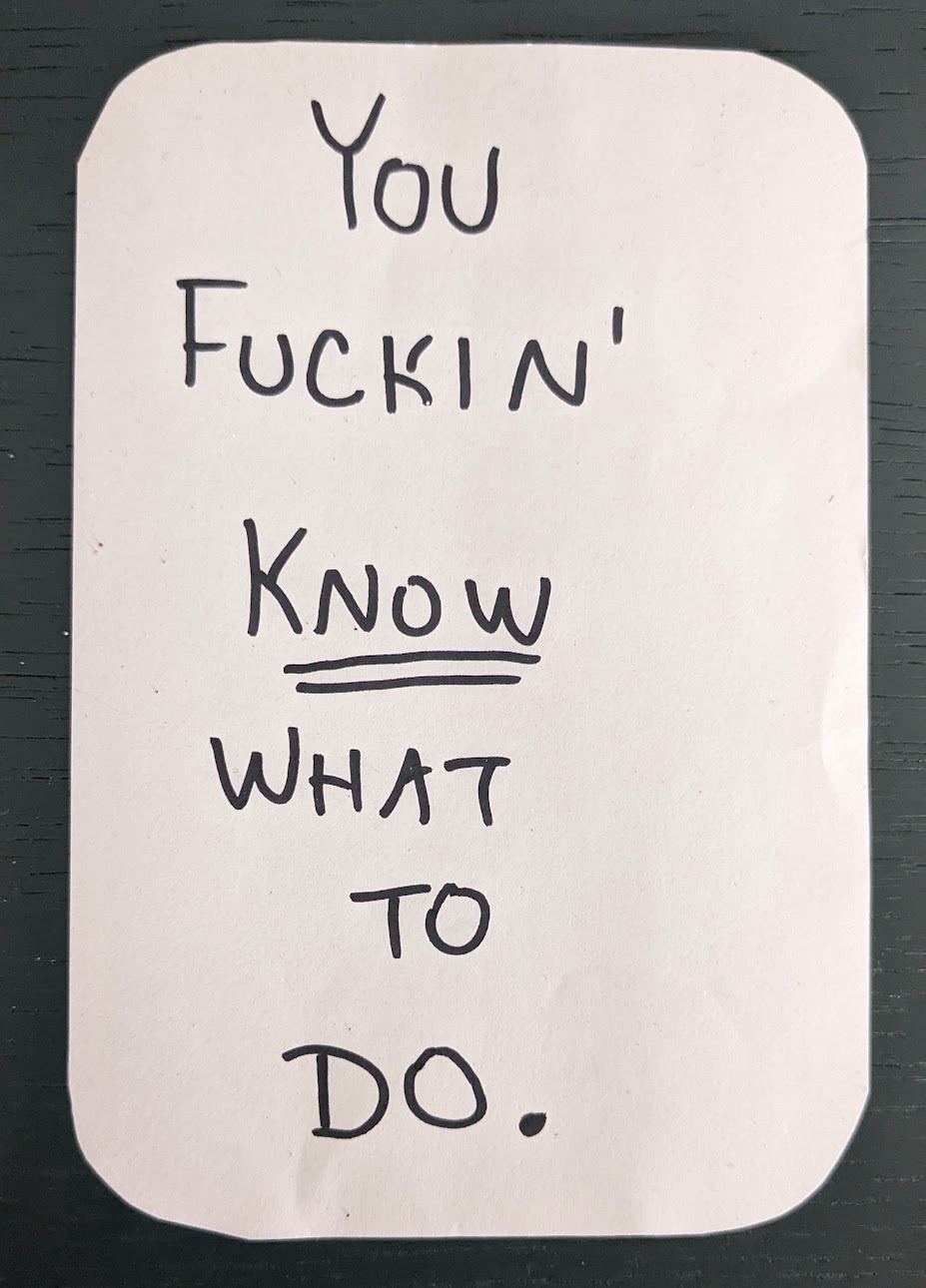
However, as the years progressed, a subtle but significant shift began to emerge. The absence of external obligations, deadlines, or the need to "earn a living" slowly eroded the intrinsic drive that once fueled these endeavors. What initially appeared as a dream scenario – never having to do anything one doesn’t want to do – gradually manifested as a struggle to consistently engage in activities that were known to be beneficial and enjoyable, but required concerted effort. This phenomenon underscores a critical aspect of human psychology: while autonomy is a fundamental human need, a complete lack of structure or external pressure can sometimes lead to a loss of purpose and a drift towards passive consumption rather than active creation.
The Gradual Erosion of Self-Initiative
The individual observed a distinct pattern over the past few years: a decline in the consistent energy and focus required for complex projects. The former drive to work on construction sites or intensely write compelling articles began to wane, replaced by an increasing inclination towards passive leisure, such as scrolling on a phone, and a pervasive "wishing" for the energy to pursue more engaging activities. This personal experience resonates with broader psychological observations that even highly motivated individuals can struggle with self-regulation when external accountability is removed.
Initial attempts to counteract this trend involved deep dives into health and wellness research, focusing on strategies to boost energy, focus, and motivation. While these efforts yielded valuable knowledge and temporary improvements in daily habits, the long-term consistency proved elusive. The core problem, as identified by the individual, was a subconscious misuse of freedom: employing it not to pursue higher value activities, but to avoid anything perceived as difficult or requiring significant planning and effort. This self-sabotage led to an accumulation of knowledge about effective strategies but a disproportionately low level of actual accomplishment.
The Paradigm Shift: From Hesitation to Immediate Action
A critical turning point arrived with the realization that the primary barrier was not a lack of knowledge or capability, but rather a habitual pattern of procrastination triggered by momentary hesitation. The individual’s former approach to tasks, such as weight training, involved an elaborate mental process of seeking "perfect conditions" – optimal time, weather, energy levels, and pre-prepared environment – before initiating action. This often resulted in inconsistent effort, with weeks sometimes passing between workouts, leading to lackluster fitness outcomes.
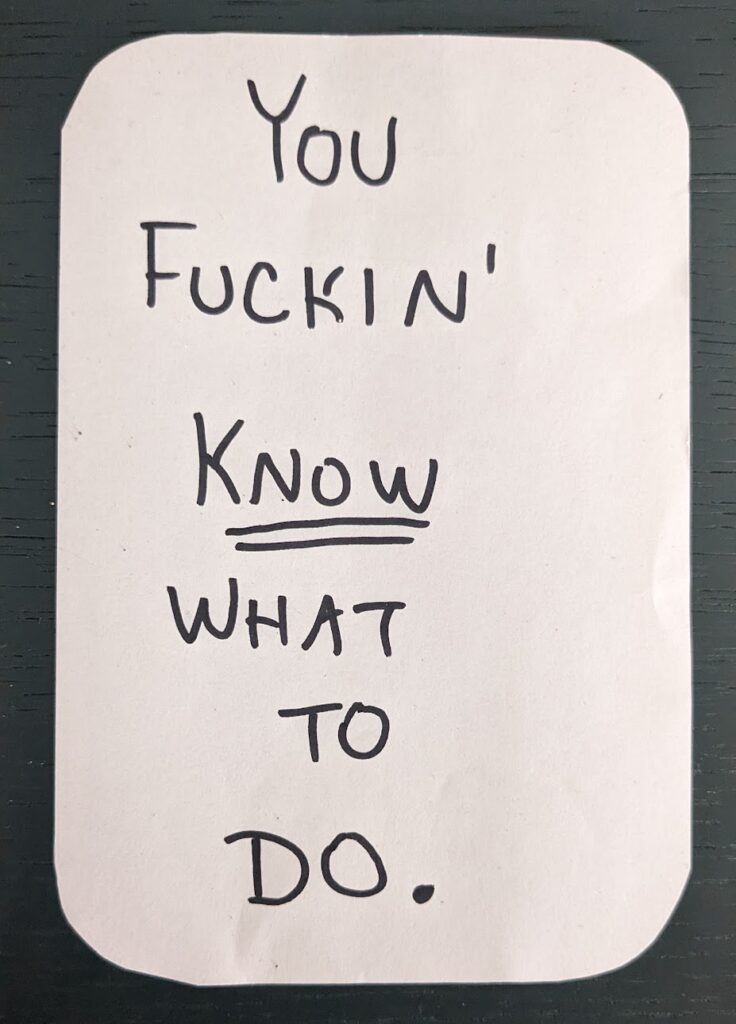
The transformative insight was to reframe the moment of hesitation. Instead of interpreting "I don’t feel like it" as a signal to defer or seek easier alternatives, it became a direct trigger for immediate action. The new internal dialogue was starkly different: "I want to work out today. I don’t feel like it. AHA!! I just caught myself trying to self-sabotage! I am now already putting on my shoes and walking to the gym." This counterintuitive approach bypasses the rationalization process that often leads to inaction, transforming a potential deterrent into a catalyst. This method aligns with principles of behavioral psychology, which suggest that often the most effective way to build habits is to lower the activation energy required to start and to act immediately upon an intention.
The Influence of Extreme Discipline: David Goggins as a Catalyst

While personal introspection initiated this shift, a powerful external catalyst was the exposure to the life story and philosophy of David Goggins. Goggins, a retired Navy SEAL, ultra-endurance athlete, and motivational speaker, is widely recognized for his extraordinary feats of physical and mental resilience. His background of severe childhood abuse and early struggles propelled him into a relentless pursuit of overcoming self-imposed limitations through extreme hardship. His achievements include pushing through multiple near-death experiences to qualify for Navy SEAL training, running 240 miles over four days without sleep, and setting a world record for 4,025 pull-ups in 24 hours.
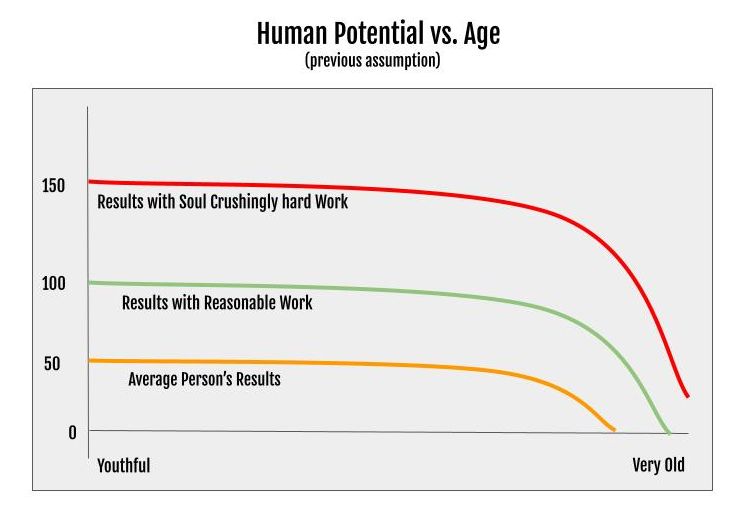
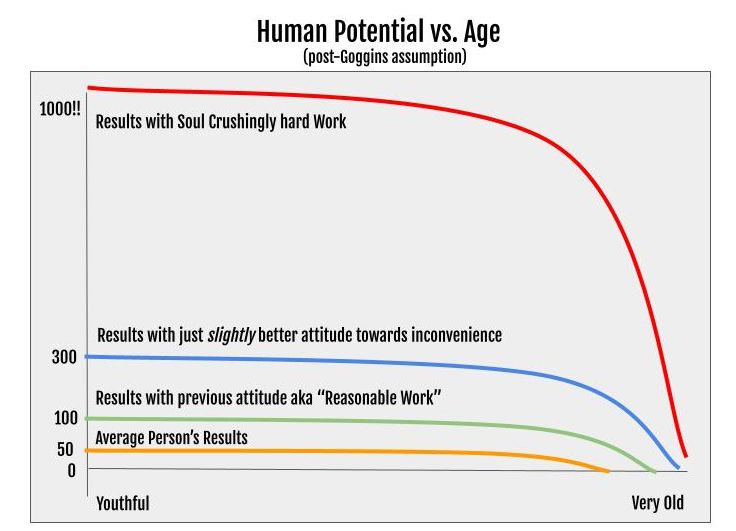
For the early retiree, Goggins’ story, though not to be replicated, provided a profound re-contextualization of personal barriers. It highlighted the extent to which perceived physical or mental limits are often self-constructed. Goggins’ philosophy that "pretty much all of our barriers are entirely mental, not physical or placed upon us by the outside world" resonated deeply. This perspective shifted the individual’s understanding of personal potential from a fixed, limited view to one where the sky of possibility had "opened way up." This is a common effect of encountering "extreme achievers"—they recalibrate one’s own sense of what is possible, not necessarily by inspiring imitation, but by challenging fundamental assumptions about human capability.
Tangible Outcomes and Broader Applicability
The adoption of this "hesitation-as-trigger" strategy, combined with the reframed perspective on human limits, yielded immediate and significant results. The individual reported being able to consistently hit the gym daily, irrespective of initial motivation. Over a four-month period, this led to a gain of ten pounds of lean weight, a return to strength and flexibility levels experienced at age 25, and a complete rejuvenation of joint health.
Beyond physical fitness, the technique was successfully applied to other areas requiring planning, energy, or focus. This included increasing running frequency (over 20 runs in a month), making more regular visits to a co-working space for productive work and social interaction, and even overcoming the inertia to write blog posts. The individual noted that while excessive engagement in certain activities, like blogging, can be detrimental, finding the "right level" requires significant discipline, especially when numerous easier and more thrilling alternatives are available.
Sustaining Motivation: The Role of Continuous Inspiration
To sustain this renewed drive, the individual emphasized the importance of continuously "refilling the inspiration tank." This involved immersing in the audiobooks of Goggins, as well as works by other high-performance and longevity experts like Peter Attia’s Outlive and Jocko Willink’s Extreme Ownership. These resources, despite sometimes being associated with "bro science" or "toxic masculinity" by critics, were approached pragmatically: messages that resonated and spurred action were absorbed, while others were discarded.
This selective absorption of motivational content highlights a critical aspect of personal development: the need to find sources of energy and accountability that align with individual goals and life phases. Being exposed to successful, strong, and disciplined individuals who extract significant output from themselves serves as a powerful source of motivation, helping to maximize daily productivity and well-being.
Implications for Modern Living and the Future of Retirement
The experience of this early retiree offers valuable insights for a broader audience, particularly in an era where discussions around work-life balance, purpose, and retirement are increasingly prevalent. The FIRE movement, while offering profound financial freedom, may inadvertently expose individuals to a psychological vacuum if not accompanied by a robust framework for self-direction and purpose. Studies on retirement often indicate that those who maintain strong social connections, engage in meaningful activities, and continue learning tend to experience higher levels of satisfaction and health.
The core lesson—that hesitation can be transformed from a barrier into a catalyst for action—is universally applicable, extending beyond early retirement to anyone struggling with procrastination or the gap between intention and execution. It underscores the idea that true freedom is not merely the absence of external constraints, but the internal capacity to choose and execute actions that align with one’s values and long-term well-being, even when immediate comfort beckons. In a world increasingly designed for ease and instant gratification, the cultivation of deliberate discipline, perhaps inspired by extreme examples, emerges as a vital skill for personal fulfillment and sustained productivity, redefining retirement not as an end to striving, but as a new arena for self-mastery.

