
Mr. Money Mustache, the influential personal finance blogger whose real name is Peter Adeney, has recently responded to a growing sentiment among some readers who suggest his substantial wealth has disconnected him from the core principles of frugality he champions. Despite accumulating significant assets over more than a decade of blogging and investing, Adeney asserts that his daily life and spending habits remain remarkably consistent with the cost-saving, efficiency-driven philosophy he introduced to millions. This public clarification underscores a central tenet of "Mustachianism": that financial independence is not merely about accumulating wealth, but about cultivating a lifestyle centered on enjoyment, self-sufficiency, and community, which inherently leads to lower expenses and greater fulfillment.
The Rise of Mustachianism and the FIRE Movement
Peter Adeney launched his blog, Mr. Money Mustache (MMM), in 2011, quickly becoming a cornerstone of the Financial Independence, Retire Early (FIRE) movement. His candid, often provocative style, coupled with practical advice on extreme savings, debt reduction, and strategic investing, resonated with a generation seeking alternatives to the traditional 40-year career path. Unlike conventional financial advice that often prioritizes maximizing income to afford a comfortable, often consumption-heavy, retirement, Mustachianism advocates for a fundamental shift in values. It encourages individuals to derive joy from efficiency, creativity, and self-improvement, which naturally leads to a reduced monthly expense rate, rather than viewing frugality as a temporary sacrifice. This philosophy posits that a well-designed life, rich in experiences and community engagement, is often less expensive than a life fueled by constant consumption. The blog’s influence has been profound, inspiring countless individuals globally to re-evaluate their relationship with money and work.
Addressing Perceptions of Detachment
The criticism Adeney addresses is a common challenge for public figures in the personal finance space who achieve significant wealth. Phrases such as, "He’s gotten too rich and fancy to understand the common person’s plight," or "Stash probably doesn’t even practice these money-saving things anymore," reflect a perception that affluence inevitably leads to a departure from earlier, more modest practices. This viewpoint often assumes that financial independence is solely a means to indulge in more extravagant consumption. Adeney, however, vehemently refutes this, framing such assumptions as a misunderstanding of the Mustachian ethos. He contends that his wealth is a direct outcome of his consistent adherence to these principles, not a signal of their abandonment. For Adeney and many within the broader Mustachian community, the satisfaction derived from efficient living and self-reliance is an end in itself, independent of one’s net worth.

The Enduring Principles of Frugal Living
Adeney emphasizes that his lifestyle, even with considerable wealth, continues to embody the principles he has advocated for over a decade. He identifies six key areas where his personal choices not only align with his philosophy but also generate substantial long-term financial benefits. These practices, he argues, are pursued not out of necessity, but because they genuinely enhance his quality of life, demonstrating that frugality can be a source of joy and empowerment. The financial savings, while significant, are often a secondary benefit to the intrinsic satisfaction derived from these choices.
1. Self-Sufficiency in Home Maintenance and Renovation
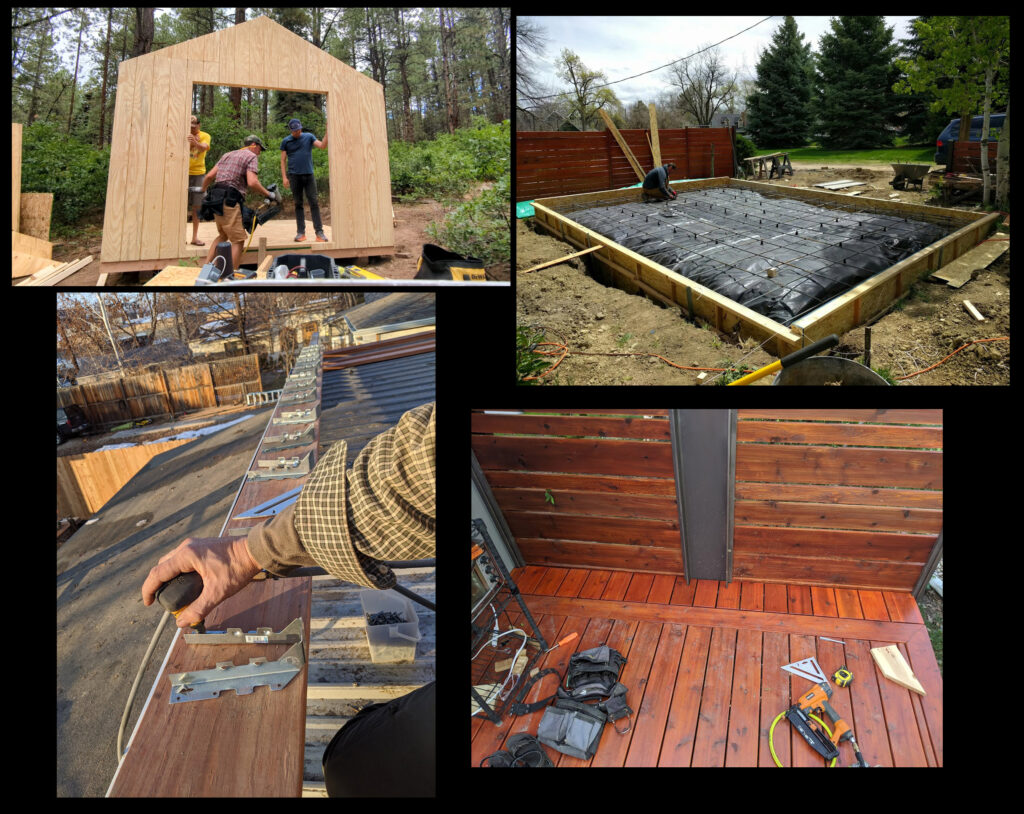
A cornerstone of Adeney’s philosophy is the cultivation of self-sufficiency, particularly in managing one’s living environment. Instead of outsourcing home repairs, renovations, and maintenance, he actively engages in these tasks himself, often assisting friends and community members. This hands-on approach reflects a belief in becoming a "producer of the things you most enjoy consuming." Data from various sources, including HomeAdvisor, indicate that homeowners can spend anywhere from 1% to 4% of their home’s value annually on maintenance and repairs, potentially thousands to tens of thousands of dollars. By acquiring and applying practical skills, Adeney bypasses these costs entirely, deriving satisfaction from problem-solving and creating functional, beautiful spaces. This not only saves money but also fosters a sense of empowerment and reduces dependence on external services, which can be both costly and time-consuming. His personal estimated savings in this category average $20,000 per year, compounding to an impressive $287,000 over a decade, when factoring in the opportunity cost of invested funds. This practice also extends to teaching others, strengthening community bonds and spreading practical knowledge.
2. Leveraging Community and Secondhand Markets
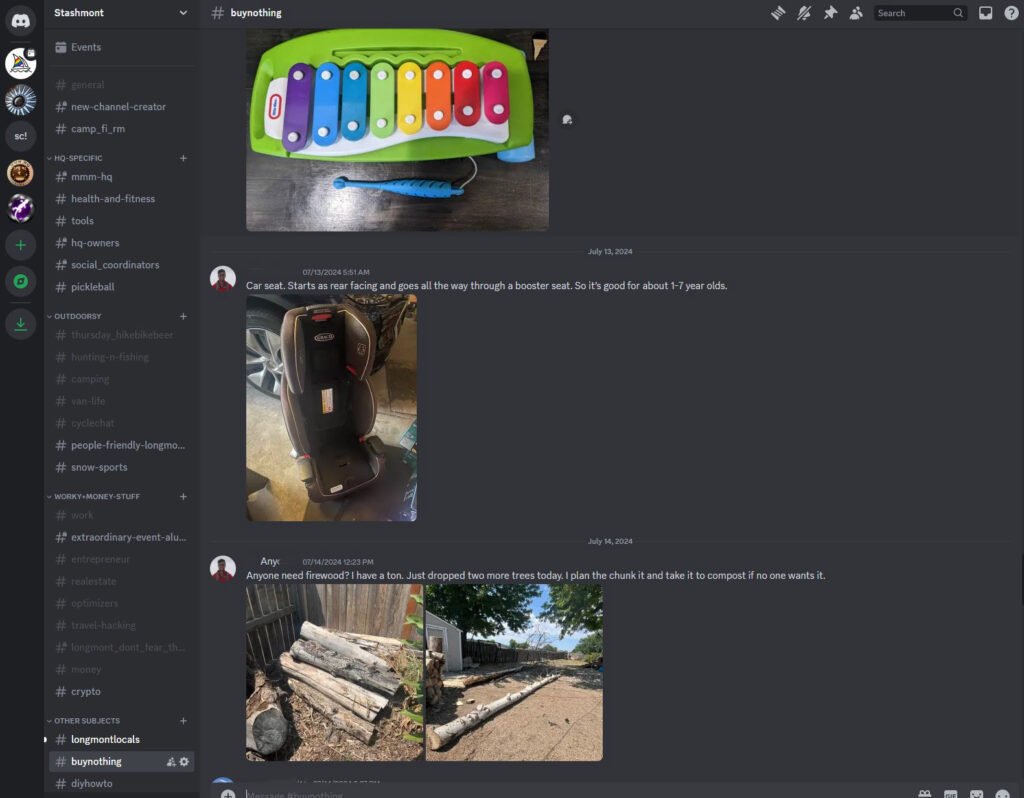
In an era dominated by instant gratification and new purchases, Adeney champions the use of platforms like Craigslist, Facebook Marketplace, and local "Buy Nothing" groups. This practice involves acquiring high-quality used items, repurposing materials, and engaging in community sharing. This approach stands in stark contrast to the estimated average household spending on new consumer goods, which can run into thousands of dollars annually. Beyond the direct financial savings, which Adeney estimates to be significant, this habit fosters community interaction and reduces environmental impact by extending the lifespan of goods. Within his local "MMM-HQ community," a private Discord server facilitates continuous exchange of goods and expertise, creating a micro-economy of shared resources. This model not only saves money but builds social capital and reduces waste, offering a tangible alternative to mainstream consumerism. Adeney calculates approximately $42,000 in savings over a decade from consistently engaging in these community-based consumption practices.
3. Prioritizing Active Transportation over Automobiles
A seminal piece on the MMM blog, "The True Cost of Commuting," famously highlighted the exorbitant expenses associated with car ownership and usage. Adeney continues to practice what he preached, utilizing bicycles and walking for an estimated 95% of his local trips. While the direct savings from reduced fuel consumption are apparent, the more substantial financial benefits come from minimized depreciation, maintenance, insurance, and parking costs associated with vehicle ownership. The American Automobile Association (AAA) reported in 2023 that the average annual cost of owning and operating a new vehicle was over $12,000, varying by vehicle type and mileage. By limiting his car usage to roughly 2,000 miles per year, Adeney estimates a "modest" direct savings of $14,000 per decade. However, the indirect benefits are arguably far greater, encompassing improved physical and mental health, reduced healthcare expenditures, and a decreased carbon footprint, aligning with principles of sustainable living.
4. Embracing Physical Labor and Rejecting Mechanization

Adeney’s "Muscle over Motor" philosophy extends beyond transportation to daily tasks, consciously choosing physical exertion over automated conveniences. This includes taking stairs instead of elevators, shoveling snow manually, raking leaves, and moving furniture himself. This choice is framed not as a chore, but as an opportunity to integrate fitness into daily life, asking himself, "Do you want MORE health and fitness, or LESS?" This perspective turns mundane tasks into active exercise, offsetting the need for costly gym memberships or specialized equipment. The financial implications are substantial, particularly in the context of rising healthcare costs. The Centers for Medicare & Medicaid Services (CMS) reported that U.S. national health expenditures reached $4.5 trillion in 2022, averaging over $13,000 per person annually. By maintaining a high level of physical fitness and health, Adeney estimates his lifetime medical costs have been near zero, resulting in significant savings and increased productivity. Conservatively, he attributes $10,000 in annual savings and benefits to this active lifestyle, translating to an estimated $140,000 per decade.
5. Innovative Energy Efficiency and "Glamping" at Home
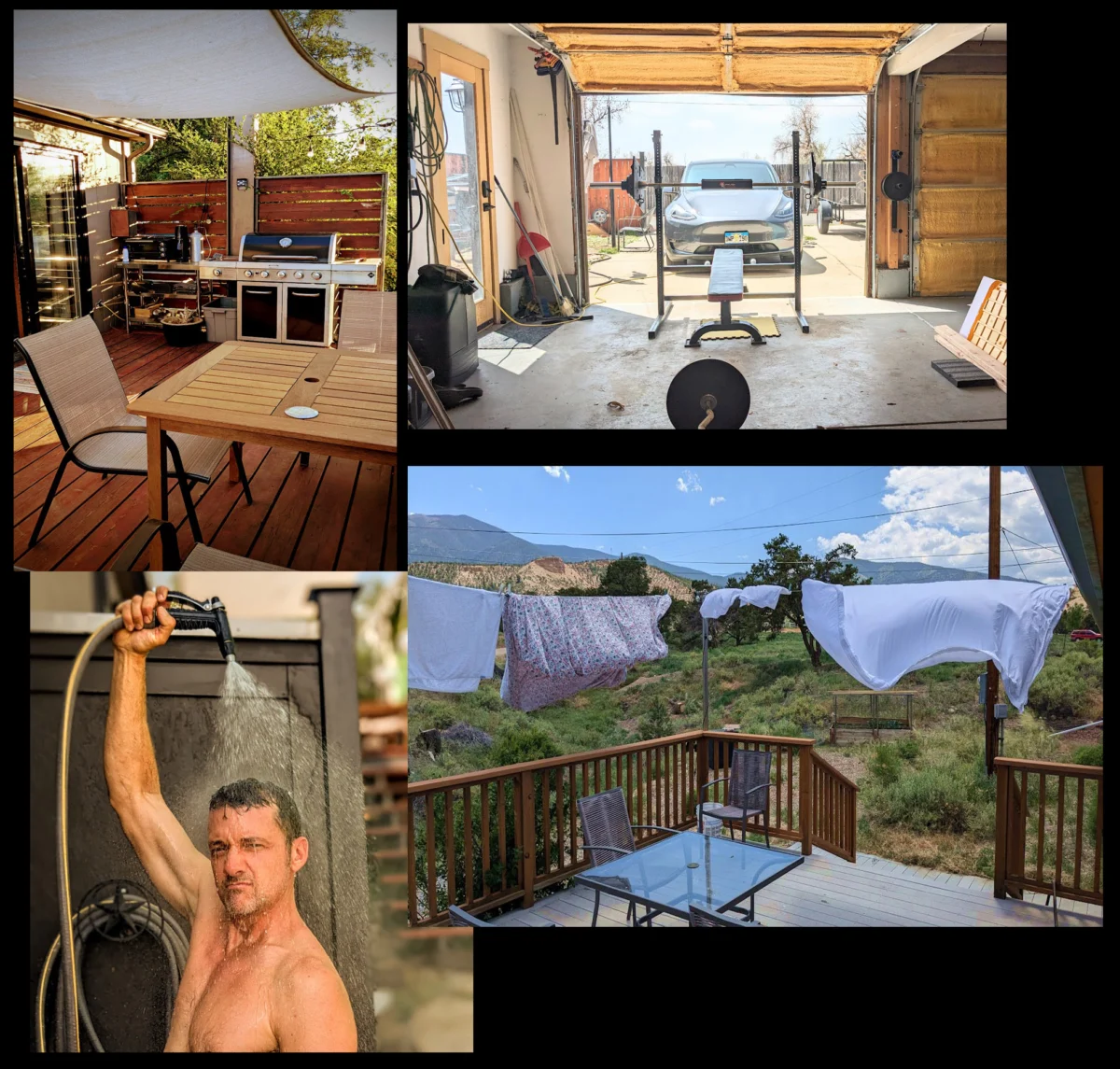
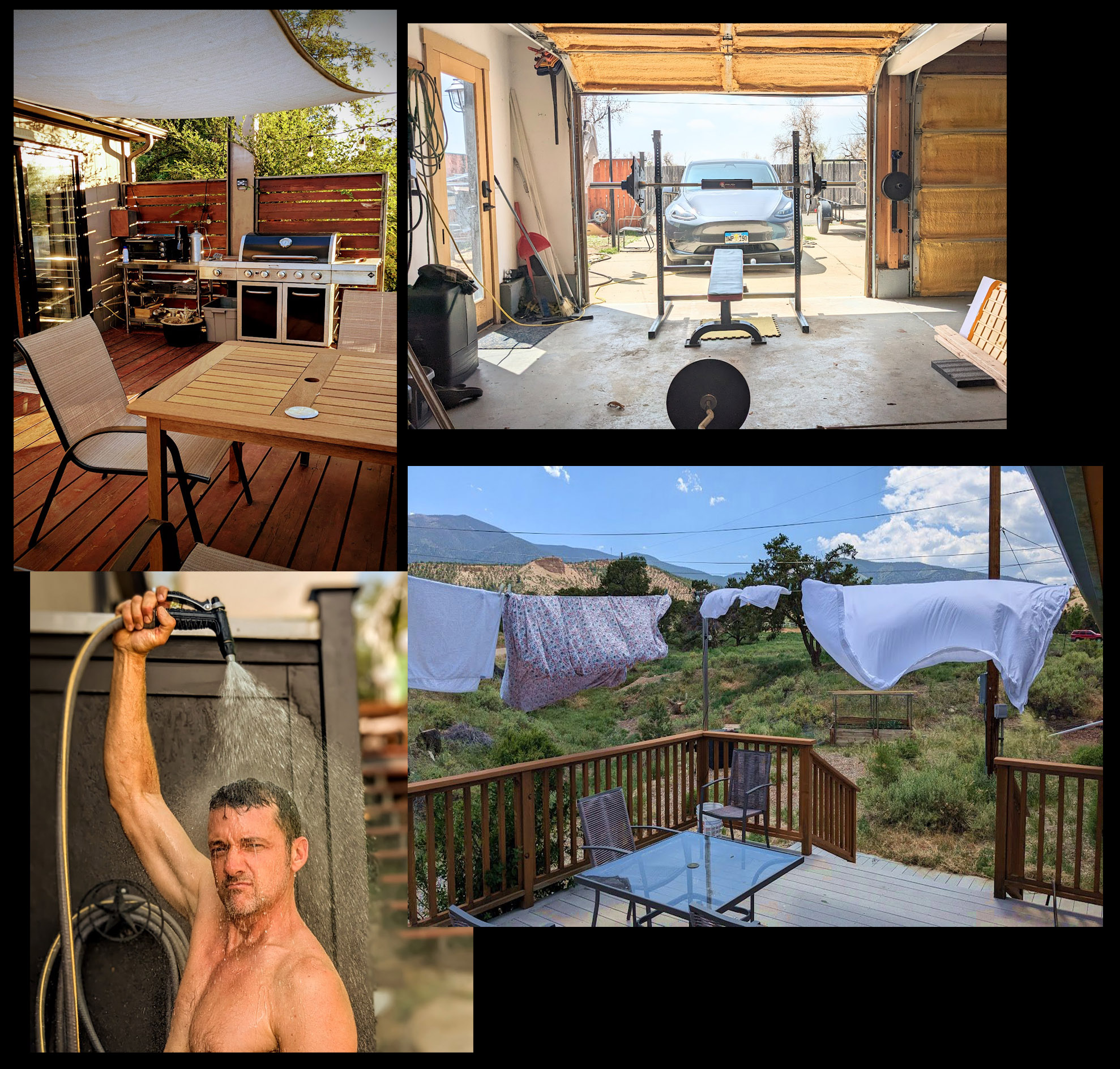
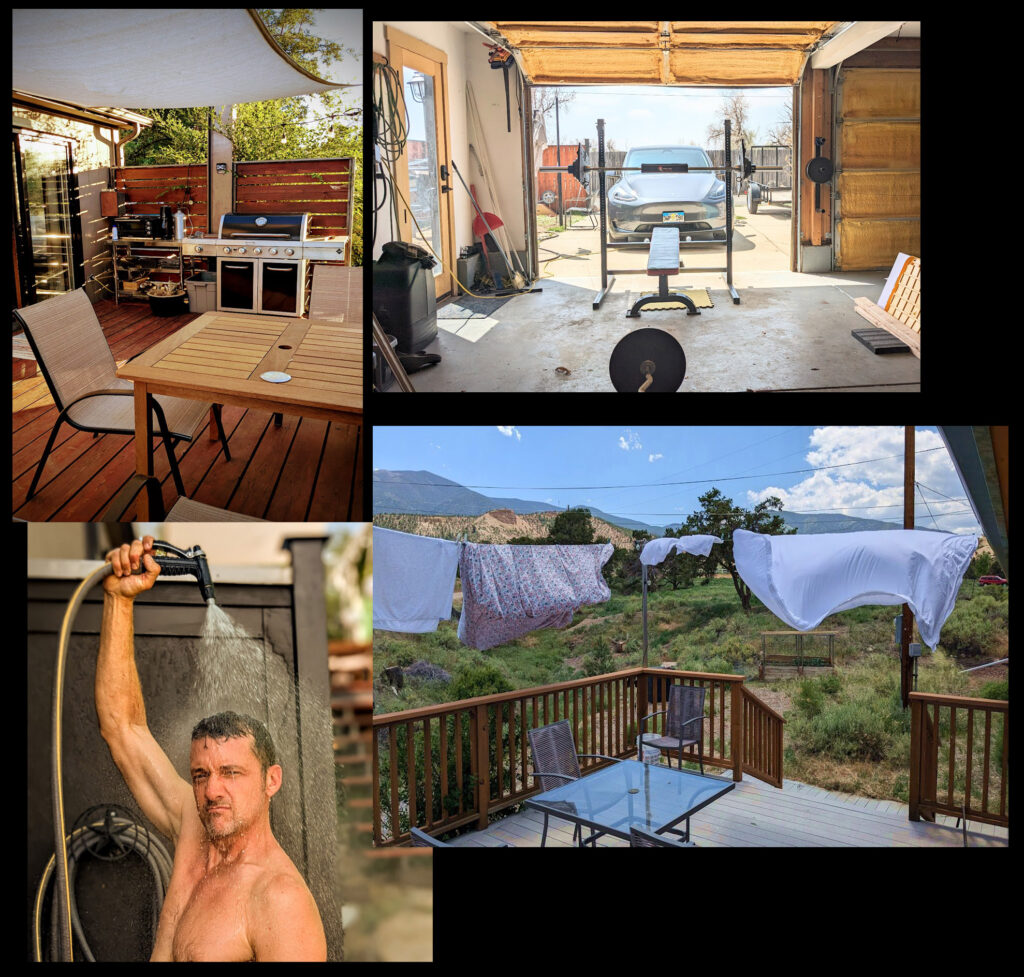
Perhaps the most unconventional of Adeney’s practices is his approach to home energy consumption, which he playfully describes as running his home like a "glamping retreat." This involves a combination of engineering ingenuity, environmental consciousness, and a willingness to embrace outdoor living. Examples include installing passive solar features, utilizing outdoor showers and cooking facilities, and even outdoor laundry. While some of these practices might seem extreme to the average homeowner, they stem from a deep enjoyment of hands-on experimentation and living in harmony with natural cycles. The average monthly combined gas and electric bill in the U.S. can range from $150 to $400, depending on location and usage. Adeney’s utility costs hover around $75 per month, a fraction of the average. Though the direct savings of $30,000 per decade might appear less dramatic than other categories, Adeney views this as a significant "win" due to the profound satisfaction and enjoyment derived from his "Energy Efficiency Playground." This approach highlights that living efficiently can be a creative and fulfilling endeavor, not just a sacrifice.

6. Prioritizing Local Living and Discerning Travel
In a culture that often equates constant travel with a desirable lifestyle, Adeney advocates for a balanced approach, emphasizing the value of "local living." While acknowledging the benefits of travel for broadening horizons, he suggests that many individuals over-prioritize being away from home, often at the expense of local community engagement and personal well-being. He notes a common phenomenon where friends lament missing local events due to pre-booked trips. By consciously choosing to say "no thanks" to some travel opportunities and "yes please" to local activities, he cultivates deeper community ties, enjoys his home environment more, and avoids the significant costs associated with frequent travel. For a family of four, just two weeks of travel can easily incur expenses of $5,000 to $10,000 or more. Adeney estimates that by mindfully reducing travel, a family could save $5,000 annually in direct costs and another $5,000 in incidental benefits like stronger local friendships and improved health. This leads to a substantial estimated wealth increase of $143,000 per decade. This practice underscores the idea that richness of life doesn’t solely come from exotic destinations but also from deeply engaging with one’s immediate surroundings and community.
Cumulative Impact and Broader Implications
Collectively, these six practices, when consistently applied and compounded over time, result in staggering financial benefits. Adeney’s conservative estimates suggest these habits contribute over $656,000 to his net worth every decade. To put this in perspective, the Federal Reserve’s 2022 Survey of Consumer Finances indicated that the median retirement savings for Americans aged 55-64 was around $180,000. Adeney’s decade-long adherence to these principles generates wealth that far surpasses the median lifetime savings of many American seniors, often accumulated over 40 years of work.
The implications of Mr. Money Mustache’s continued lifestyle are significant for the broader discourse on financial independence and consumerism. It challenges the notion that wealth inevitably leads to a lavish lifestyle, demonstrating that for those who have cultivated a love for efficiency and purposeful living, increased financial security merely amplifies their ability to live according to their values. This approach suggests that true financial independence is not just about having enough money to buy anything, but having the freedom to live a life that is intrinsically rewarding, environmentally conscious, and deeply connected to community, regardless of external pressures to consume. His message reinforces that the path to financial independence and a fulfilling life often involves simply "tweaking your lifestyle to be slightly less ridiculous and more efficient than average."

