
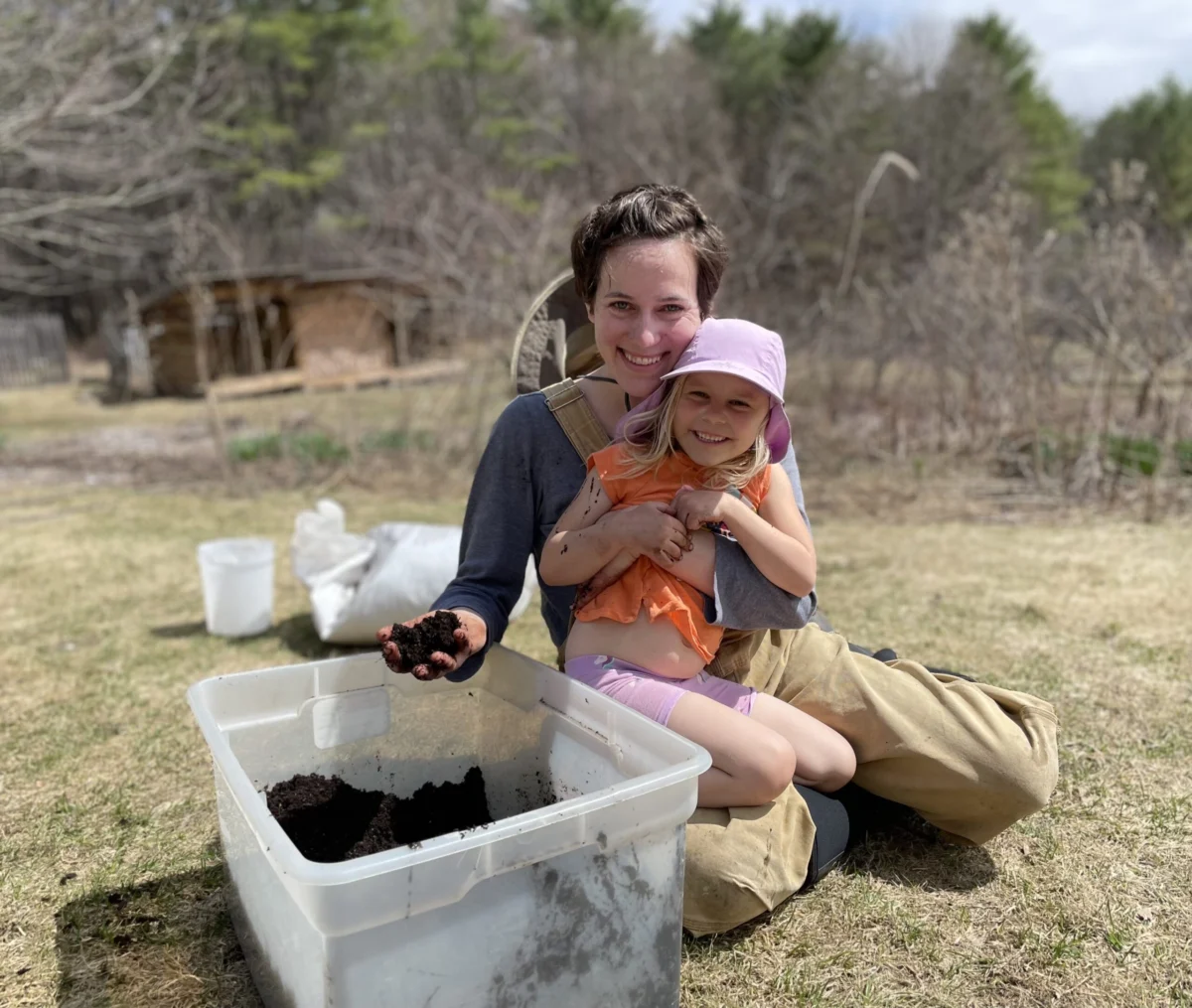
The transition from urban professional environments to rural self-sufficiency represents a significant demographic shift observed over the last decade, particularly in the Northeastern United States. In May 2016, the founders of the prominent personal finance and lifestyle platform Frugalwoods transitioned from a city-centric existence to a 66-acre homestead in rural Vermont. This move was predicated on a common contemporary ambition: the desire for total food autonomy and a departure from the "rat race" of metropolitan living. However, seven years of longitudinal experience have provided a data-rich case study on the practical limitations of subsistence farming for modern families. The evolution of this homesteading journey highlights a critical divergence between the romanticized "Little House on the Prairie" ideal and the rigorous, often exhausting, realities of agricultural production and food preservation.
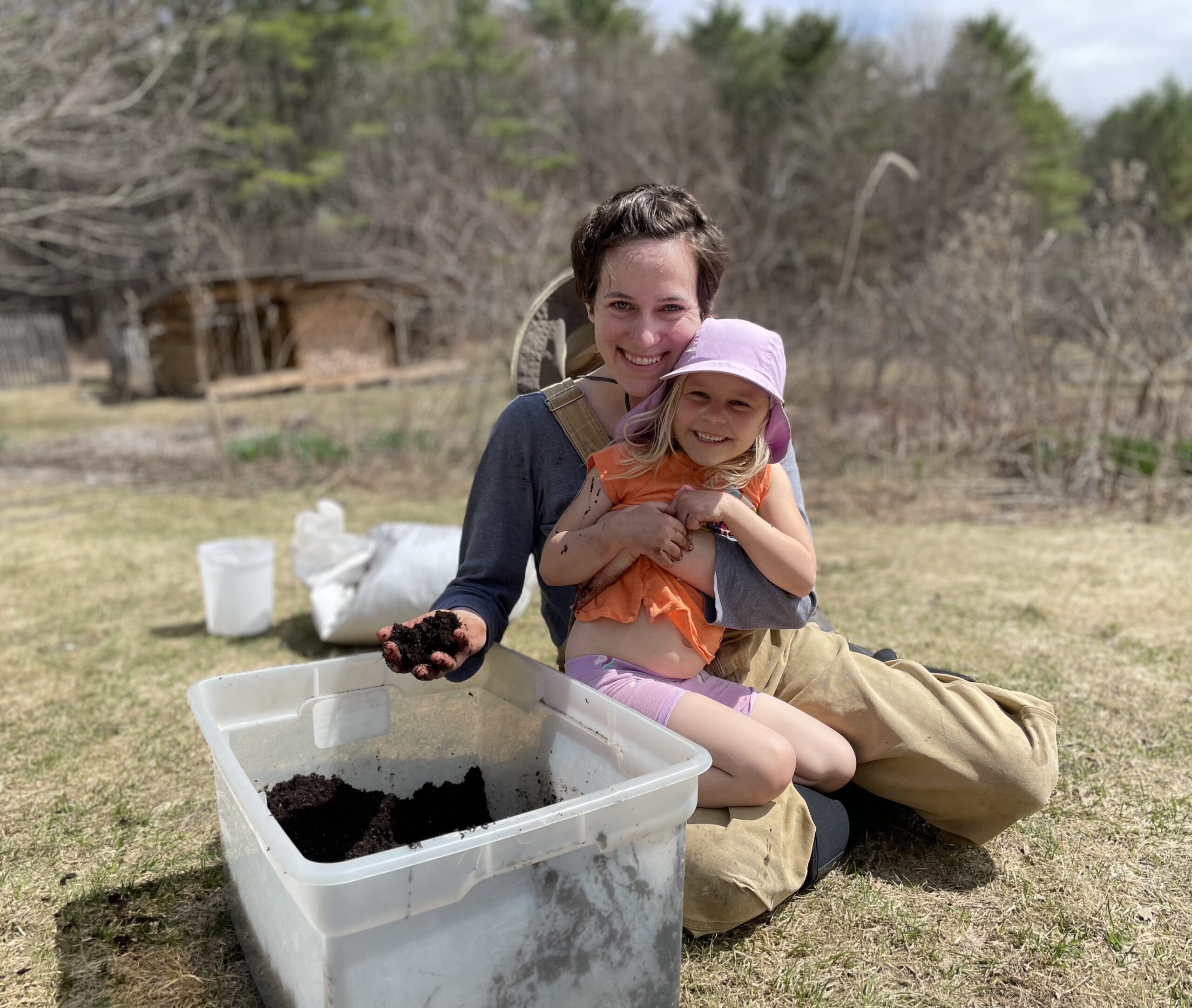
The Disconnect Between Idyllic Vision and Logistical Reality
The initial move to rural Vermont was driven by what the founders describe as "gargantuan assumptions" regarding self-sufficiency. The primary objective was to produce a majority of the household’s caloric and nutritional needs through intensive gardening and animal husbandry. This vision included not only the cultivation of annual vegetables but also the management of meat chickens, pigs, goats, and dairy cows for homemade butter and cheese.

Journalistic analysis of the "Back-to-the-Land" movement suggests that this idyllic vision often fails to account for the "labor-time" cost of production. According to data from agricultural extension offices, the hours required to manage a diverse homestead can exceed 40 to 60 hours per week during peak seasons, effectively replacing one full-time corporate role with another. For the Frugalwoods founders, the realization that "chaining oneself to a vegetable garden is no different than chaining oneself to a desk" became the catalyst for a fundamental shift in their operational philosophy.

Chronology of a Homestead: From Ambition to Equilibrium
The timeline of the Frugalwoods homestead serves as a representative model for the modern rural transition:

- May 2016: Acquisition of the 66-acre property. Initial focus on land assessment and basic infrastructure.
- 2016–2017: Early experimentation with annual crops. The founders faced the steep learning curve of Vermont’s short growing season and unpredictable weather patterns, including ice storms that severed power and water for extended periods.
- 2018: The "Kale and Chard Apocalypse." This year marked a peak in production volume, where the planting of 80 kale and chard starts led to an unmanageable surplus.
- 2020: Infrastructure expansion. The construction of four raised beds near the primary residence shifted the focus toward "kitchen gardening"—growing high-frequency, low-maintenance crops closer to the point of consumption.
- 2021–2023: The "Acceptance Phase." The founders moved away from the goal of total self-sufficiency, instead opting for a balanced model that includes supporting local commercial farmers.
Case Study: The Labor Demands of Food Preservation
The 2018 harvest of 80 kale and chard plants provides a stark illustration of the "preservation bottleneck." While the growing of the plants was successful, the subsequent labor required to prevent waste was staggering. The process for a single harvest of a single crop involved:

- Harvesting: Hours of manual labor in the fields.
- Cleaning: Utilizing large-scale rinsing stations (including a baby pool) to process enormous volumes of greens.
- Preparation: De-stemming, chopping, and blanching.
- Final Processing: Vacuum sealing and freezing or dehydrating.
This cycle required several days of continuous labor, often with additional help from extended family. Despite this effort, the founders discovered that their rate of consumption did not match their rate of preservation. Significant portions of the home-canned and frozen goods eventually spoiled, leading to the demoralizing task of composting "hard-won preservation." This event served as the definitive turning point, leading to a rejection of the "perfect homesteader" archetype in favor of a more sustainable, less stressful approach to land management.

Supporting Data on Small-Scale Agricultural Viability
The challenges faced on the Vermont homestead align with broader agricultural statistics. According to the USDA’s Economic Research Service, small-scale farms (those with less than $350,000 in annual gross cash farm income) often struggle with profitability and labor efficiency. For hobbyists or homesteaders, the "cost per calorie" produced at home is frequently higher than the cost of purchasing organic produce from local commercial growers who benefit from economies of scale.

Furthermore, the Vermont climate presents specific hurdles. The state’s USDA Hardiness Zones range from 3b to 5b, meaning the growing season is compressed. Successful subsistence requires not just growing, but highly efficient storage. Experts from the University of Vermont (UVM) Extension emphasize that without professional-grade storage facilities—such as root cellars with precise humidity control or industrial-capacity freezing—food waste is an almost inevitable byproduct of large-scale home gardening.

Infrastructure and Perennial Challenges in the Vermont Landscape
As of 2023, the Frugalwoods homestead has stabilized its food production into three distinct areas, reflecting a shift from "quantity" to "strategic utility":
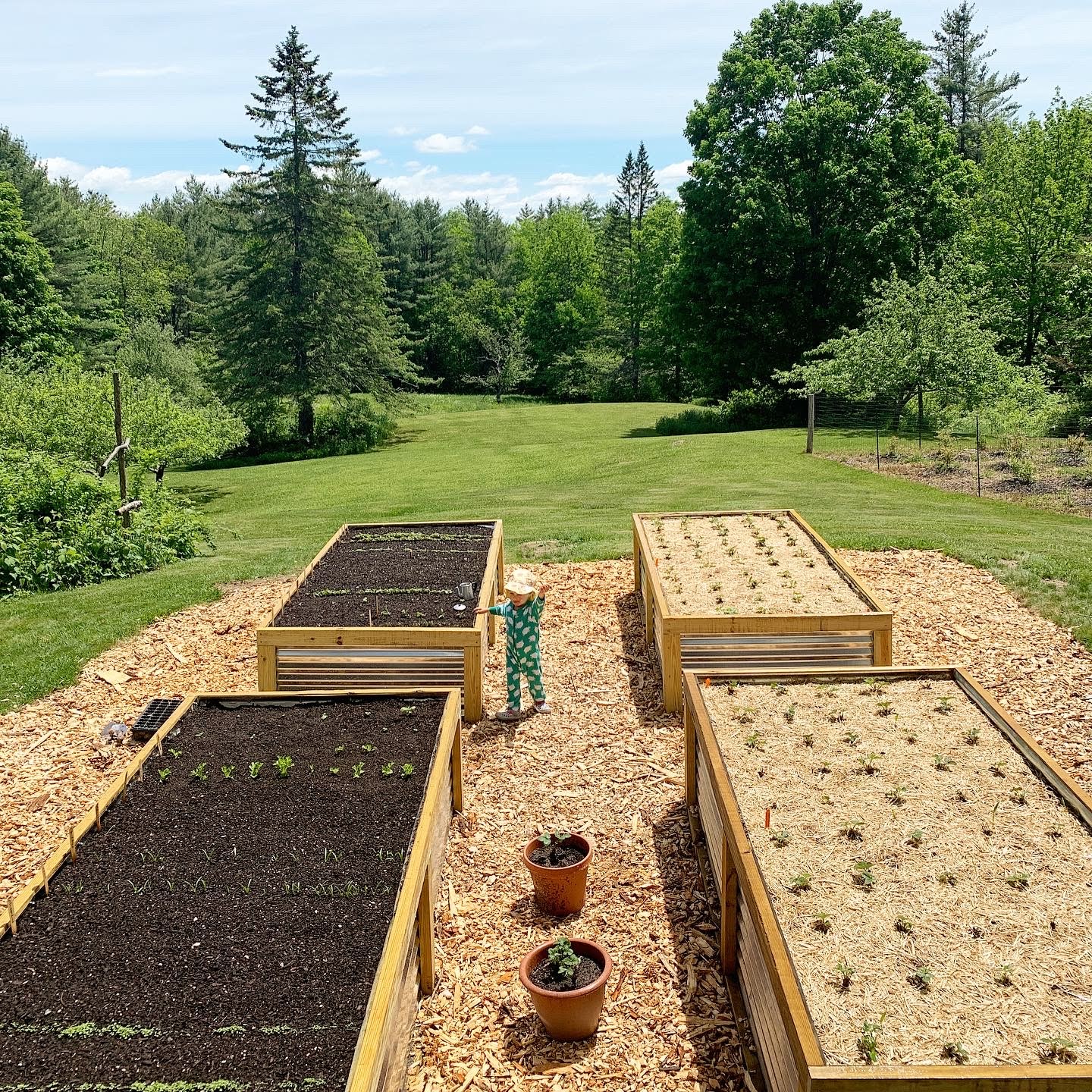
- Proximal Raised Beds: Used for strawberries, herbs, and salad greens. This "zone 1" approach (in permaculture terms) maximizes the ease of harvest for daily meals.
- The "Big" Vegetable Garden: A fenced area utilizing cattle panels for vertical growth of tomatoes, beans, and squash. This area now includes designated rows for children, serving an educational rather than purely subsistence purpose.
- Perennial Orchards and Berry Patches: A long-term investment including apples, plums, cherries, blueberries, and raspberries.
However, even established perennials face what the founders call the "Clever Varmint Patrol" (CVP). In rural Vermont, local wildlife—including deer, turkeys, and bears—often harvest fruit the moment it reaches peak ripeness. The founders noted a specific incident where a flock of wild turkeys became trapped inside a fenced blueberry patch, highlighting the constant conflict between human cultivation and natural foraging.

Broader Implications for the Modern Back-to-the-Land Movement
The Frugalwoods experience offers a vital lesson in "expectation management" for those considering a move to rural areas. The shift from an "all-or-nothing" approach to a "moderate and joyful" approach suggests that the true value of homesteading may not lie in the total displacement of the grocery store, but in the connection to the land and the local community.

By choosing to buy food from neighboring farmers, the founders have transitioned from isolated subsistence to a model of "community-supported agriculture." This supports the local rural economy and allows specialized farmers—who possess the machinery and expertise to farm efficiently—to handle the heavy labor of caloric production.

Conclusion: The Shift Toward Sustainable Localism
The seven-year retrospective of the Frugalwoods homestead indicates that "acceptance" is the final and most necessary stage of gardening. The founders have successfully divorced their self-worth from their agricultural output, recognizing that the pressure for "homesteading perfection" can be just as toxic as the corporate pressures they originally fled.

In 2023, the homestead operates on a philosophy of balance. Gardening is treated as a skill-building activity and a source of fresh supplemental food, rather than a full-time job. This evolution mirrors a broader trend in the modern homesteading movement: a move away from the "survivalist" mindset of the 1970s toward a "sustainable localism" that prioritizes mental health, community integration, and the enjoyment of the rural environment over the strict metrics of self-sufficiency. The Frugalwoods journey stands as a factual testament to the idea that living "in the woods" does not require one to become a 19th-century pioneer, but rather a thoughtful participant in a modern, interconnected rural ecosystem.

