
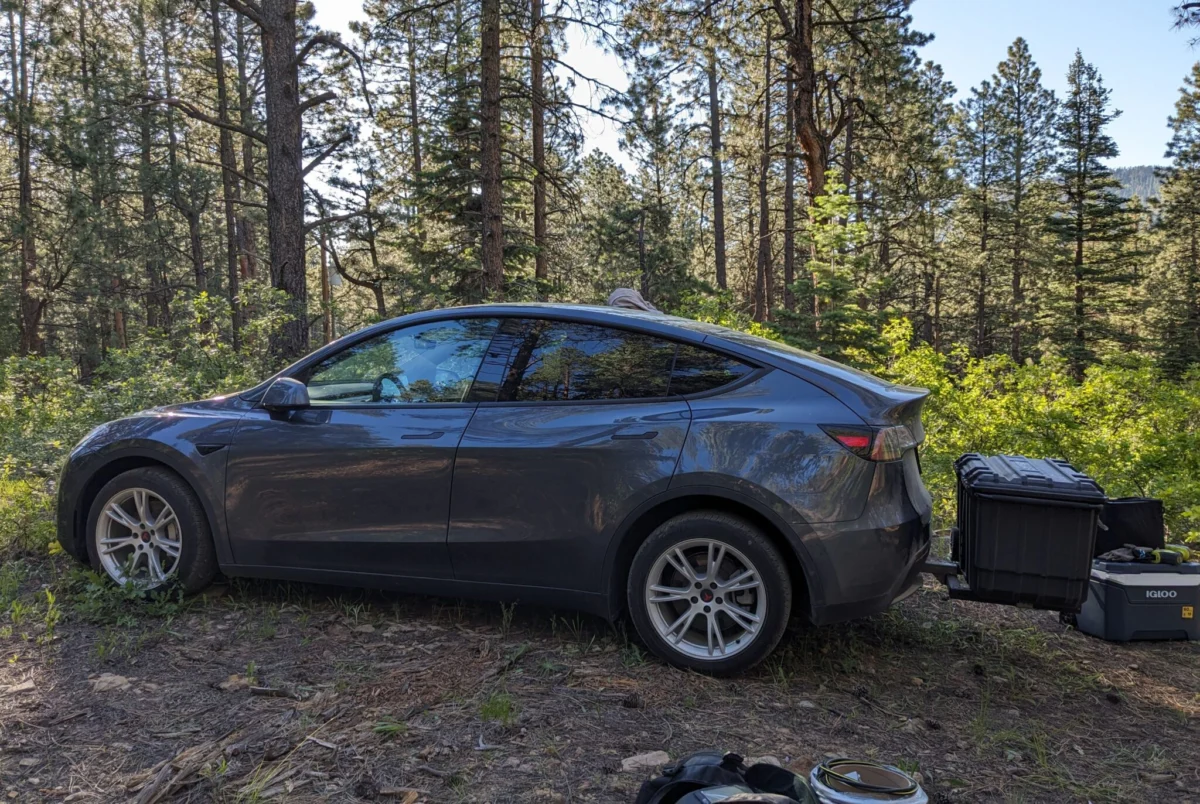
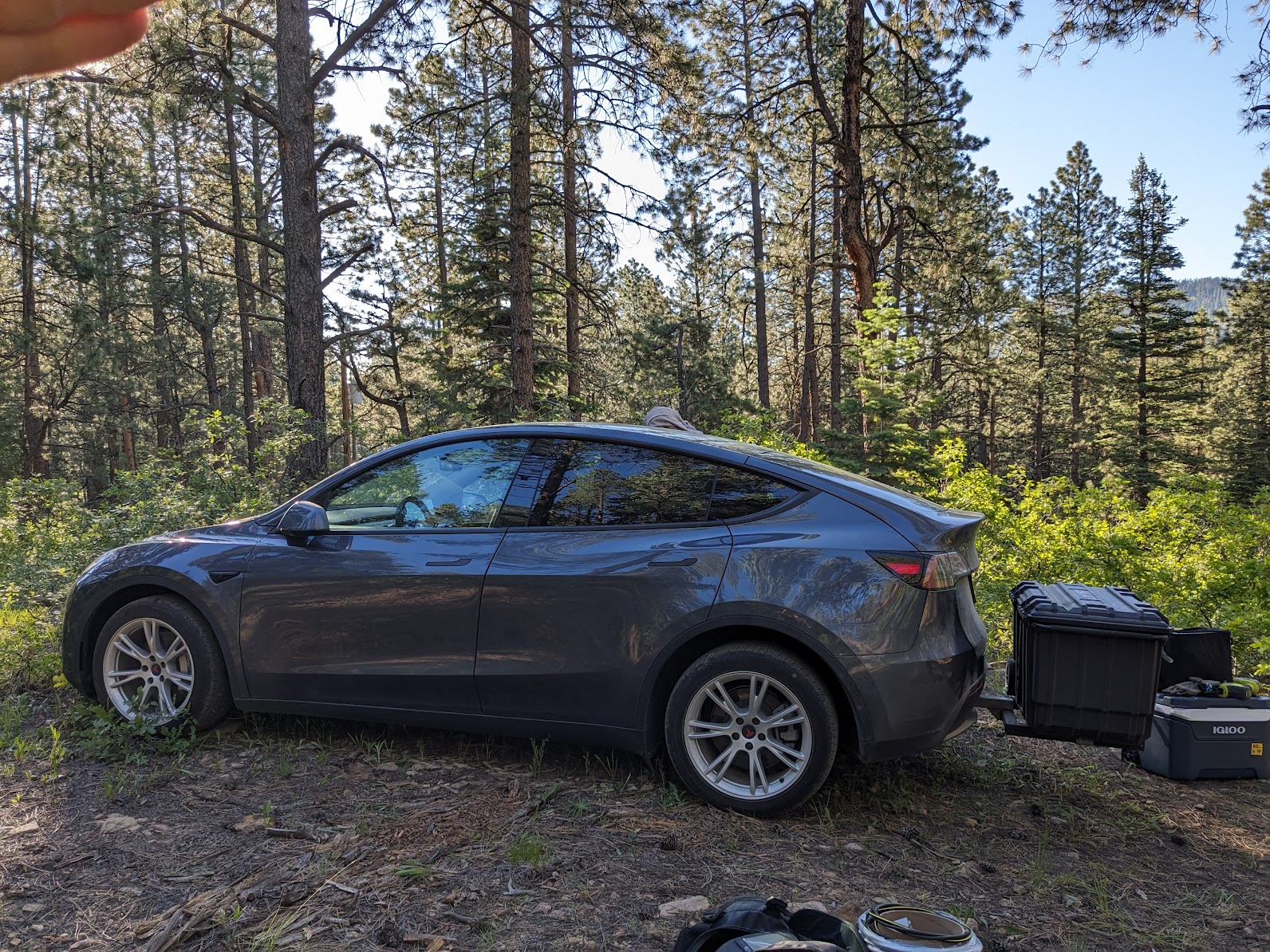
Mr. Money Mustache, the influential financial independence blogger renowned for his stringent advocacy of frugality and early retirement, has recently announced the acquisition of a 2023 Tesla Model Y. This purchase, a luxury electric crossover valued at a net cost of approximately $52,000 after tax credits and other adjustments, marks a significant departure from the personal financial habits he has championed for years, particularly his long-standing aversion to expensive vehicles. The acquisition replaces a 23-year-old Honda van, which was purchased for a mere $4,500 twelve years ago and served as a symbol of his practical, minimalist approach to transportation.
The Frugality Paradox and Public Perception
For over a decade, Mr. Money Mustache, whose real name is Peter Adeney, has cultivated a massive following by promoting extreme savings, conscious consumption, and a deep skepticism of consumerism, particularly "car culture." His blog, launched in 2011, became a cornerstone of the Financial Independence, Retire Early (FIRE) movement, inspiring countless individuals to re-evaluate their spending habits to achieve financial freedom. The image of a high-performance, technologically advanced Tesla Model Y, described by Adeney himself as "absolutely loaded to the gills with excess" – featuring all-wheel drive, rapid acceleration comparable to a Lamborghini, seven-person seating capacity, and advanced computing capabilities – stands in stark contrast to the persona of a blogger who once famously detailed "Grocery Shopping With Your Middle Finger" as a protest against perceived overpricing. This apparent contradiction has naturally sparked discussion among his readership, prompting Adeney to address the "self-mockery and ridicule" he anticipates from his naturally frugal audience.
A Foundational Shift: "What Got You Here, Won’t Get You Where You’re Going"
Adeney articulates his decision as an embodiment of the wisdom, "What got you here, won’t get you where you’re going." This principle suggests that the strategies and mindset required to achieve a goal, such as early retirement through aggressive saving, may not be the most effective for navigating the subsequent phase of life, which involves enjoying the fruits of that labor. He illustrates this shift with a relatable anecdote involving a $6.99 loaf of Dave’s Killer Bread. Despite his substantial net worth, his initial reaction was to resist the high price, a reflex developed over years of disciplined frugality. He recounts a "mental battle" before realizing that such minor savings would have no material impact on his long-term happiness or financial security. This introspection, shared with a similarly affluent and frugal friend, led to a realization that ingrained penny-pinching habits can, paradoxically, hinder the enjoyment of a well-earned retirement. The friend, despite a net worth several times higher than Adeney’s, also struggled with small splurges, like taking an Uber instead of a bus to the airport, highlighting a common psychological barrier among those who achieved wealth through extreme thrift.
Chronology of the Automotive Transition
The transition from a decades-old minivan to a cutting-edge electric vehicle was not sudden but rather a gradual evolution influenced by evolving needs and a philosophical shift:
- Circa 2011: Adeney acquired a used Honda van for $4,500 via Craigslist. This vehicle would become a workhorse, symbolizing his frugal and practical approach to transportation for over a decade.
- 2019 onwards: Despite increasing calls from his community and close associates to upgrade, Adeney admits to "procrastinating on buying this expensive car for the last four years," showcasing his deep-seated resistance to significant discretionary spending.
- Early 2023: The aging Honda van, having faithfully served for 23 years, began exhibiting increasing unreliability, causing stress and limiting long-distance travel.
- Spring 2023: A final, decisive incident occurred when the Honda van experienced a "hot and smelly transmission failure on a mountain pass" while Adeney was returning from a new property project in Salida, Colorado. This event served as the definitive "nudge" for the replacement.
- July 2023: Mr. Money Mustache took delivery of his new 2023 Tesla Model Y, officially embarking on what he terms "The Model Y Experiment." The old Honda van was subsequently sold to an online salvage service, Peddle.com, for $715 cash.
New Principles for Thoughtful Spending in Retirement
To overcome these deeply ingrained frugal instincts, Adeney and his friend developed three guiding principles designed to encourage a more balanced approach to wealth utilization:
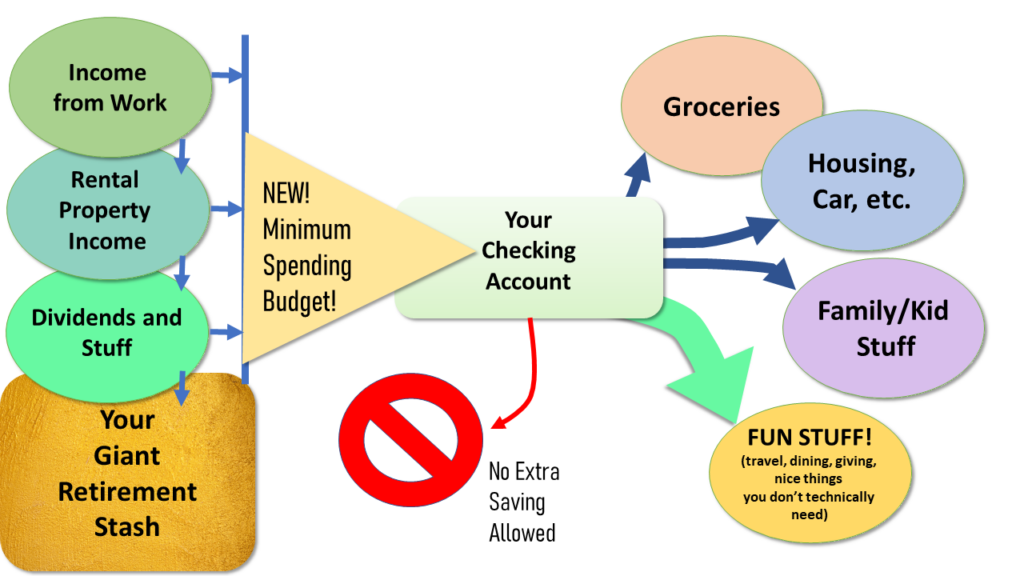
1. The Minimum Spending Budget
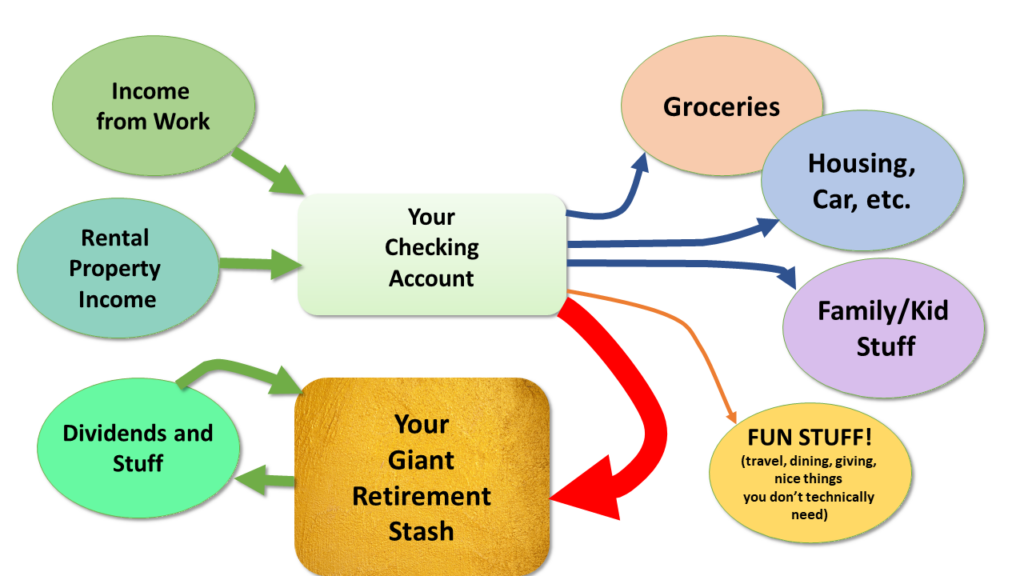
This principle challenges financially independent individuals to establish a baseline annual spending level that aligns with their accumulated wealth, rather than automatically defaulting to the lowest possible expenditure. For a hypothetical individual with a $2 million investment portfolio, applying the conservative 3% rule suggests a safe annual spending capacity of $60,000, significantly higher than the typical sub-$40,000 budgets many Mustachians maintain. Adeney argues that remaining excessively below this threshold, while financially safe, often means foregoing desirable experiences or upgrades without real necessity. This strategy aims to shift the mindset from perpetual accumulation to thoughtful deployment of capital for enhanced quality of life. He notes that many high-net-worth individuals, despite knowing their spending capacity, continue to live on much less, still balking at minor price increases for everyday items.
2. The Dedicated Money Wasting Account
Recognizing the psychological difficulty of spending "hard-earned" money on things that seem frivolous, this principle advocates for creating a separate, designated fund for discretionary spending. By conceptually separating this "fun money" from the main investment portfolio, it aims to emulate the psychological freedom of spending "somebody else’s money," as one might on a business trip where the bill is not directly seen. This mental accounting trick can alleviate guilt and encourage individuals to enjoy their wealth without the constant internal debate over every dollar. Adeney suggests that by compartmentalizing these funds, individuals can bypass the ingrained mental barriers that equate spending with financial irresponsibility.
3. The Splurge Accountability Buddy
Acknowledging the social reinforcement of frugal habits, Adeney proposes partnering with like-minded friends who are also working to recalibrate their spending. These "buddies" can provide mutual encouragement, challenge overly cautious decisions, and celebrate thoughtful splurges. He cites examples from his own circle, including a wealthy friend now more willing to invest in quality home goods and travel, and Carl (Mr. 1500 Days), a fellow FIRE community figure, who upgraded his minivan to a Chevrolet Bolt EV. This peer support system helps normalize and validate spending decisions that might otherwise feel extravagant or contradictory to one’s frugal identity.
Effective Splurging: A Nuanced Approach
Beyond simply spending more, Adeney emphasizes the importance of effective splurging. He advises against merely reducing hardship by outsourcing all chores, as overcoming daily challenges can contribute significantly to life satisfaction. Similarly, he suggests avoiding upgrades to aspects of life that are already perfectly satisfactory. For instance, despite a friend’s recommendation to invest in high-end coffee roasting equipment, Adeney, content with his Costco coffee, recognized this would be a counterproductive "upgrade."
Instead, he recommends targeting spending toward areas that cause "regular angst and stress." This could include addressing a leaky roof, mitigating a frustrating daily commute, or improving personal fitness. In his own case, the combination of his short-range Nissan Leaf and the increasingly unreliable Honda van created a "small but consistent source of negative stress" related to long-distance travel. The Tesla, therefore, is not merely an upgrade but a direct solution to a source of genuine frustration, promising "excitement rather than dread at the prospect of all the road trips in the coming decades."
Financial Implications and Cost Analysis
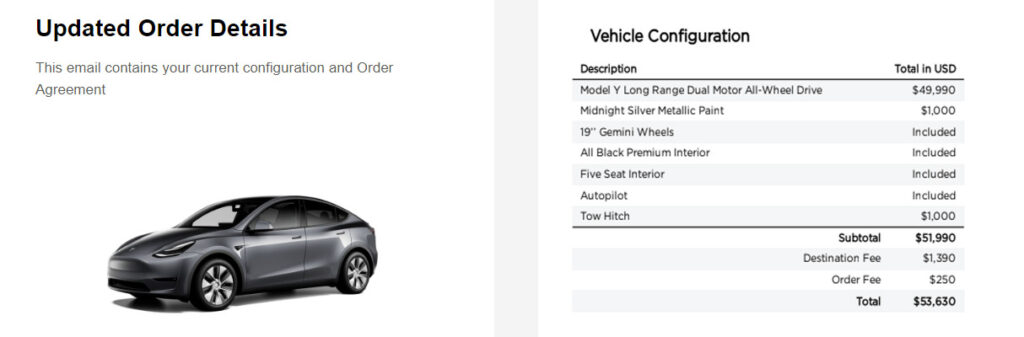
The Tesla Model Y represents a significant financial upgrade from its predecessor. The detailed breakdown of the total cost, as outlined by Adeney, includes:
- MSRP: $60,380
- Federal Tax Credit (ITC): -$7,500
- Tesla Referral Discount: -$1,000
- Sales Tax (Colorado): $4,850
- Destination & Doc Fee: $1,050
- Total Net Cost: $57,780
Adeney’s initial estimate of approximately $52,000 net cost appears to be an earlier projection, while the detailed breakdown sums to $57,780. However, the core argument remains consistent: this is a substantial investment compared to his $4,500 Honda van. He estimates the new car will add approximately $10,000 per year to his expenses, covering depreciation, insurance, and maintenance, significantly more than his old van’s operational costs. He justifies this increase by noting his "spending deficit of several times more than $10k per year," indicating ample financial capacity for the upgrade. He also highlights that the car’s primary use for "epic camping trips, dream dates, and long adventures around the country" will naturally lead to increased spending on related experiences, such as hotels and dining out during trips, further aligning with his goal of spending more on life experiences.
Addressing Criticisms: Philanthropy vs. Personal Enjoyment
Anticipating critiques about spending such a sum on a luxury item when greater needs exist, Adeney directly addresses what he calls "Privileged Rich Folk Talk." While agreeing on the importance of charitable giving, he firmly rejects unproductive shaming and "one-sided thinking." He reveals that he has personally "donated over $500,000 to the best causes I could find" during his blogging career. He argues that an excessive focus on donation figures, coupled with minimal personal spending, can inadvertently foster a "scarcity mentality," leading to illogical fears about running out of money, even for minor indulgences. He recounts an internal monologue where a $100 dinner date felt extravagant when compared to his annual donations, creating a psychological barrier to enjoying his wealth.
Adeney advocates for a "happy medium": responsible stewardship of savings, generous charitable contributions, and a conscious allowance for "frivolous spending on yourself and those closest to you." He offers examples of acceptable splurges, such as paying extra for a better airplane seat to reduce travel stress or buying more expensive frozen berries from a convenient store to avoid a second trip. These small decisions, he argues, enhance immediate quality of life without jeopardizing long-term financial security or charitable efforts. "You’re not a bad person for having a few nice things," he asserts, emphasizing that such choices can contribute to overall happiness and well-being.
Broader Implications for the FIRE Community
Mr. Money Mustache’s decision and the philosophical framework he presents could signal a maturing phase within the broader FIRE movement. While the initial stages of FIRE often emphasize extreme austerity and aggressive savings, this article suggests a natural evolution where individuals, having achieved financial independence, begin to prioritize optimizing for happiness and experience over pure financial accumulation. This shift might resonate with many long-term FIRE practitioners who find themselves in similar positions of abundant wealth but lingering frugal habits. It encourages a re-evaluation of what constitutes "wasteful" spending versus investments in personal well-being and life satisfaction. The emphasis on "effective splurging" – targeting areas of genuine stress or inconvenience rather than merely upgrading already satisfactory aspects of life – provides a nuanced guide for others contemplating similar adjustments to their spending.
The "Model Y Experiment," which Adeney has launched as a dedicated tracker page on his blog, is set to provide ongoing findings and Q&A about the ownership experience. This transparency will likely offer valuable insights for his audience considering their own electric vehicle purchases, covering aspects like reliability, customer service, and modifications. This initiative aligns with his long-standing commitment to sharing practical, real-world financial experiences with his community.
Conclusion
The acquisition of a Tesla Model Y by Mr. Money Mustache is more than just a car purchase; it represents a public declaration of an evolved financial philosophy. From a staunch advocate of extreme frugality, Adeney is now openly embracing a nuanced approach that balances disciplined savings and generous giving with a deliberate allowance for personal enjoyment and quality-of-life improvements. This shift, grounded in principles like minimum spending budgets and dedicated "money wasting" accounts, offers a compelling narrative for early retirees navigating the complexities of spending their accumulated wealth. As Mr. Money Mustache embarks on his "Model Y Experiment," his journey will undoubtedly continue to influence and provoke thought within the FIRE community, providing a practical case study for how to transition from the relentless pursuit of financial independence to the art of truly living it. The farewell to "Vanna" and the embrace of the Tesla symbolizes not an abandonment of his core values, but a refinement of them for a new stage of life, "leaving the desperately underpowered wheezing and gear shifting and noise of the gasoline era behind, forever."

